Venue: Klub Cankarjev dom, Ljubljana
Concert date: 15.03.2010
Attendance: 0
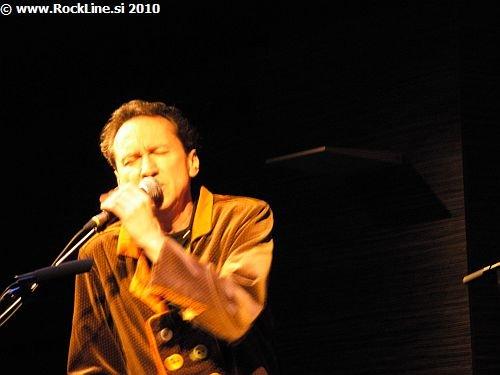
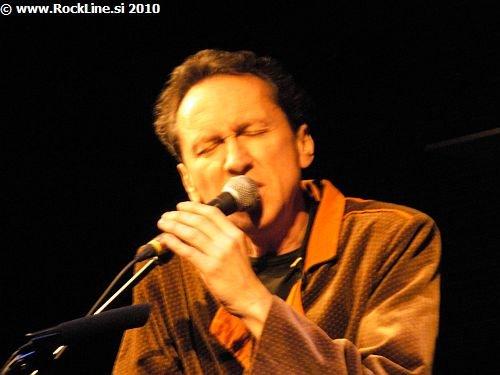
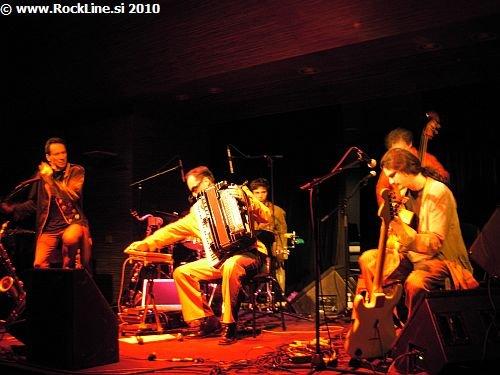
This time around, Cankarjevi torki gave us another truly special moment – we got a visit from the renowned Vojvodina multi-instrumentalist (this time on wind instruments) Boris Kovač, who honored us with his ensemble La Campanella, four more musical troublemakers who help Boris bend the rules and norms of music. He laid out his vision more than clearly for the crowd at Cankarjev dom, too.
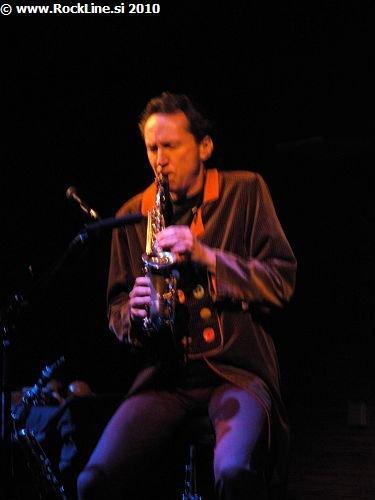
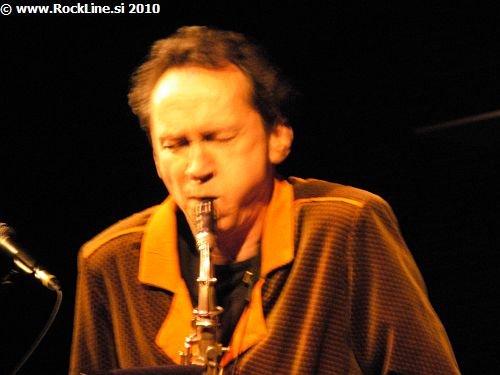
Boris Kovač and his orchestra La Campanella are world citizens who travel all over the globe. Boris addressed our “advanced” country in English too, which is obviously already a fixed part of their show. The music, along with the outfits and the stage manner, reflects a kind of circus burlesque with philosophical bite. The banter is witty but often meaningful too, with plenty of social criticism and relevance. The outfits fall somewhere between a formal tailcoat and circus gear. The music is similar, made up of moments of wild circus madness and deeply thought-out compositional inspiration. They know how to make fun of even the most serious subjects, even though they’re well aware of how painful those can be. Laughter is the best medicine, after all.
La Campanella take us on a ride where the sounds of their home – Vojvodina – naturally come through as well. It’s a haven of multiculturalism, where a huge number of different peoples live side by side in harmony – Serbs (the indigenous “Lala” people are supposedly counted among them), Croats, Hungarians, Slovaks, Germans, Russians, Macedonians, Romani and even Slovenes. All these different cultures shape the sound of Boris Kovač and his orchestra. Just as Vojvodina is diverse, they too leave room for boundless musical imagination, with no limits and no brakes. Alongside this lush tradition of the Pannonian lowlands, Kovač also reaches for jazz, Latin, tango and rock techniques. In short, the music is slippery as hell. Everything is sacred and nothing is. They break every convention, like any good progressive-minded band.
Right from the start Boris let us know he’d mostly be presenting his latest album “World after History”, and he stuck to that. But he didn’t forget some evergreen hits from his past either, which the united Slavic people still sing today. Between songs, Boris sometimes dropped meaningful philosophical remarks about the sorry state of human society and predicted, or rather hoped, that the future would be better. He wraps it all up in black humor and convinces us that even in times of the world’s greatest greed and misery, the best thing to do is simply laugh, because brooding too much can destroy you fast.
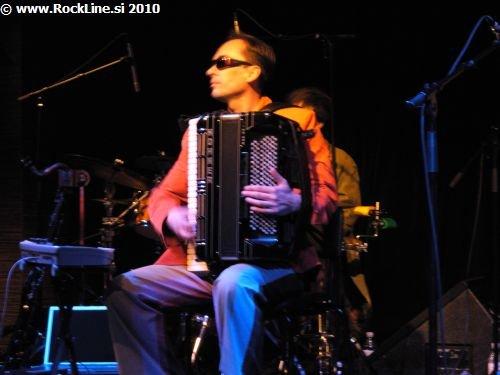
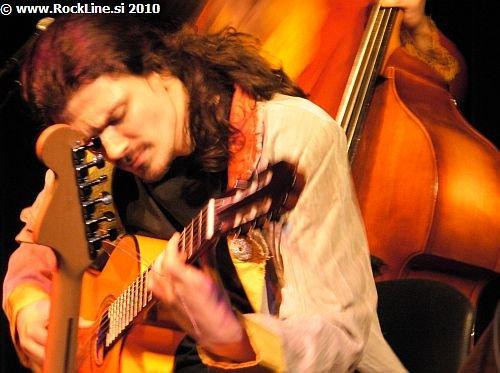
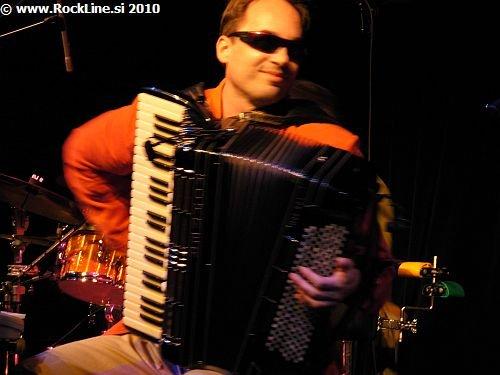
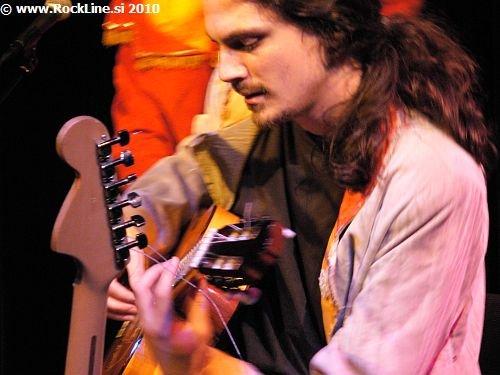
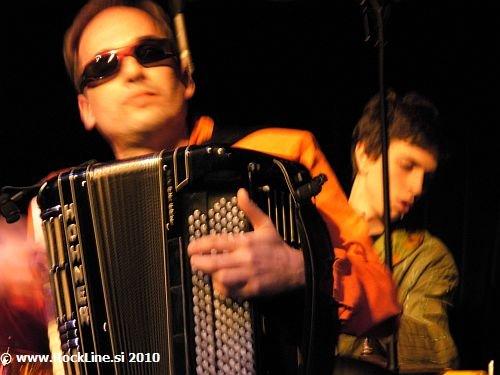
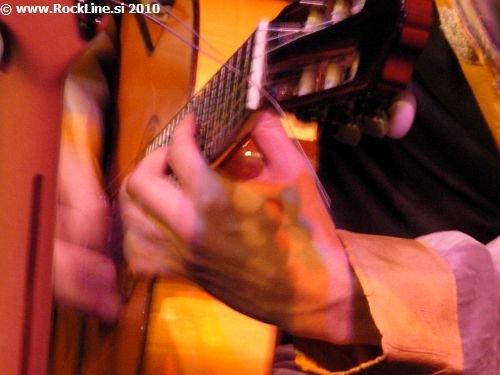
The masters gave their fusion a soul, and the music really fills you up. There are plenty of emotional turns and unpredictable twists, yet the guys always stay rhythmic and accessible. You can tell the music is polished down to the last detail even in live shows, so there are no “flubs” at all, except for the unpredictable ones they can’t be blamed for (like when the double bass conspires against you). Boris showed himself to be an excellent wind player and cabaret entertainer, and his circus crew are more than worthy sidekicks. Especially outstanding was Orlando Bloom (Vukašin Mišković) on guitar, who didn’t just develop ethno motifs but occasionally treated us to Latin jazz-rock moves in the style of Carlos Santana, plus a few more hard rock patterns. Sitting under the third solo spotlight was the superb accordionist Goran Penić, who provided some extra fun on his mini keyboards, while the rhythm section drove the lineup into wilder and wilder waters all night and knew how to bring them confidently back again.
Boris Kovač respects all traditions, yet tears them all down at the same time and builds a new one, which he has been shaping and refining along his musical path for more than thirty years. With his orchestra he presented just a slice of his bittersweet vision, shot through with black humor. Still, we in the audience got a good feel for his unique talent. If all composers had even a smidgen of his openness to different musical directions and his drive to build a personal musical philosophy out of all those pieces, music would never stagnate, because the push for progress and a character of one’s own would almost always win out.
Photos: Rok Podgrajšek
Photo Gallery