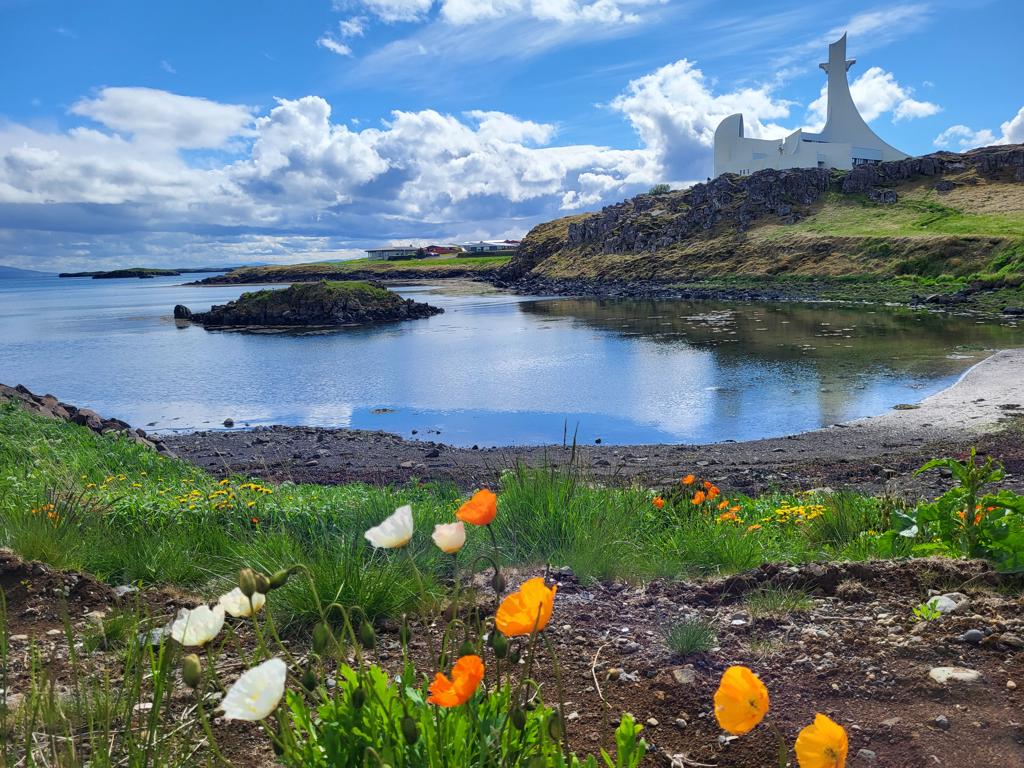
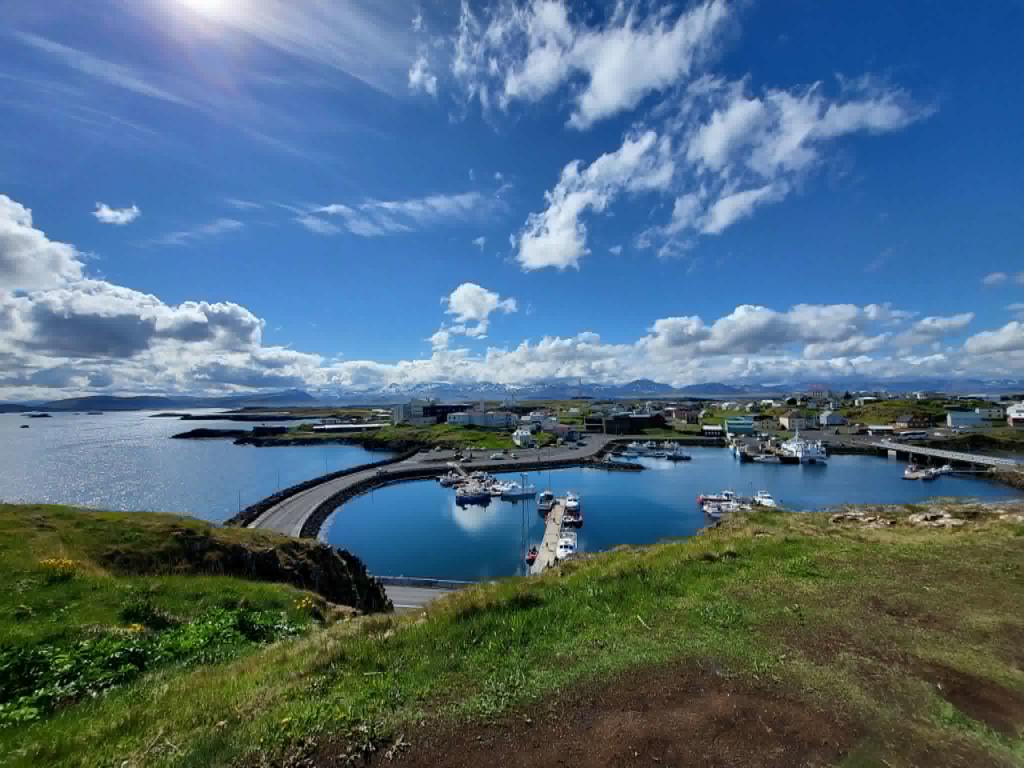
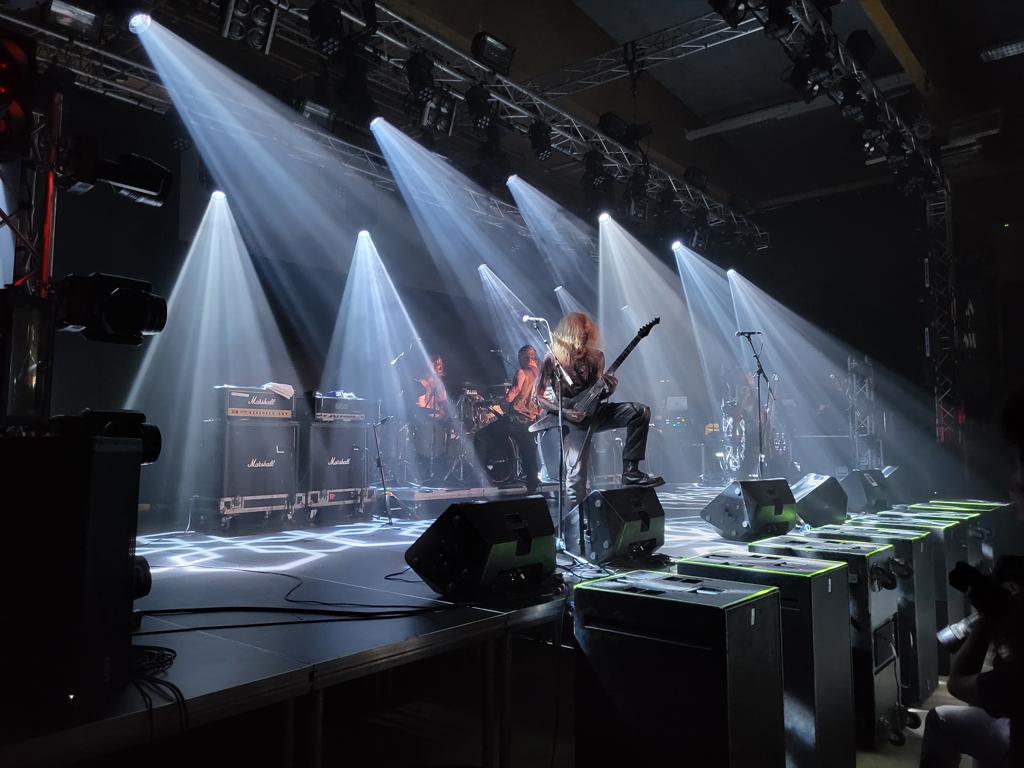
A gorgeous, sunny Saturday morning was perfect for a stroll around Stykkishólmur with journalist and sociologist Arnar Eggert Thoroddsen, who shared stories, anecdotes, and the history of Icelandic metal. That Stykkishólmur itself is a proper little metal town is clear from the Stykkishólmskirkja church, shaped like a Viking longship, while the bay beneath it carries an equally metal name — Maðkavik, the Bay of Worms. The festival’s tight bond with the town was on full display in a lovely move by the organizers, who opened an otherwise closed Sólstafir soundcheck exclusively to local children — already doing their bit to raise the next generation of festival-goers.
Deathcore outfit Devine Defilement are without a doubt one of Iceland’s more active bands, regularly performing beyond Iceland’s borders, and with four studio albums already under their belt — the latest, Ruthless, dropped last year. Deathcore isn’t exactly my genre, but Devine Defilement won me over live with a devilishly energetic set fronted by not one but two dynamic vocalists (covering all bases from deep guttural growls and bree-bree moments to the obligatory pig squeals). It’s also plain to see from a mile away that this band has serious touring mileage behind them — they’re locked in tight and the whole show is polished and quality.
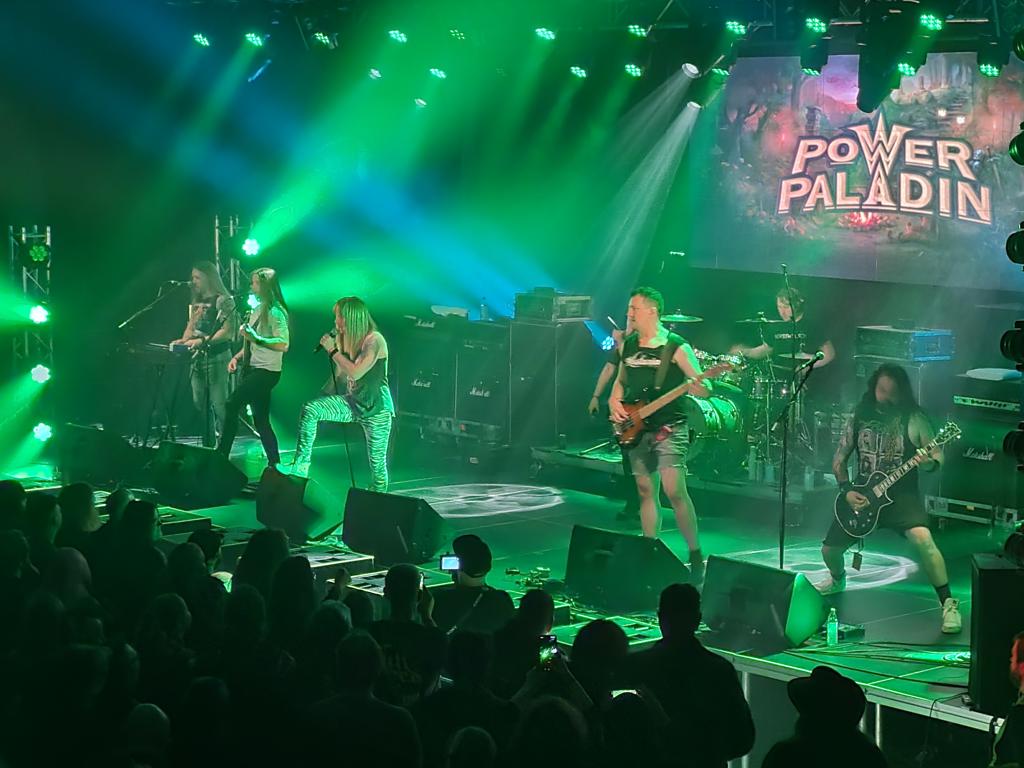
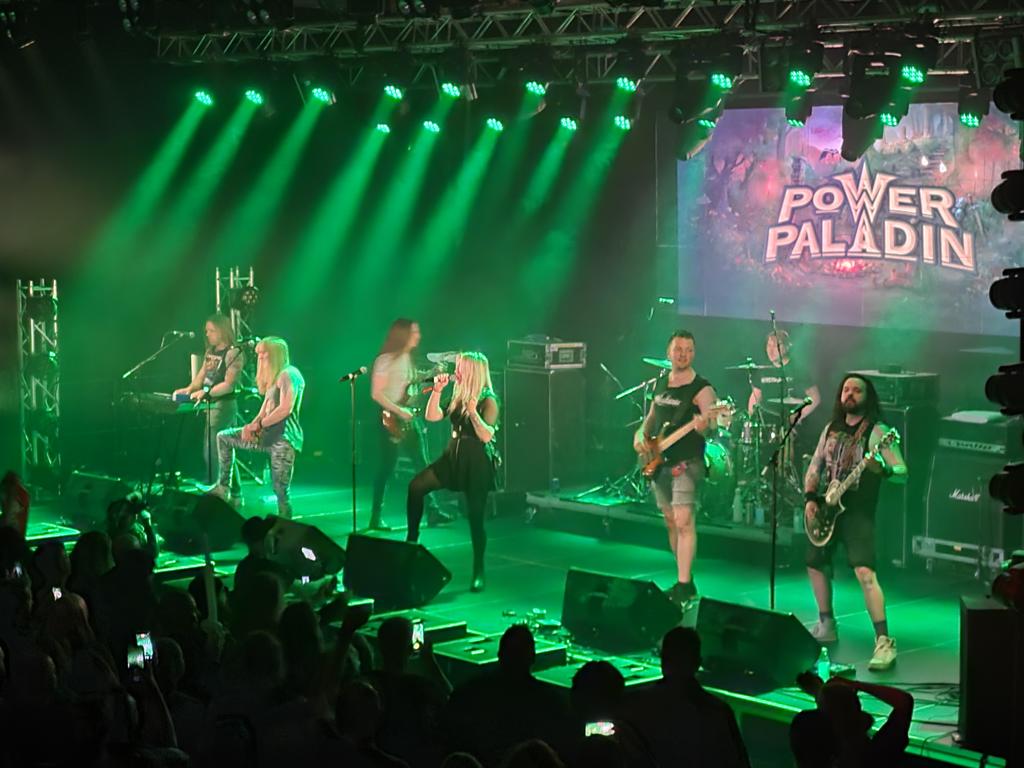
Much the same goes for Iceland’s power metal heroes Power Paladin, who were already sniffed out by Atomic Fire Records on their debut With the Magic of Windfyre Steel (2022) and launched into the genre’s rising stars. Power Paladin play classic (read: DragonForce, Rhapsody of Fire, Gloryhammer, et al.) power metal packed with tales of dragons, swords, enchanted lands, knights, and castles. But they do it at such a high level that it comes off genuinely charming — and what I love most about Power Paladin is their healthy dose of self-awareness and willingness to poke fun at the very power metal clichés they’re fully embedded in. Backed by a roaring hometown crowd, they tore through tracks from both albums, hurled the obligatory inflatable swords into the audience, and spiced up their already energetic set with guests (a female vocalist, a troll, and a harsh vocalist). Bonus points for vocalist Atli’s look — at a distance, with his fluffy hair and zebra-print leggings, he looked exactly like Bruce Dickinson circa the eighties.
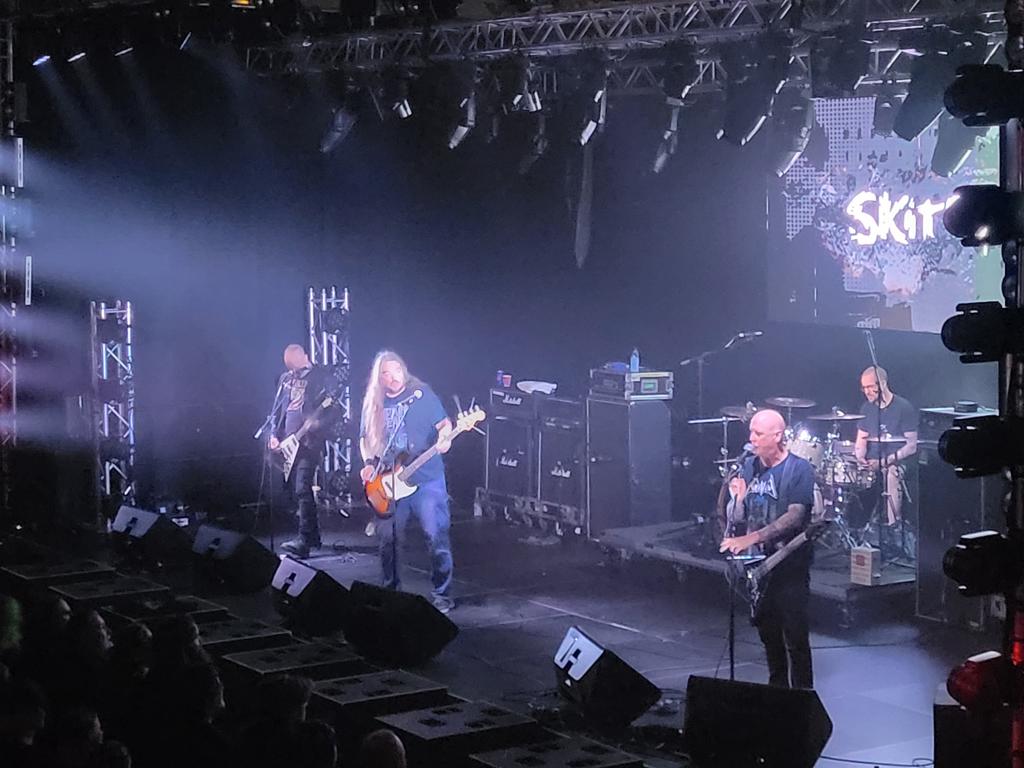
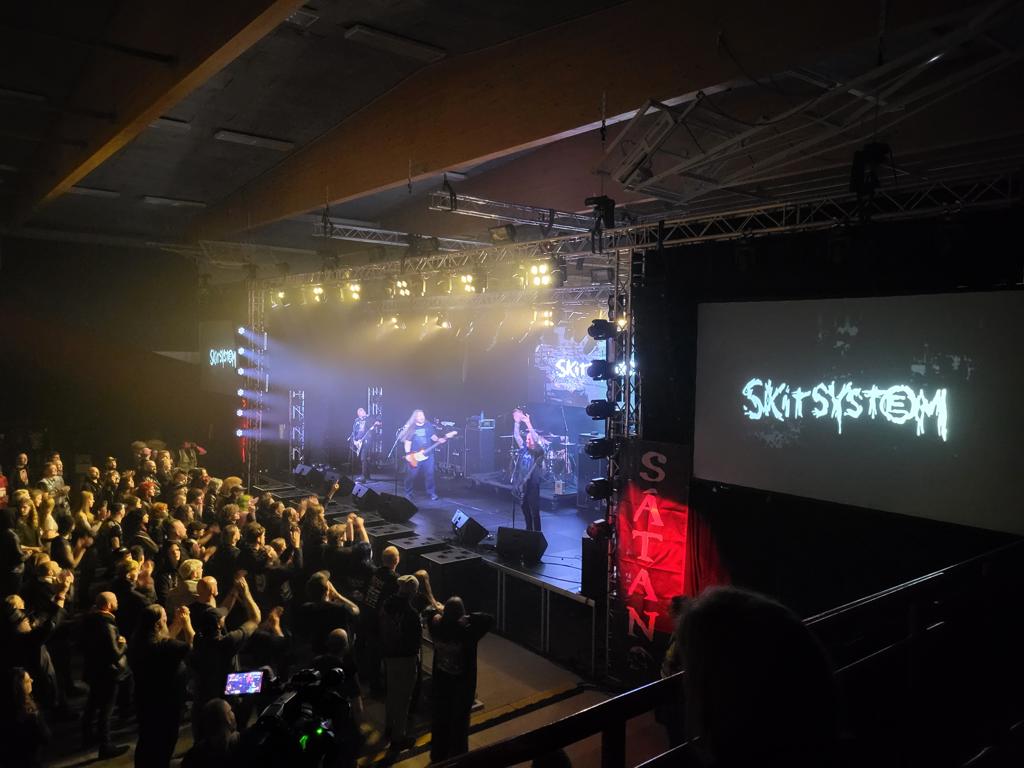
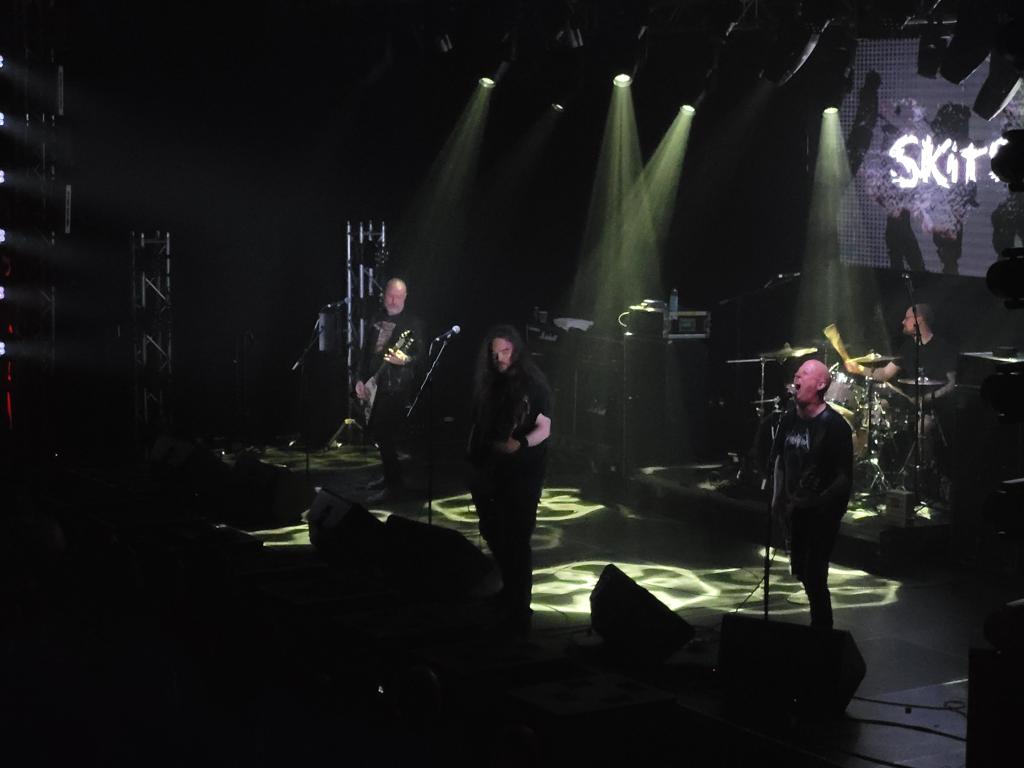
The Swedish occupation of the festival’s final day kicked off with cult crust/d-beat/punk legends Skitsystem, founded in 1994 by Fredrik Wallenberg and Tomas “Tompa” Lindberg. The Shit System (which is what the name translates to) were playing Iceland for the first time and will no doubt be remembered fondly — not just for their chaotic, no-holds-barred assault, but also for their relentless social commentary and what was probably the most moving moment of the entire festival, one that brought tears to the eyes of even the most towering Icelandic Vikings. Fredrik dedicated the song Evig Vinter to the memory of his best friend’s child, who died by suicide — with Fredrik himself being the one to cut him down from the noose — and used the moment to call attention to the struggles of young people and the rising suicide rates across the Nordic countries. He also dedicated the song to the legendary Tompa, saying that Skitsystem would never have existed without him. A lump in the throat. In just under an hour, Skitsystem delivered what was arguably the most guitar-driven, Swedish-to-the-bone, gut-punch set of the festival, capped off by Fredrik’s raw screaming. Bonus praise for Fredrik, who later turned up as one of the most active moshers during The Haunted’s set, spontaneously going around hugging people in the crowd with a massive grin. A legend!
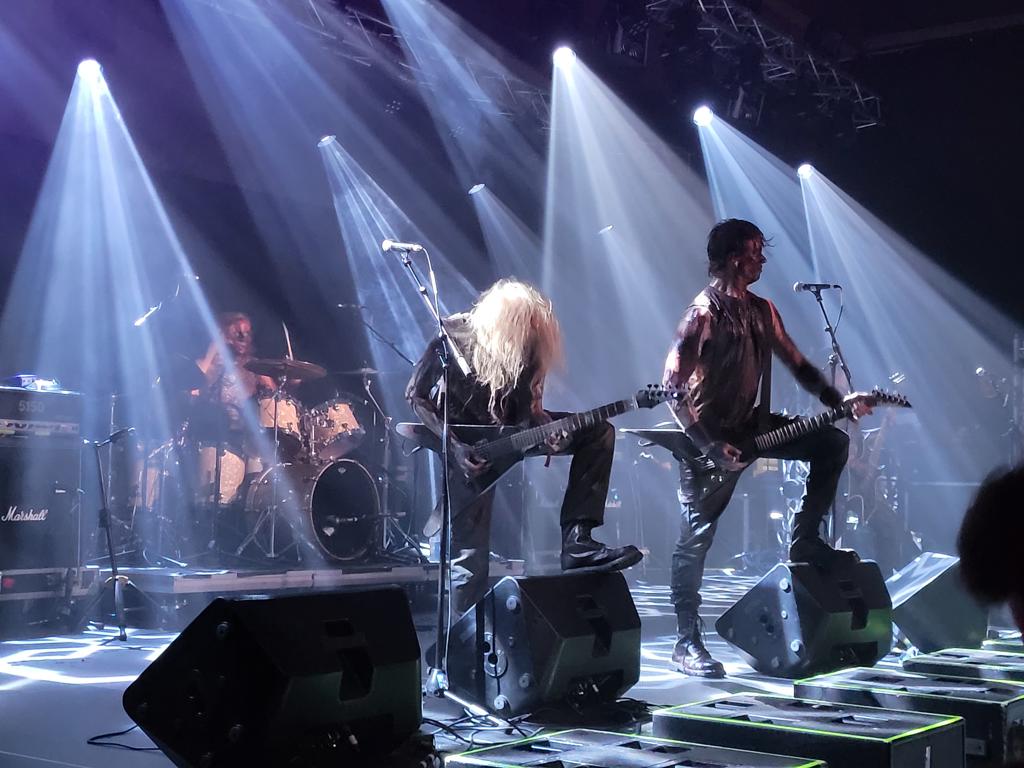
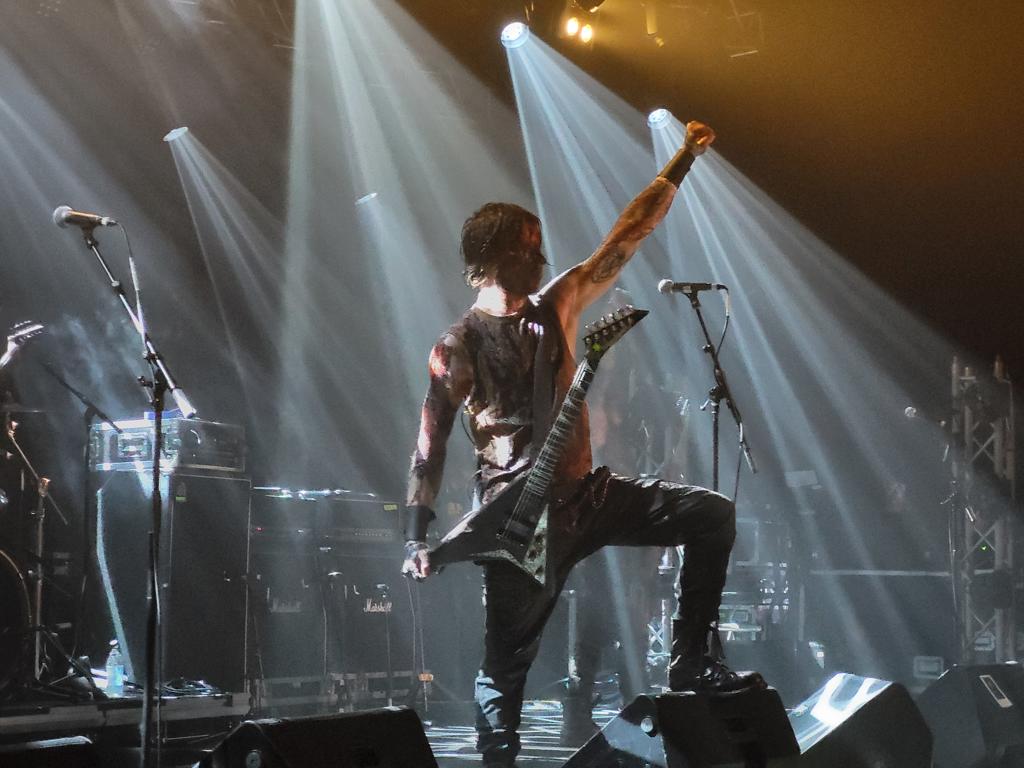
For me one of the most highly anticipated moments of the festival — if not the most anticipated — was the set by Icelandic black metal giants Misthyrming, currently one of the best (if not the best — author’s note) black metal bands going. We’d already seen the guys on day one as part of Sventevith, then the next day in their death metal guise Barnaveiki, but on day three the main head of the three-headed beast finally had its turn! Misthyrming took the stage to the sounds of the instrumental Haelid from the album Algleymi, then dragged the crowd into a relentless vortex of raw energy that swallowed everything like a black hole. Misthyrming live is an experience that’s hard to put into words — their uncompromising approach conjures a truly singular atmosphere that nothing else can match. The band’s flawless performance sees aggressive, chaotic, raw energy erupt like a volcano, sliced through by outstanding solos and the more melodic, cathartic passages that grace especially the tracks from Algleymi. The already intense live experience Misthyrming conjure is pushed even further by the vocal assault of all three vocalists, with frontman Dagur’s feral performance leading the charge. Misthyrming are without question a band that gives absolutely everything on stage, and Sátan 2026 was no exception — their set sits at the very top of the concerts I’ve seen this year. Don’t miss them on 20.10.2026 when they visit Orto bar alongside Owls Woods Graves!
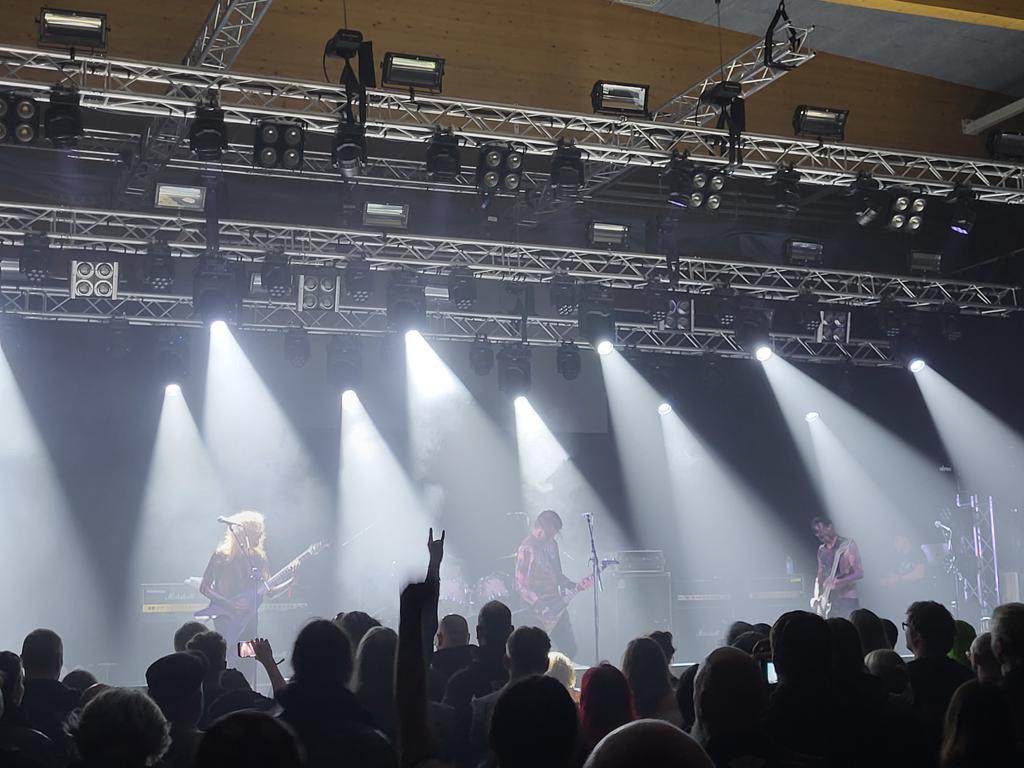
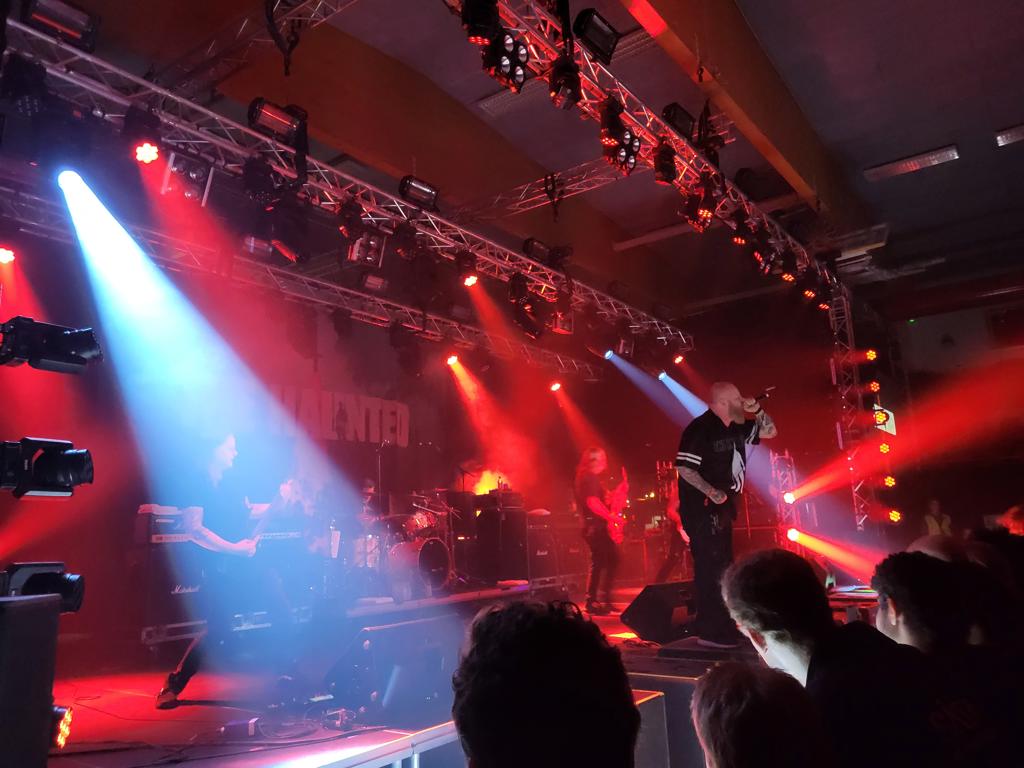
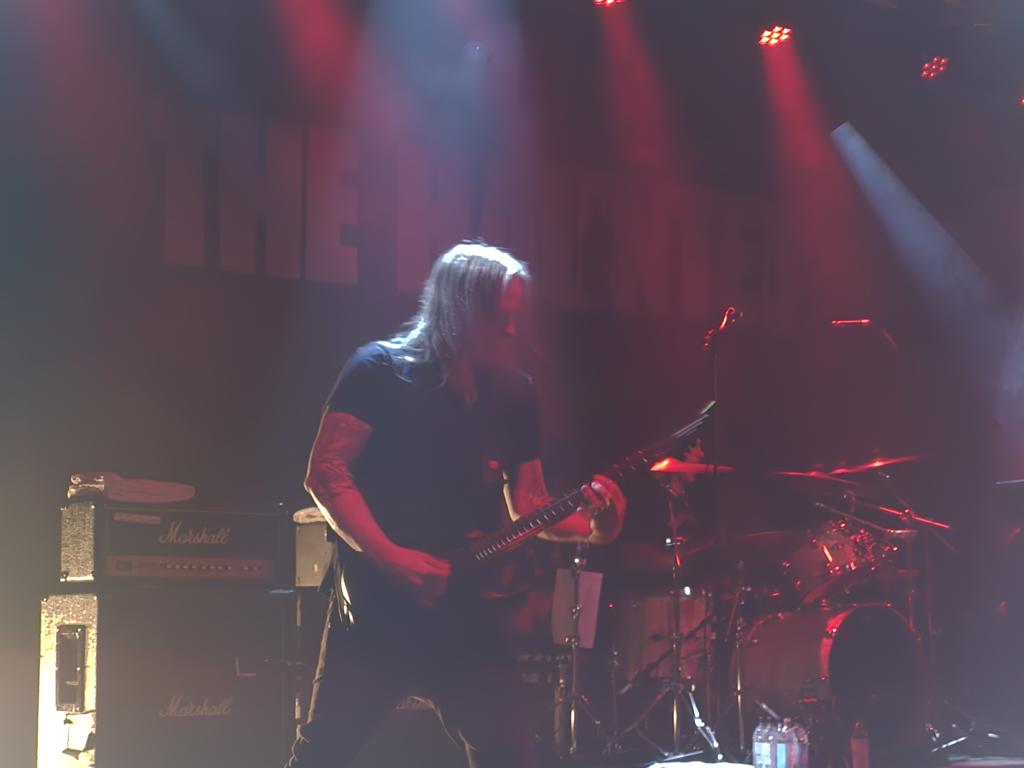
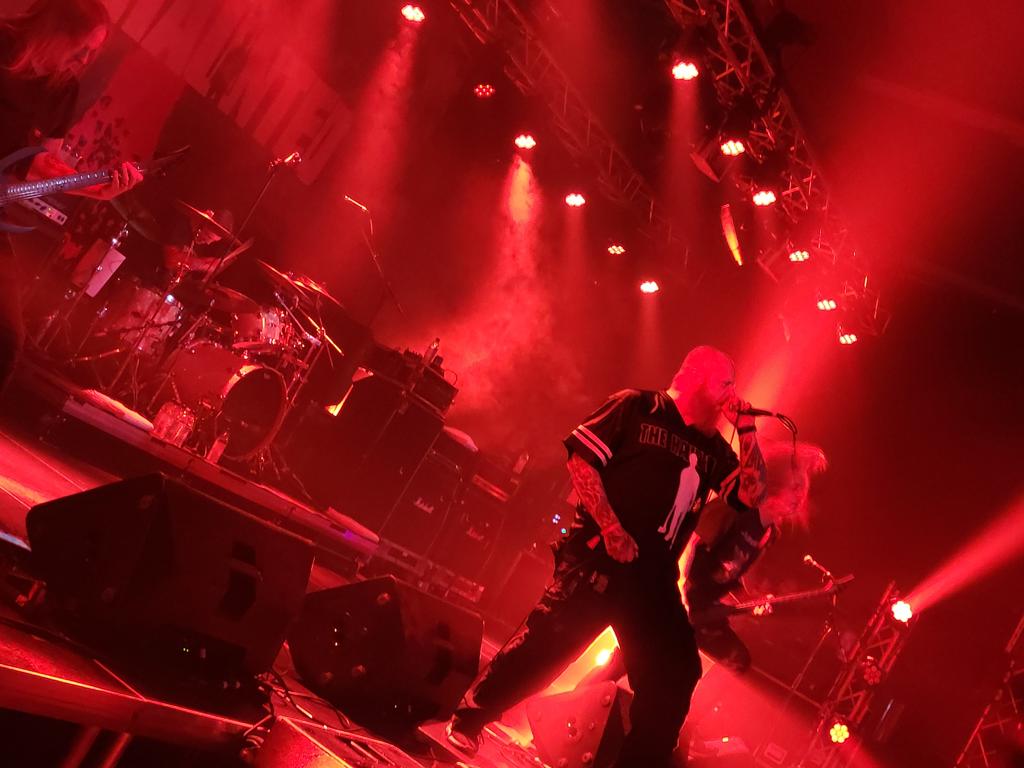
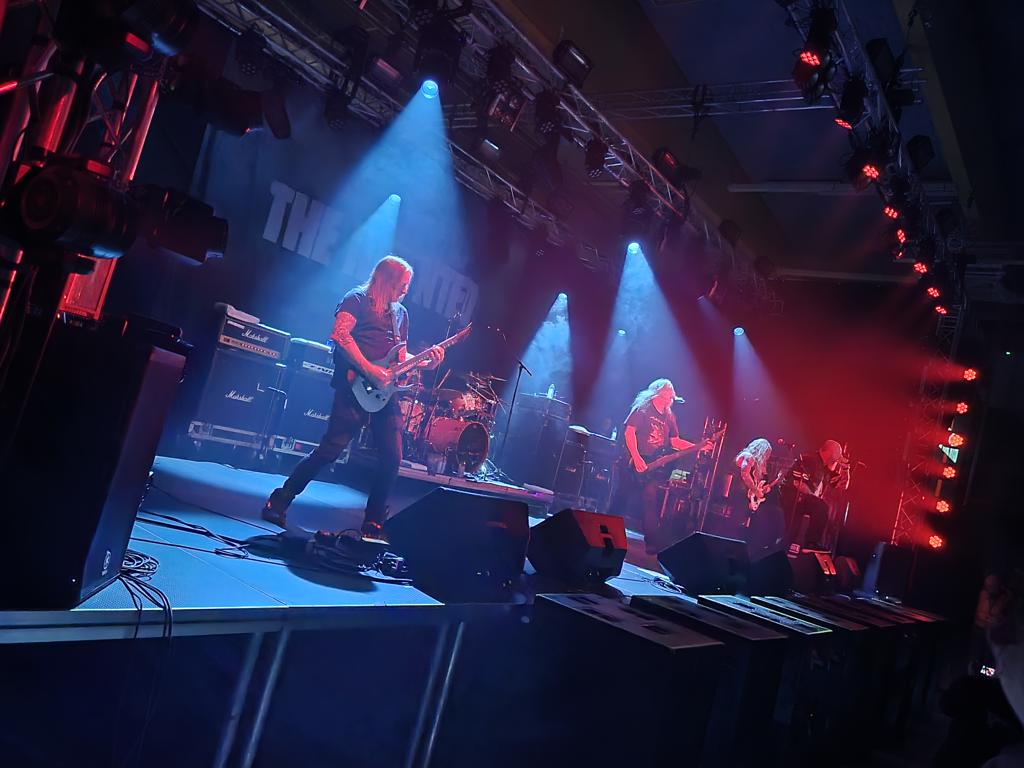
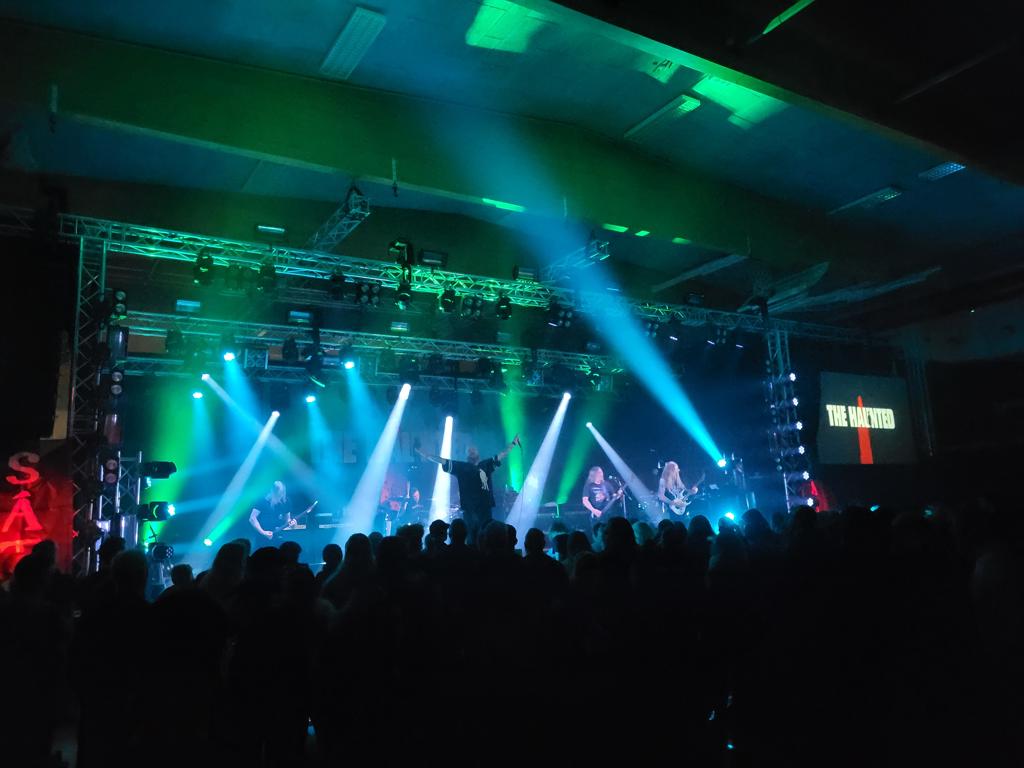
Almost equally anticipated for me were the international headliners of the final day, Swedish death/thrash heavyweights The Haunted, who last year broke years of studio silence with the excellent Songs of Last Resort, a record that sits comfortably among their better releases. The Haunted took the stage like a tornado and with a rabid Warhead won the crowd over in seconds — and the crowd repaid them with non-stop moshing. The Haunted in 2026 are in exceptional form, which showed in a superb sound and was amplified by stunning use of lighting, with the Swedes never letting up and hammering out crusher after crusher. Frontman Marco Aro was in particularly great spirits, visibly thrilled with the crowd, and gave back in kind with a rock-solid vocal performance and high-energy transitions between new tracks and classics. Such an energetic show was a perfect “closing set” for the festival (the true closer belonged to the far more cathartic and introspective Sólstafir), as the Swedes’ well-executed death/thrash attack was a genuine shot of adrenaline. The experience was only slightly soured by the bittersweet realization that on and off stage you basically have the full lineup of At the Gates (the Björler brothers and drummer Adrian Erlandsson play in The Haunted, while guitarist Martin Larsson is in Skitsystem) — only Tompa, sadly, is no longer with us.
The honour of closing Sátan 2026 went to the local heroes and probably Iceland’s most internationally recognizable “metal” band, Sólstafir (for however much metal is still left in them). One interesting observation from a local: Sólstafir are bigger abroad than at home, while for folk metallers Skálmöld, the exact opposite holds true.
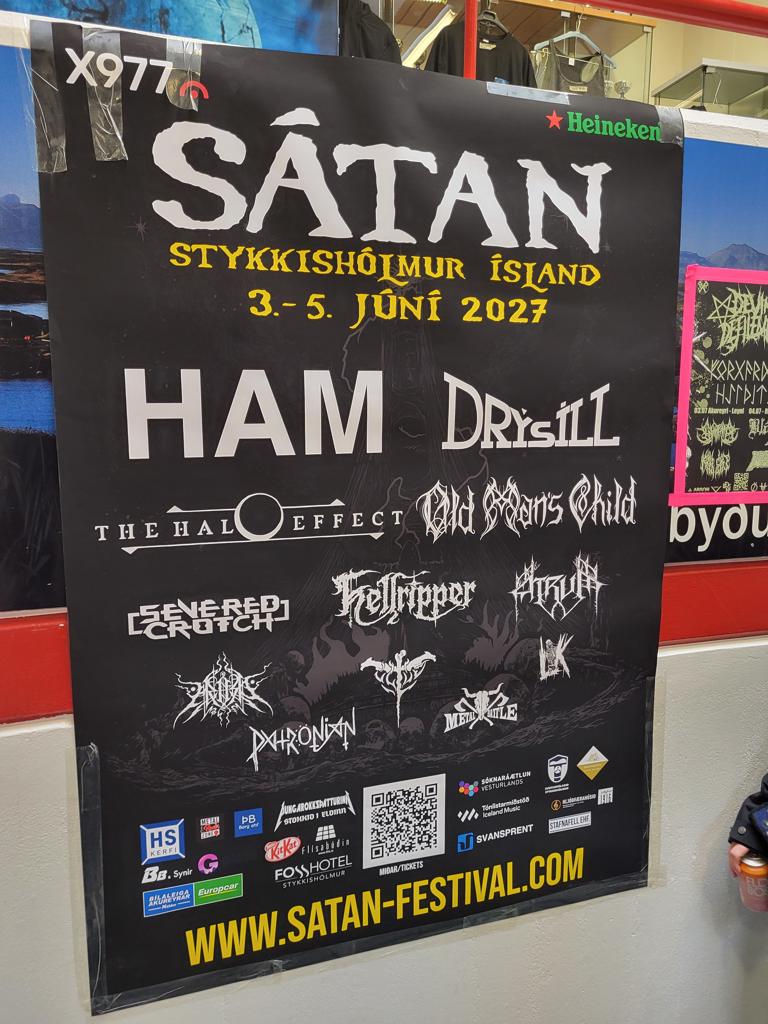
To wrap it up: Sátan is without a doubt one of the better and more authentic smaller festivals out there. It takes place right in the middle of Iceland’s stunning natural scenery, which gives it a special charm, while also serving as an excellent showcase of the strength and diversity of the Icelandic metal scene (I’ve never used this many umlauts and letters with carets and accents in a single piece, hehe) — with carefully and thoughtfully chosen international acts to round it out. The festival has a packed side programme, and what could be flagged as a negative is just an objective fact of life: it’s a bit harder to get to and takes place in one of the most expensive countries in the world. But if anyone’s tempted by Sátan 2027, I can say without a doubt that the positives far outweigh the “negatives.” If anyone wants to join, get in touch — and the confirmed lineup already looks seriously enticing: Old Man’s Child, Ham, Drỳsíll (Iceland’s first heavy metal band), The Halo Effect, Hellripper, Lik, Severed Crotch, Patronian, Atrum, Úlfúð and Helfró, with 12 more bands still to be announced.