Thursday, 28 November 2019
Winter Days of Metal keeps growing in stature year after year. On top of the evening concerts, there’s a whole range of other activities on offer — though this year’s weather wasn’t exactly playing along for skiing at the nearby Vogel resort. But at the end of the day, it’s the music that matters most. The lineup was varied enough to make the trip more than worthwhile.
Day one was pretty much aimed at black metal fans, Exciter being the exception. Swiss Matterhorn hit the stage first, playing to just a handful of people. The young trio has only one album under their belt and describes themselves as playing extreme metal that blends death and speed metal. But with Matterhorn it all felt pretty unfinished. The guitarist/vocalist had a few good ideas, but the rest unfortunately didn’t stand out. Matterhorn definitely need more miles on the clock before they’ll be truly convincing.
Next up were Polish black metallers Blaze of Perdition, who drew a bigger crowd. The band first played Slovenia last year in Kranj and came back this time to impress again. Black metal can get stale pretty fast, but Blaze of Perdition definitely delivered. The band boasts three guitars, which added real dynamic range to their sound. Vocally, Blaze of Perdition were impressively varied too. The guitars had a melodic streak that broke up the monotony nicely. The band’s approach is refined and inventive — shades of Watain and Deathspell Omega come to mind. Definitely a band with a lot ahead of them, and the experience clearly showed.
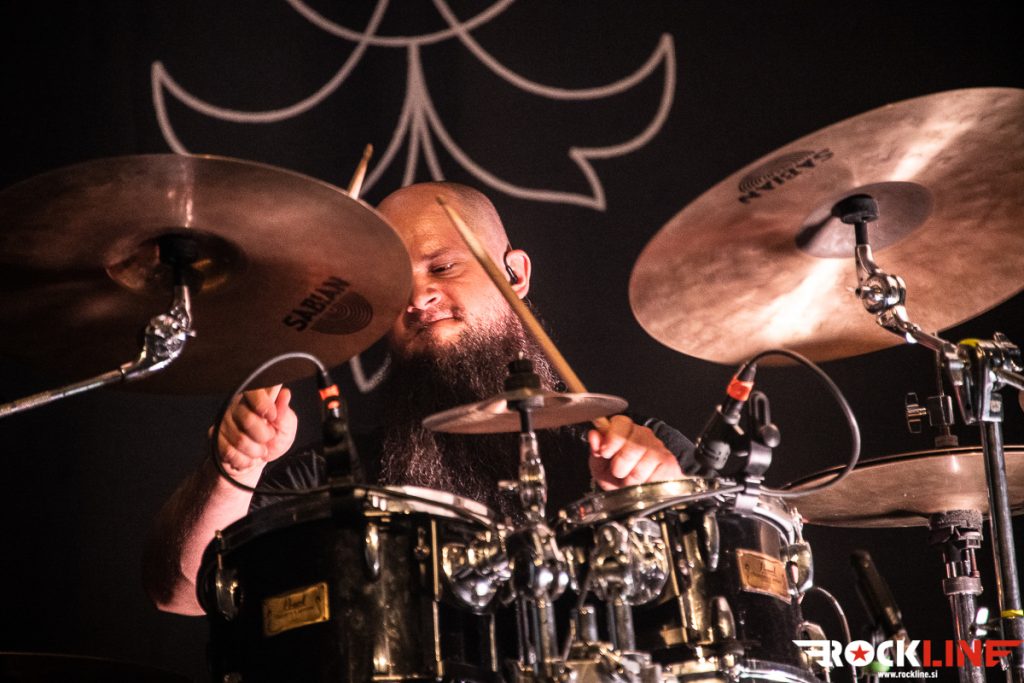
The Poles were followed by Swiss black metal outfit Bölzer, the duo of HzR on drums and KzR on guitar and vocals. This isn’t their first time here, and in recent years — with one album and a handful of EPs behind them — they’ve built up considerable recognition. Despite being just a duo, Bölzer put together a surprisingly rich sound. KzR plays a ten-string guitar to compensate for the lack of a bass. HzR’s drumming leans toward Darkthrone-style minimalism. Bölzer don’t overcomplicate things, and that’s part of what makes them unique. But this particular show wasn’t the guitarist/vocalist’s finest hour. He had technical issues and at one point had a proper go at the sound engineer. Bölzer clearly deserve another chance, because this gig didn’t show them at their best.
Norwegian Dødheimsgard were the main event of the evening. No surprise there — the band has been around since the nineties, and in 25 years of existence has put out just five albums, yet has managed to stay relevant throughout. Early on the band was rooted in rawer black metal, but over time Dødheimsgard started experimenting, which showed in this gig — their first in many years and only their second in Slovenia overall. So this was pretty much an exclusive affair. The band served up a varied setlist. The newer tracks weaving in industrial and avant-garde elements showed exactly what makes them special. Toward the end they shifted into more straightforward black metal with some older cuts, which was a real treat for the die-hards.
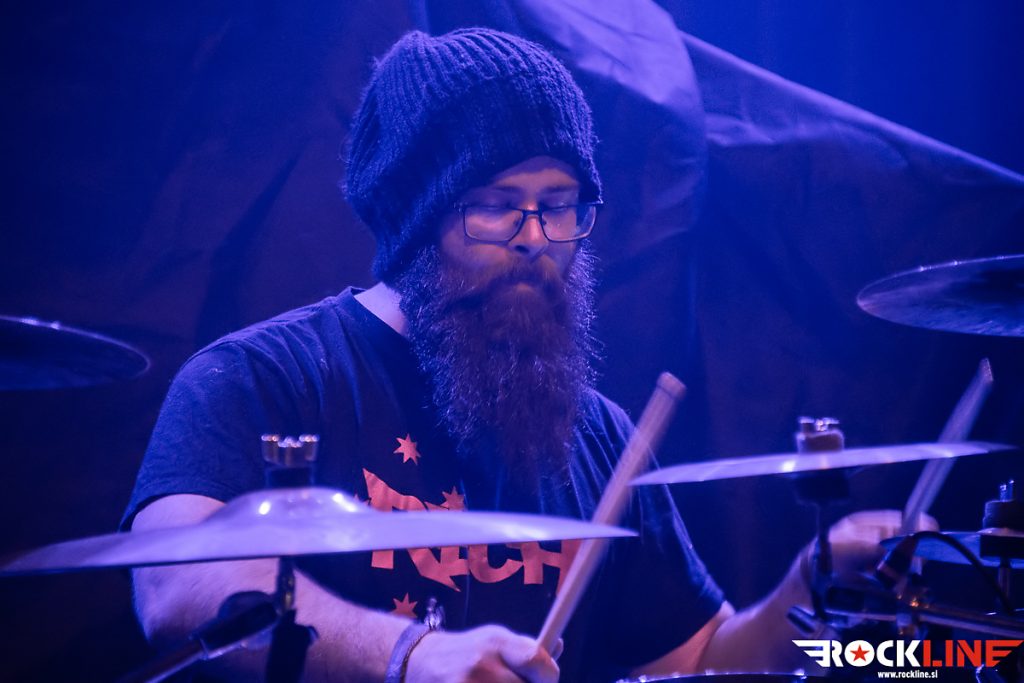
Closing out the night were Canadian speed metal veterans Exciter. The band returned after many years away — not that Exciter were ever regulars in Slovenia to begin with. If memory serves, their last visit was at Metalcamp 2005. So it had been well over a decade since their last appearance here. The band, formed all the way back in 1978, has now put out a dozen albums and to this day they’re considered one of the most important names in speed metal. They play as a trio, though longtime guitarist John Ricci is no longer in the picture. His shoes have been filled by young Daniel Dekay, who definitely stepped up. What gave Exciter their charm was that old-school metal spirit. Behind the massive drum kit was Dan Beehler, who also handles lead vocals. Beehler held down the rhythm alongside longtime bassist Allan Johnson, while constantly reinforcing his drumming with fills whenever he wasn’t busy with vocals. Genuinely impressive for a guy in his late fifties. Old-school metal fans definitely got their money’s worth. Exciter proved the years haven’t slowed them down — their set was energetic and anything but routine.
Friday, 29 November 2019
If day one was mostly black metal with the odd exception, day two was more than suitable for death metal fans. Though again there were a few acts that strayed outside pure death metal territory.
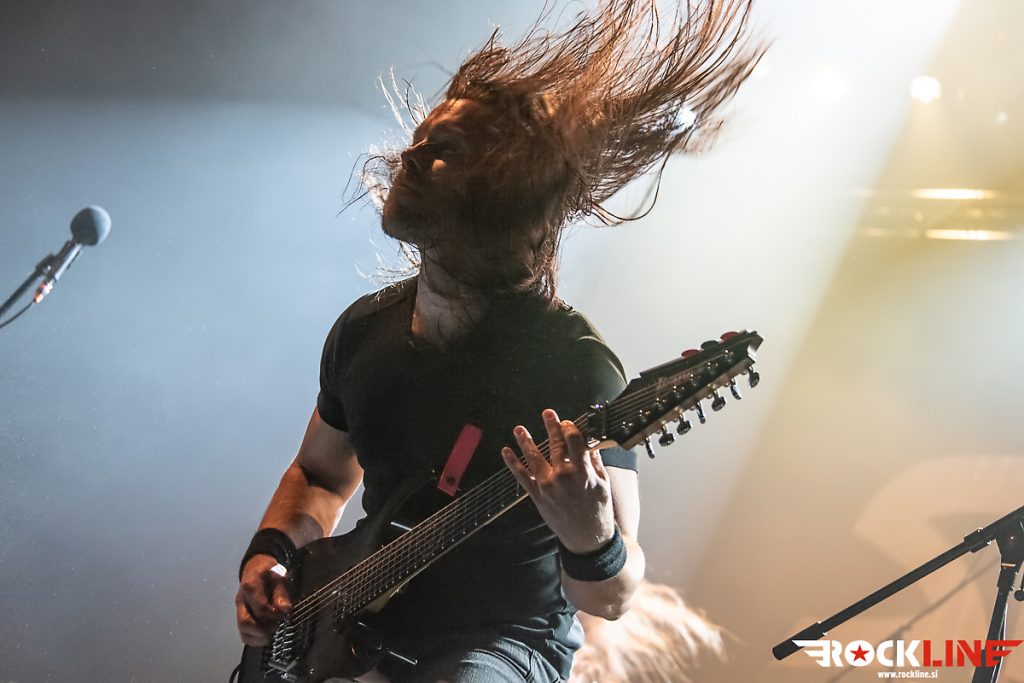
Local act Morywa opened things up, now playing as a quintet after their recent lineup changes. Morywa take cues from modern bands that swear by down-tuned guitars and groove. Those eight-string guitars genuinely resonated through the hall. The band doesn’t overcomplicate things the way djent acts obsessed with polyrhythms tend to. Despite the modern feel, Morywa sound pretty raw. Vocally they even bring to mind Canadian Ion Dissonance, except there’s less emphasis on chaos and more on groove laced with death metal elements. For now, Morywa fans are mainly waiting on an album that’ll give a clearer picture of where the band is headed stylistically.
Next up were English death metallers Dyscarnate, returning to Slovenia after nine years. The English death metal trio now has three albums behind them and has sharpened their style considerably in that time. The Dying Fetus and Misery Index influences are still clearly there, but their latest, With All Their Might, defines them better, pushing more of a Gojira-style groove to the fore. What Dyscarnate served up was a full dose of aggressive music, backed by a twin vocal attack, fast guitars, and relentless drumming. Kudos to both the guitarist and bassist for their vocals — they’re actually intelligible rather than just unintelligible grunting. But Dyscarnate haven’t been purely about speed since the last album. There are calmer passages, more groove, and it all adds up to Dyscarnate being a genuinely varied band that can brutalise like Dying Fetus on one hand and dial it back on the other. A few older tracks were missed, of course, but Dyscarnate pulled it off surprisingly well — even if the turnout was thin and the sound wasn’t exactly satisfying.
Fleshgod Apocalypse are regular returnees to Slovenian stages. No surprise there — the band keeps churning out new albums and grows its fanbase year after year. The focus was naturally on Veleno, released after a few lineup changes. Clearly nothing throws Fleshgod Apocalypse off track — they get stronger every year. The band was joined by opera singer Veronica Bordacchini, which lent the live show a more authentic dimension. The whole thing works. The focus was on newer material that pushes the orchestrations front and center, making them alongside Septicflesh the leading name in symphonic death metal. Fleshgod Apocalypse are undeniably tight, and the stage presence is convincing. But after a few songs, all those layered elements started to make them sound simply baroque. The band’s playing is billed as technical, but at times it just sounded kitsch, with the only remnant of brutality being fast bass drum pedals. A lot happens in the songs — three members contribute vocals, alongside the growls there are melodic vocals from the bassist and the operatic singing. With all those orchestrations, Fleshgod Apocalypse come across as a brutal take on Therion. You could say they even overdo it. Yet despite it all, the band won over a sizeable crowd. Naturally — they played tracks from pretty much every album. Not every fan favourite made the cut, but the band’s form is more than solid, and they once again lived up to their reputation.
After the Italian-flavored brutalization, it was time for the American kind. Less than half a year later, American deathcore outfit Whitechapel were back, standing today as one of deathcore’s defining acts. With their latest album The Valley (review HERE), the band showed a noticeably different side by incorporating clean vocals. Deathcore can get stale fast, but Whitechapel’s experimenting has shown they have a lot more room to manoeuvre than you’d think. Here too the emphasis was on the current album, which may not have been the best call — they leaned too heavily on the clean-vocal tracks, leaving some favourites out in the cold. You can’t fault the band’s form though. Phil Bozeman naturally stands out with that deep growl, and on the quieter clean-vocal tracks he stepped back accordingly, giving those moments a more emotional feel. With three guitars Whitechapel build a wall of sound, but Ben Savage is the standout guitarist, handling solos and harmonies. Current drum recruit Alex Rudinger was definitely a great pick — he plays with metronomic precision and speed, which only lifts the band’s performance. What made the fans happy were tracks like This Is Exile, Our Endless War, and The Saw is The Law — fan favourites all around, but more of them wouldn’t have hurt. The return was welcome, Whitechapel delivered, but it could’ve been a touch better.
It’s been impossible to miss Canadian “hyperblasters” Kataklysm over the past 15 years — unless you’ve been living under a rock. The band has been playing Slovenia since the days when gigs still went down at Ljubljana’s K4 club. They’ve played here at least fifteen times by now. What’s remarkable is they keep picking up new fans throughout. Their shows are a testament to consistency and hard work. Once again Kataklysm showed they’re a well-oiled machine on stage — years of hard work have paid off. The crowd always gives Kataklysm a warm reception, and the band’s energetic performance and solid crowd work make sure the audience goes wild every time. What Kataklysm could use, though, is a refresh of the setlist. It’s hard to picture a Kataklysm show without Cripled & Broken, As I Slither, Prevail, or Shadows and Dust — but those same songs every night are exactly why a Kataklysm show can feel routine and predictable. The crew is tight — drummer Oli Beaudoin still dazzles with his fast, precise playing — but it’s the songs with big choruses or melodic hooks that dominate the set. Despite a rich back catalogue, Kataklysm’s setlist choice runs counter to that depth. Kataklysm still have a reputation for throwing a good party, but don’t expect much more than that.
Closing out the night were Kampfar, who’ve previously played Slovenia at Metaldays and various club shows. Kampfar released their new Ofidians Manifest this year, from which they drew a portion of their setlist. Credit to Kampfar — they had the best sound of any band at the festival. And their music is pure soul food for black metal fans. Kampfar lean toward simplicity; what sets them apart is the folk elements they weave in, creating a different atmosphere from the standard black metal outfit. With their guitars and rhythm section, Kampfar emphasize a straightforward approach in the vein of Taake and similar acts. Once again the band proved they command the stage completely, which above all reflects years of hard-won experience.
Saturday, 30 November 2019
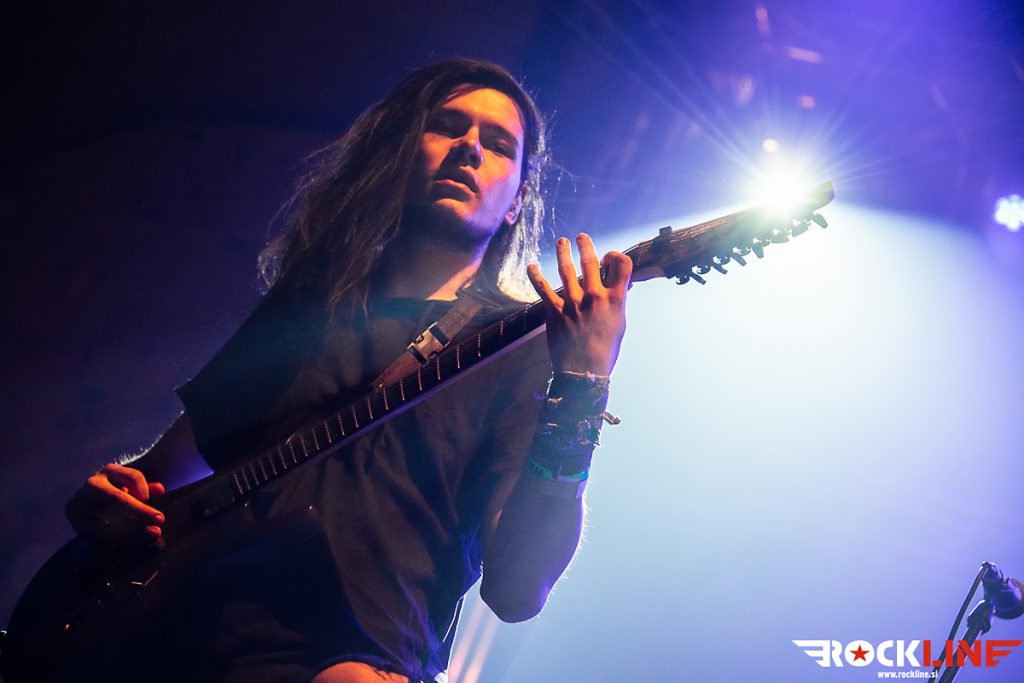
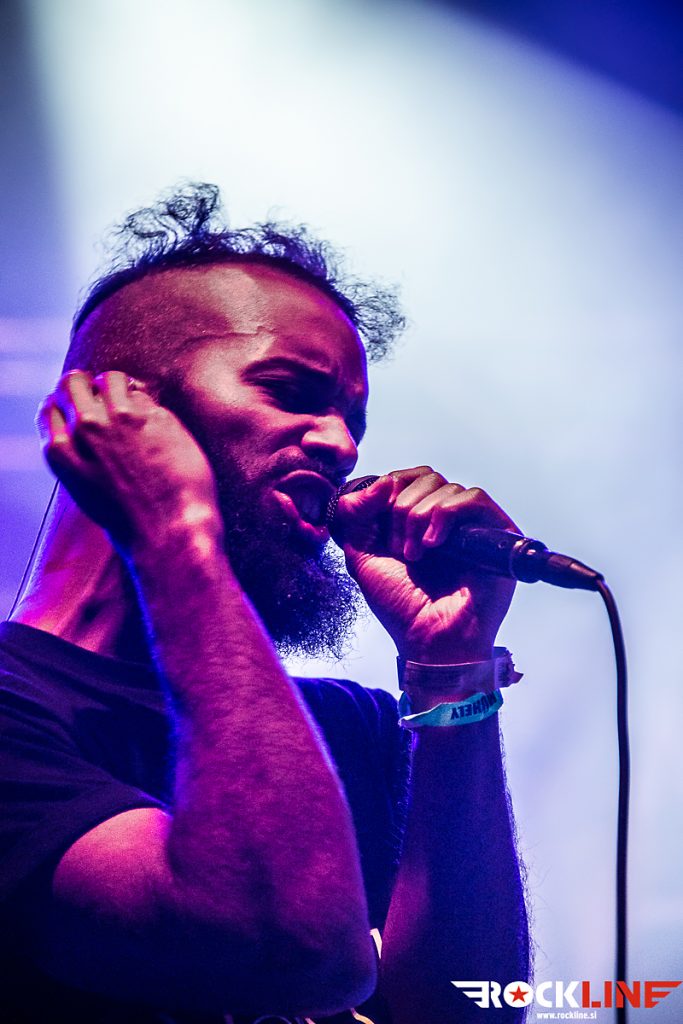
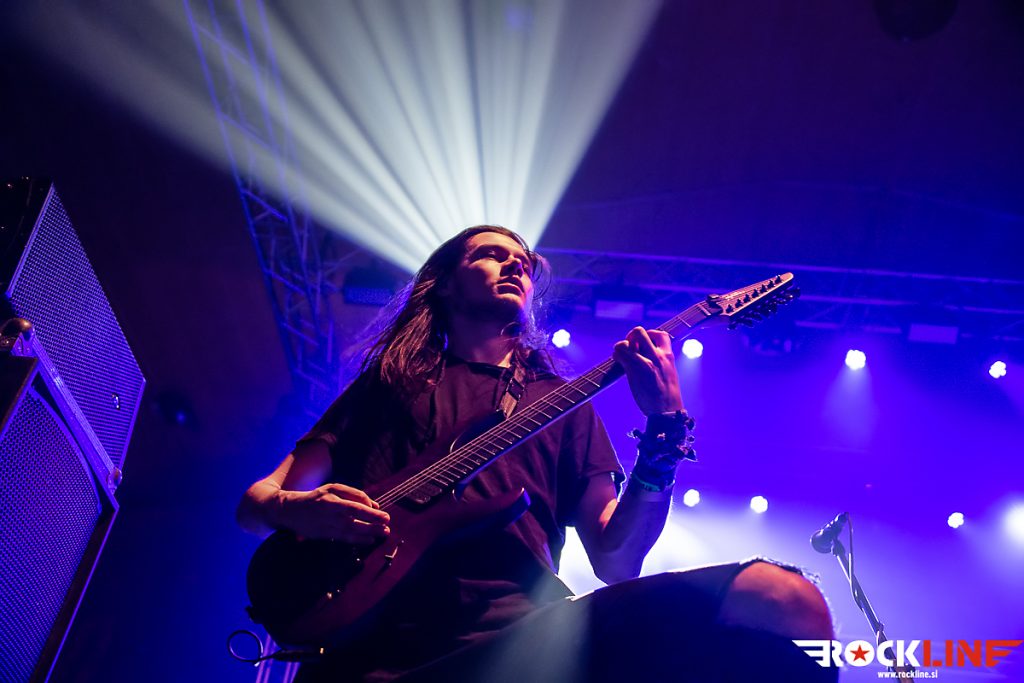
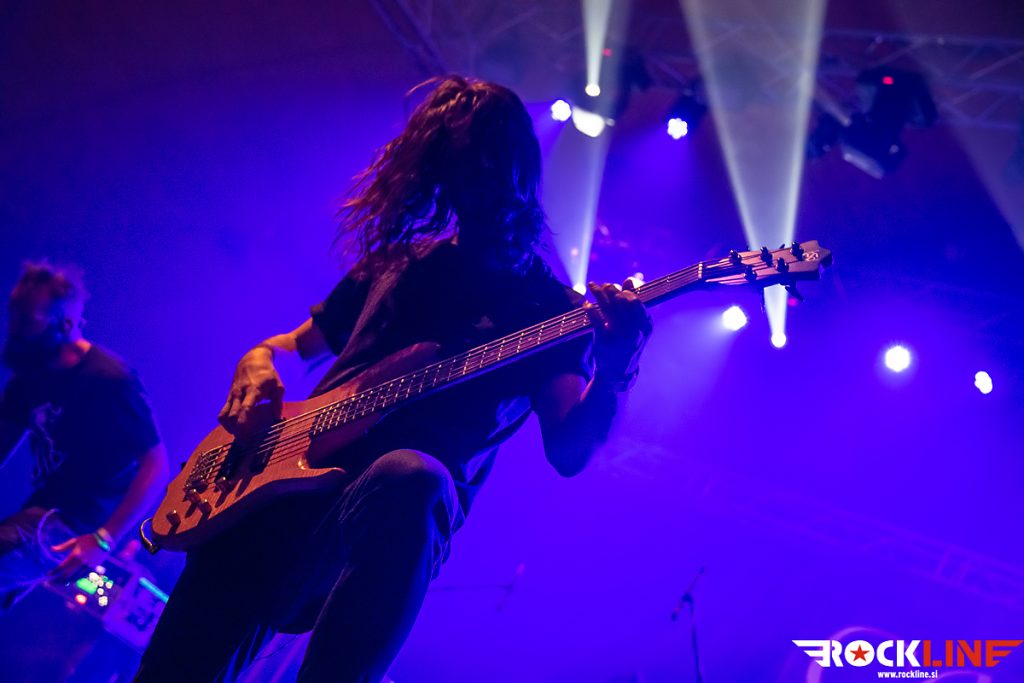
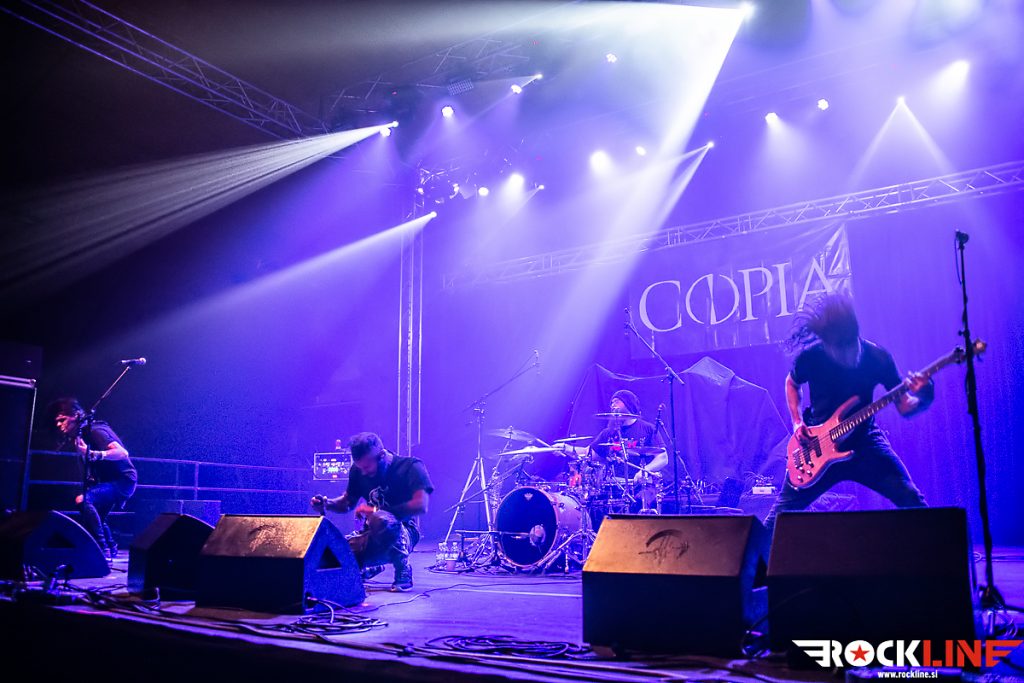
One day left, six more acts to go. The bill featured some familiar names alongside a few trying to break out of the underground — among the latter were Australian Copia. The band has two albums out and describes itself as alternative metal — whatever that means these days. You could certainly hear metalcore, groove metal, and nu-metal influences in the mix. The set was energetic despite a near-empty hall, but the band didn’t offer anything particularly innovative to generate real interest. Then again, plenty of bands have been through that baptism of playing to a handful of people, so there’s still hope for Copia.
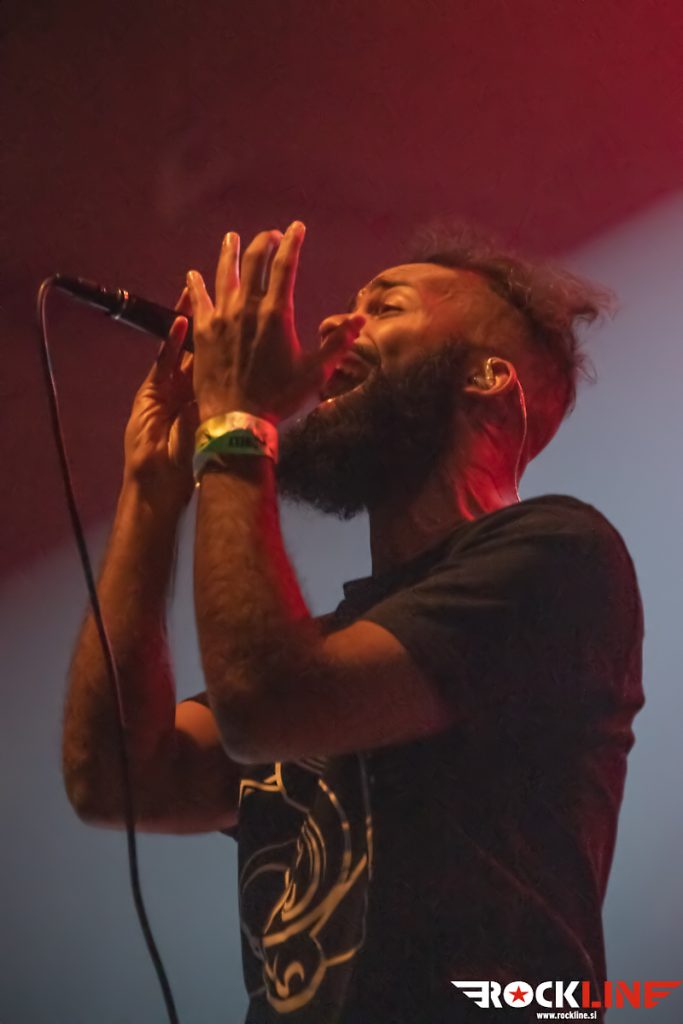
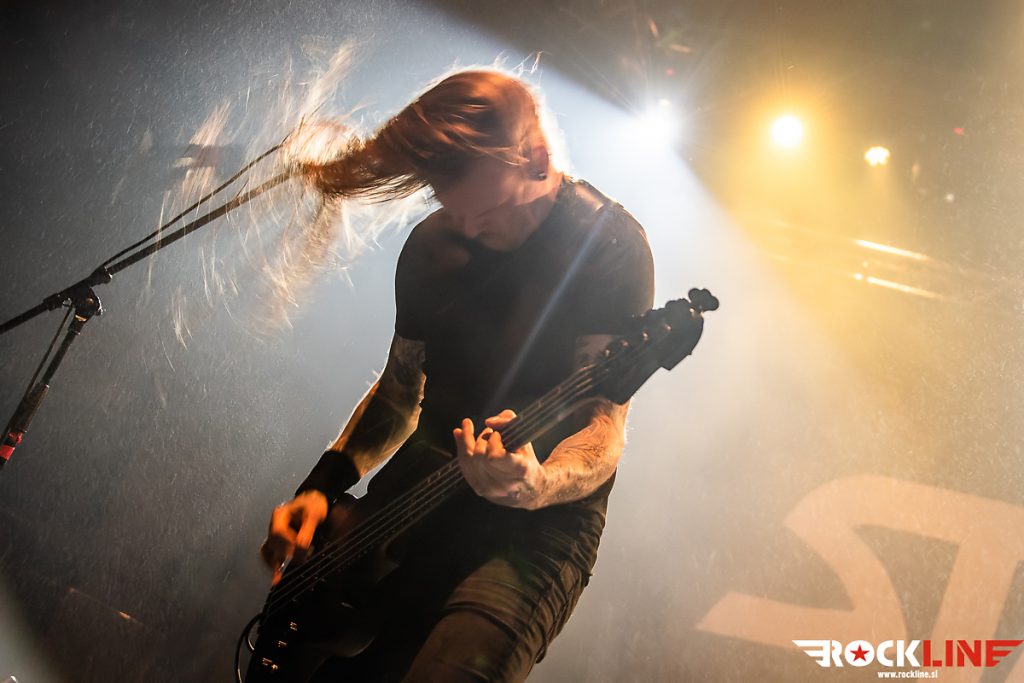
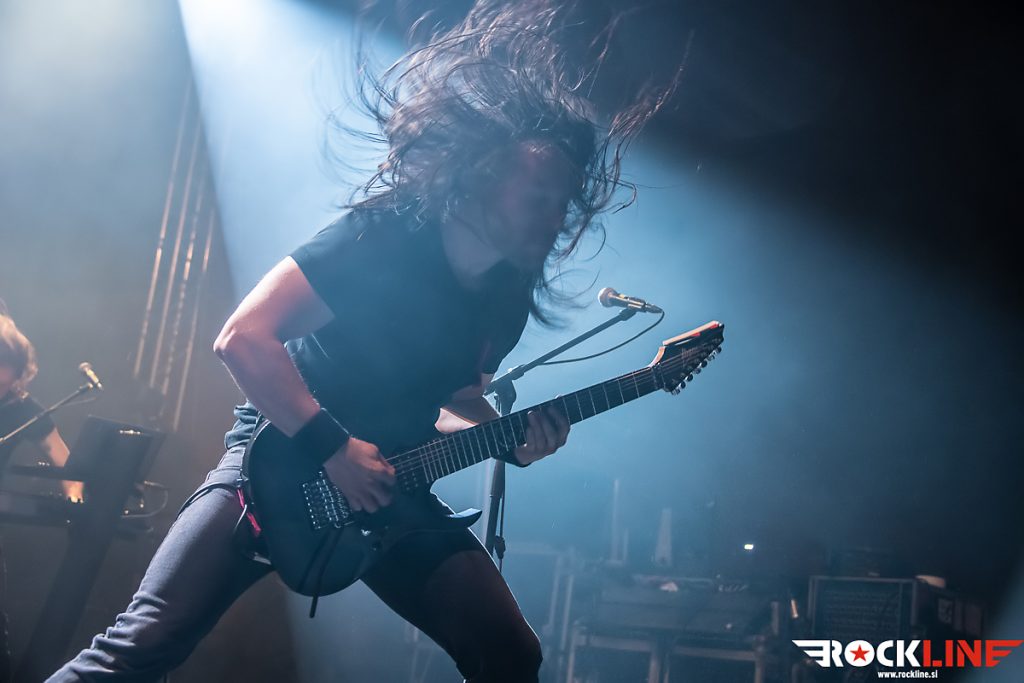
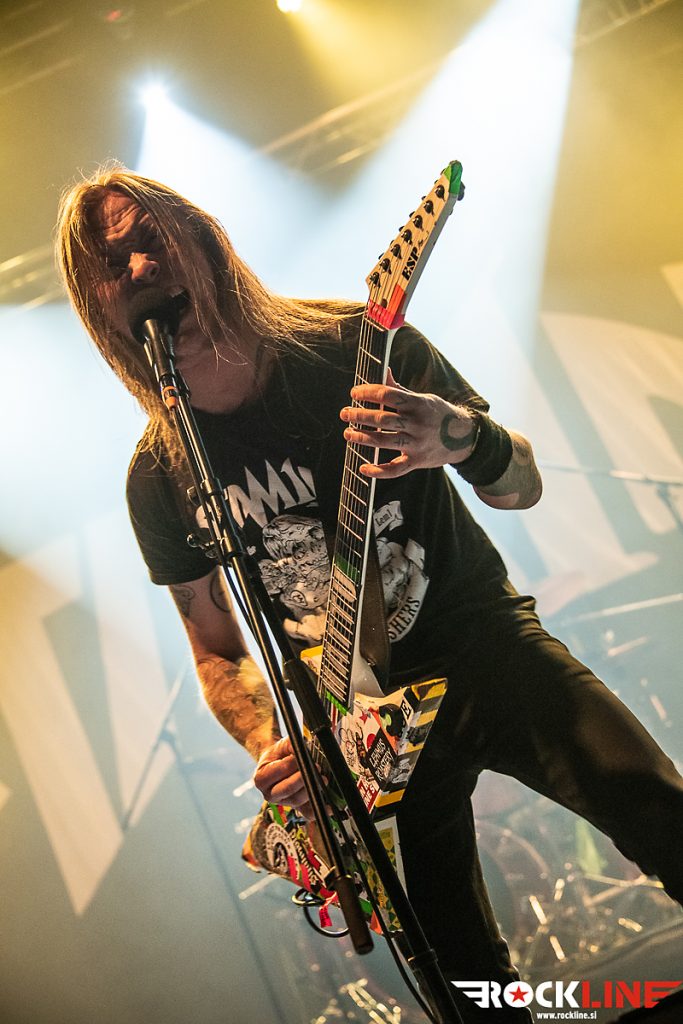
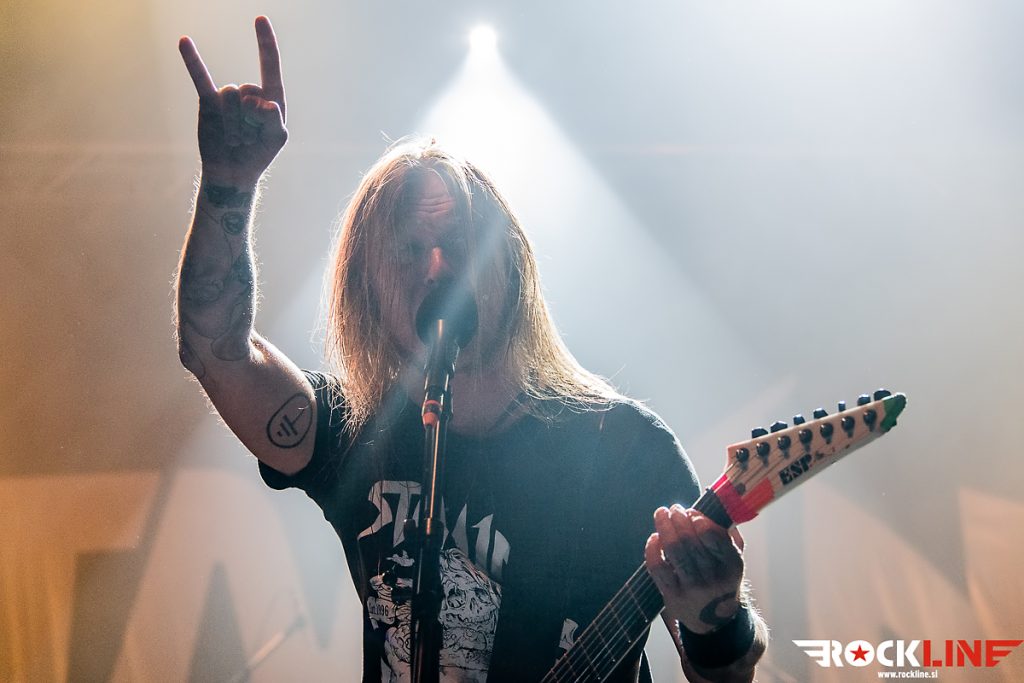
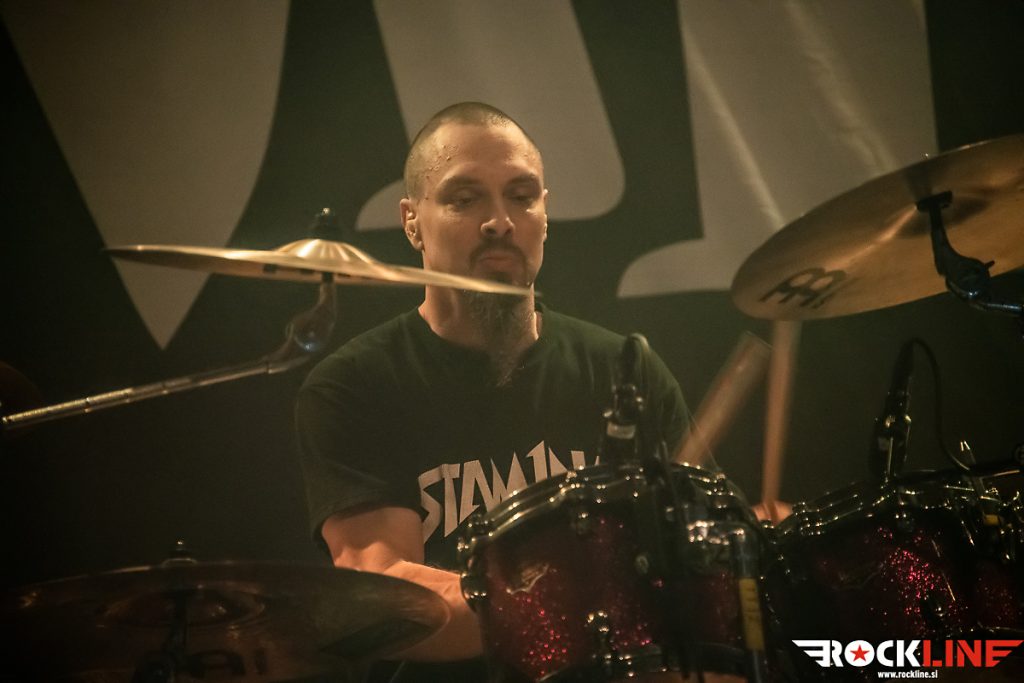
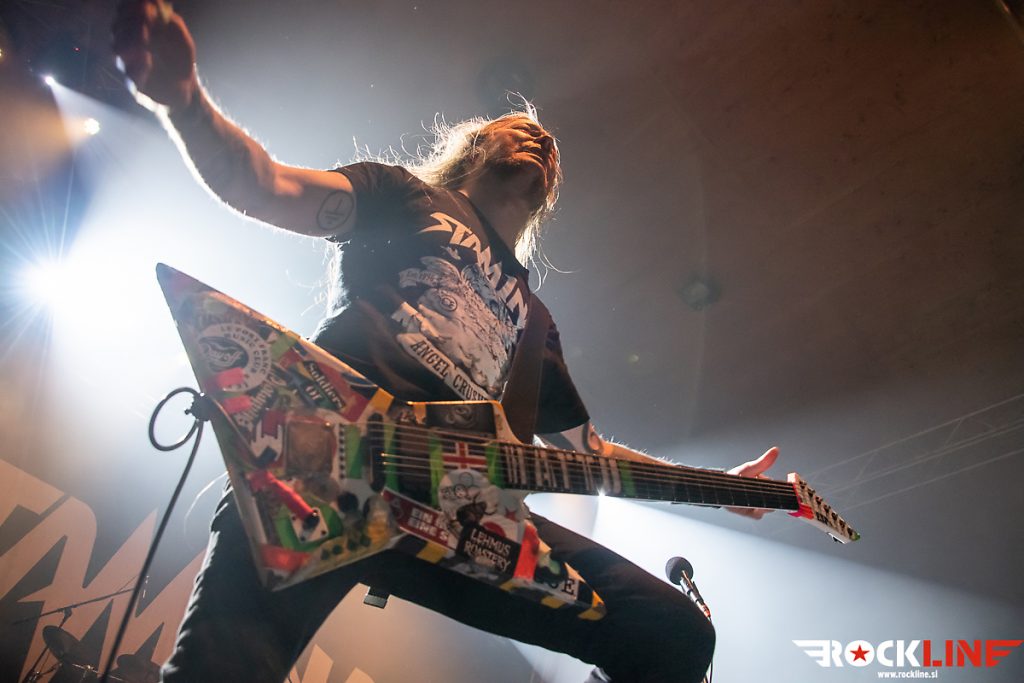
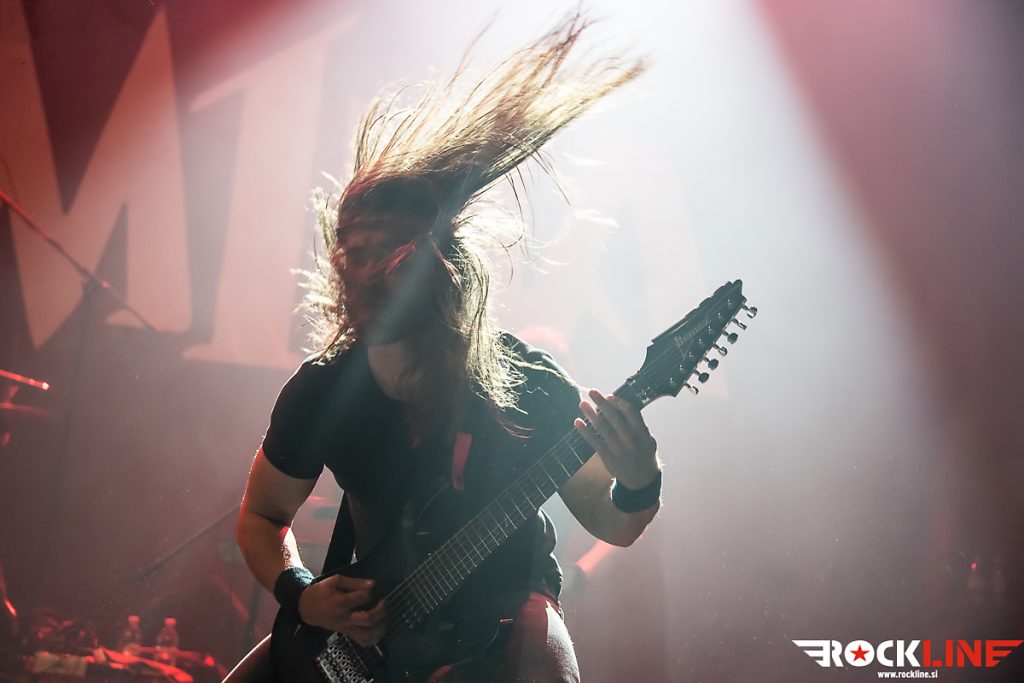
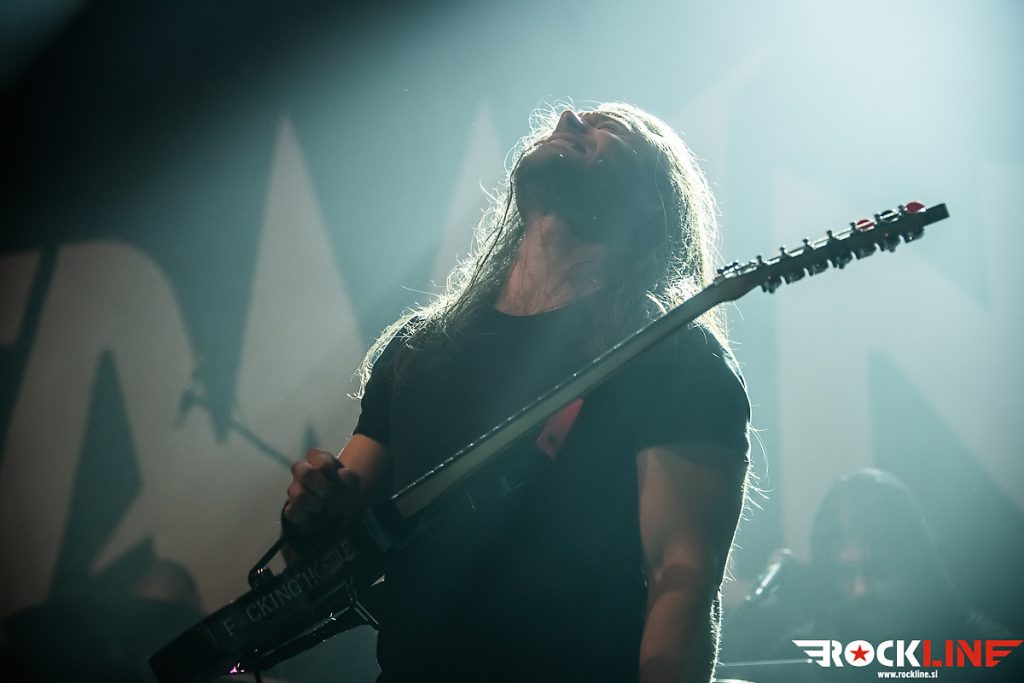
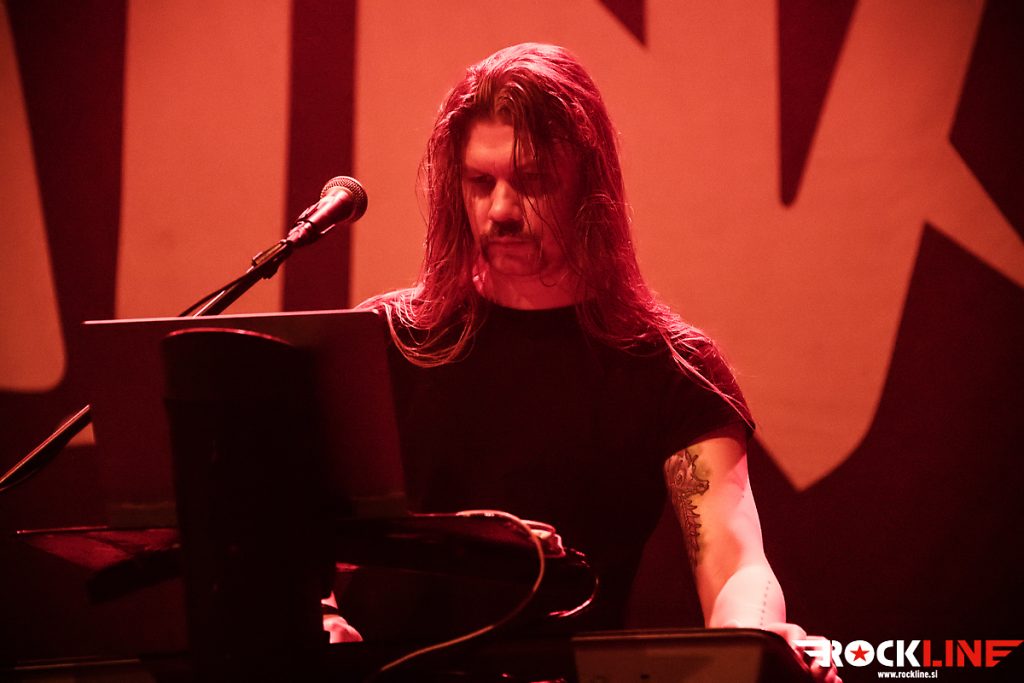
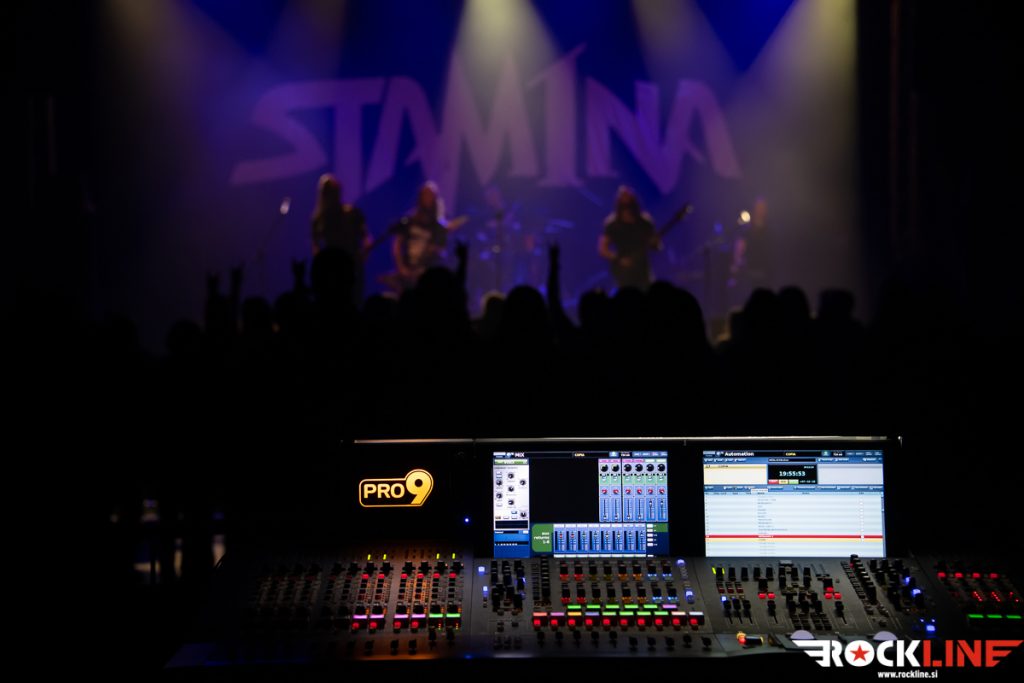
Finnish heavy/thrash metallers Stam1na shifted things up a gear, managing to pull in noticeably more people. Musically the Finns occasionally brought to mind their compatriots Children of Bodom, except Stam1na sing entirely in their native language — which is pretty unusual for the genre they play, and live it didn’t quite land; Finnish in thrash metal just sounds a bit awkward on stage. Can’t fault the guys too much though — the stage energy was confident, the performance was solid (the Finnish jokes less so), and we’ve sat through far worse openers.
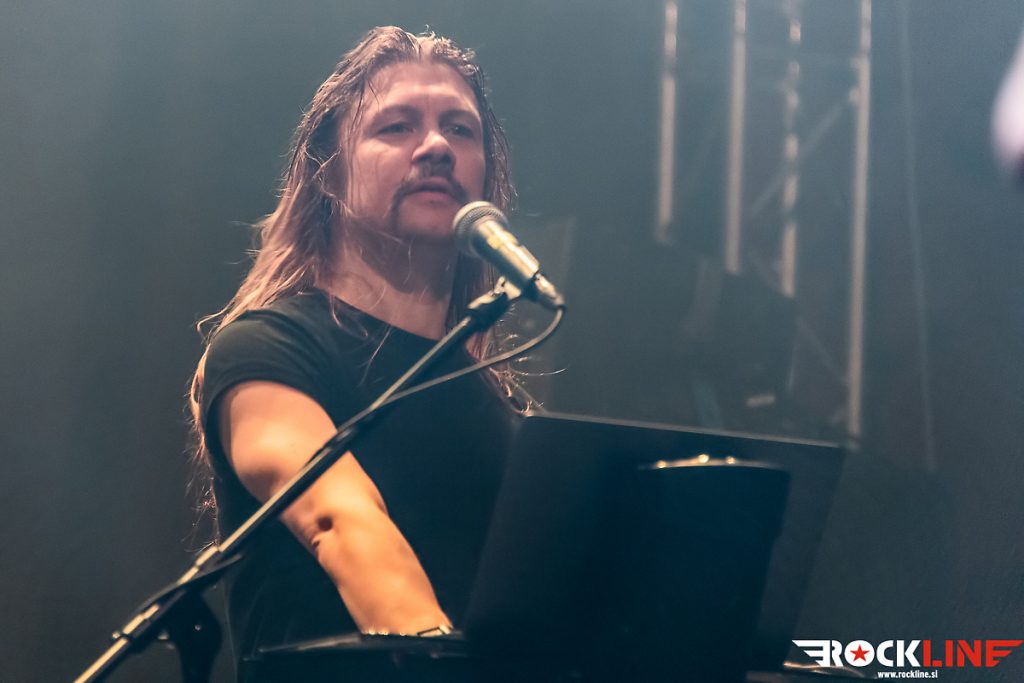
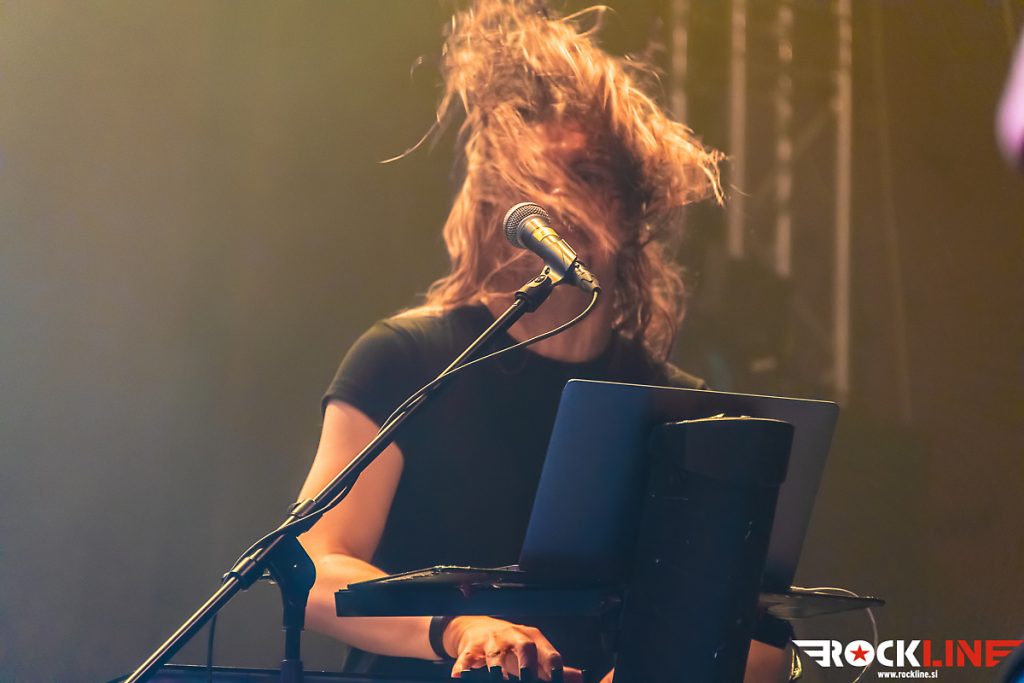
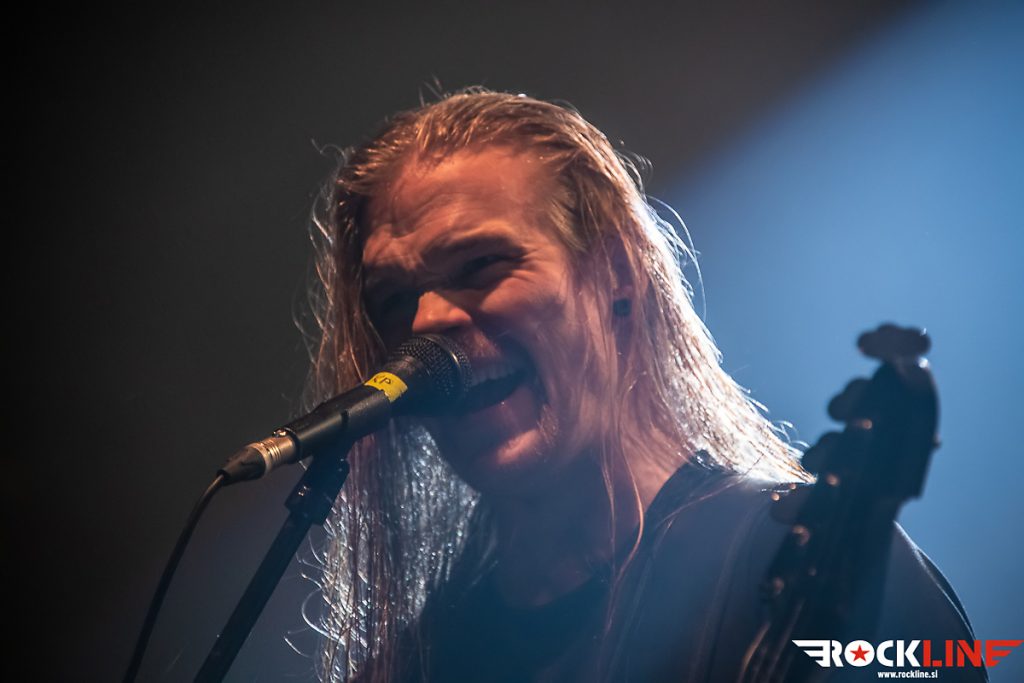
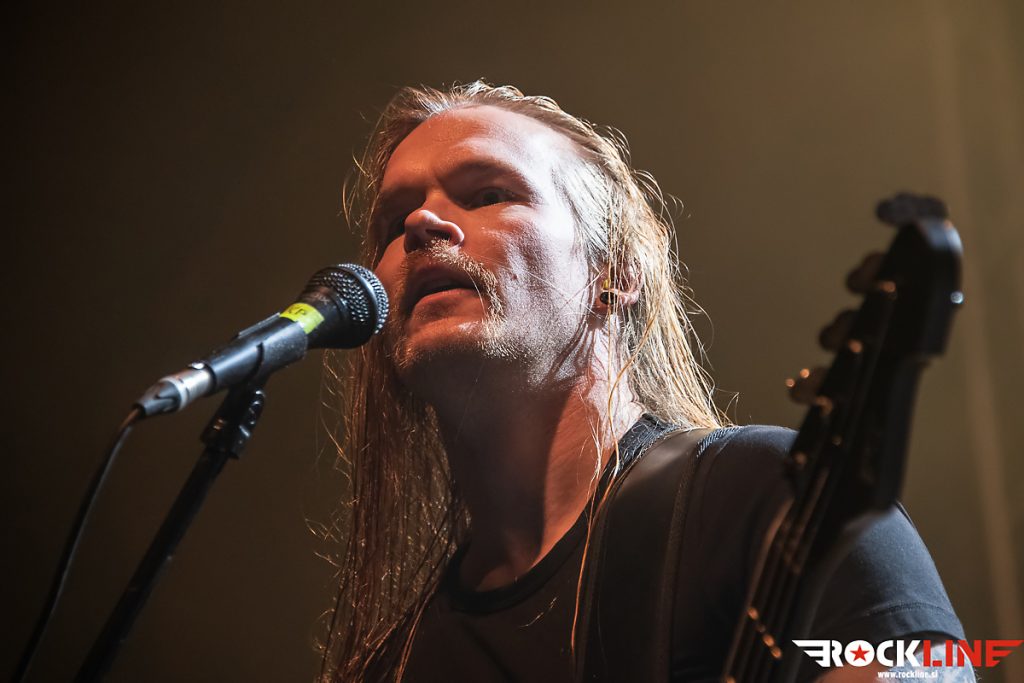
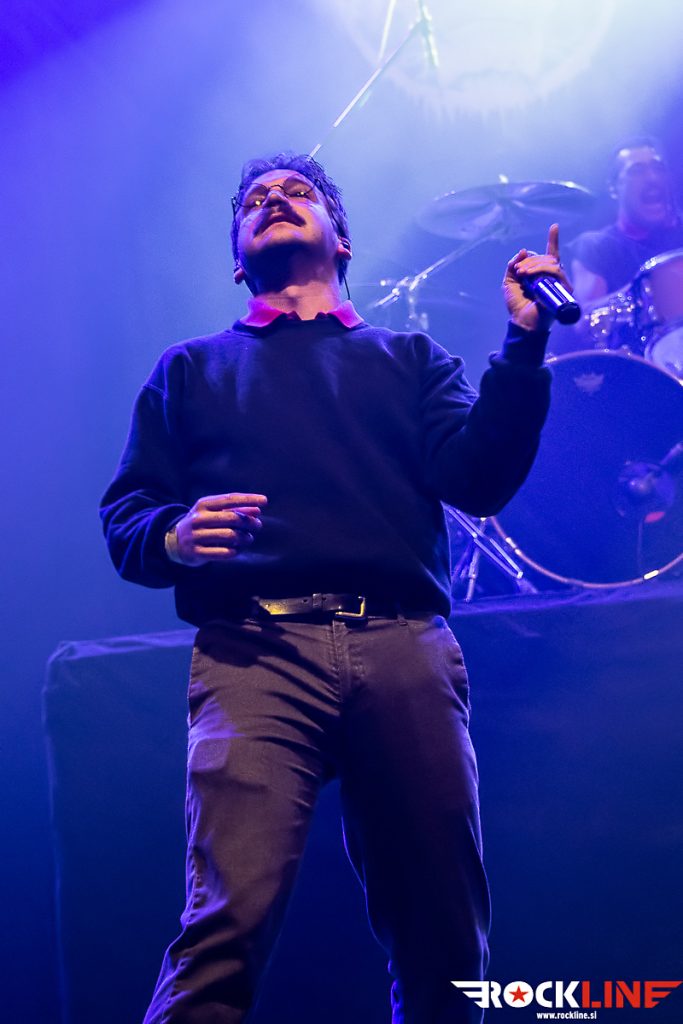
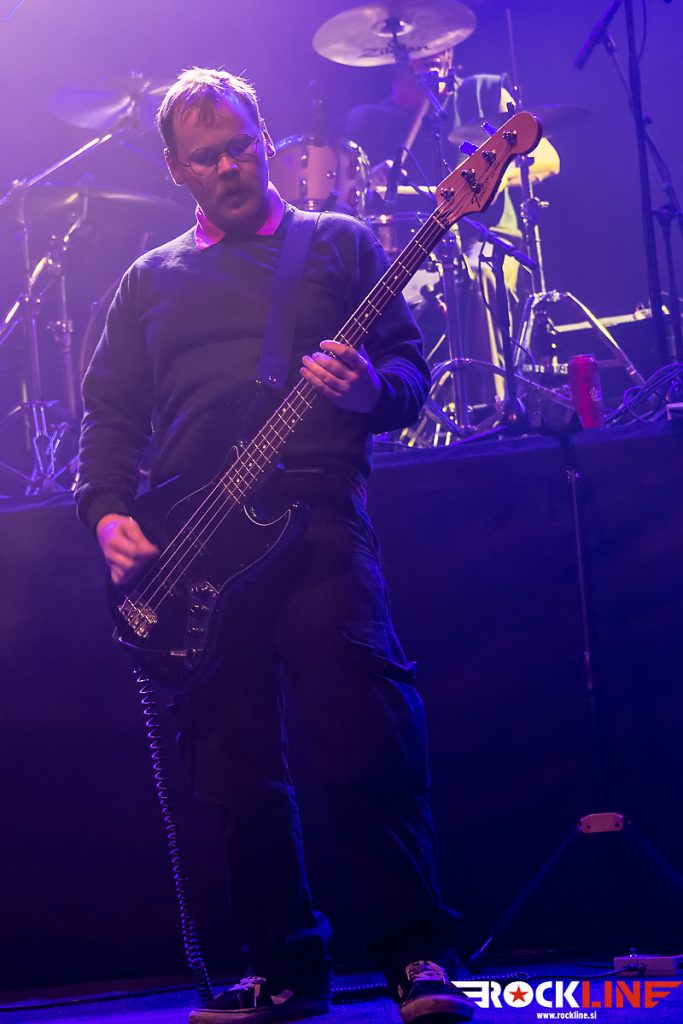
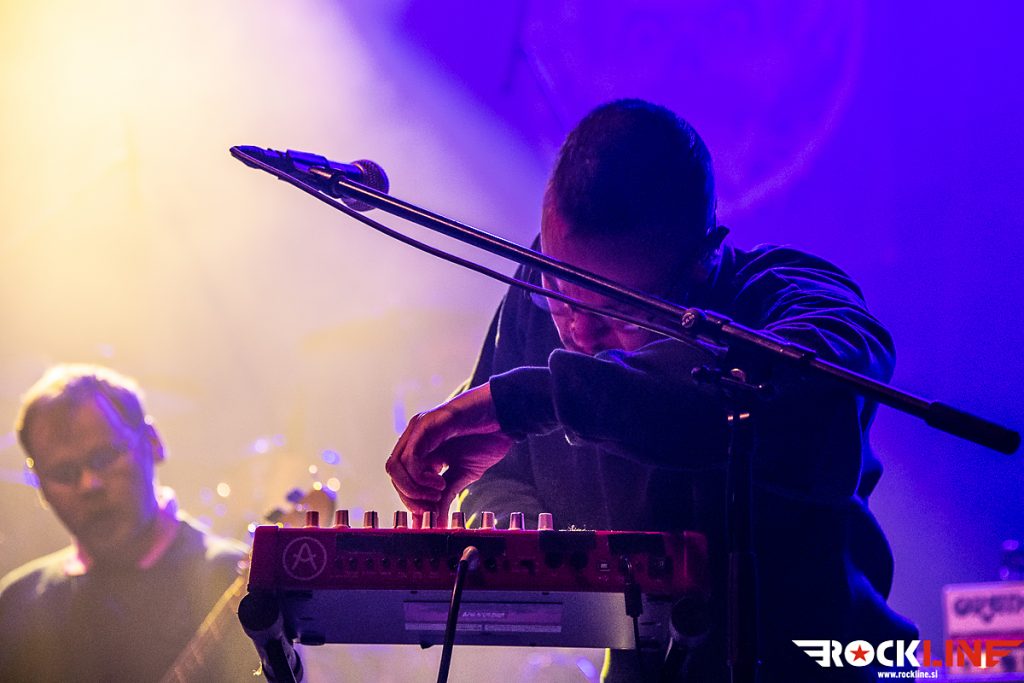
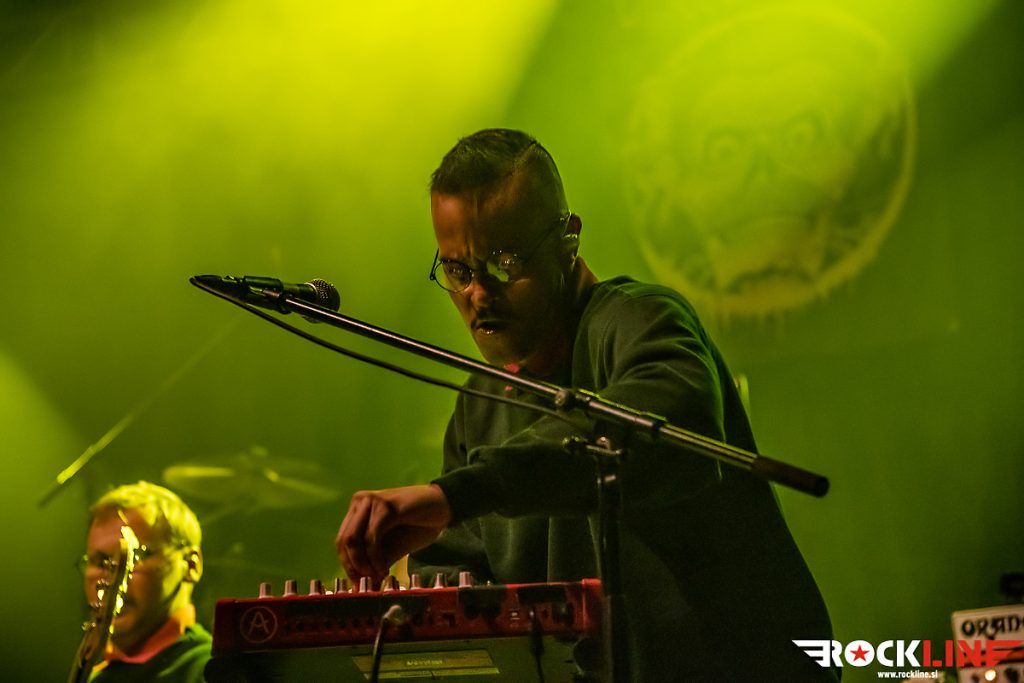
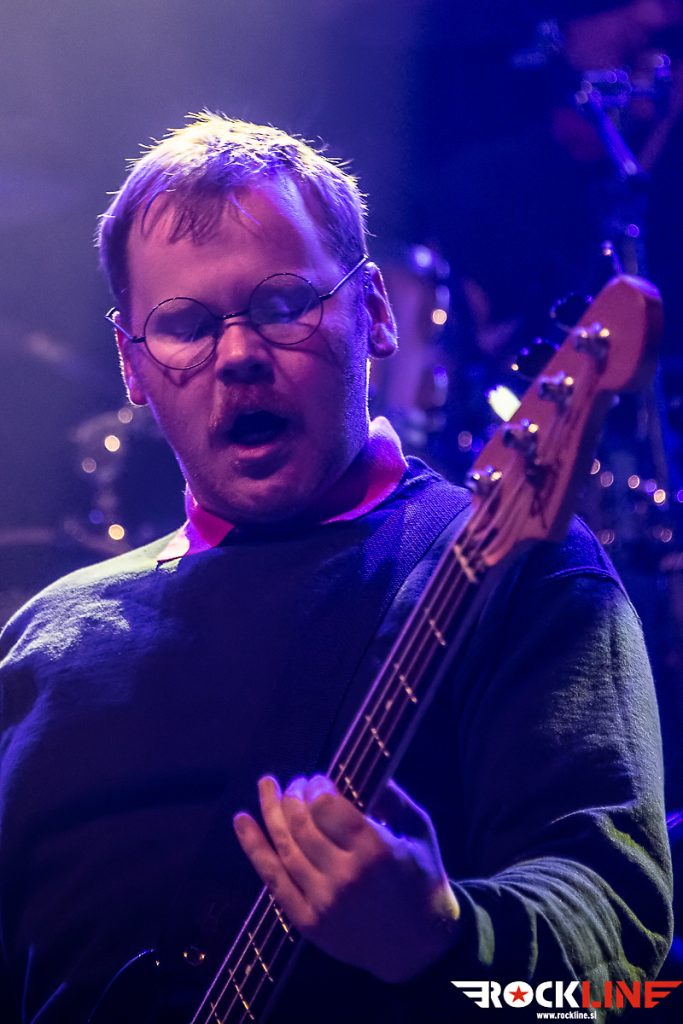
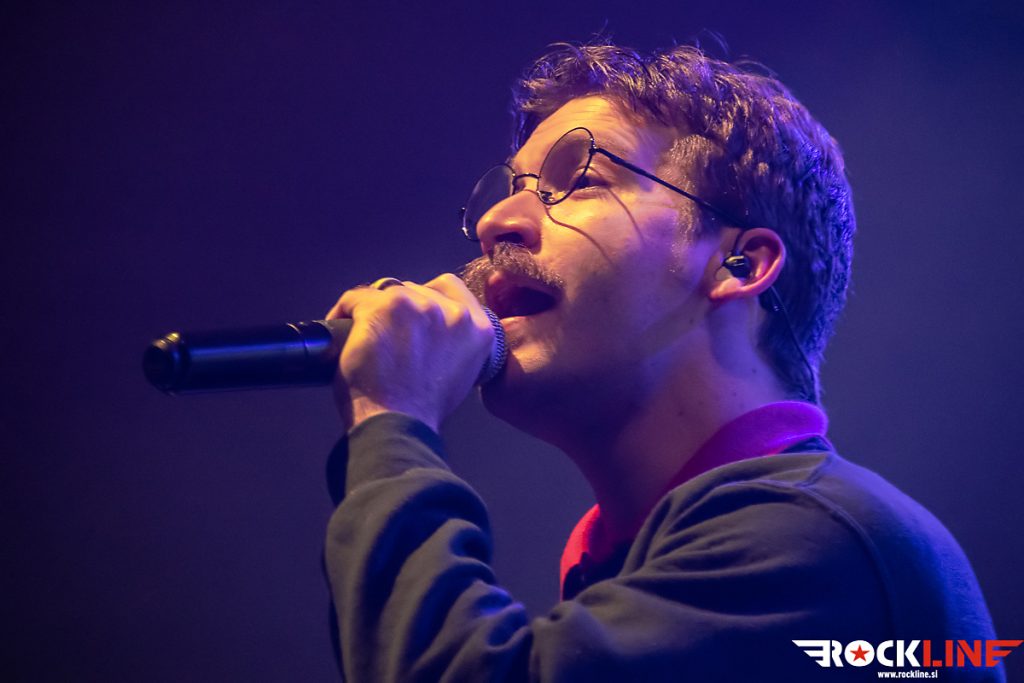
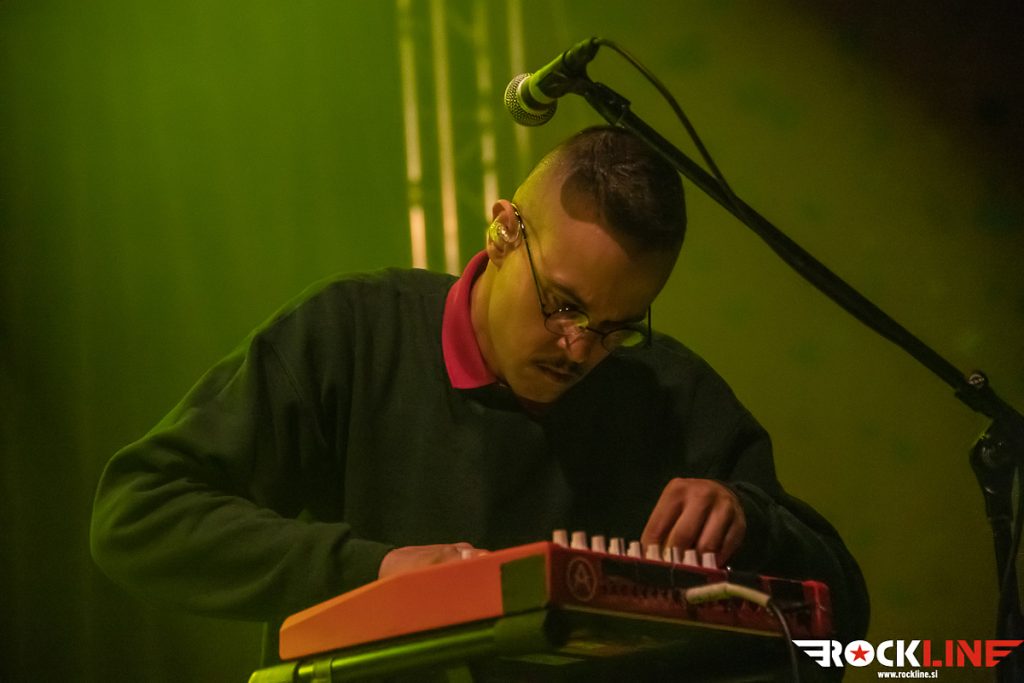
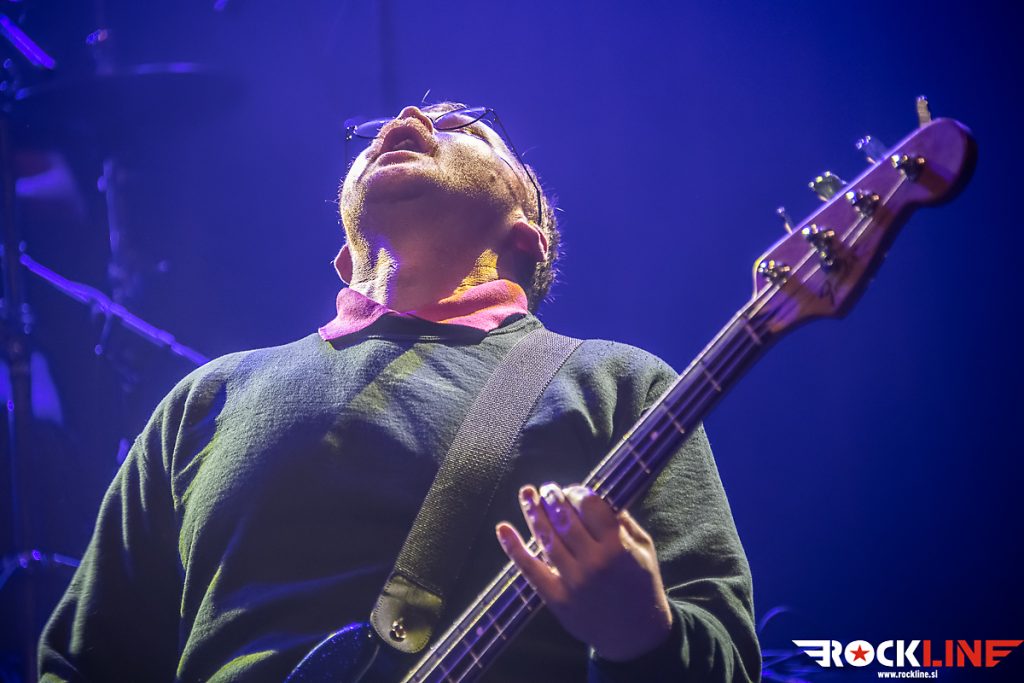
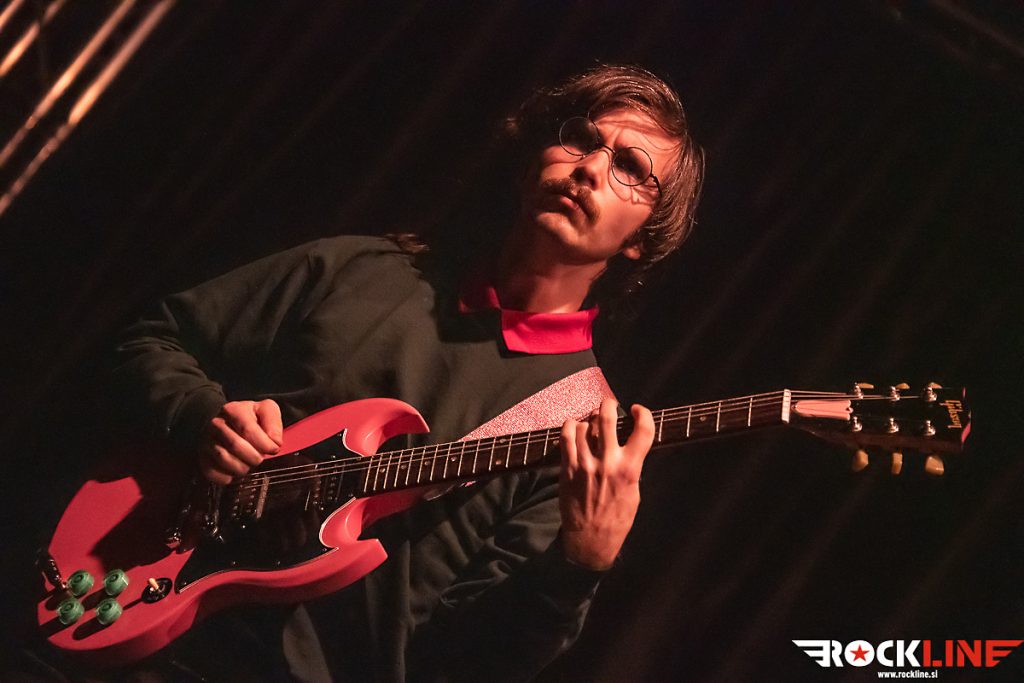
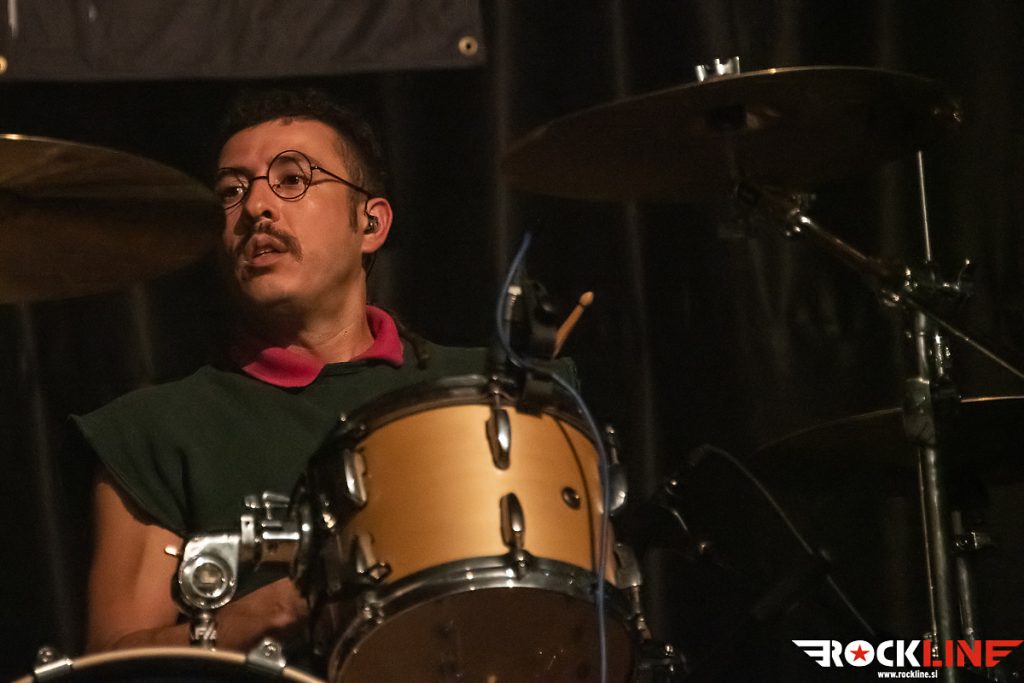
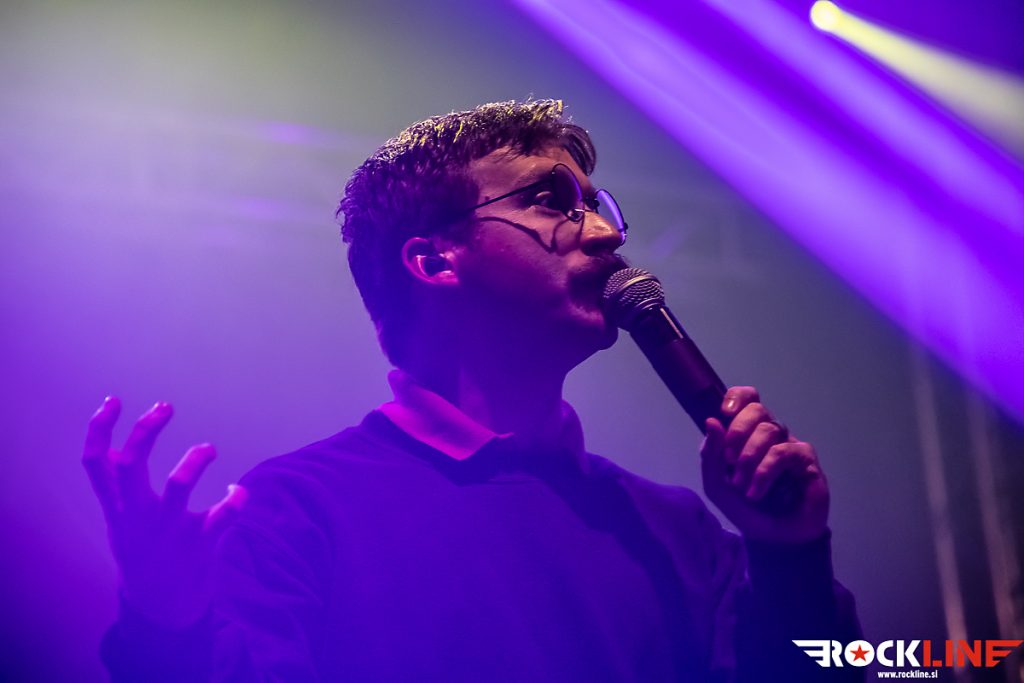
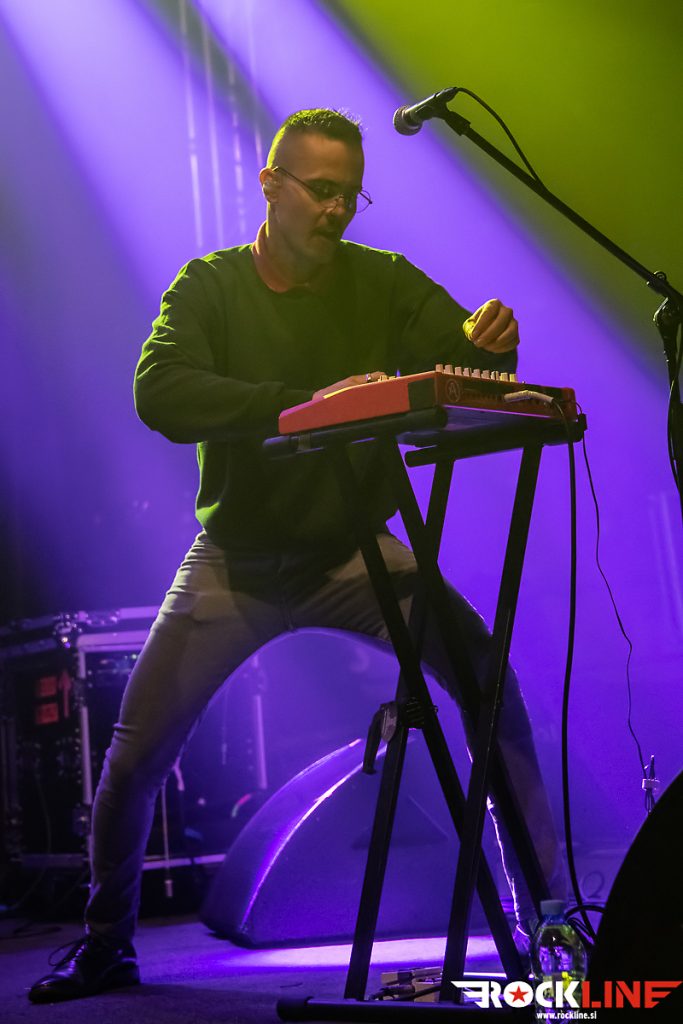
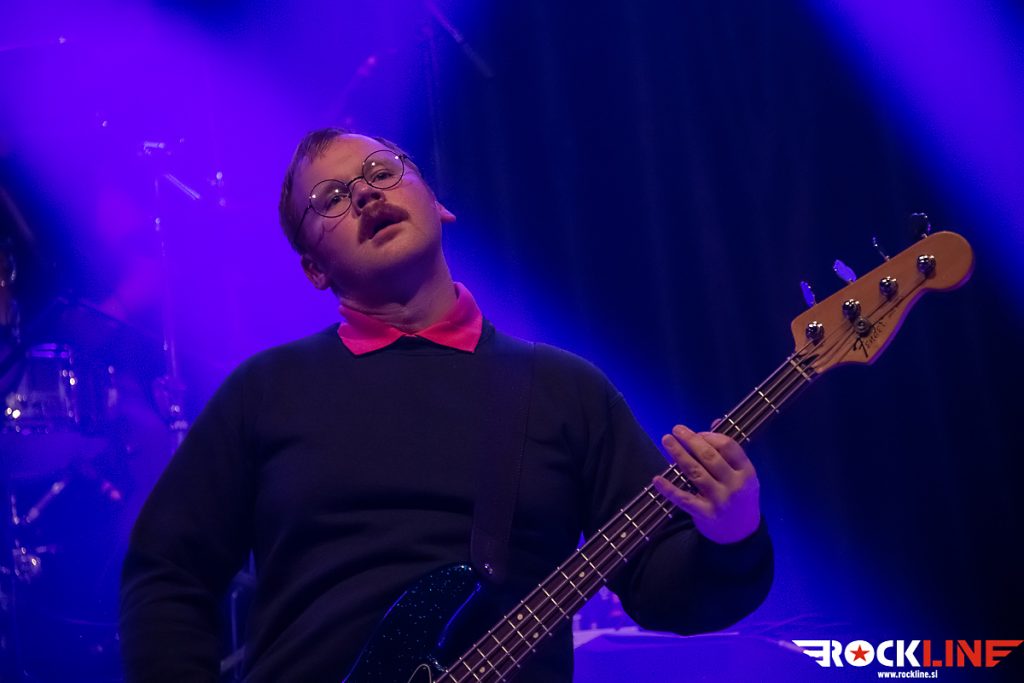
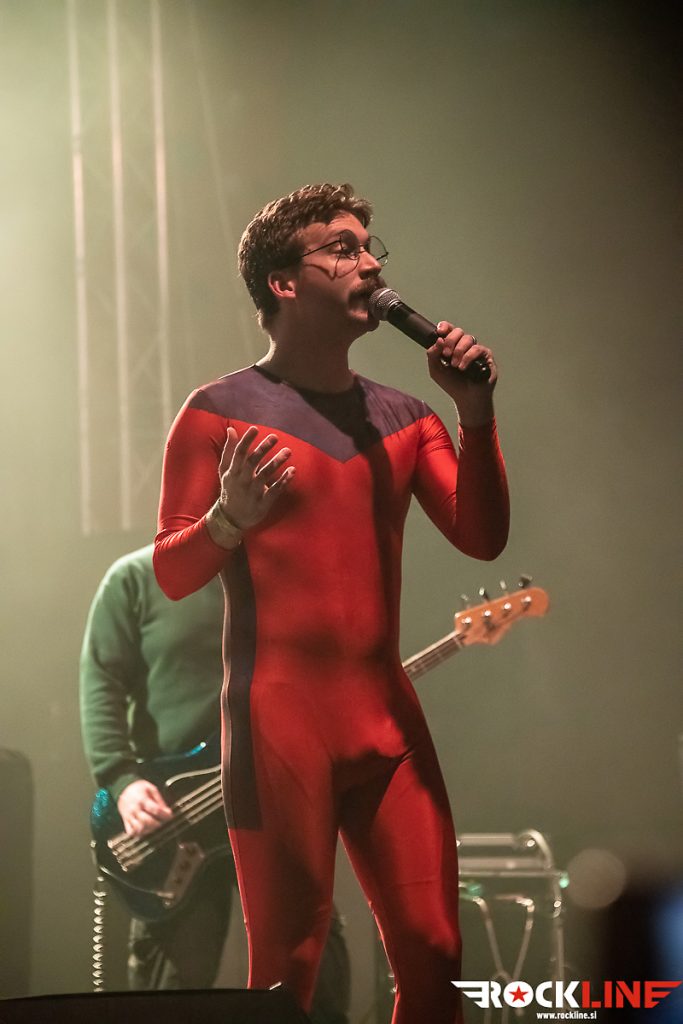
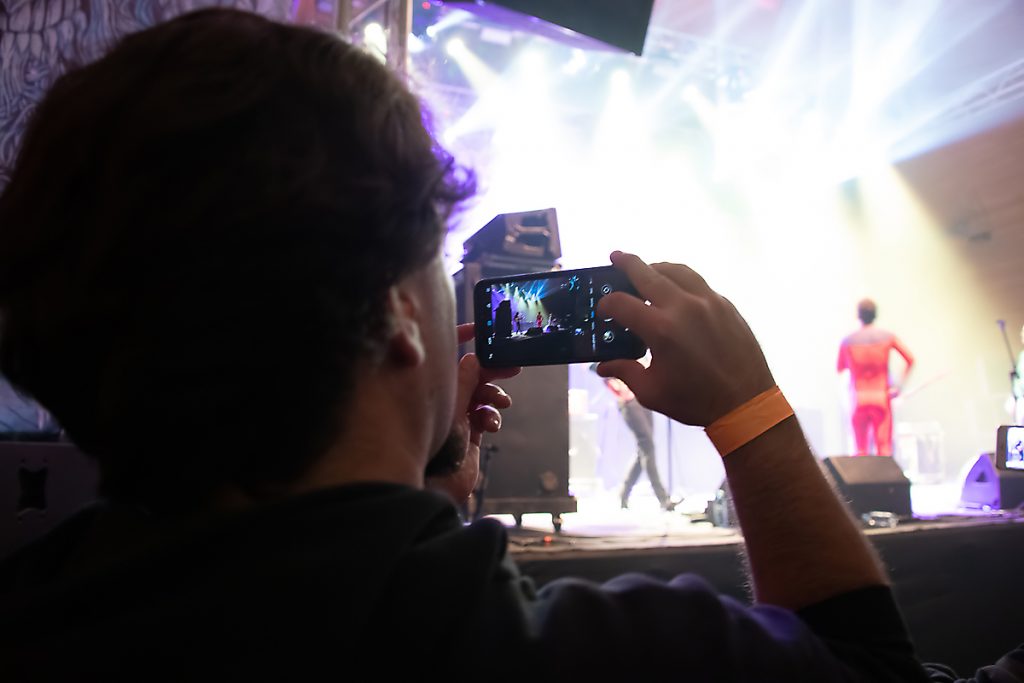
The next act on were a proper treat for fans of the legendary animated series The Simpsons. In Bohinjska Bistrica, American Okilly Dokilly were making their very first mainland European appearance, playing “Nedal.” Yeah, the name says it all for any fan of the show. Okilly Dokilly have fully committed to Ned Flanders as their character and muse — green woolly sweater, pink shirt, glasses, and moustache, the whole package. In a set barely over half an hour, Okilly Dokilly delivered the most entertaining performance of the festival, packed with nods to the show. Sitting somewhere between HC, punk, and metal, the band is led by “Head Ned,” who has perfected the Flanders character, told us he was delighted to be playing this “festarooni,” and addressed the crowd throughout as “neighbourinos.” Head Ned warned the crowd — who received the band very warmly — about the dangers of excessive kinetic energy (read: moshing), and told us not to be like audiences in the US, who in that regard are Shelbyville (Springfield’s hostile neighbouring town) times Shelbyville, and to pick up the neighbour who gets hit by too much kinetic energy. Okilly Dokilly continued their Reneducation by bringing out Homer’s symbol — a giant inflatable pink doughnut — and demanding the crowd destroy it. When Head Ned announced they were getting pretty thirsty up on stage, it was clearly time for the band’s biggest hit, inspired by the infamous Phil Anselmo incident — White Wine Spritzer — and Okilly Dokilly signed off with Nothing At All. Mid-set, Head Ned changed into a skin-tight onesie, inspired by the episode where Ned Flanders wears just such a ski jumpsuit, to Homer’s great horror. The Reneducation was a resounding success. Doodily.
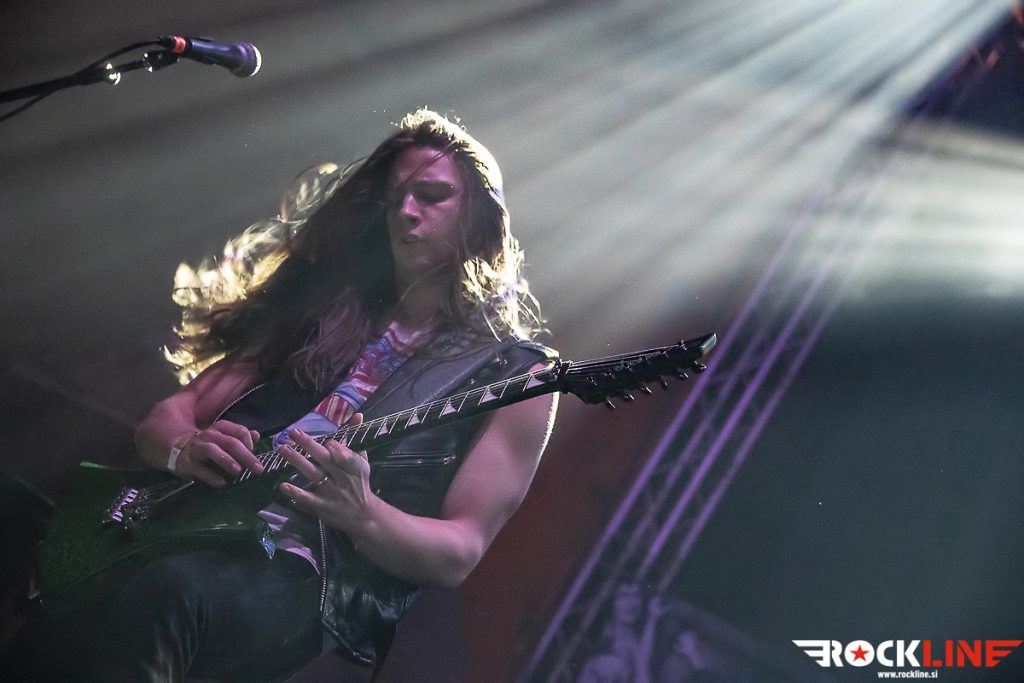
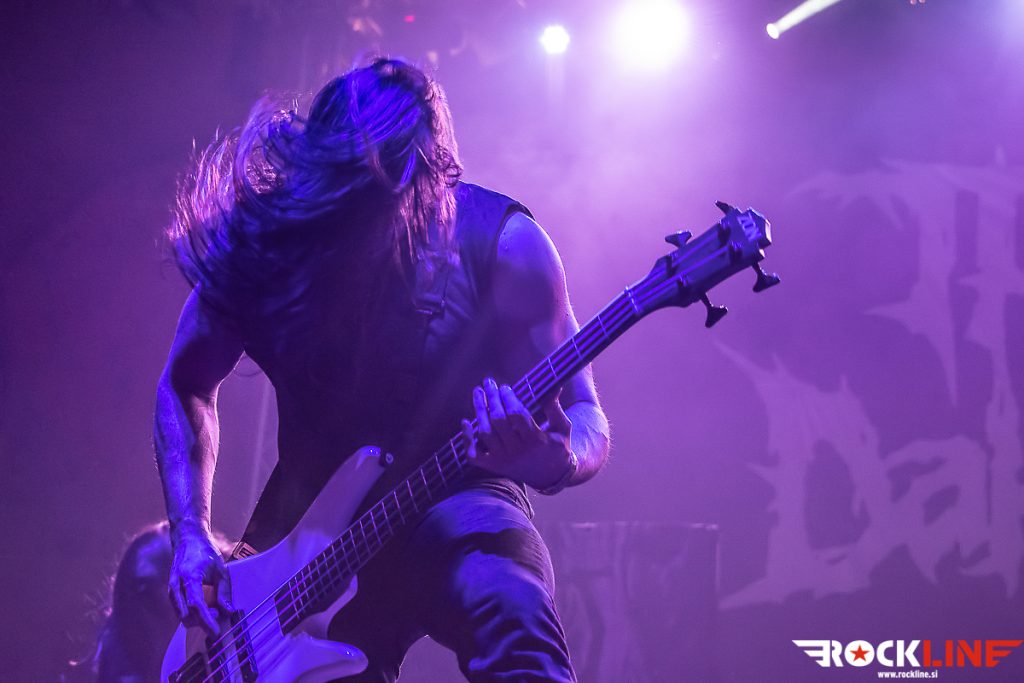
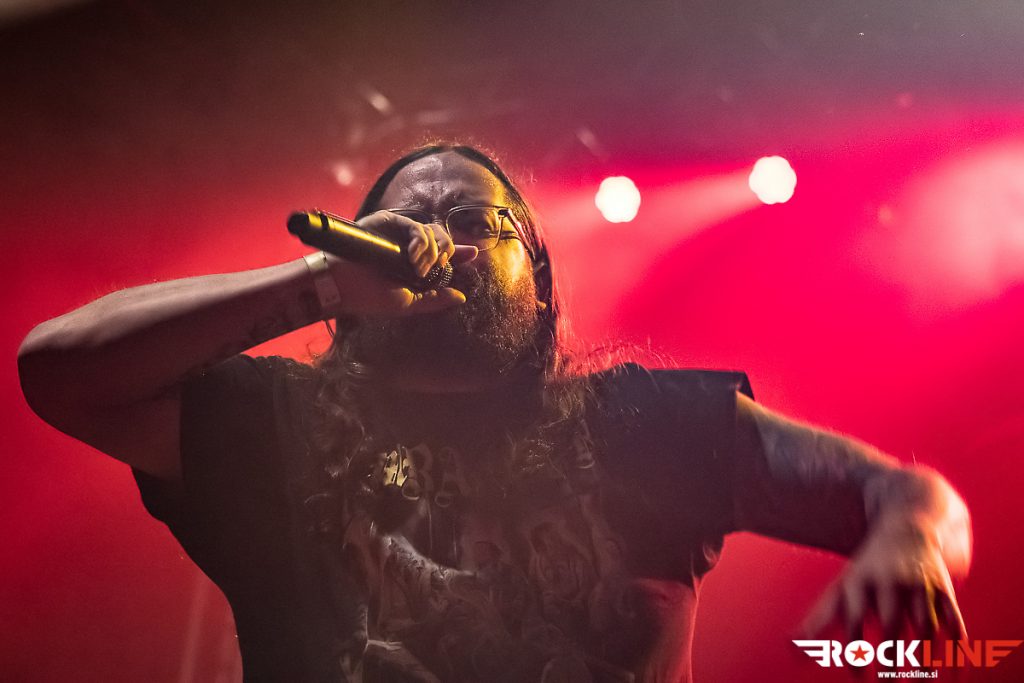
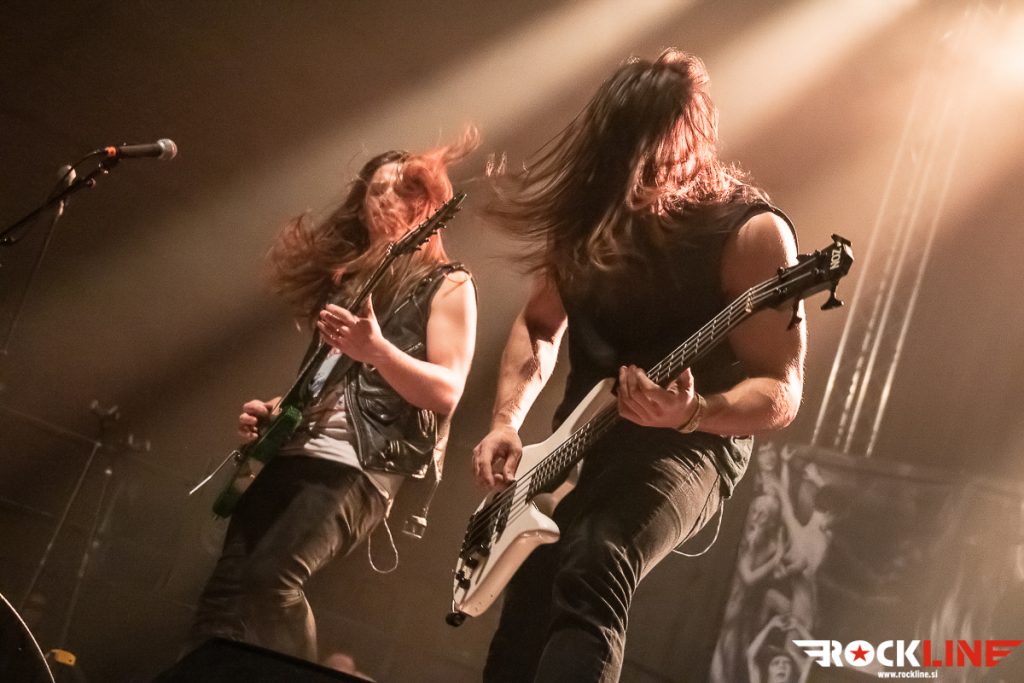
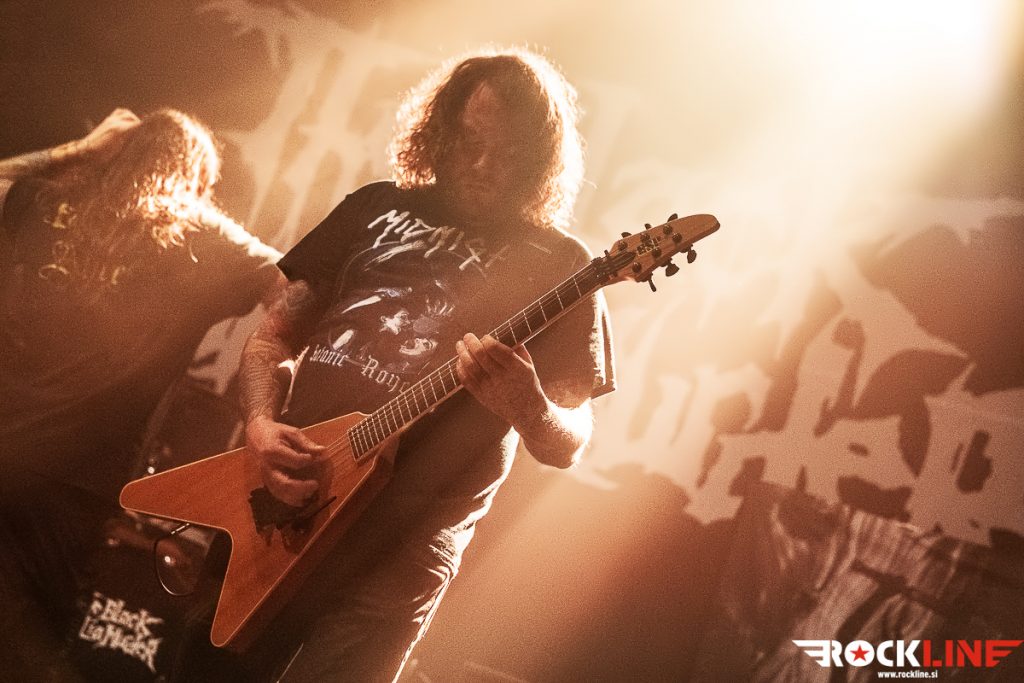
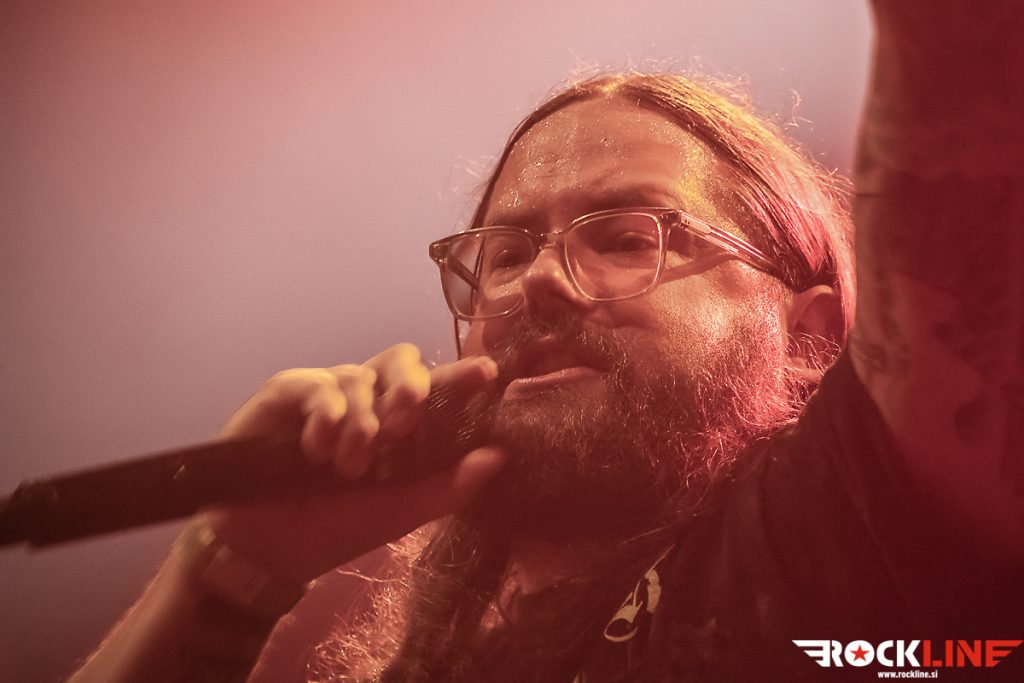
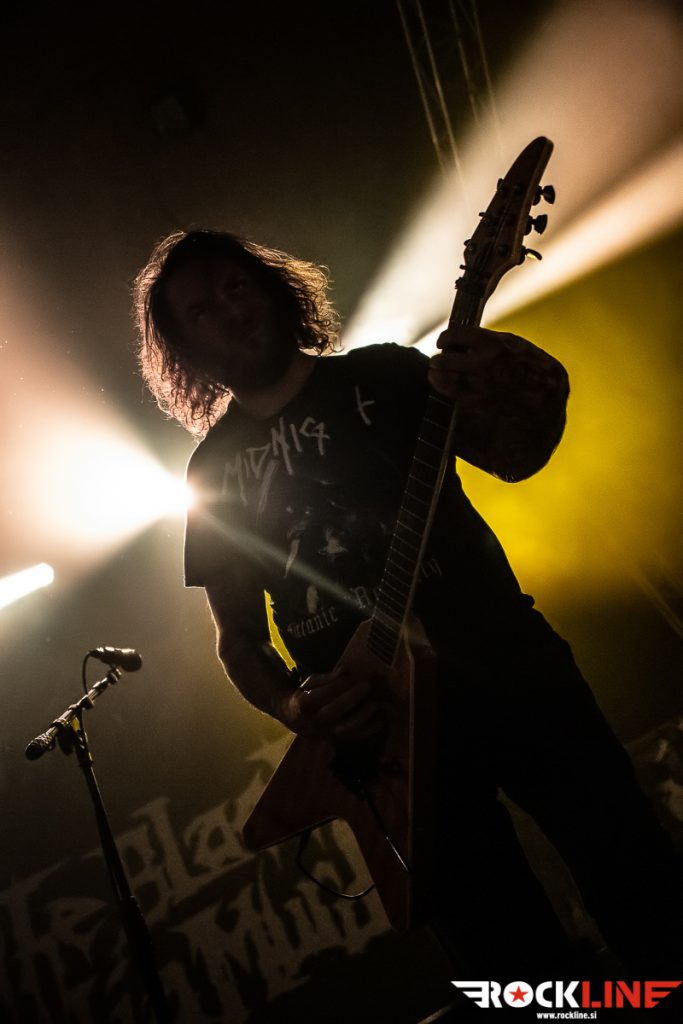
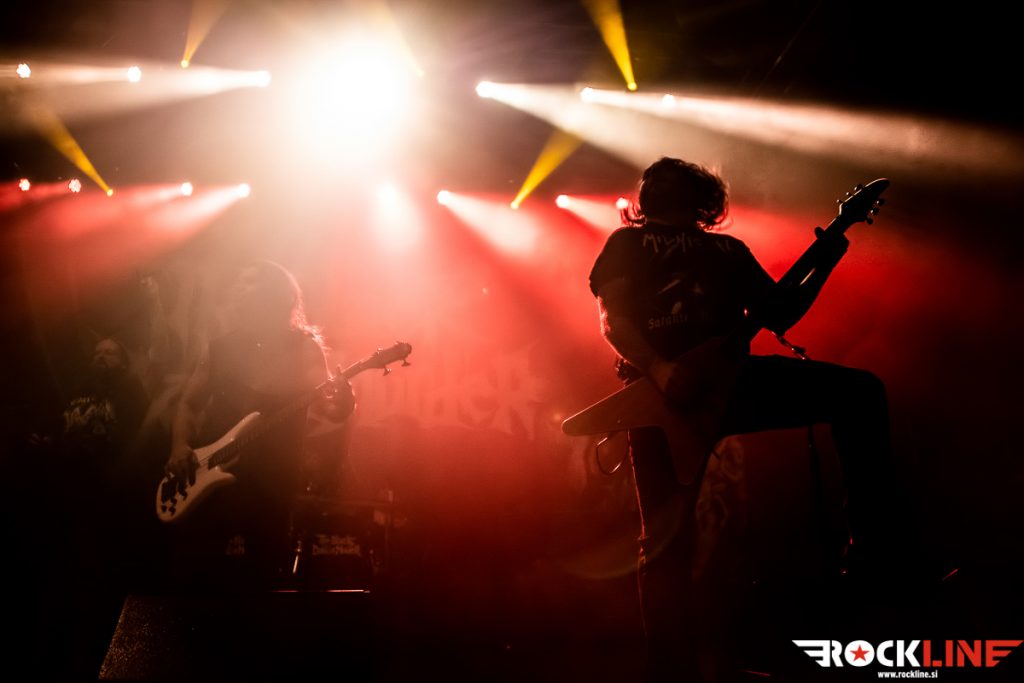
Okilly Dokilly had put the room in a great mood, which the next act had to keep going. Back came the Detroit quintet The Black Dahlia Murder. Some outlets have dubbed them the new Cannibal Corpse — the band puts out albums regularly and keeps the quality up. The years haven’t caught up with them. Their music is aggressive but melodic too. The setlist pulled from early albums as well — Unhallowed, Miasma, and Nocturnal. The latter is what lifted them out of the underground, and they played a surprising number of tracks from it. TBDM, making their fifth stop in Slovenia, delivered an hour of brutal and melodic material. The band still represents a solid blend of Swedish and American death metal. More importantly, they’re still tight and energetic enough to win over people who don’t know them. They haven’t changed all that much in the last decade either — a few more pounds and grey hairs, but instrumentally the band still breathes fire. And Trevor Strnad’s growling and especially his screaming vocals are holding up well. The only gripe is that they could’ve leaned a little less on Nightbringers, which came out over two years ago.
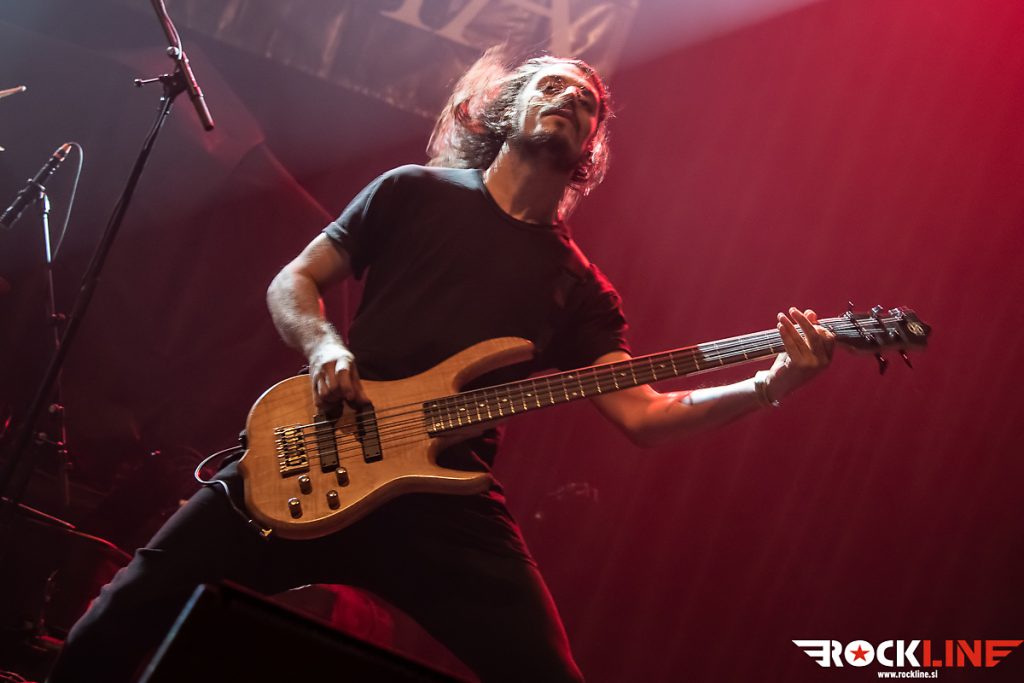
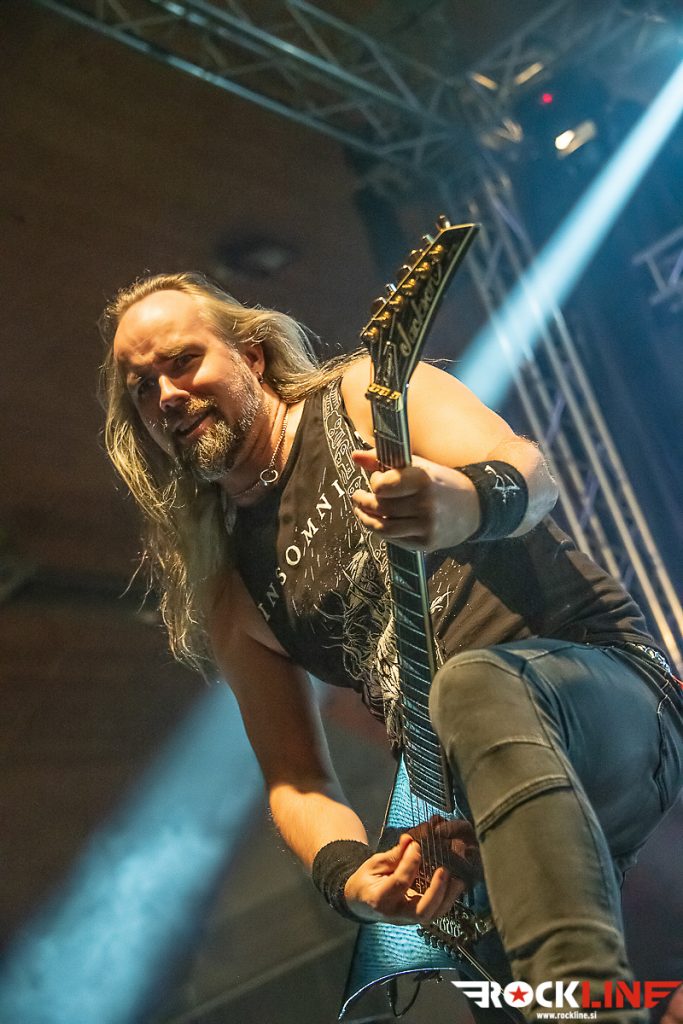
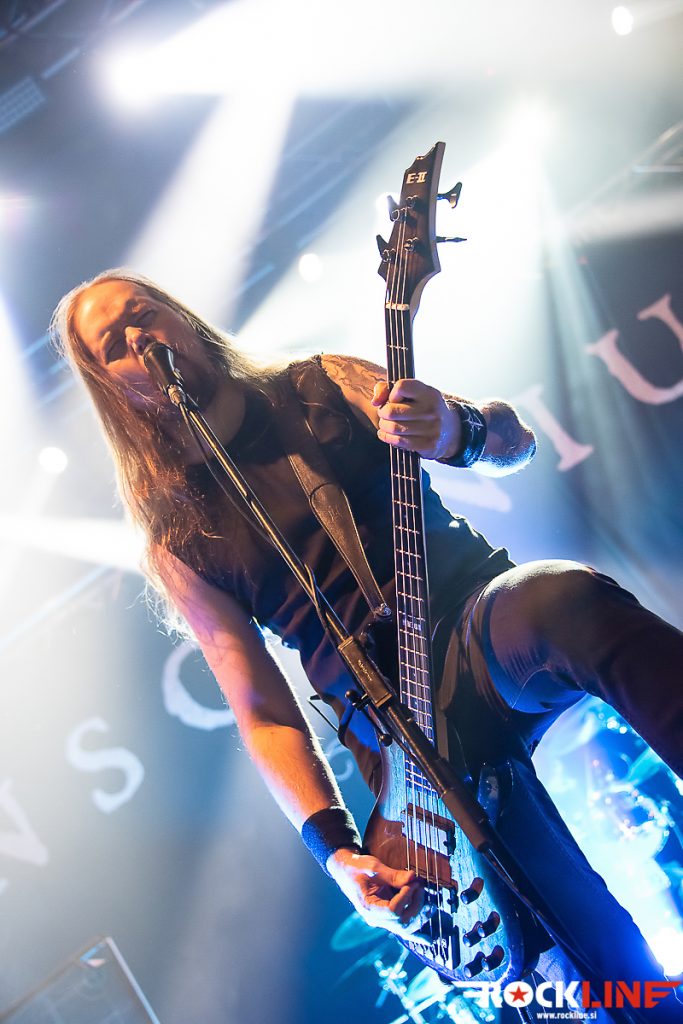
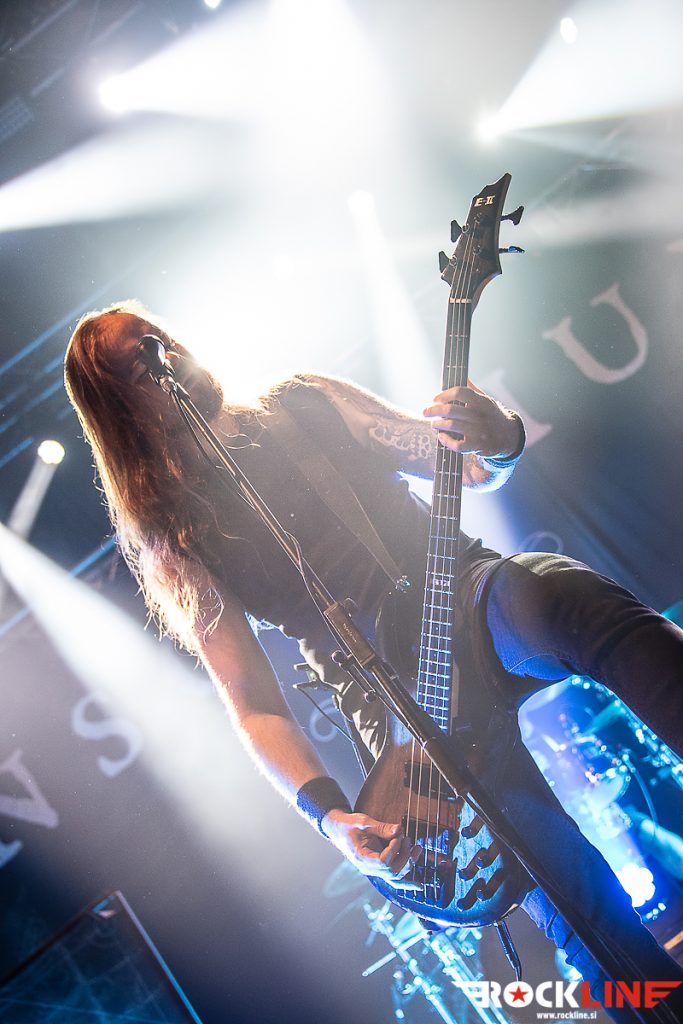
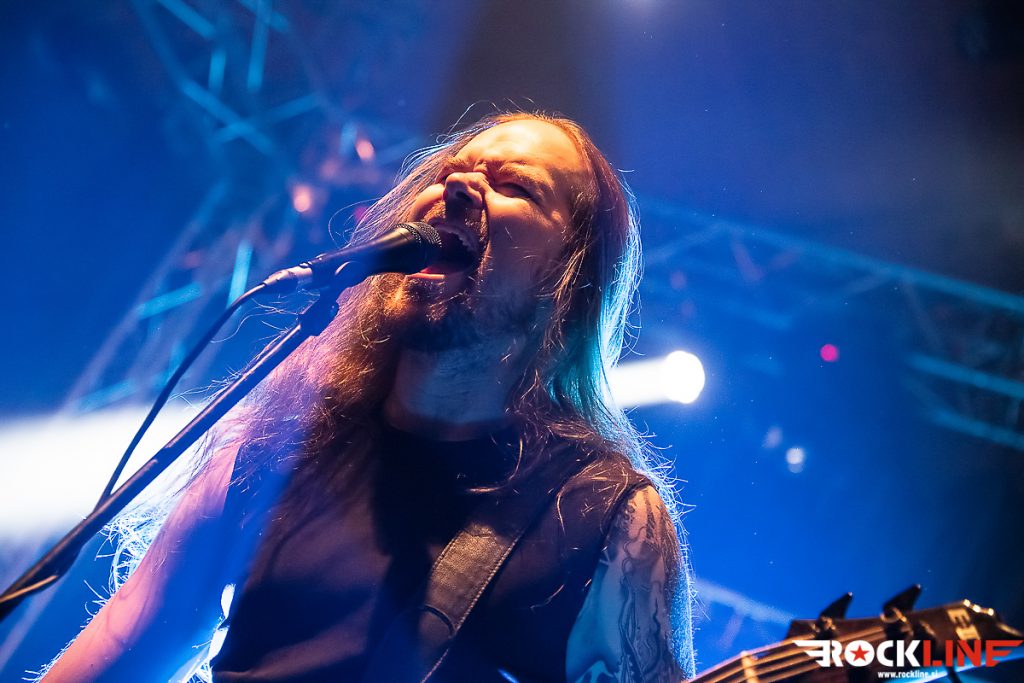
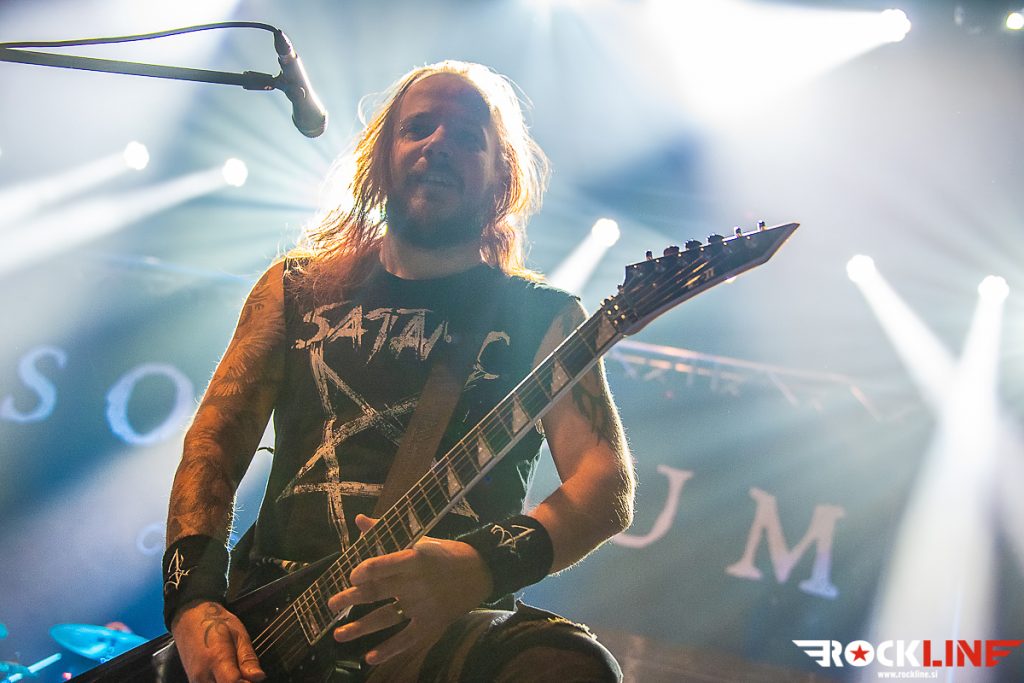
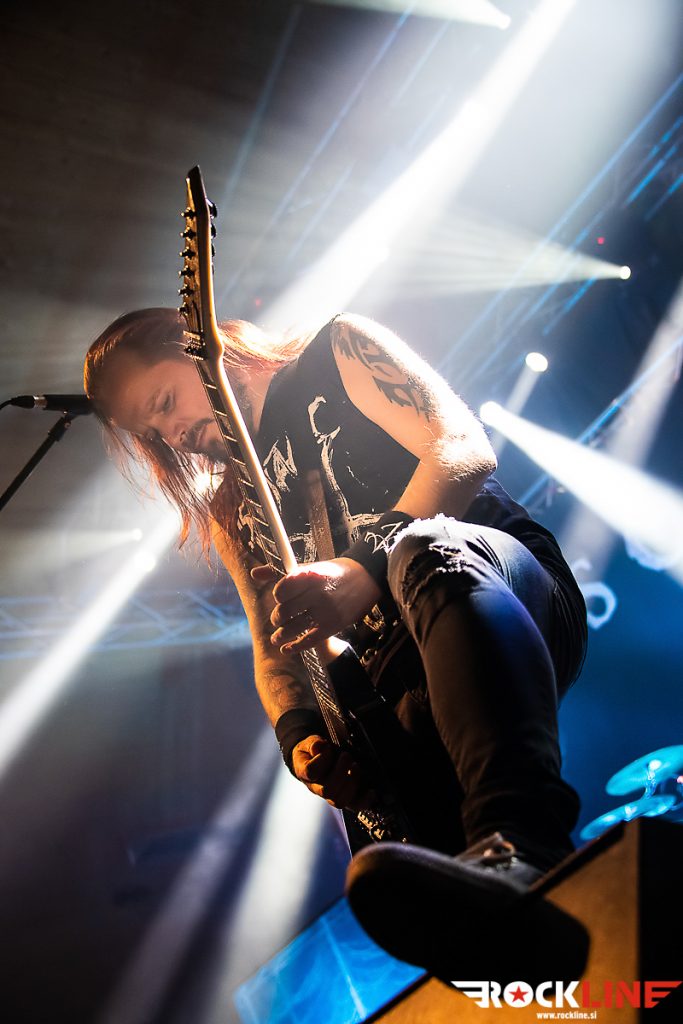
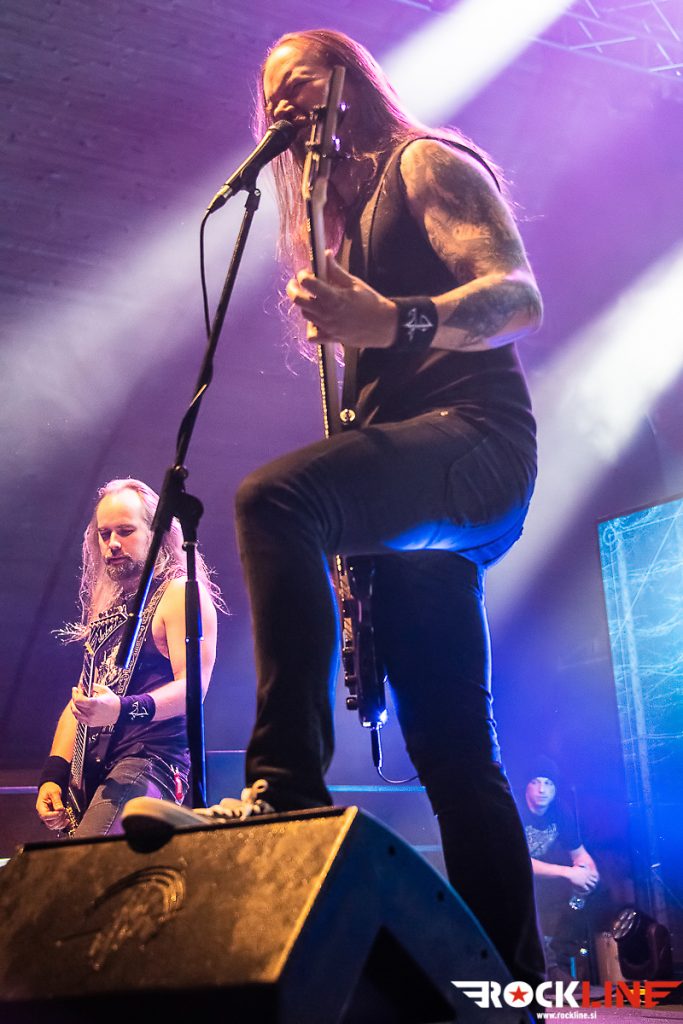
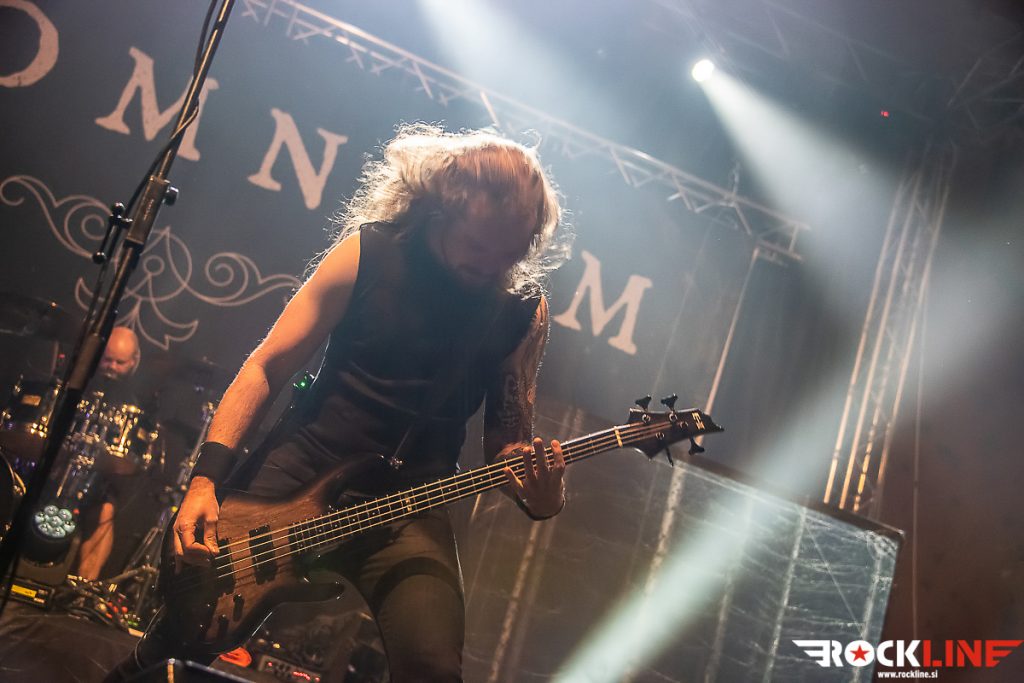
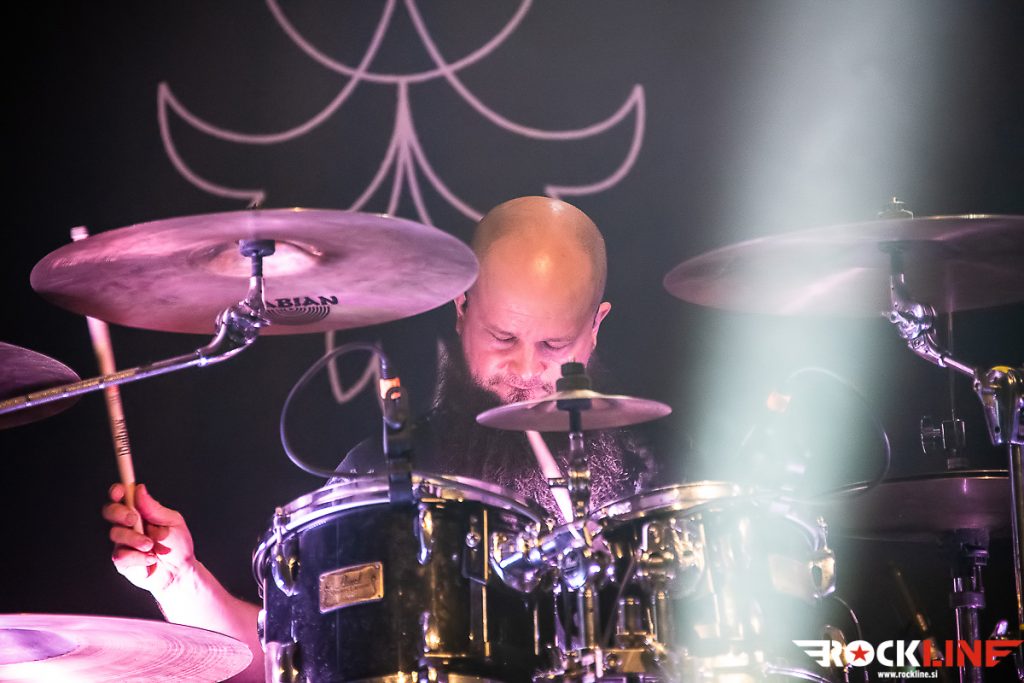
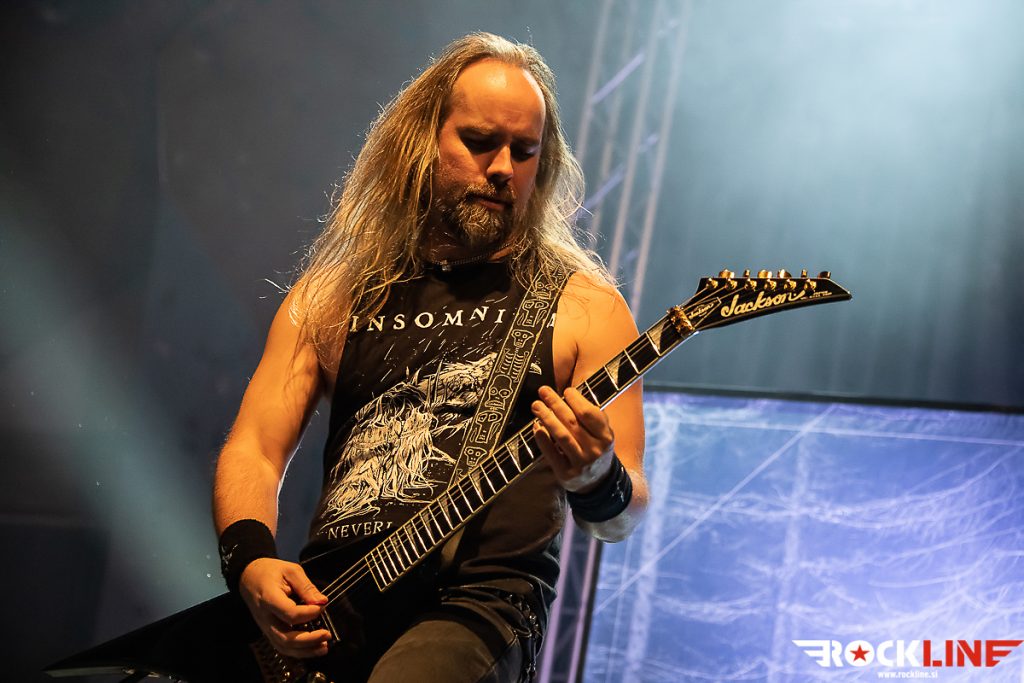
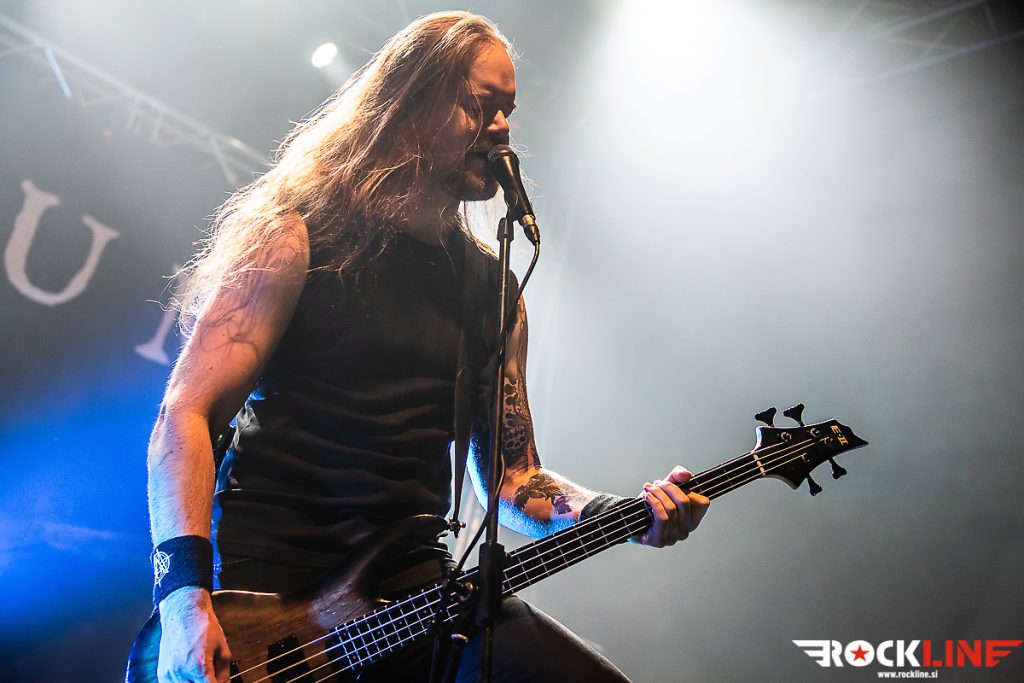
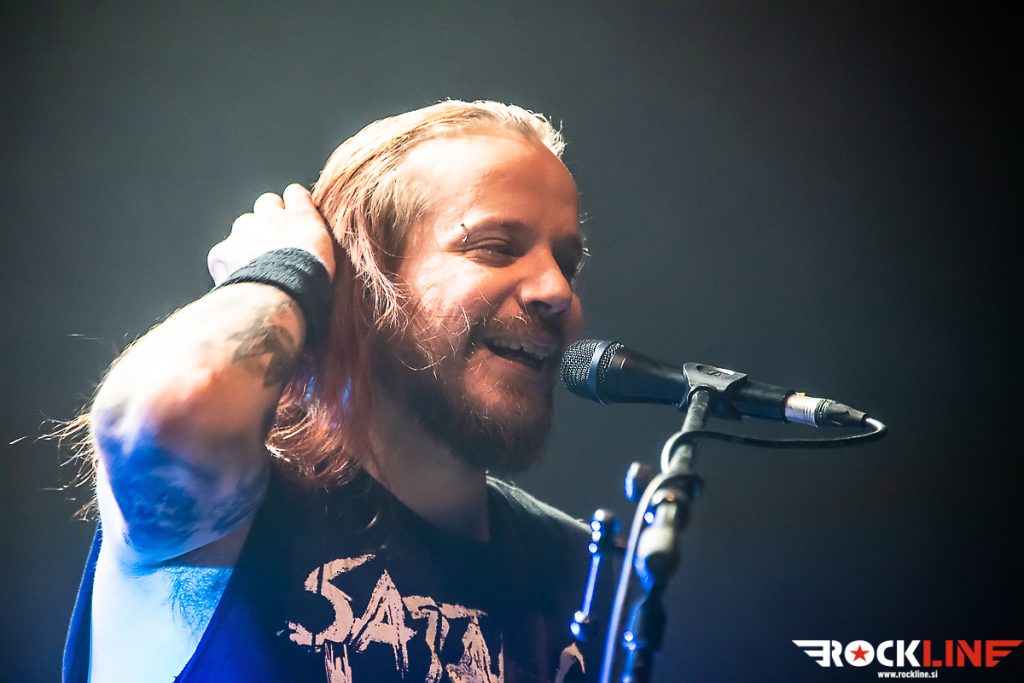
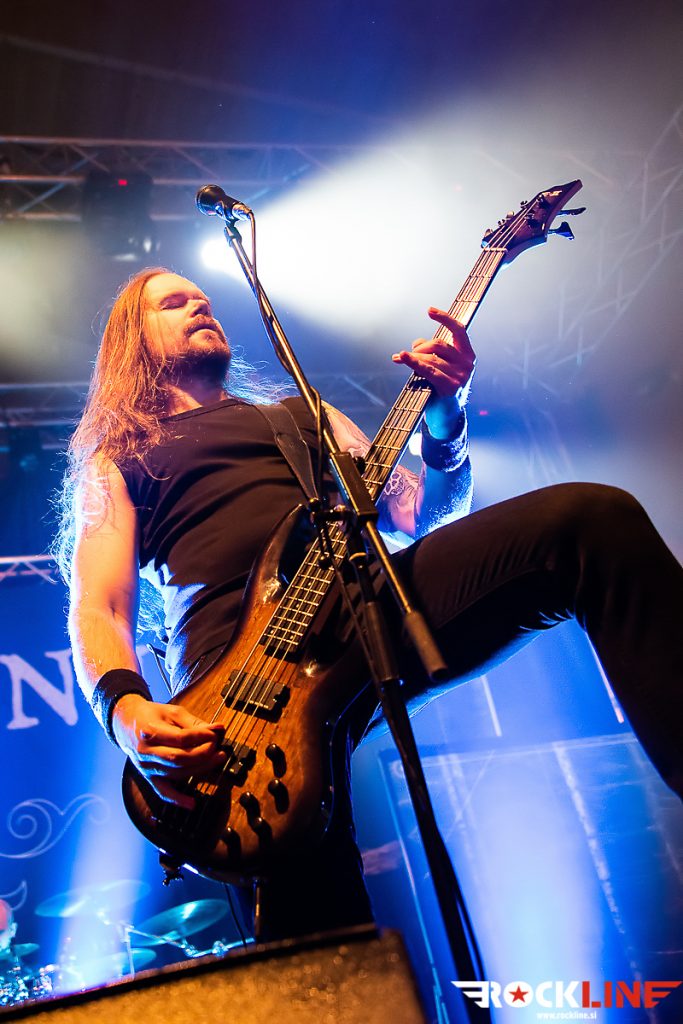
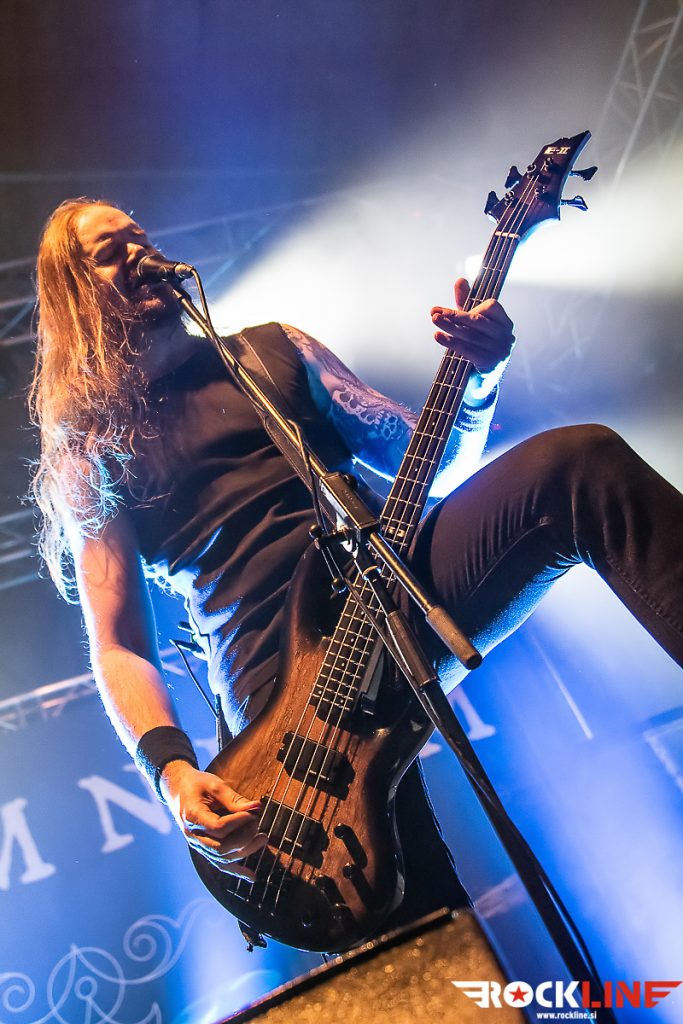
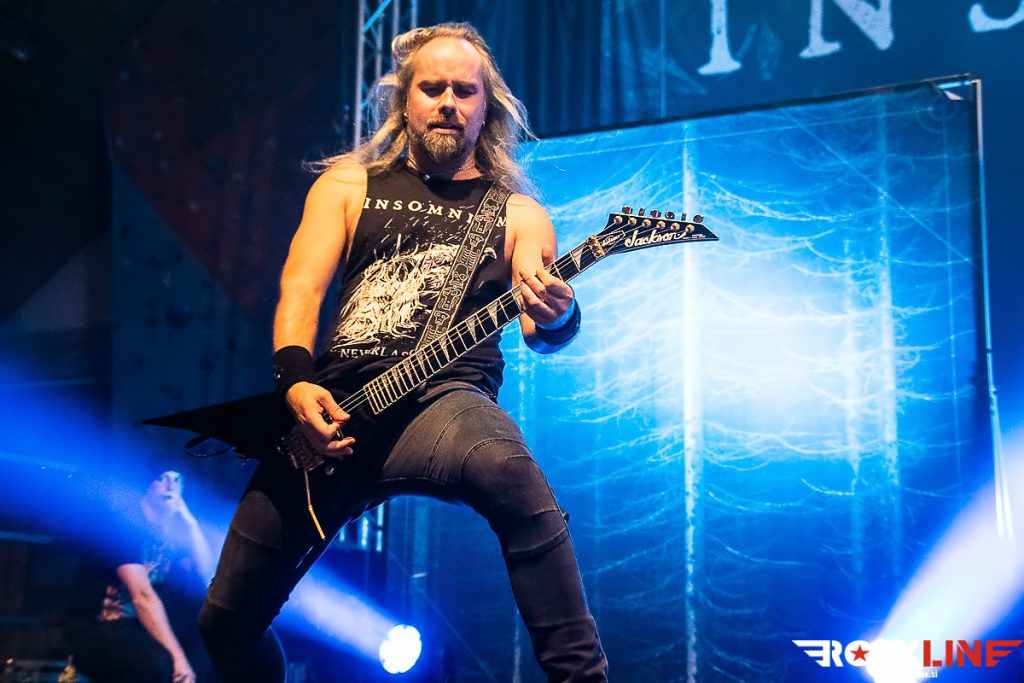
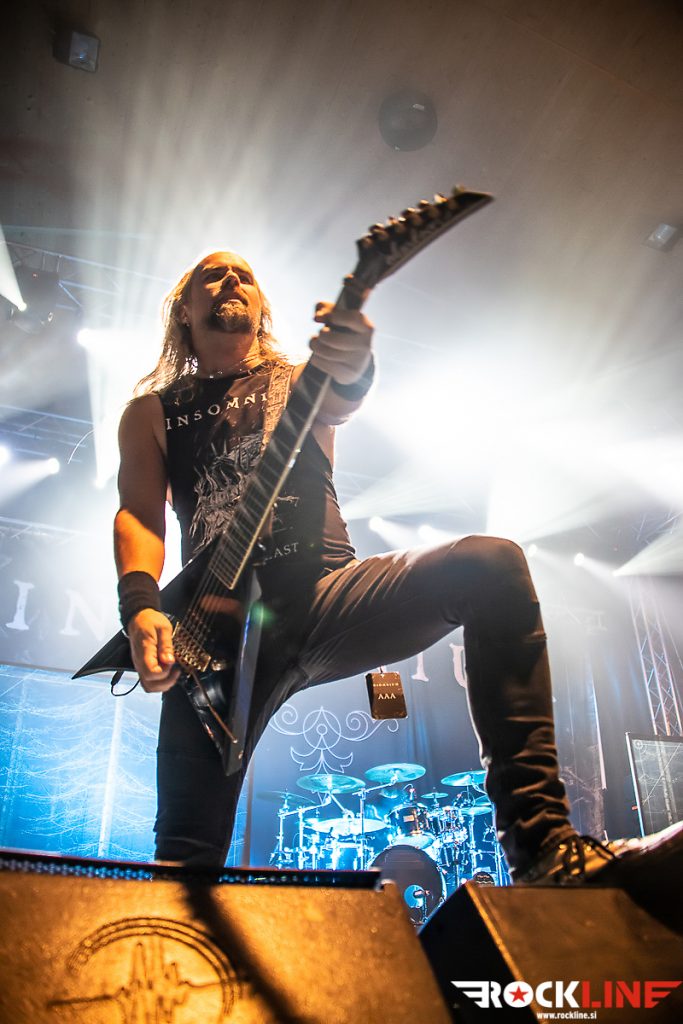
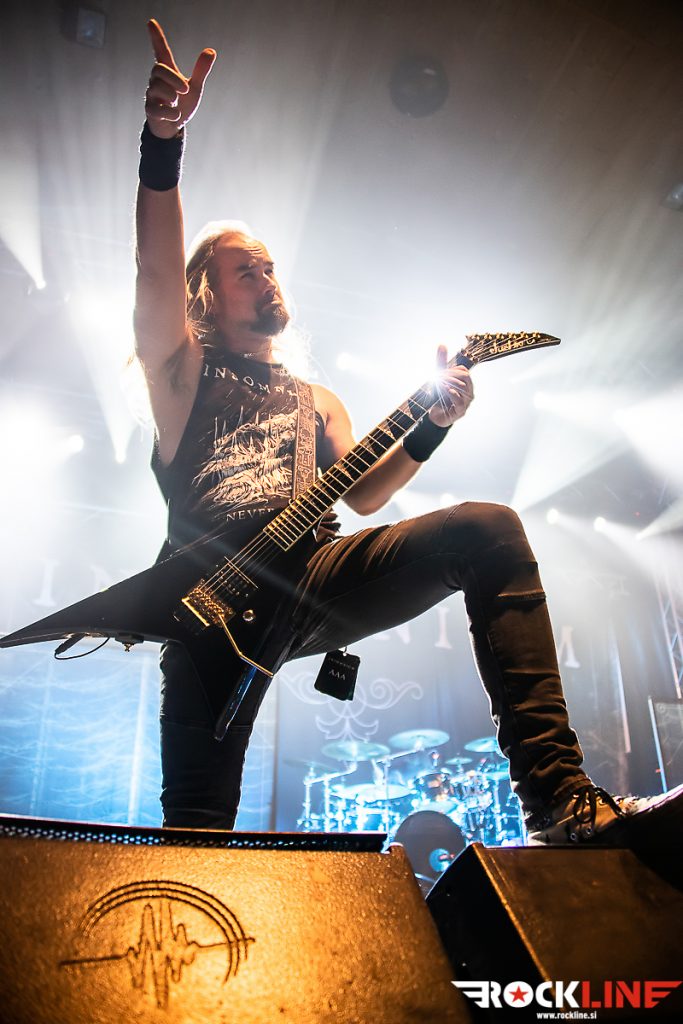
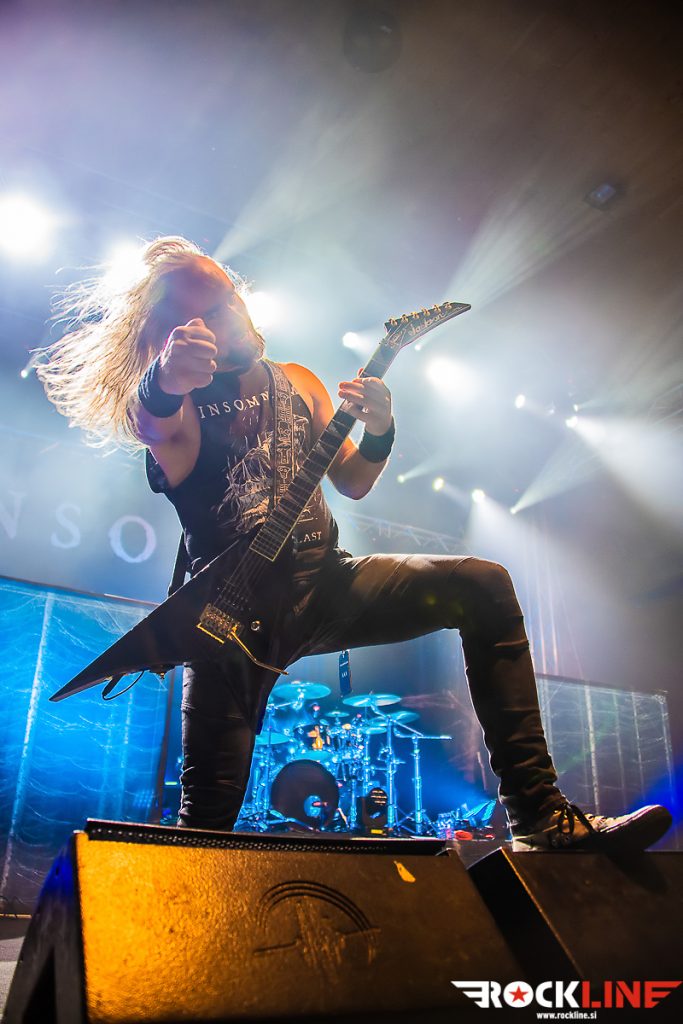
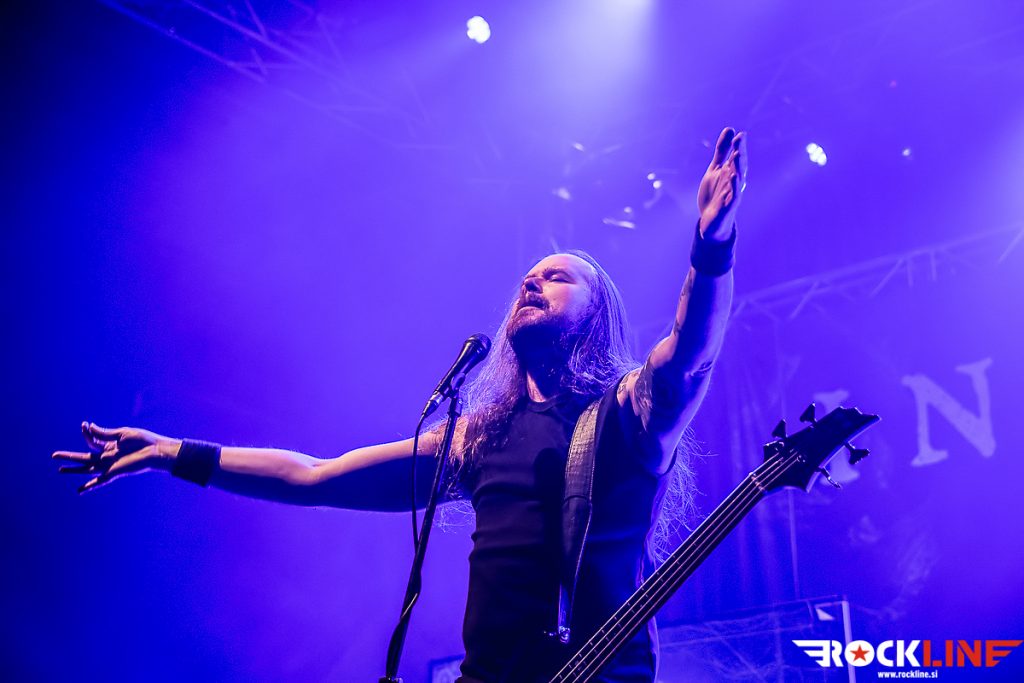
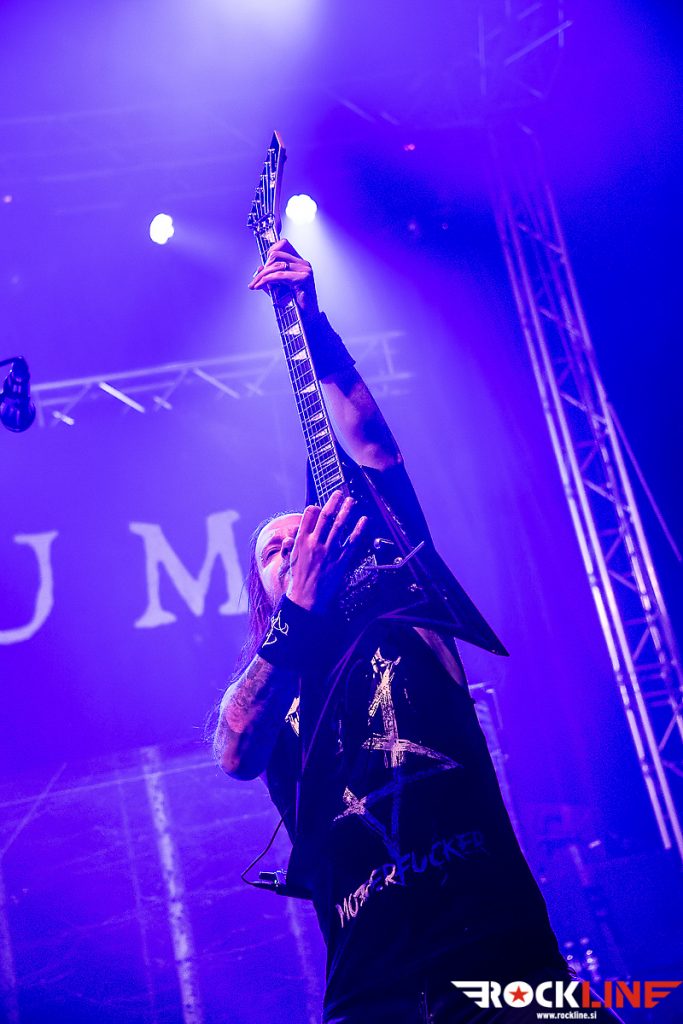
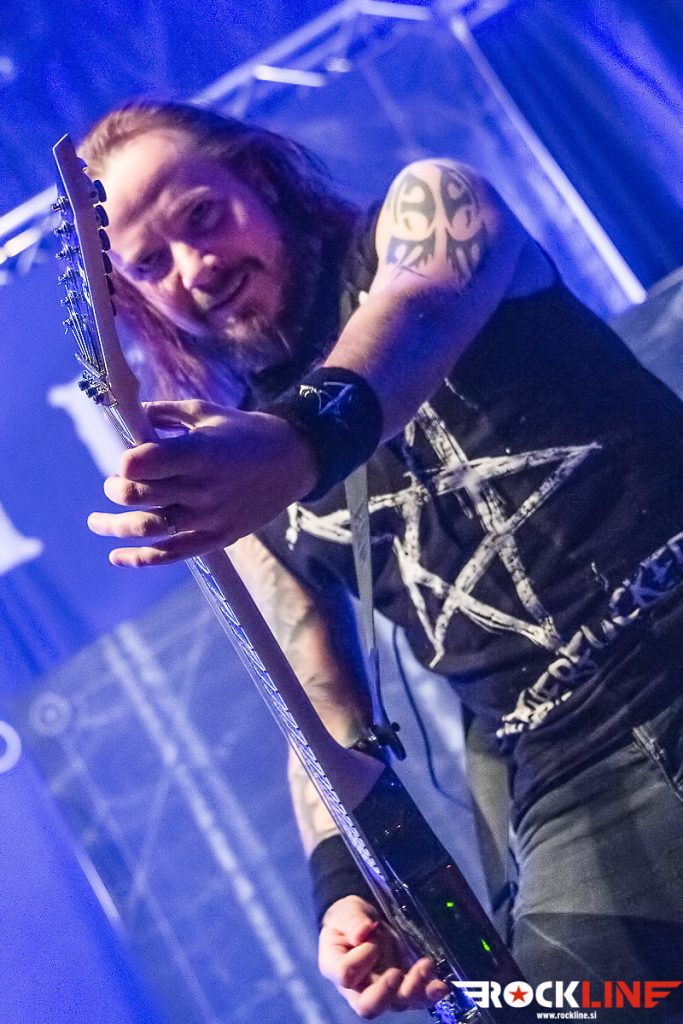
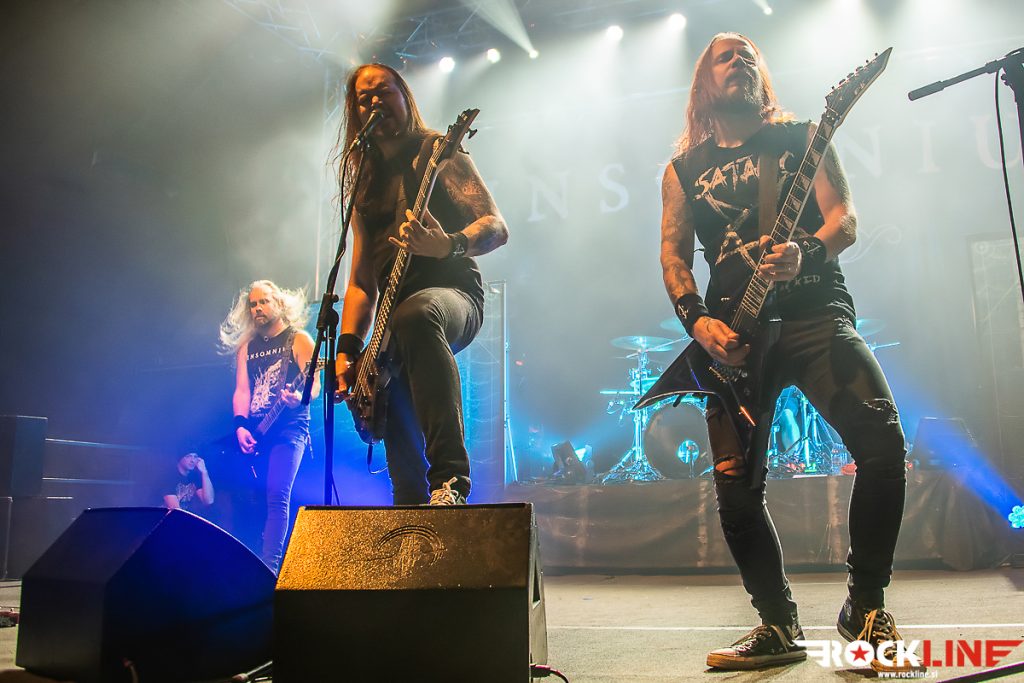
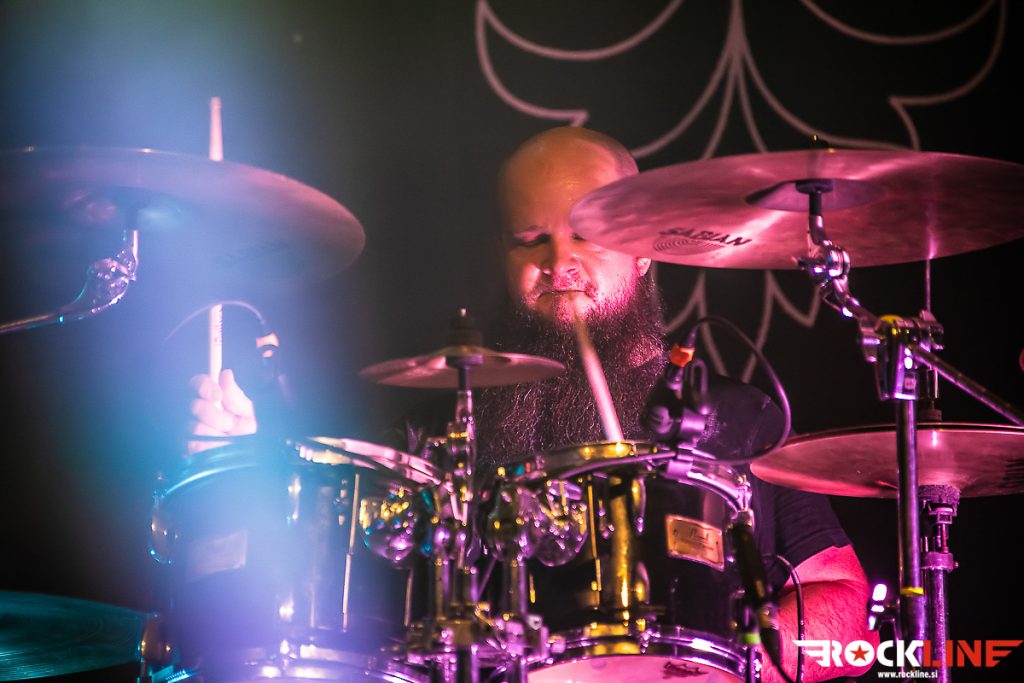
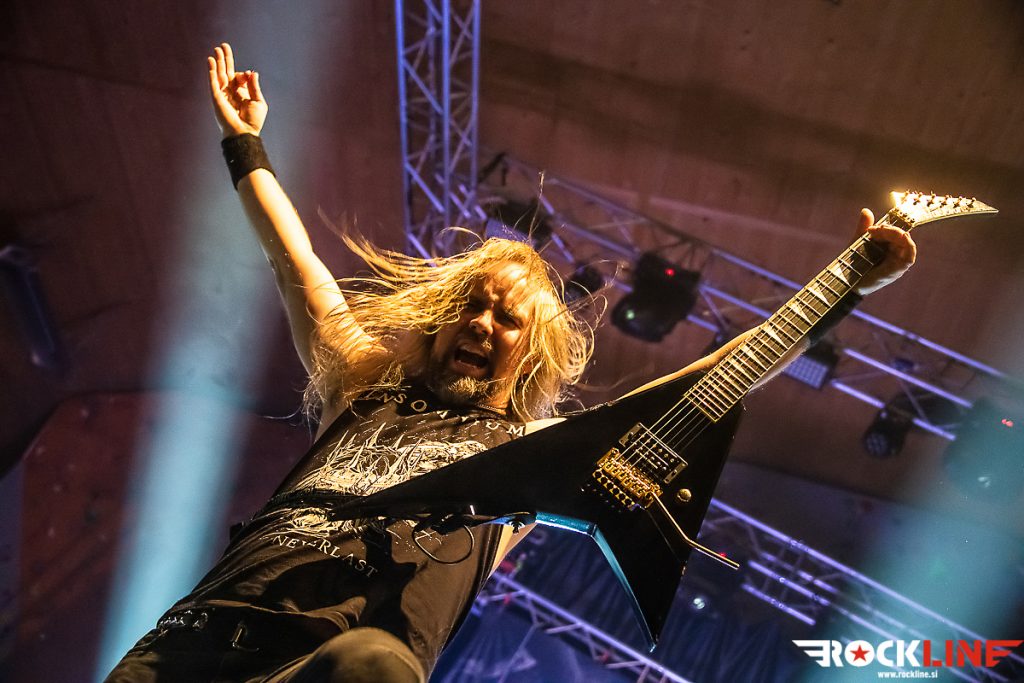
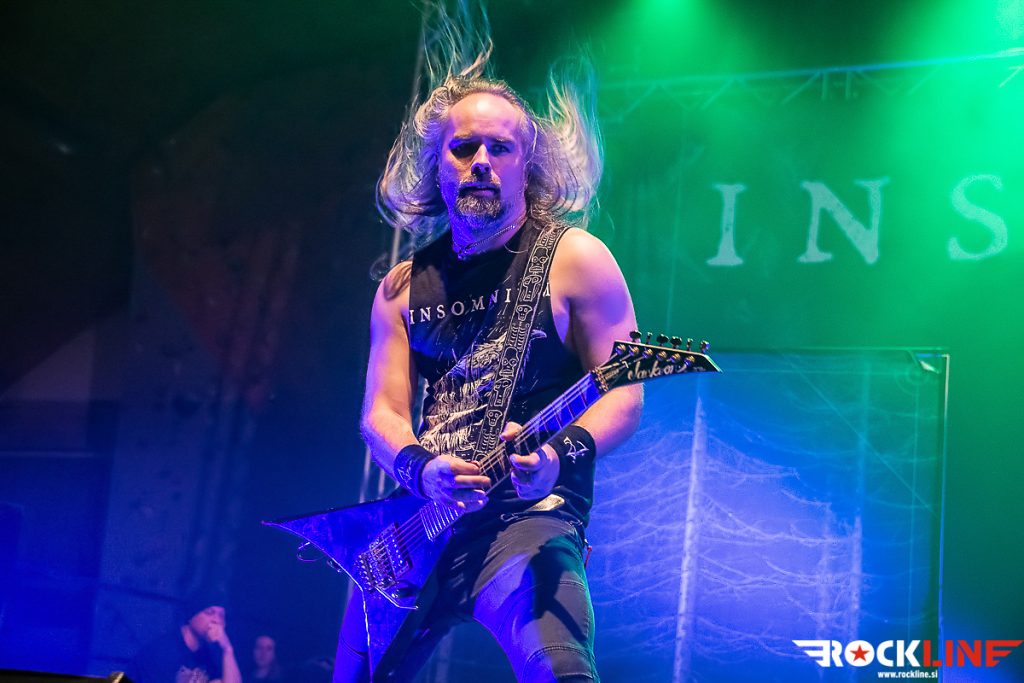
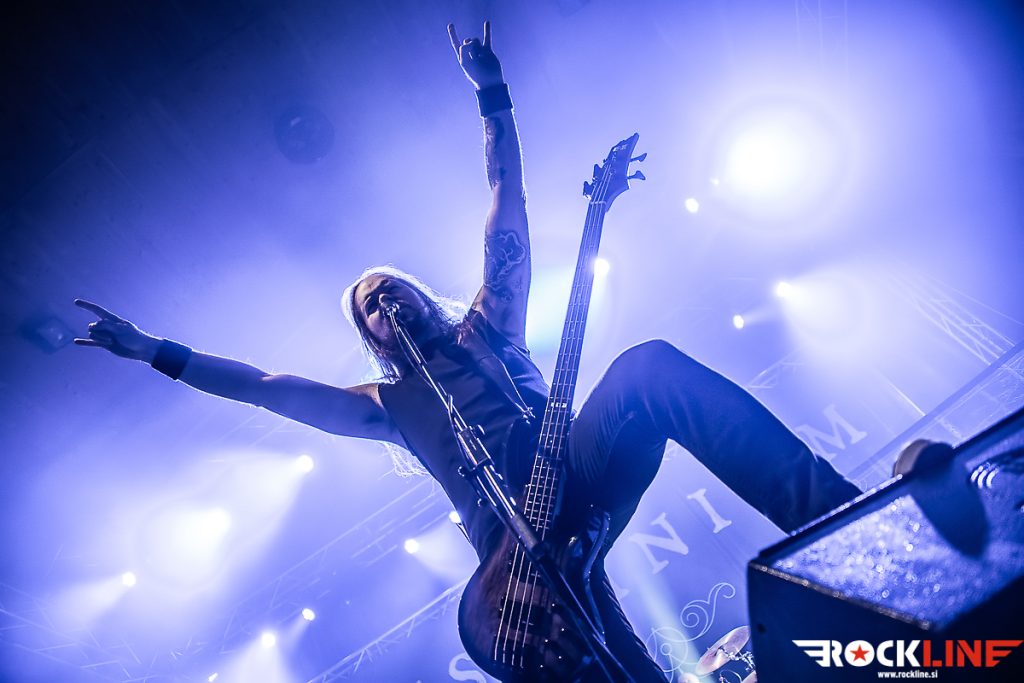
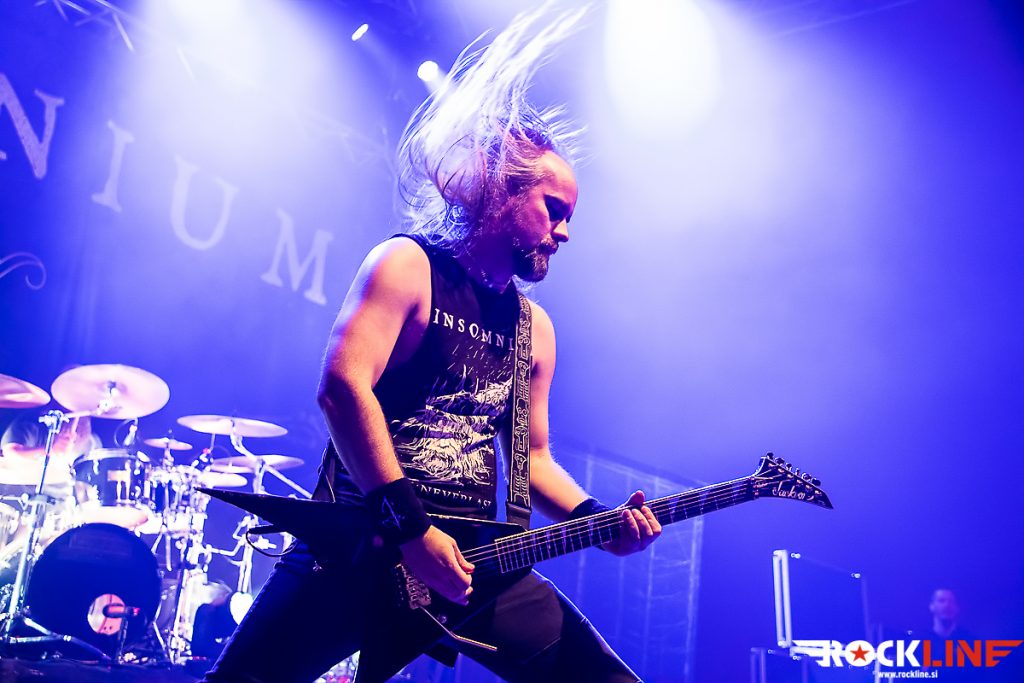
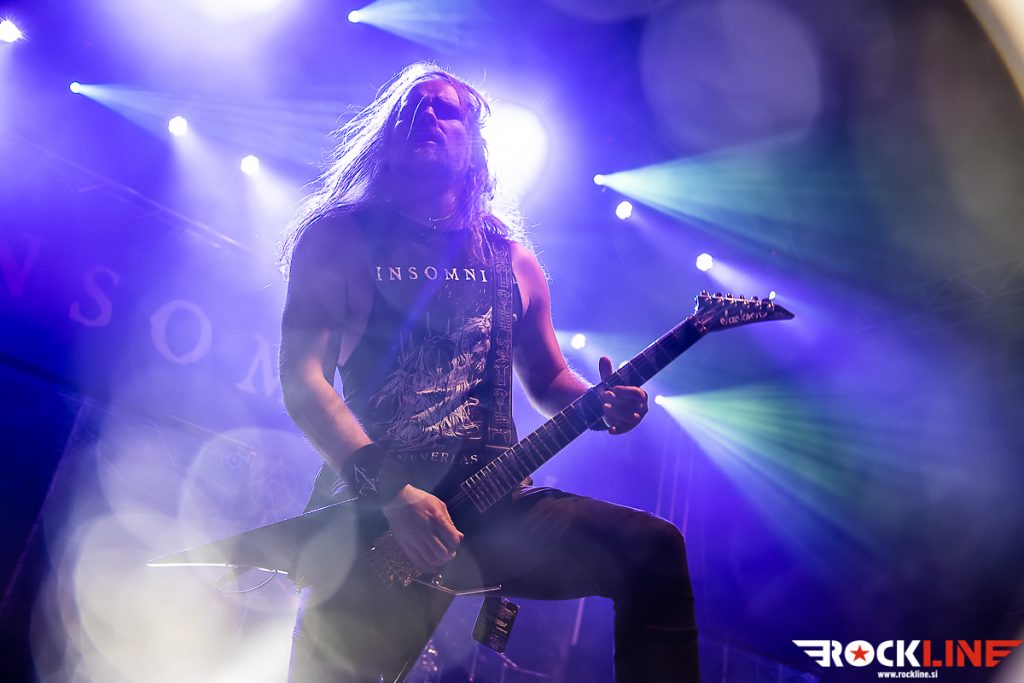
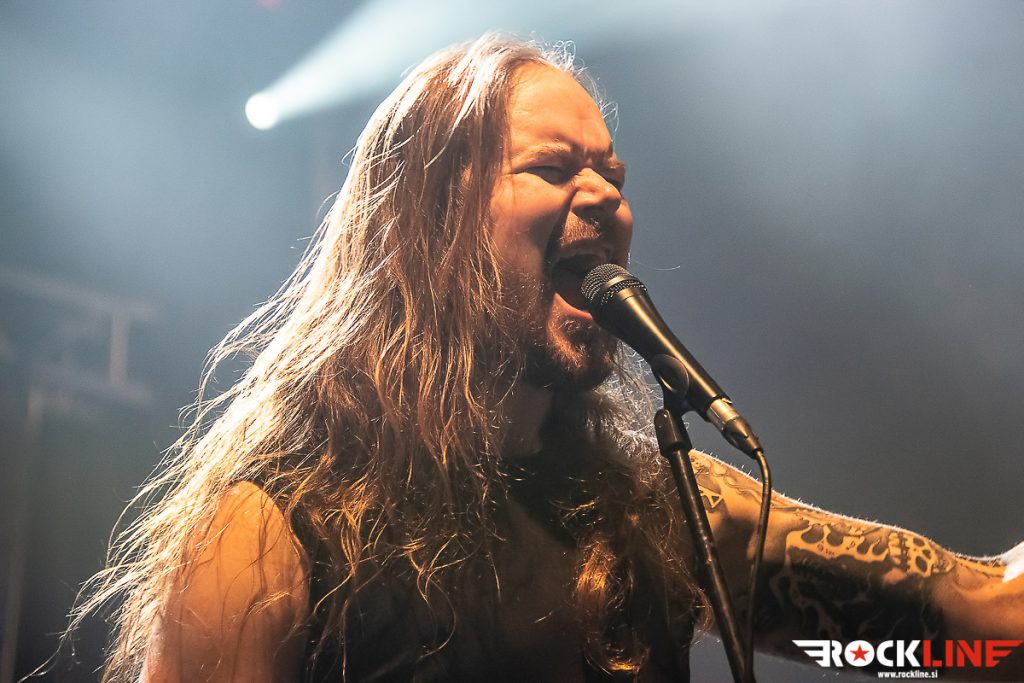
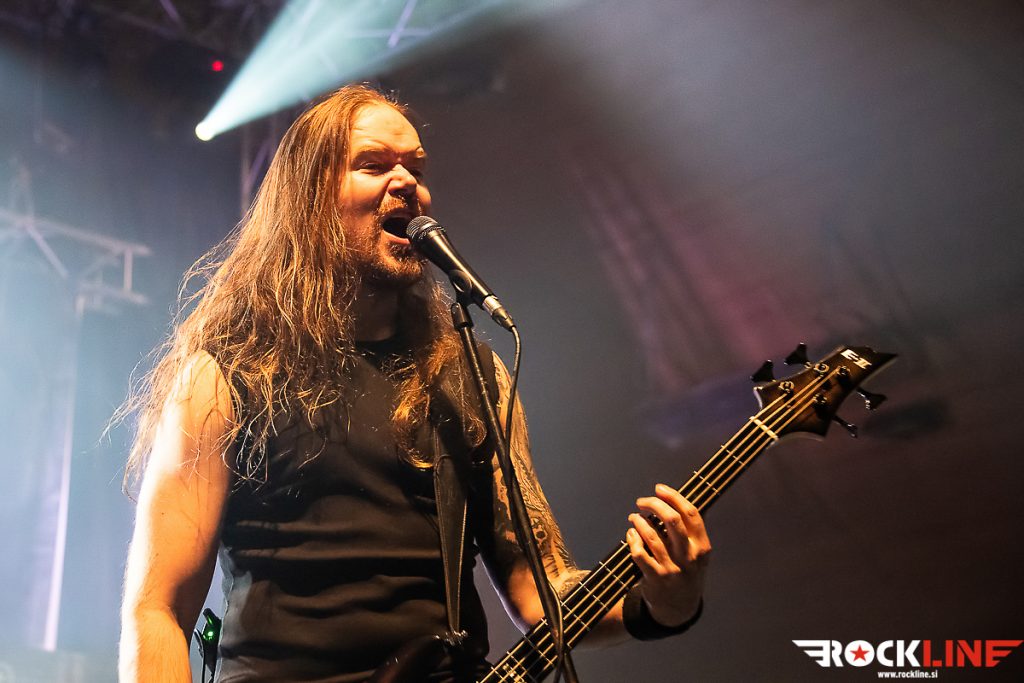
After the American-flavored melodic brutality, it was time for Finnish melody with a melancholic streak. Finnish melodic death metallers Insomnium took the stage — last time they were in Slovenia they packed Ljubljana’s Orto Bar to the rafters. This time around Insomnium had their fresh album Heart Like a Grave to push, and it got plenty of spotlight. Of course a few hits made the cut too — Through the Shadows, Ephemeral, and While We Sleep. As expected, Insomnium delivered just the right amount of melody, and the slower, more doom-inclined melancholic tracks weren’t missing either. That kept the setlist diverse enough to stay engaging. Insomnium got more than a good reception this time too — the front rows were moving, and for a show that’s not exactly festival-scale, the crowd surfers were out in full force. No complaints about the playing; bassist Niilo Sevänen handling growl vocals isn’t flagging, and the same goes for guitarist Ville Friman, who contributes clean vocals. The band announced this year that they’ve brought in a third guitarist, but on this occasion they performed as a quartet. The sound didn’t suffer for it, but it could’ve been richer. For a lot of people, Insomnium were the festival highlight, and a good chunk of the crowd started heading out after they finished.
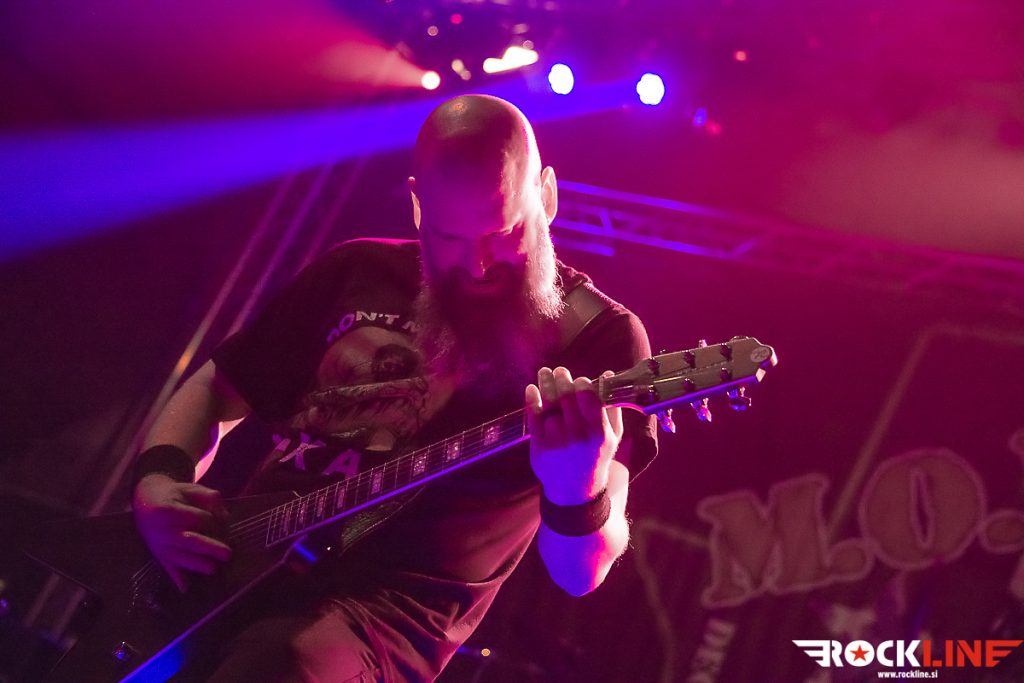
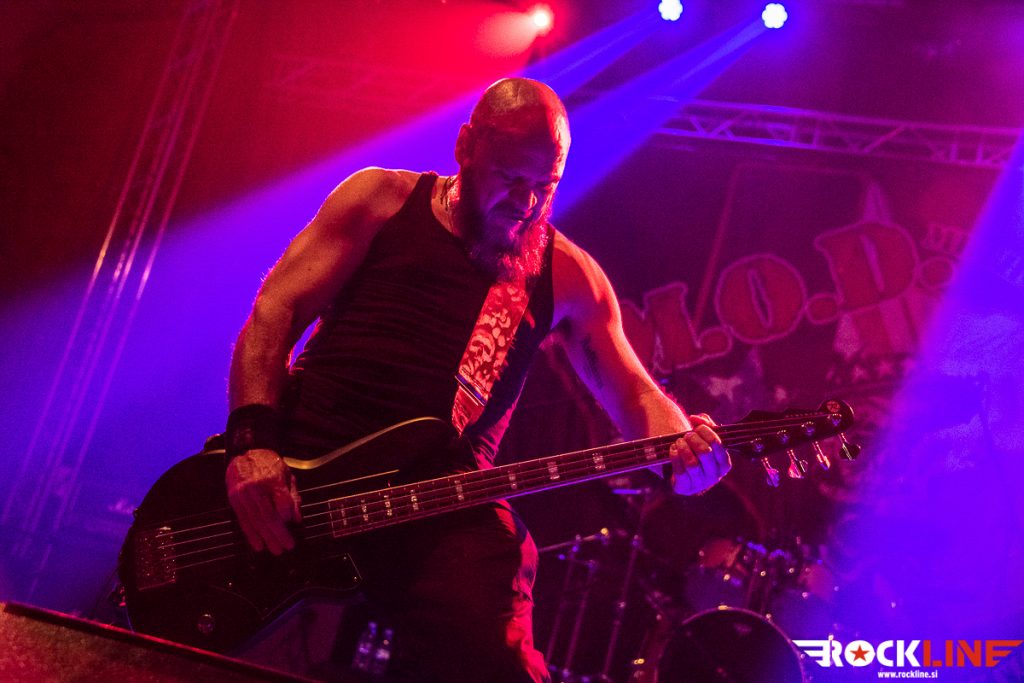
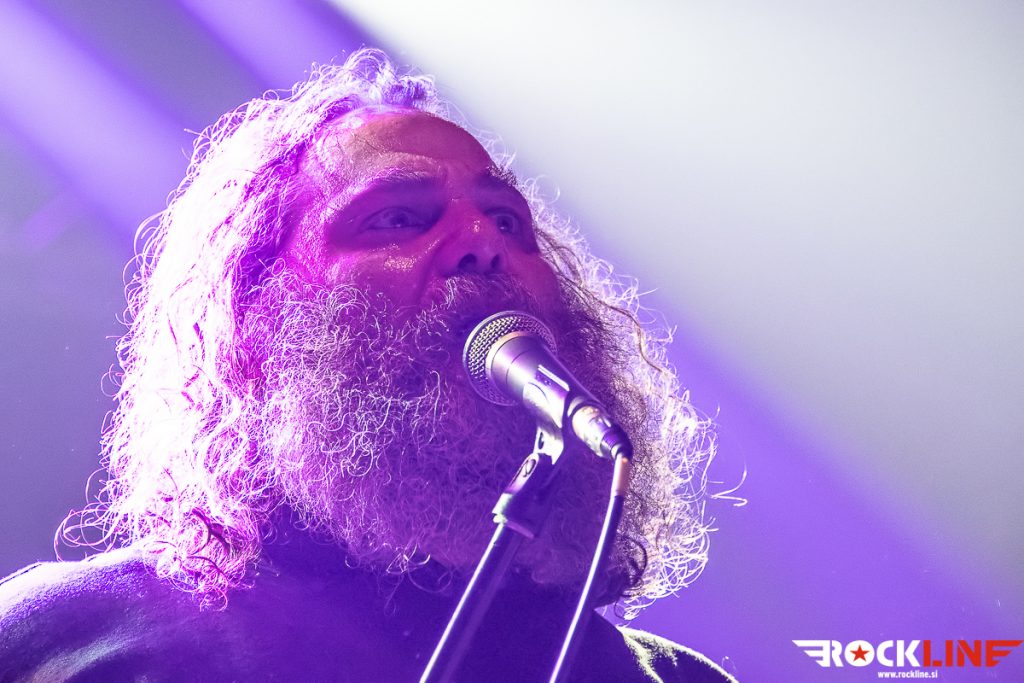
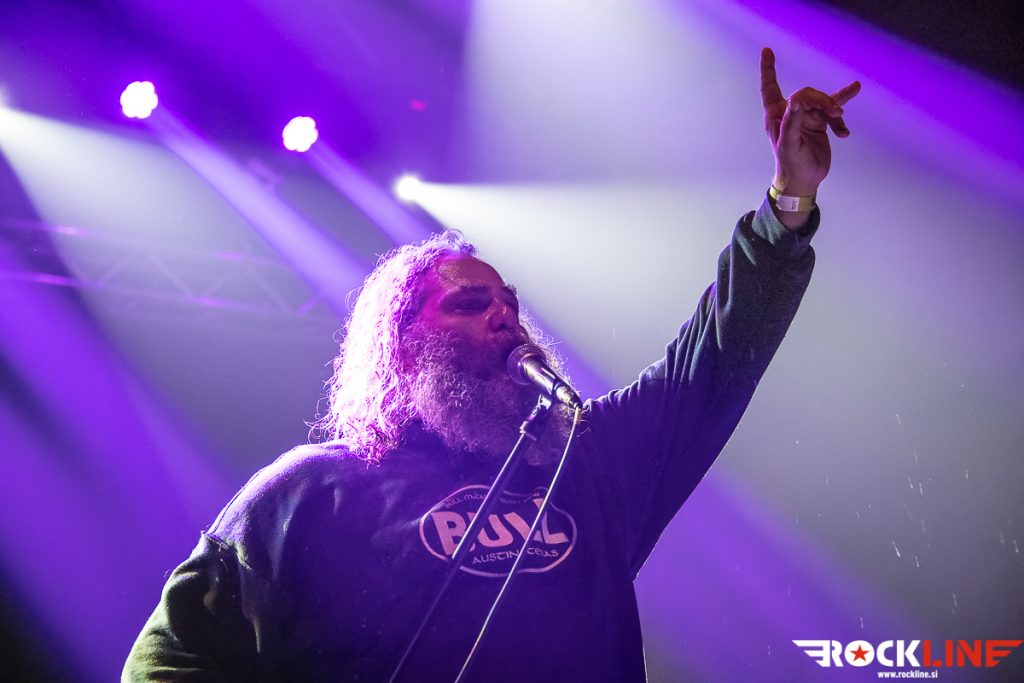
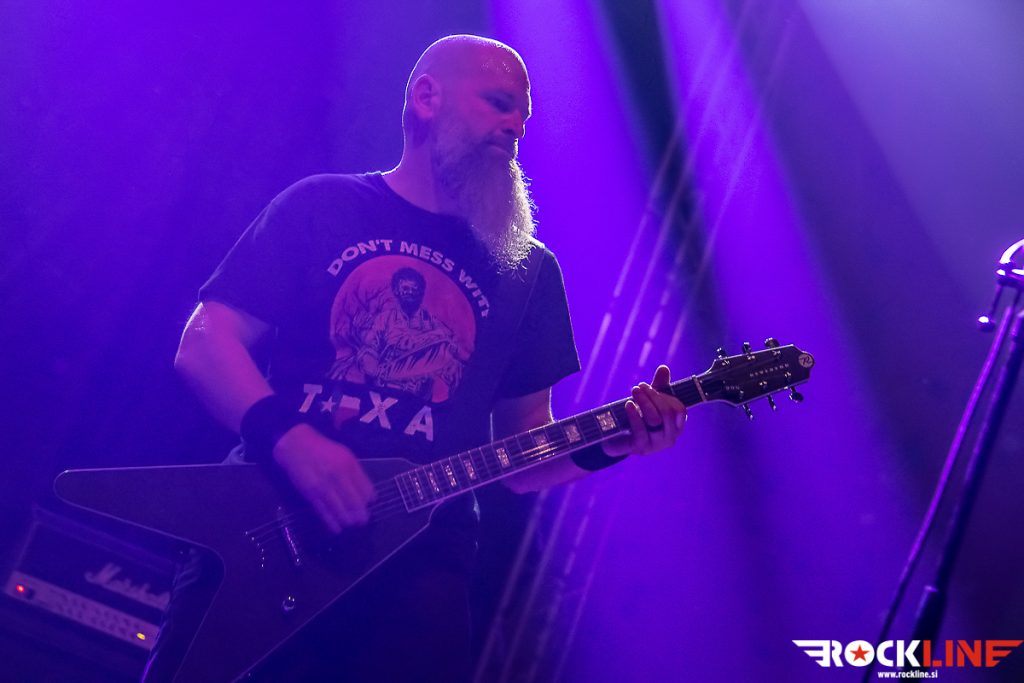
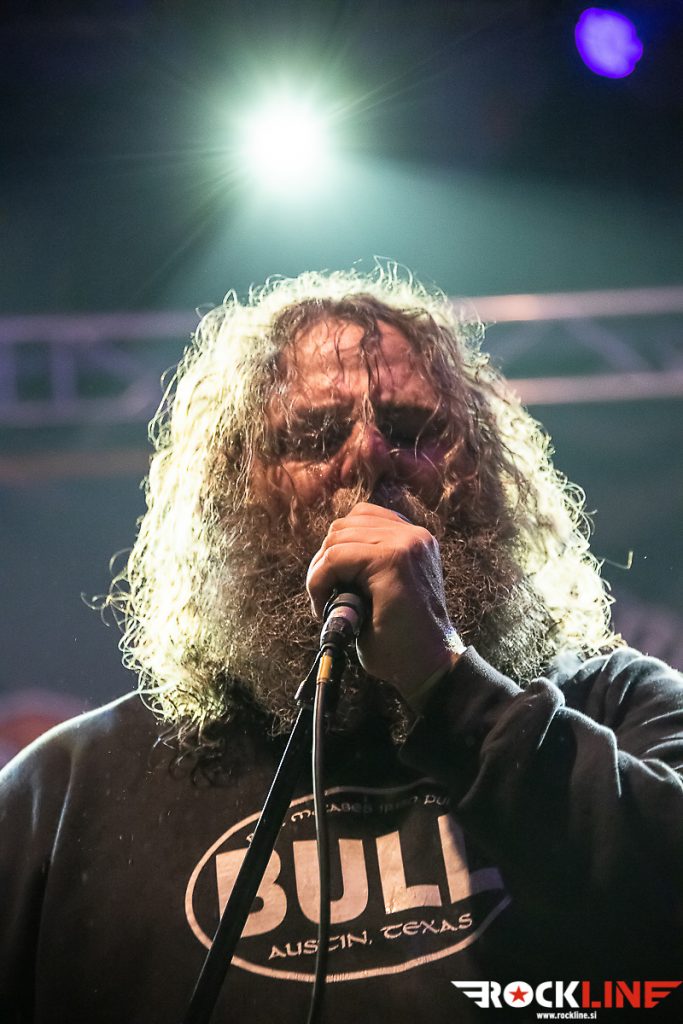
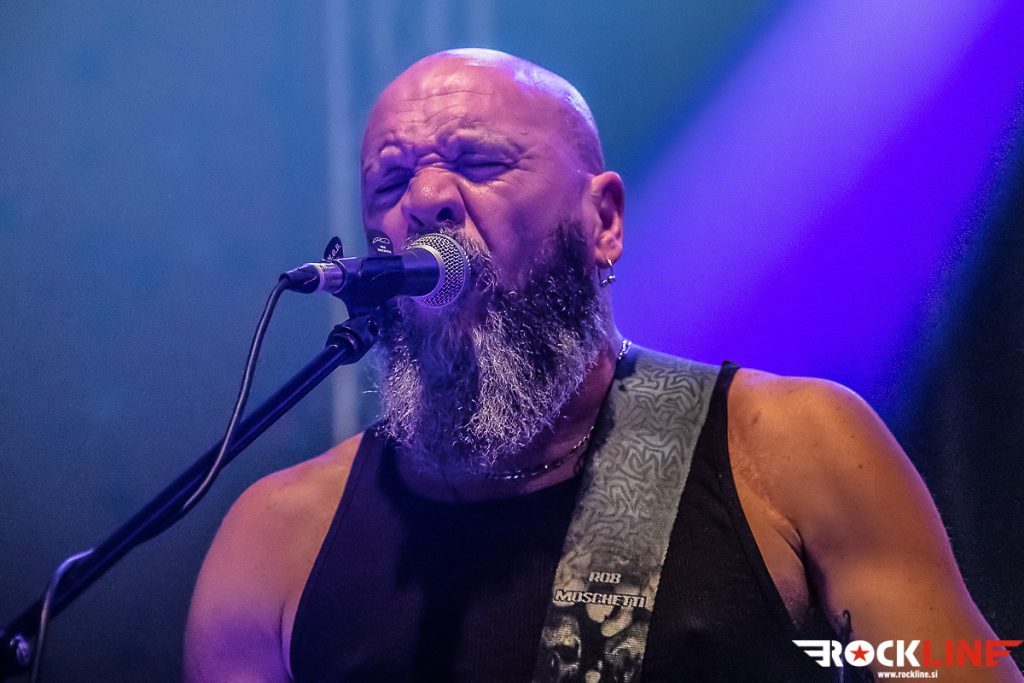
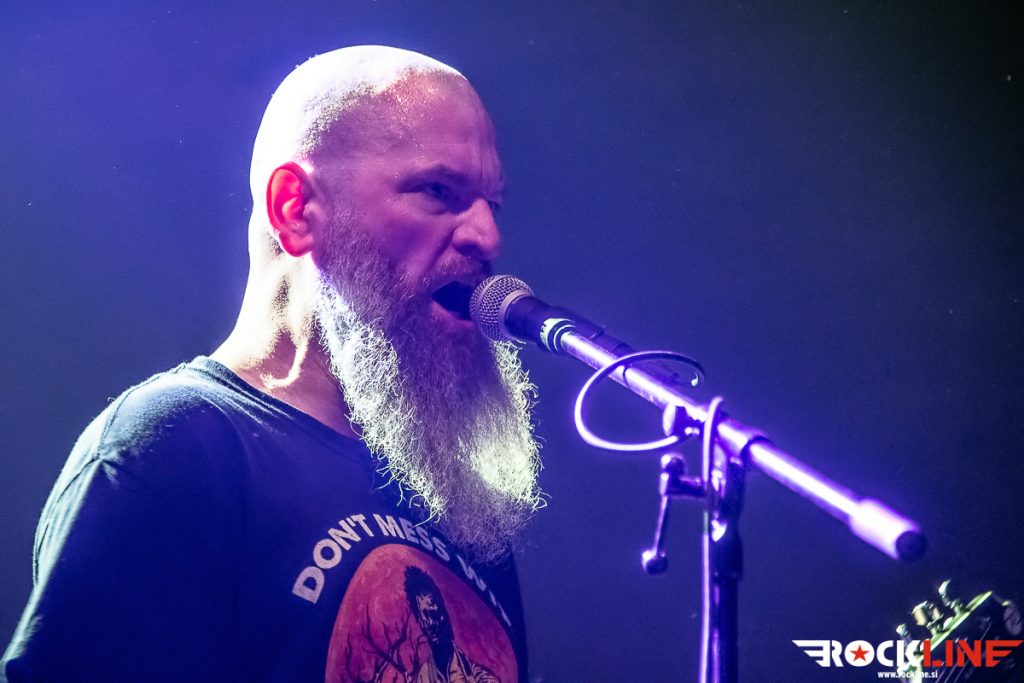
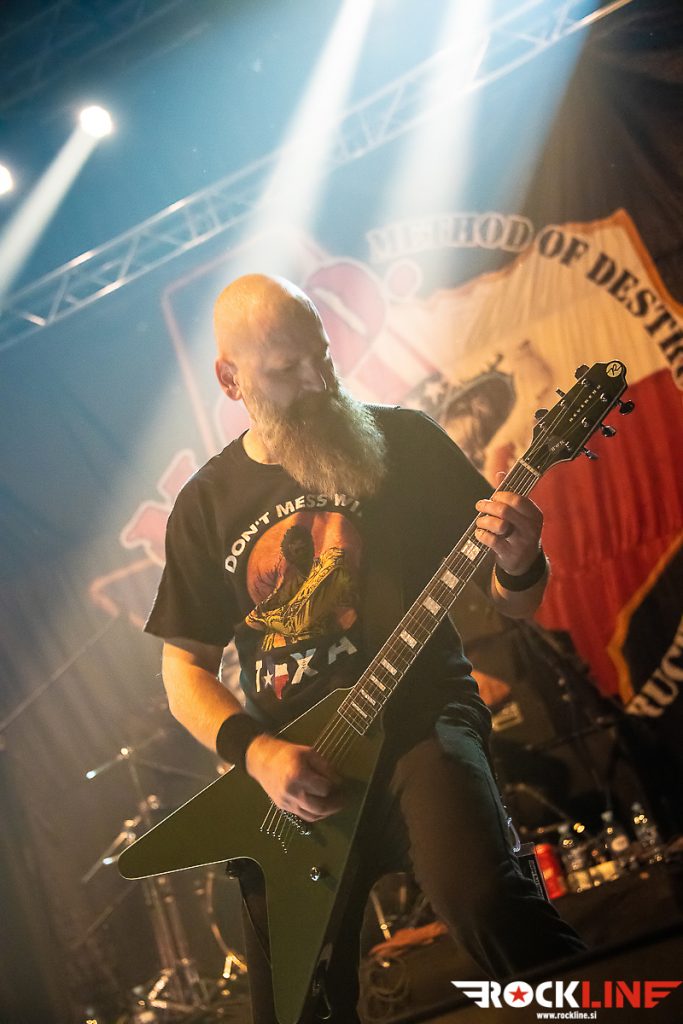
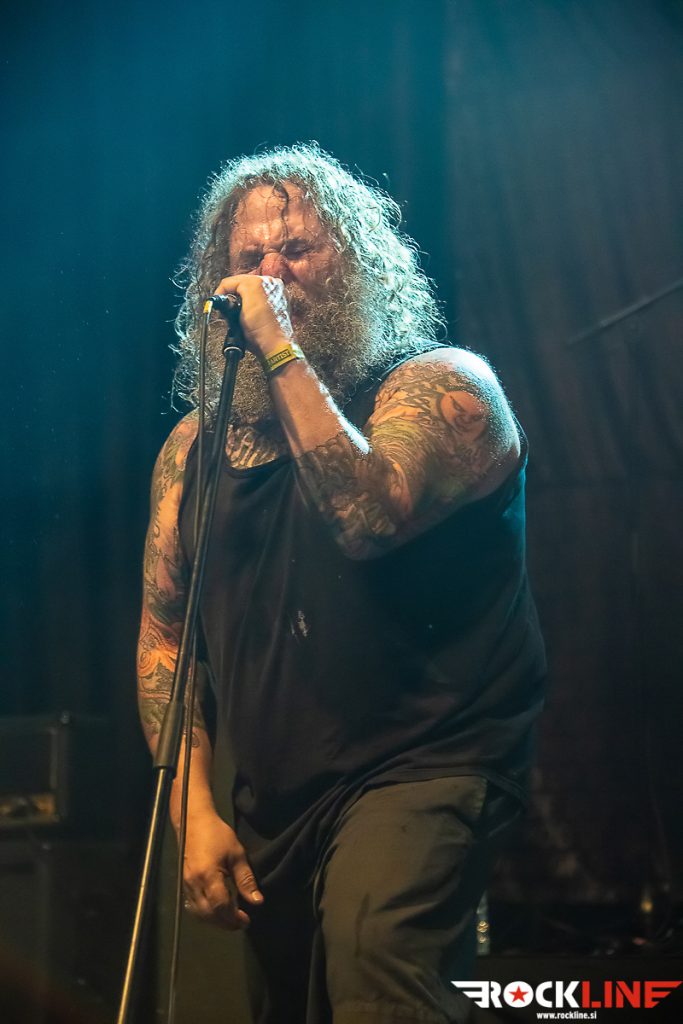
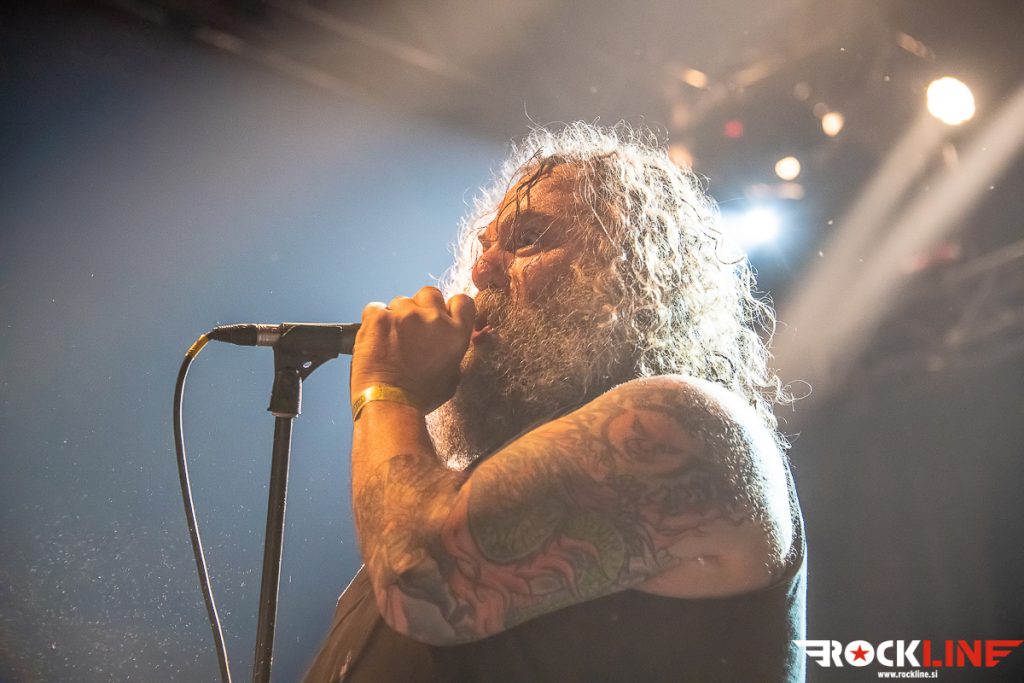
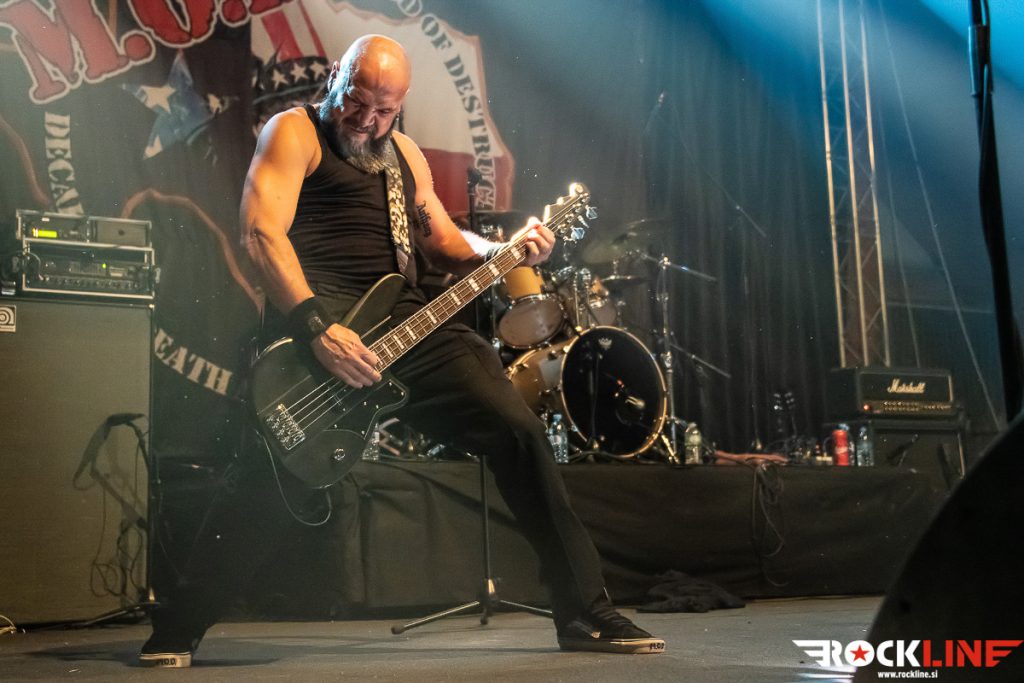
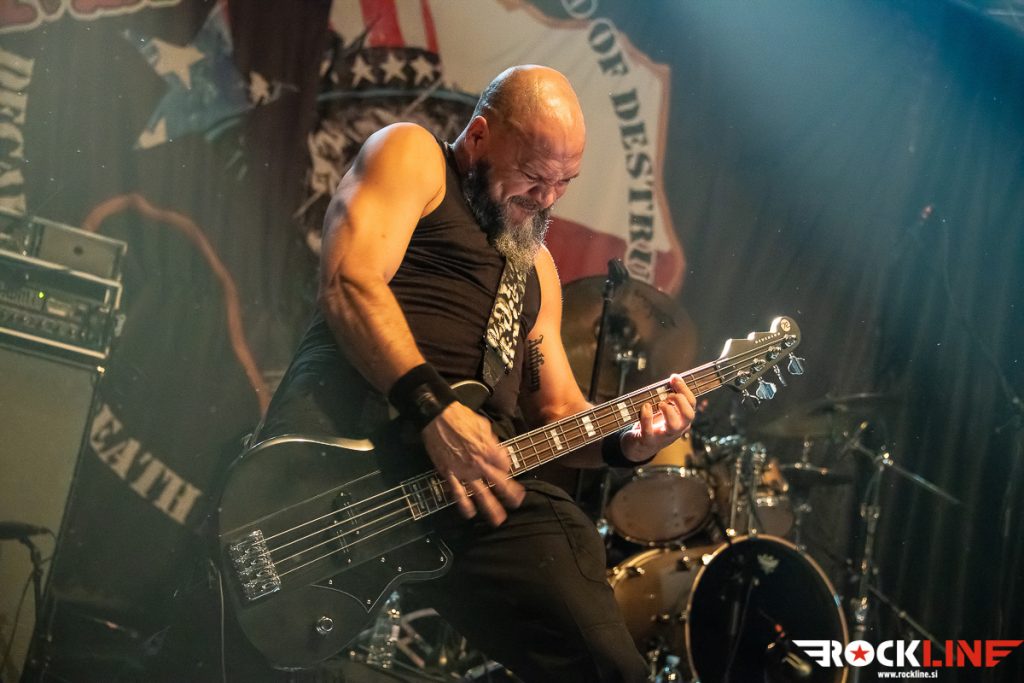
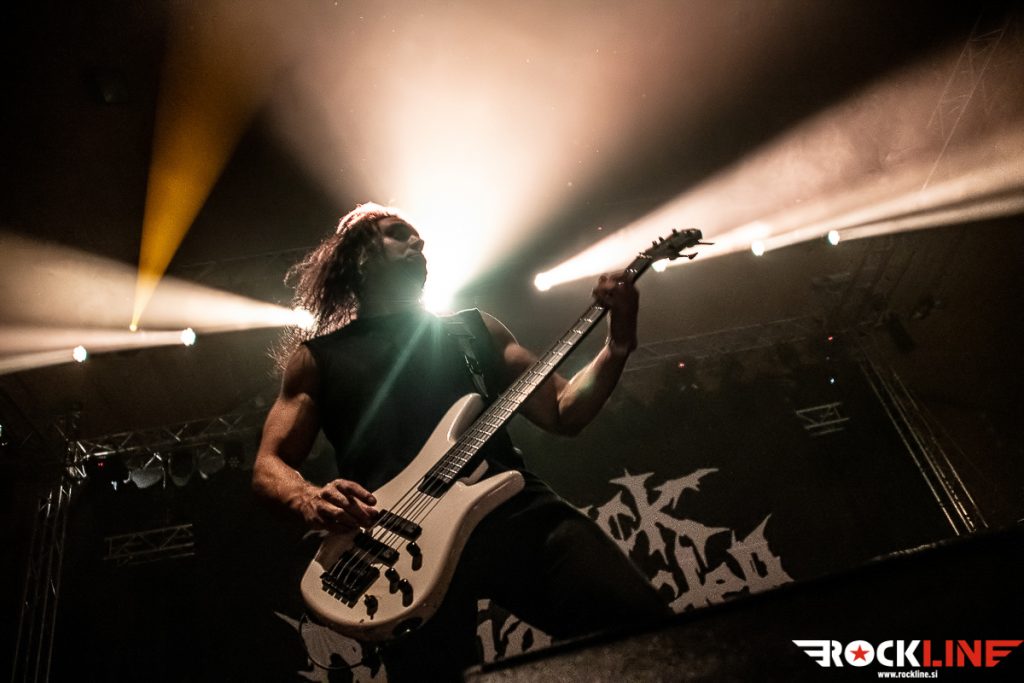
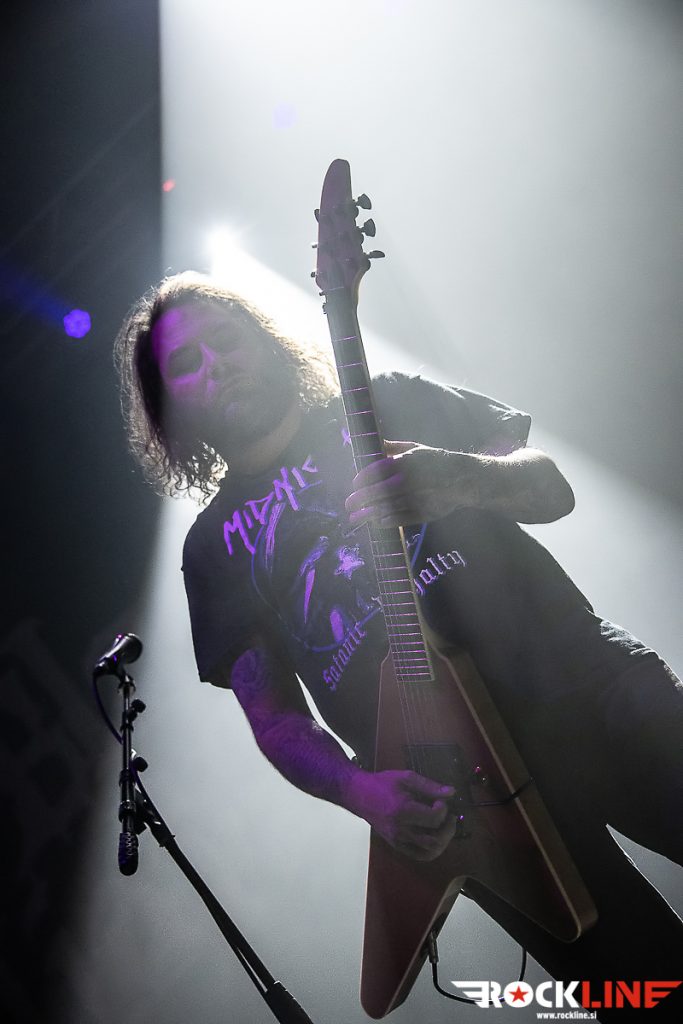
The honor of closing the festival went to cult American crossover act M.O.D. (Method of Destruction — or Method of Devotion, as Okilly Dokilly rechristened them), led by the indestructible Billy Milano. M.O.D. rounded things off in front of a considerably thinned-out hall with a straight shot of punk and thrash, wrapped up with Billy’s roar. Milano served up a healthy dose of socio-political commentary between tracks, hits Get a Real Job and You’re a Fucking Dick, and in the second half a stack of S.O.D. classics, starting with March of the S.O.D.
And so M.O.D. closed out the fourth edition of Winter Days of Metal, which according to the organizer was the best-attended yet. The lineup was varied and diverse enough to draw in a wide crowd. It’s clear the festival is gaining prestige with every edition, and there’s plenty more to look forward to in the years ahead.
Text: Primož
Text (Stam1na, Okilly Dokilly, M.O.D.): Rok
Photos, video: Sebastijan
Copia
Stam1na
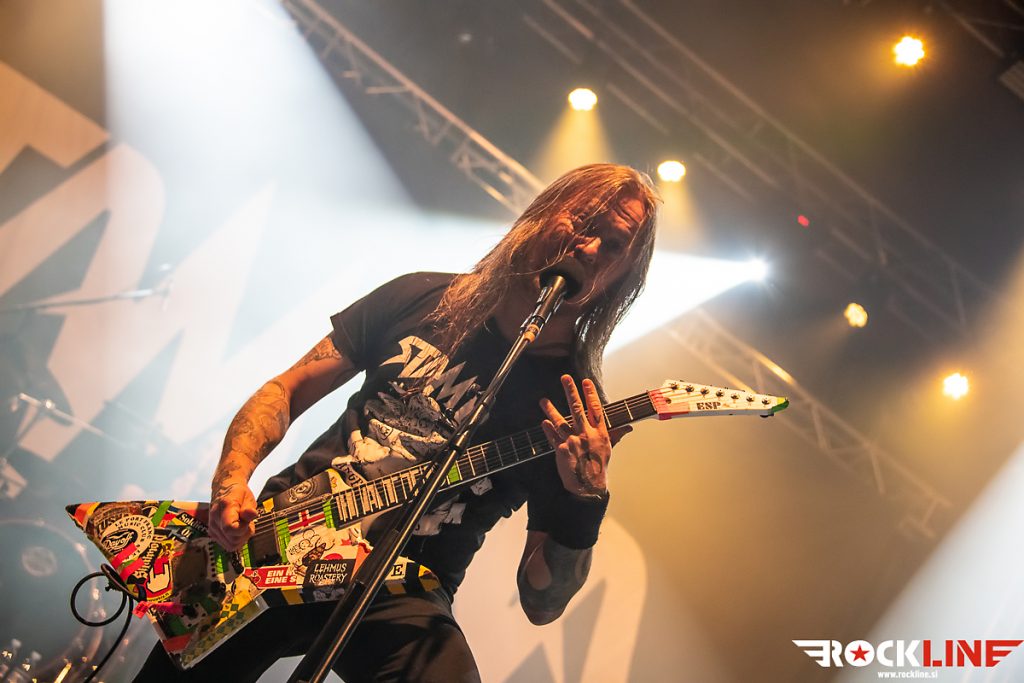
Okkily Dokkily

The Black Dhalia Murder
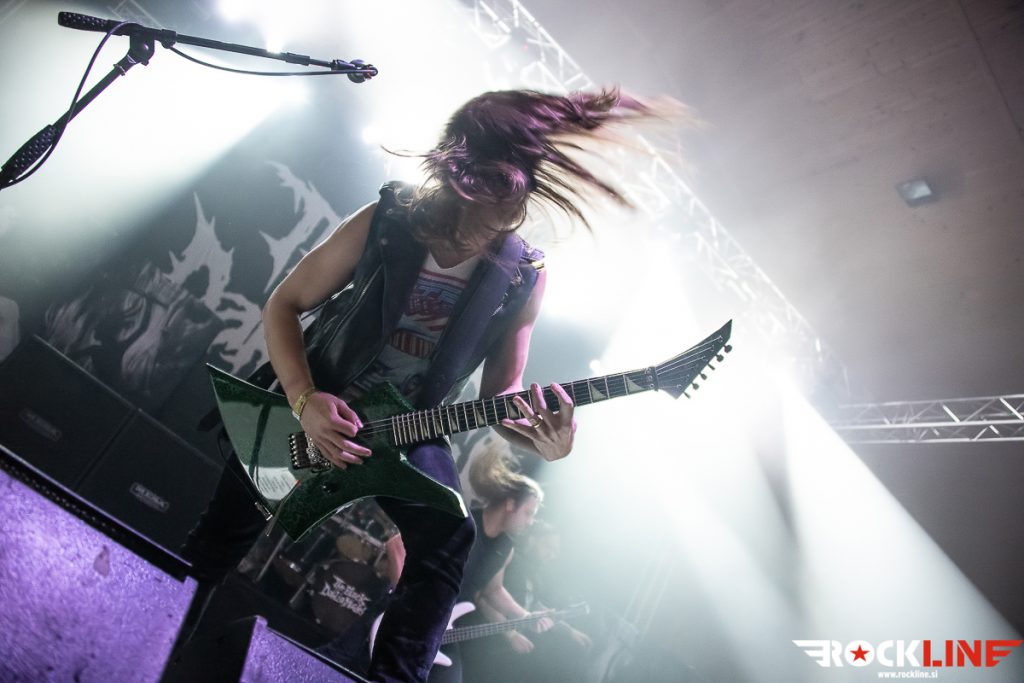
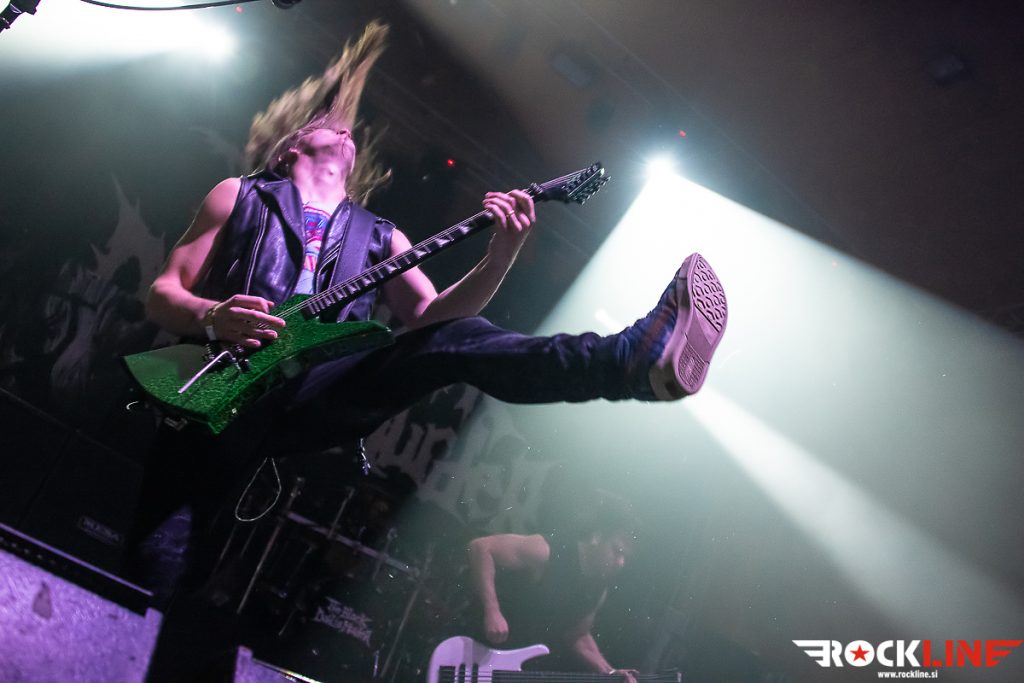
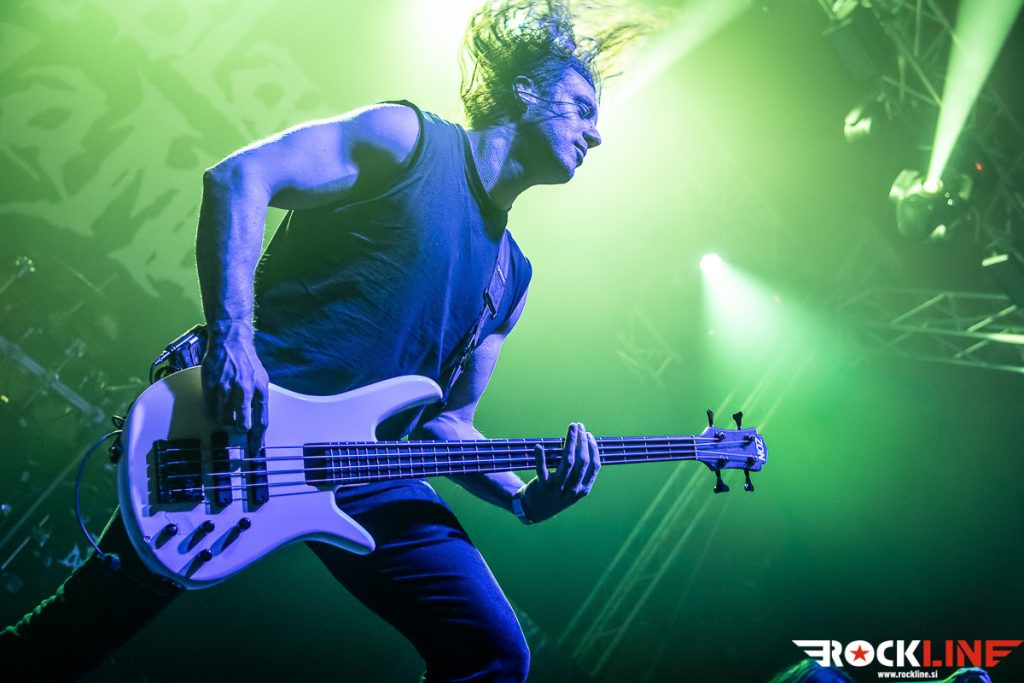
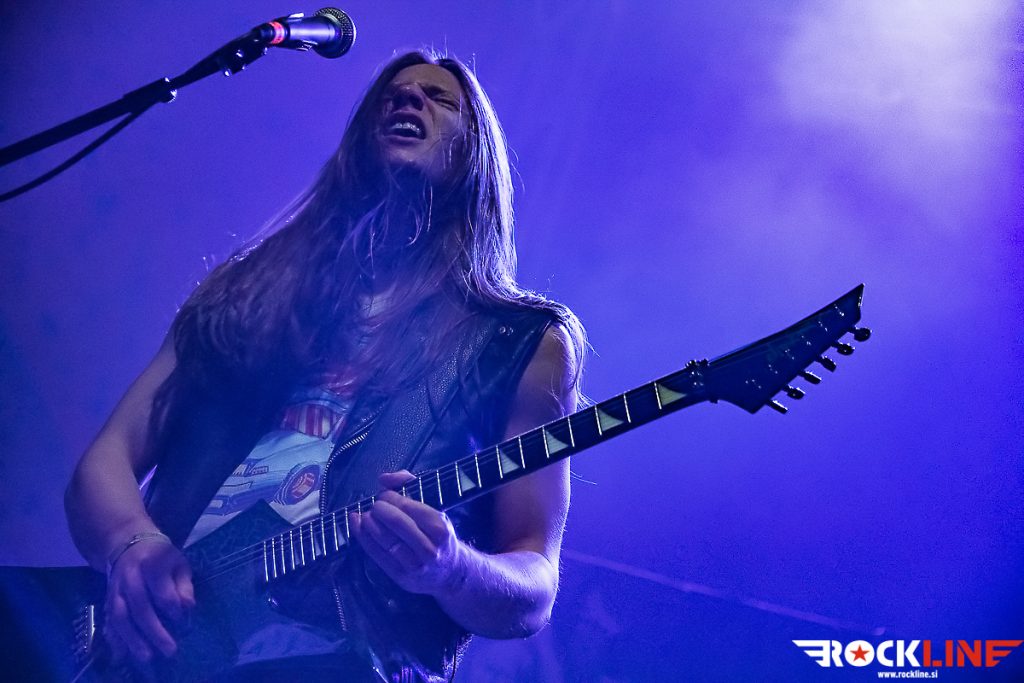
Insomnium
M.O.D.