

It wasn’t long ago that Mikael Akerfeldt, the head honcho of the “always hot” Scandinavian retro prog nostalgists Opeth (and, to the dismay of many fans of extreme metal, a (prematurely) metamorphosed prog death metal outfit), joyfully waved his brand-new vinyl copy of the cult Van Der Graaf Generator album “The Least We Can Do Is Wave To Each Other” around in one of his YouTube video posts, like the huge fan he is. Now, far more shocking than Akerfeldt’s vinyl hoarding is the realization that on February 6, 2020, exactly 50 years passed since its release!
“The Least We Can Do Is Wave To Each Other” (you can check out the RockLine review HERE) came out on Charisma Records, founded by Van Der Graaf Generator’s then-manager Tony Stratton-Smith, and it’s the only album by the band that ever made the UK top fifty best-sellers chart. It peaked at number 47.
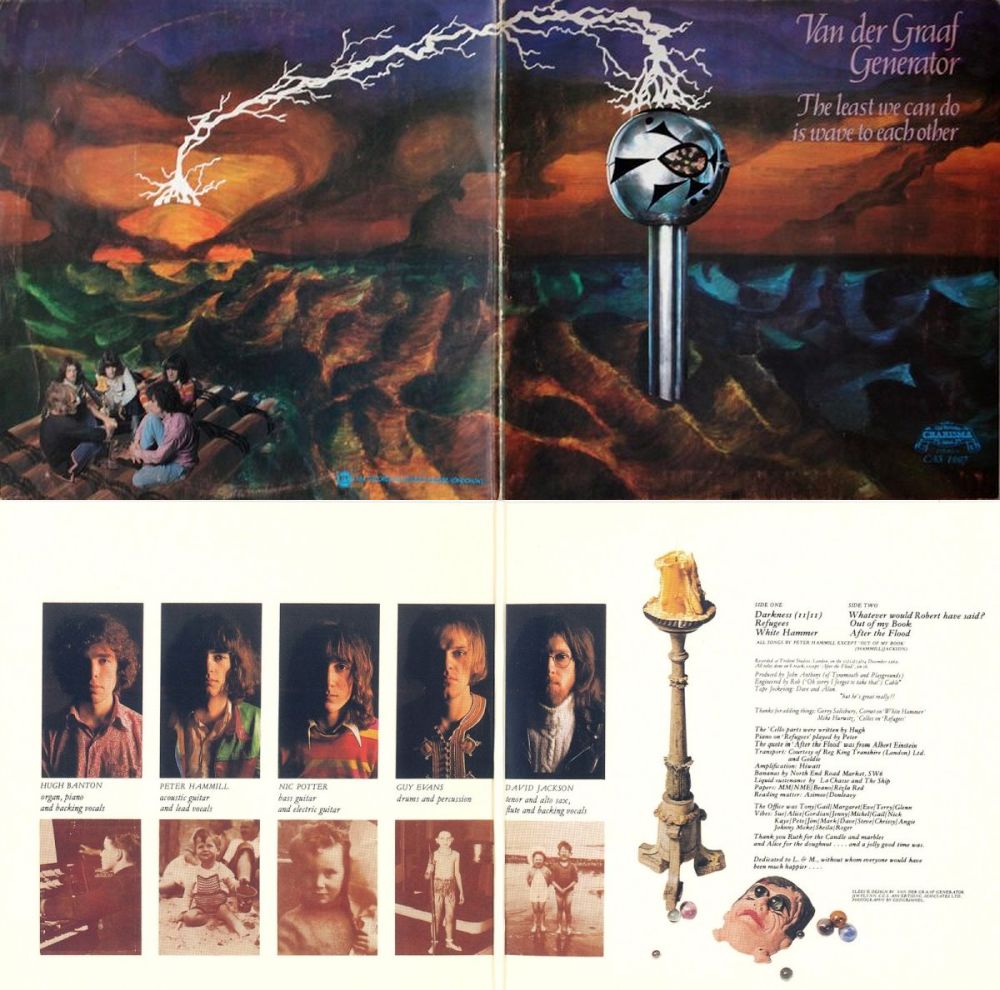
This is the album that “saved” Van Der Graaf Generator’s career and clearly set the compass needle for the band’s further evolution. After a period of crisis, when they split up even before the release of their debut “The Aerosol Grey Machine” (RockLine review HERE), the band laid down a clearly outlined framework of musical vision and developmental direction that they never abandoned for the rest of their career. Van Der Graaf Generator served up an avant-garde album of powerful stylistic transition that was so progressive and inspiring, thanks to its eclecticism and strangeness, that no musical trend caught up with Van Der Graaf Generator for a good decade. In the second half of the seventies, even the first punk rock bands drew inspiration from it, precisely because of its atmospheric creepiness, doomy madness, bizarre content full of sonic weirdness, and the constantly thundering and often dissonantly twisted vocal maneuvers of Peter Hammill, from whom even David Bowie himself learned.
The songs for this album were mostly written by band leader Peter Hammill, while the arrangements were handled by the whole band. Hammill also contributed all the poetry for the album, which draws on witchcraft, the apocalypse, and relationships between friends. With this album, Van Der Graaf Generator hit hard with no compromises, delivering fresh stylistic vividness and a caustic, brutal and above all strange mix of classical music, jazz and (blues) rock. In doing so they flung the doors wide open for the rise of the genre branch known as progressive rock. Let’s be honest, at the time only King Crimson’s debut served up this kind of eclecticism and avant-garde, namely “In the Court of the Crimson King” (you can check out our special feature on the 50th anniversary of that album HERE). Genesis had barely put out a debut that didn’t yet hint at what their second studio album would bring, the way Van Der Graaf Generator’s did, and these were also still the days when Yes hadn’t completely wriggled out of the psychedelic approaches of the early part of their career. In short: at that time, alongside King Crimson, Van Der Graaf Generator placed themselves with their second album among the first pioneers plowing the progressive rock field.
“The Least We Can Do Is Wave To Each Other” is shocking, yet at the same time “fatally” attractive to every lover of complex and avant-garde music, as it delivers extraordinary dynamism and vivid leaps, including, for example, on one side the delicate ballad Refugees, where Hammill, combining piano arrangements with his incredibly piercing falsetto, simply shines in that kind of delivery, while songs like White Hammer and After the Flood deliver pieces that go for an extremely unusual and, for the time, exceptionally aggressive delivery.
Although it’s the band’s second album under the name Van Der Graaf Generator, the band recognized it as their first real official studio album. The debut “The Aerosol Grey Machine”, released in September 1969, was in fact written and recorded to come out as a solo studio album by Peter Hammill for Mercury Records. That label didn’t want to let Peter Hammill out of his contract, and because of this blockade and dead end Van Der Graaf Generator even broke up for a short time. Luckily, the negotiating virtues of the band’s tactically well-versed manager Tony Stratton Smith, fluent in the language of diplomacy, came to the fore. He softened up the top brass at Mercury Records with a proposal that the label release “The Aerosol Grey Machine” under the name Van Der Graaf Generator and, in return for that offer, release the band from all obligations Van Der Graaf Generator had to Mercury Records. That meant the label dissolved the contract with the band, who immediately signed a new one with Charisma Records (which later took under its wing such acts as Genesis and Jethro Tull, among others).
By the time the debut came out, back in September 1969, the band had already begun intense rehearsals and tried out new material (in several variations, with improvisations) on a daily basis. Hammill, who wrote practically all the songs, composed them to the point where he could present them on his own to the other members, and the band then polished the arrangements together. The organist and keyboardist Hugh Benton and the freshly minted member, the exceptional saxophonist and flutist David Jackson, took on especially important roles in the arrangements. Hugh Benton had musical knowledge and a background as a church organist, and at the time he was also enthralled by modern French classical music, which meshed superbly with Hammill’s compositional style. Benton was using a “Farfisa” organ back then, which gave the band’s character a special sound.
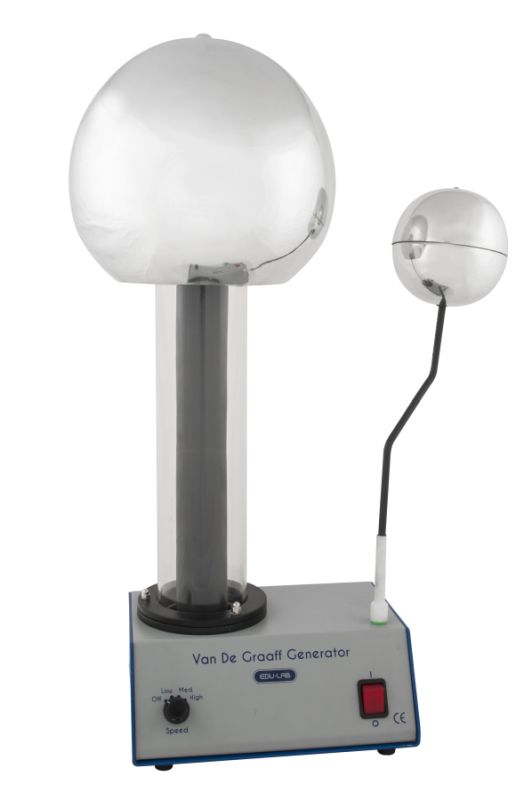
The opener “Darkness (11/11)” has that title because it was written on “St. Martin’s Day”, which the Brits apparently understand a bit differently, namely on 11.11.1968. In its new (for the band, revolutionary) guise, it gained from David Jackson’s wind arrangements, as he brought into them a technique he’d picked up from the jazzman Roland Kirk. During the performance, Jackson would often play alto and tenor saxophone at the same time (simultaneously). The song “Refugees” was written about Hammill’s former flatmates, with whom he shared an apartment. They were Mike McLean and Susan Penhaligon (you can also tell from the lines “…west is Mike and Susie…”). For the song “White Hammer,” Peter Hammill found inspiration in the work “Malleus Maleficarum” (translated, “The Hammer of Witches”), which documents medieval witchcraft that was fiercely persecuted by the Inquisition at the time. The song “Whatever Would Robert Have Said?” references the inventor Robert J. Van de Graaff, who invented the generator the band took its name from. The song “Out Of My Book” was created on piano by David Jackson and finished with guitar by Peter Hammill. The closing track “After the Flood” ventures into the realms of science fiction and dark visions of an approaching apocalypse and total destruction (see the album cover). It draws its inspiration from the “Cold War” era between the USA and Russia. It builds on a twelve-tone figure arranged by Jackson and is saturated with constant stylistic leaps and a string of manifold moods.
“The Least We Can Do Is Wave To Each Other” was recorded in four days at London’s Trident studio, specifically between 11.12. and 14.12.1969, under the production baton of John Anthony. The band, which at the time was still a quintet with bassist Nic Potter, had reached an extraordinary level of tightness, and so they managed to record the album very quickly. Tony Stratton-Smith gave the band complete peace during the recording and left them all the artistic freedom. Drummer Guy Evans recalls that producer John Anthony was “a very good organizer” and that he very quickly “got on the same wavelength” with Hammill’s highly intelligent musical talent and exceptional composing abilities. Studio Trident had very advanced logistical equipment at the time when it came to recording techniques. Most of the album was recorded with an eight-channel mixing desk, while for the song “After the Flood” they used a sixteen-channel one. Anthony added some sound effects he’d found in the BBC sound library to the intro of Darkness (11/11). In part of After the Flood, Hammill’s vocals were beefed up with tremolo and distortion effects. Guest musician Mike Hurwitz contributed cello on “Refugees”. Besides Hammill, Banton is also a co-author of this song, though officially that isn’t credited, and Banton created an arrangement for a nine-piece string orchestra for that same song. That’s how another version of the song came about, which was later also released as a single. The other side of the single features The Boat of Millions of Years, which isn’t on the album. Because the band recorded the album quickly, there was enough time for Nic Potter to bolster individual parts of the songs with extra electric guitar as well.
When the album came out in February 1970, Tony Stratton-Smith was unhappy with Anthony’s production. He got the album sent through another round of mixing. That was done by Shel Talmy, and the first pressing of the album came out with the “refreshed” mix, which earned Charisma Records the band’s outrage. Van Der Graaf Generator demanded a remix by John Anthony again, which Charisma Records accepted, and Van Der Graaf Generator kept Anthony by their side at the production helm on future releases too.
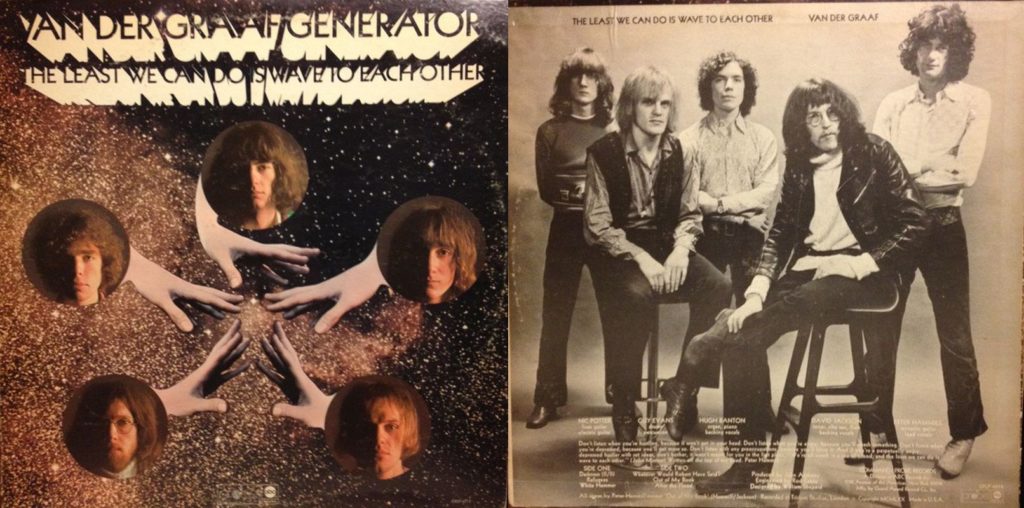
The cover carries the dedication “L & M, without whom everyone would have been much happier”, which is seen as a direct dig and bitter experience stemming from the days when the band worked with Lou Reizner (“L”) and Mercury Records (“M”). The first pressing of the album for the American market, released there on Probe (a subsidiary of ABC Records), had a different cover than the one for the European market and the rest of the world. The classic cover (including the European market) depicts a post-apocalyptic world, with a piece of Van de Graaff’s invention in the foreground on the left, featuring an all-seeing eye (the “Big Brother” eye).
The band took the idea for the album title from a quote by the British painter John Minton: We”re all awash in a sea of blood, and the least we can do is wave to each other.” (translation: “We’re all flooded with a sea of blood, and all we can do is wave to each other”).
You can read the in-depth review of the Van Der Graaf Generator album “The Least We Can Do Is Wave To Each Other”, contributed to RockLine by Peter Podbrežnik, in full HERE!
