Author: Peter Podbrežnik
Photos: Aleš Podbrežnik
Location: Piazza Unita d'Italia / Trieste / Italy
Concert date: 07/31/2010
Attendance: 800
Ticket price: free admission
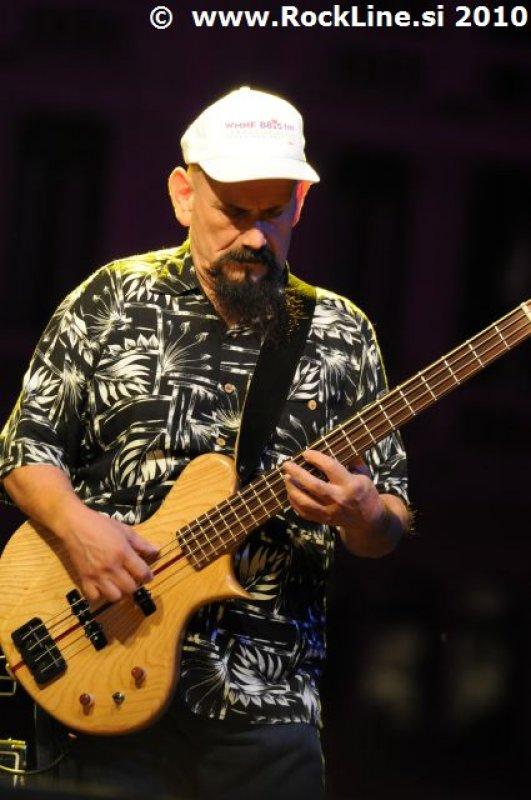
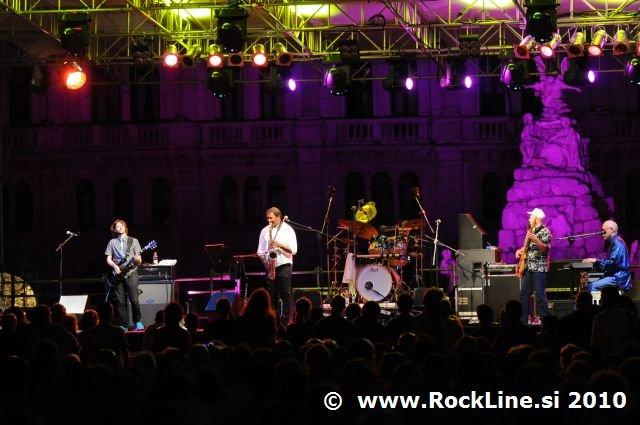
The second day of the Trieste summer rock festival served up plenty of joy for fans of the immortal American composer, guitarist, singer, satirist and director Frank Zappa. The legendary composer died back in “ancient” 1993, but his legacy lives on through various bands made up of former members of his many backing lineups. The Grande Mothers Re:Invented are the only active band playing material from Frank’s rich catalog that can boast two members of the original The Mothers Of Invention, meaning they worked with the legendary artist right from the start of his studio career.
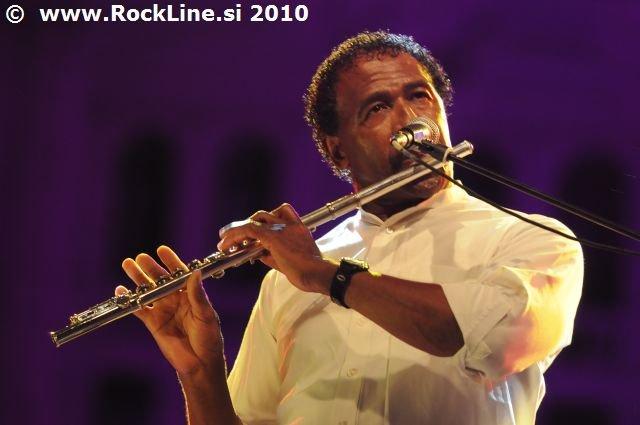
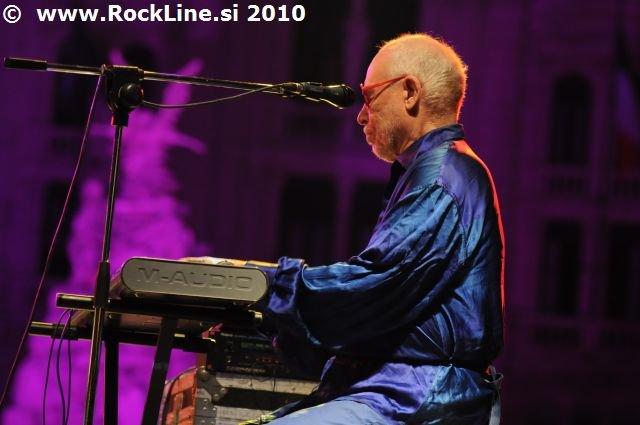
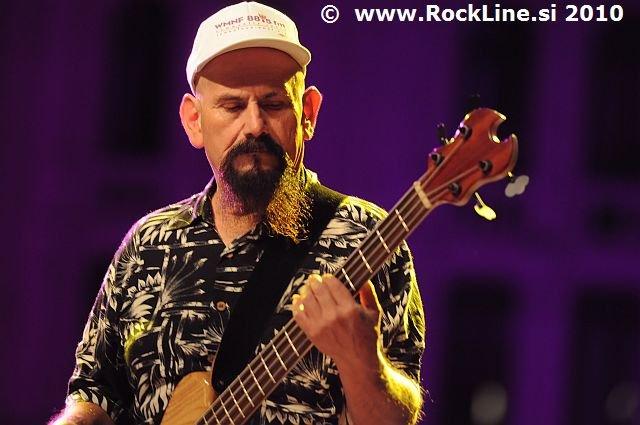
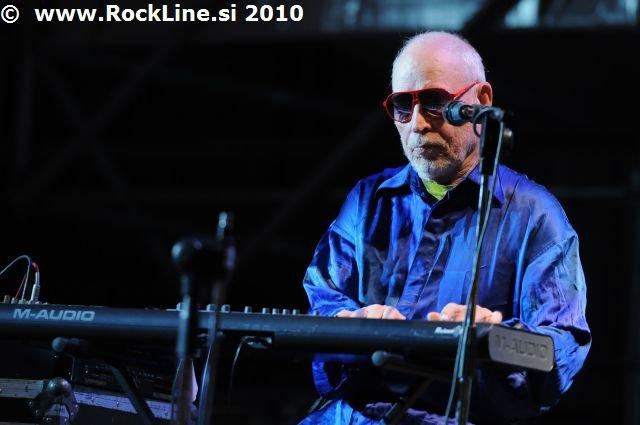
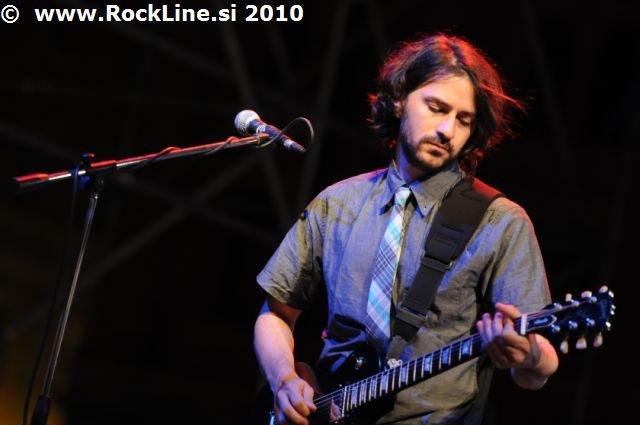
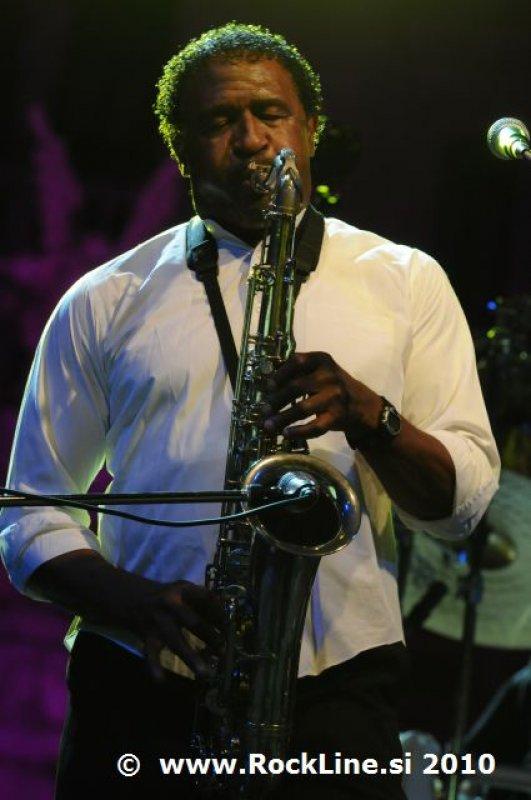
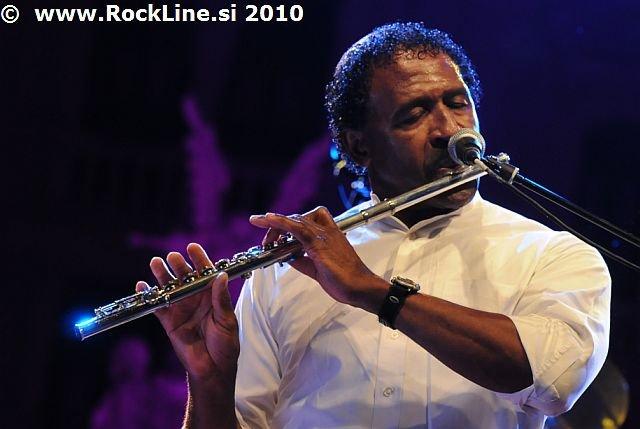
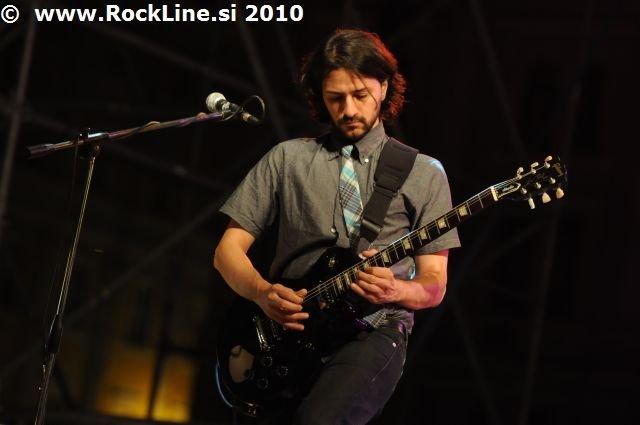
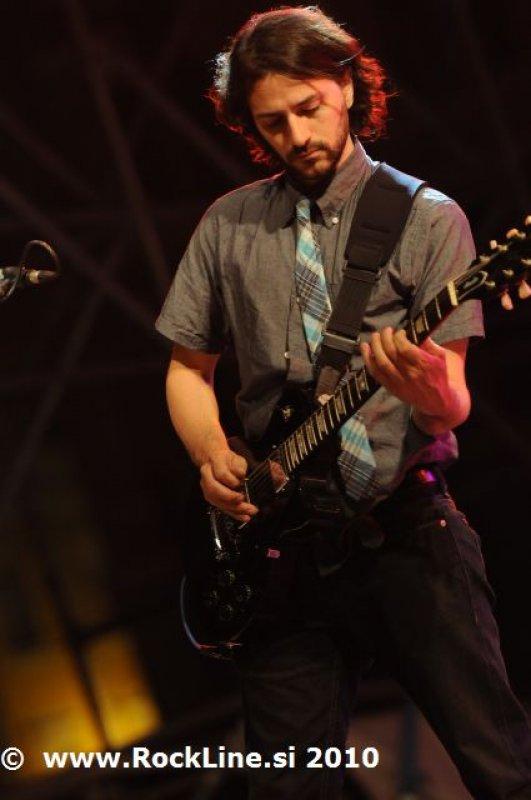
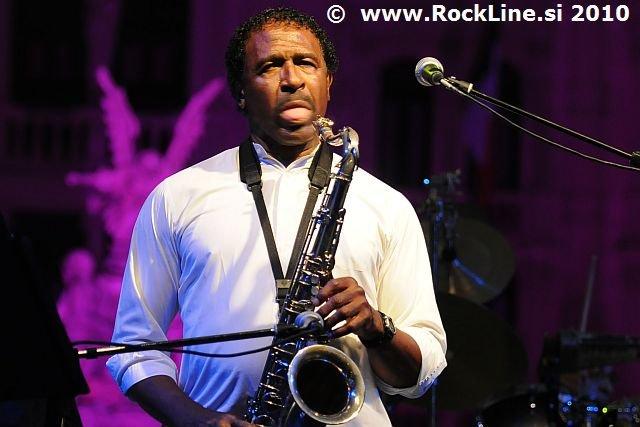
Bassist and singer Roy Estrada played with Frank from the very founding of the legendary band and already appeared on “Freak Out” (1966), the Mothers’ studio debut, while keyboardist and backing vocalist Don Preston can claim to have worked actively with Frank from the second album, “Absoulutely Free” (1967), all the way to the breakup of the original lineup at the end of the sixties. Among the legendary musicians who had the honor of working with Frank personally, the lineup also includes the charismatic saxophonist, flutist and singer Napoleon Murphy Brock, who doubles as the Grande Mothers’ frontman. Murphy Brock worked actively with Frank between 1973 and 1976, which is considered one of his most prolific periods. The legendary original drummer Jimmy Carl Black, who sadly passed away last year, has been replaced by Christopher Garcia, who proved during the show that he’s a worthy successor to the unforgettable Indian. Young guitarist Robert Mangano had the toughest, most thankless job of filling in for Frank’s guitar parts, yet he still shocked the crowd with wild solos and an excellent grasp of Frank’s guitar technique, which Steve Vai still markets successfully today in a slightly more polished version.
The seats on the main square were noticeably emptier that evening, which wasn’t much of a surprise, since Frank’s mostly avant-garde artworks just aren’t for every taste. True to the manner of their great teacher, the Grande Mothers are merciless sonic perfectionists, who didn’t start playing for several more minutes after appearing on stage, not until the sound was optimal for their high standards. They opened the show with the cult main theme from the double concept album “Uncle Meat” (1969), which was also Frank’s first film. “Uncle Meat” played a major role that evening in general, as later in the set they also played the classic “The Air” from it, along with recognizable variations, to which they added something totally new, just as they should. The same went for most of the other classics of the night, which were pretty hard to recognize in their new improvisational outfits, but sounded no worse than the originals for it.
The legendary album “Hot Rats” (1969), the master’s best work according to many Zappa devotees, was represented by “Gumbo Variations” and the immortal instrumental classic “Peaches En Regalia”, which is also one of Frank’s most recognizable creations and the “initiation” track through which many first got to know the artist’s ‘endless’ musical legacy. The performance of the cult prog rock classic “Andy”, the best song on the album “One Size Fits All” (1975), was a very pleasant surprise. Especially delightful was Preston’s iconoclastic synthesizer solo in the middle section, which thrilled all the fans of symphonic prog rock and fusion. Lead vocals were shared out smoothly among Estrada, Preston, drummer Garcia and lead singer Murphy Brock, who also danced several times, especially during the faster, funkier numbers. After all these years, Napoleon is still an excellent singer, bringing a generous dose of soul and funk to individual classics. That evening he especially wowed with his vocal acrobatics on the “Overnite Sensation” (1973) classic “I’m the Slime”, on which he’s the original singer anyway.
Drummer Garcia, meanwhile, successfully stood in for the legendary Captain Beefheart on the blues rock burlesque “Debra Kadabra”, which originally comes from the live album “Bongo Fury” (1975). All three of Frank’s former collaborators also shone in the harmonized use of falsetto vocal lines. And of course, any concert built on Frank’s legacy is first and foremost relaxed fun with a hefty dose of humor, led by plenty of silly gags and slapstick. The role of Frank’s main narrator of the stage burlesques between songs was filled by all three old-timers, but naturally they couldn’t hold a candle to their genius teacher in that department. After a reserved start, when they were never happy with the sound and repeatedly apologized to the crowd for the awkward waits between songs, they loosened up tremendously as the show went on and staged some breathtaking jazz improvisations that even Frank himself would have been proud of.
One of the highlights of the entire concert was undoubtedly the excellent rendition of the burlesque-spiced jazz fusion classic “Big Swifty” (the original comes from the album “Waka/Jawaka, 1972), best known for its “circus-like” opening section with a rattling, “Balkan” rhythm that’s incredibly hard to keep a straight face through. In the middle of “Big Swifty” they slipped in a medley made up of various shortened songs from Frank’s career, which was a pretty good move, since it’s practically impossible to cover all the most famous moments of his career from such a vast legacy, especially when every album is a separate era of its own. The Grande Mothers successfully embraced the sixties and seventies (some of us did miss a track from the concept masterpiece “Joe’s Garage”, 1979), while they only touched on the eighties in passing, with a shortened version of the classic “I Come From Nowhere”, which was part of the “Big Swifty” medley.
Of course, that evening couldn’t go without songs from the early years of the Mothers Of Invention, specifically from the first three albums, from which they picked “Trouble Comes in Every Day”, “How Could I Be Such a Fool” and “I ain’t Got No Heart”, where psychedelia, doo-wop and the avant-garde once again joined hands. One of the evening’s bigger feats was the performance of the jazz fusion masterpiece “Holiday in Berlin-Full Blown” from the album “Burnt Weeny Sandwich” (1970), in which, besides numerous witty improvisations, they also wove in the main motif of “Stormy Monday”, the blues classic by T-Bone Walker. To close out the regular set they played “Village of the Sun” (the original is on the live album “Roxy & Elsewhere”, 1974), one of the few more radio-‘friendly’ classics from Frank’s treasure trove.
With the clock really starting to chase them, they came back on stage once more and delighted all the longtime devotees with an encore. For the grand finale they played the classic “Montana”, one of the best-known Zappa masterpieces, which woke even the biggest sleepyheads in their chairs and got even those singing along to the chorus who, while wandering around during the show, had no idea what was happening on stage, since MTV has long been their main musical-spiritual shepherd. As per tradition, they tweaked the line “I’m moving to Montana” a bit, swapping “Montana” for “Trieste”. As expected, they steered clear of Frank’s biggest hit, “Bobby Brown (Goes Down)”, because of its commercial nature, but nobody was disappointed about that.
Despite far fewer people showing up for their concert than for Focus, the keepers of the legendary composer’s legacy demonstrated with a phenomenal show why they still belong to the elite of the best instrumentalists, and that they haven’t forgotten a single thing their great teacher taught them, to whom they also paid respectful tribute at the show with a short speech. Anyone who happened to miss the Grande Mothers’ set, or couldn’t make it for whatever reason, has every right to hold their head in their hands, since they very likely missed one of the last chances to see one of the original members of The Mothers Of Invention, and with that some of Frank’s closest collaborators, anywhere near the Slovenian border.
photos: Aleš Podbrežnik
Photo Gallery