Author: Peter Podbrežnik
Photos: Aleš Podbrežnik
Location: Holzkirchen / Germany
Concert date: 02.08.2014
Attendance: 1000
Ticket price: €0.00 (free entry)
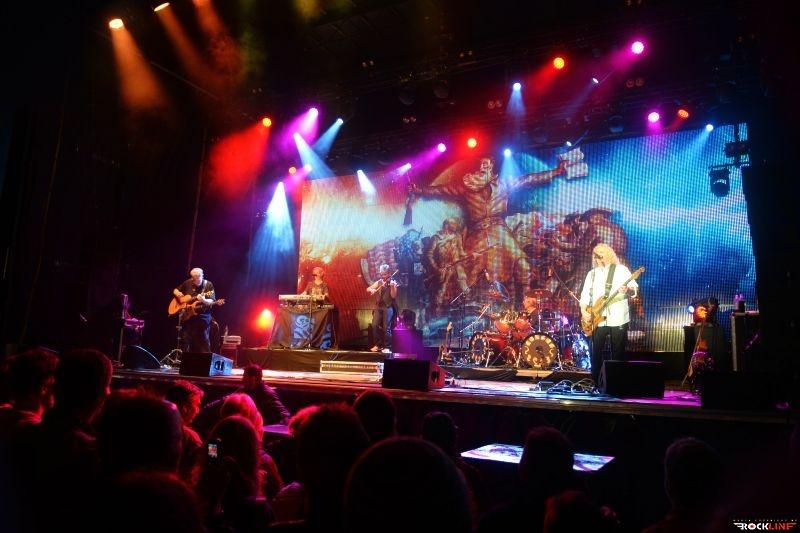
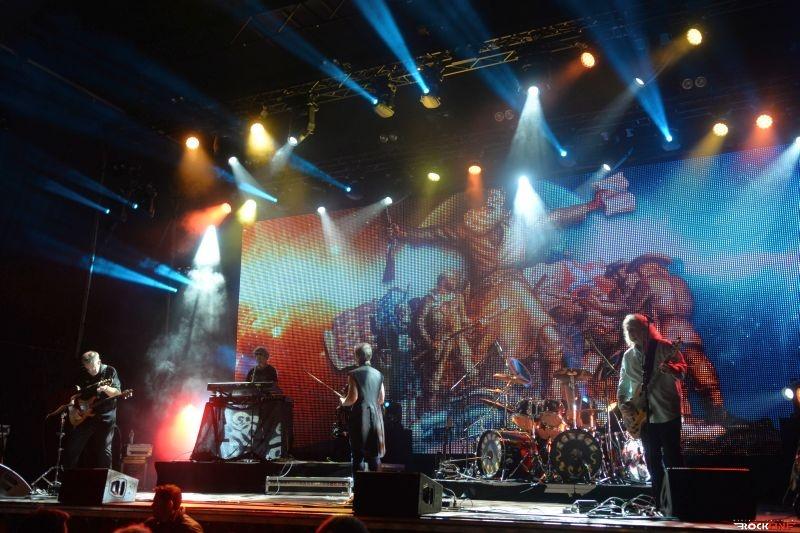
Catching a standalone show by the American progressive rock legends Kansas on the European concert scene has been a pretty rare thing in recent years, so every chance to see them live has to be grabbed right away, especially when the gig is free and at a relatively accessible location. That’s exactly what happened at Kansas’ show in Holzkirchen, a small Bavarian town near Munich, where the American masters of progressive rock, to the delight of plenty of German fans and a few Slovenes who made the trip, played right in the middle of the main town square. From the very first second of their roughly hour-and-a-half set, they proved they’re nowhere near ready for the scrapheap, even though last year they celebrated forty years together.
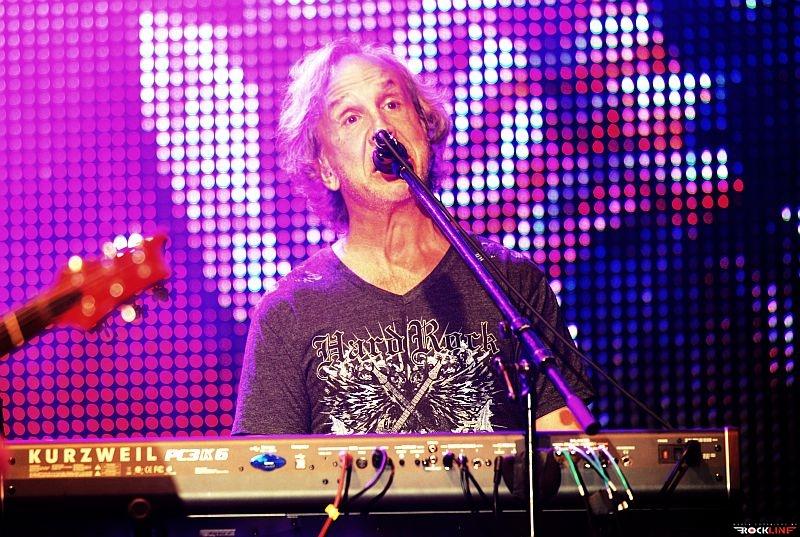
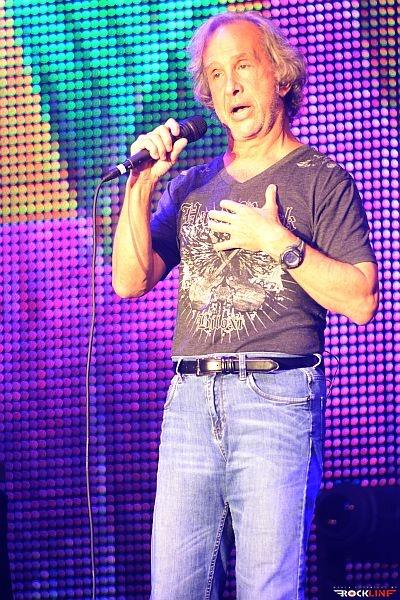
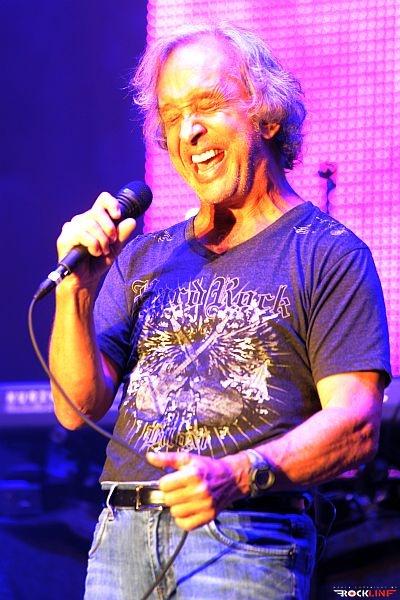
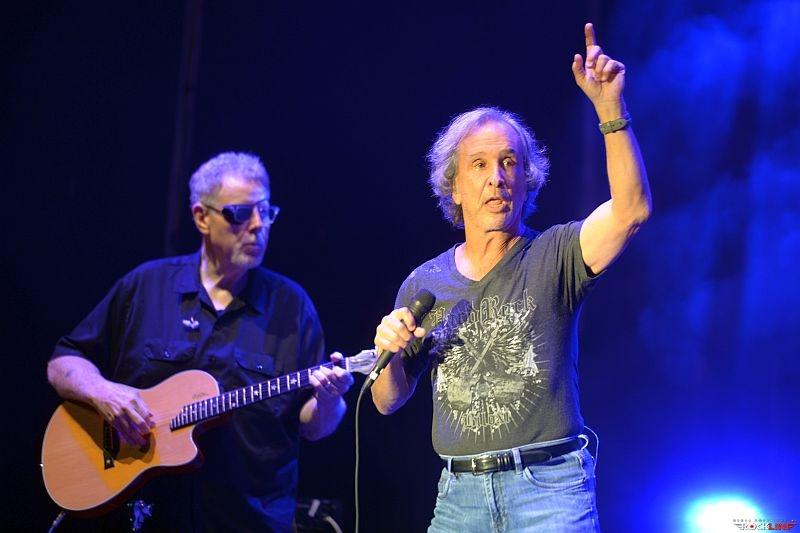
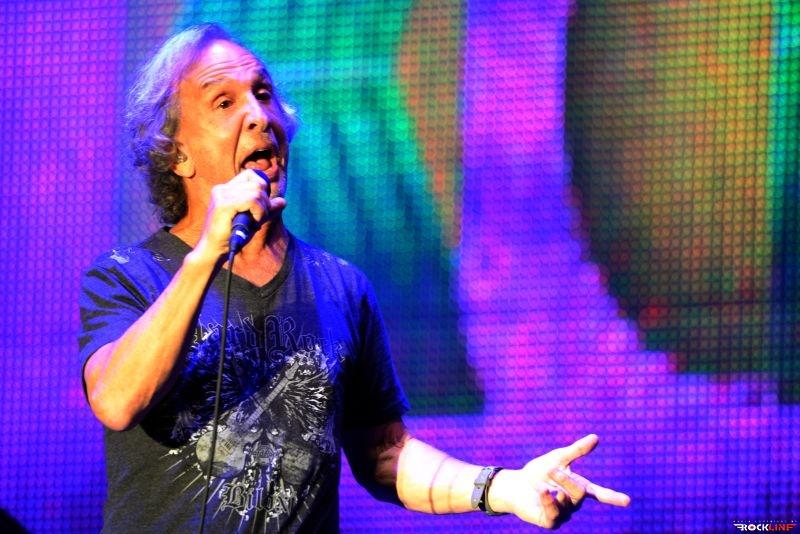
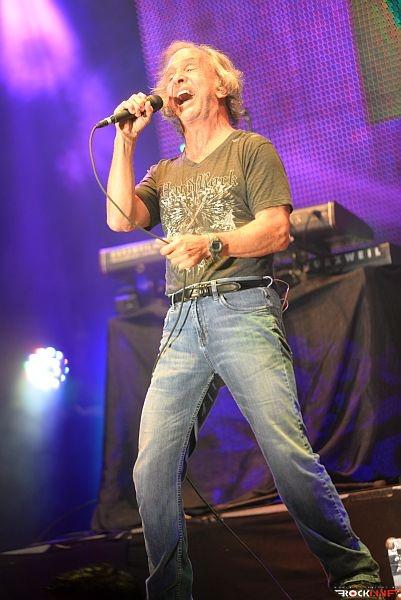
This was the second-to-last European show for the cult band from Topeka, Kansas, in their current lineup, since after 41 years original vocalist and keyboardist Steve Walsh is leaving, having decided to retire, which gave the Holzkirchen gig even more symbolic and emotional weight. Walsh’s already announced successor Ronnie Platt will have a seriously tough job ahead of him, as he’s stepping in for one of the most respected singers in the history of prog rock/arena rock, a man who in his golden days was a role model for plenty of AOR vocalists too. Steve’s voice started to fade back in the nineties, and over the last decade it simply hasn’t been the “real” thing anymore: it sounds aged and he struggles quite a bit to reach the higher vocal lines, but he’s still held on to that unmistakable charisma.
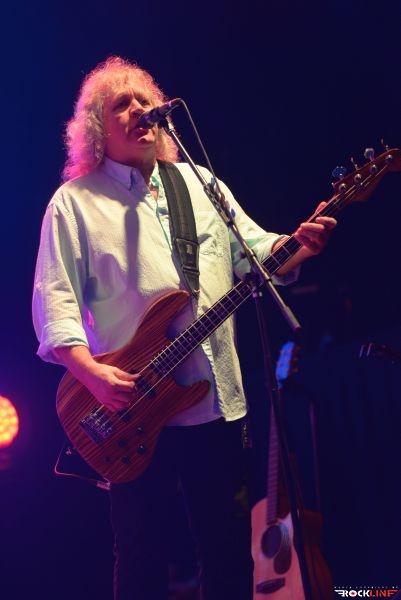
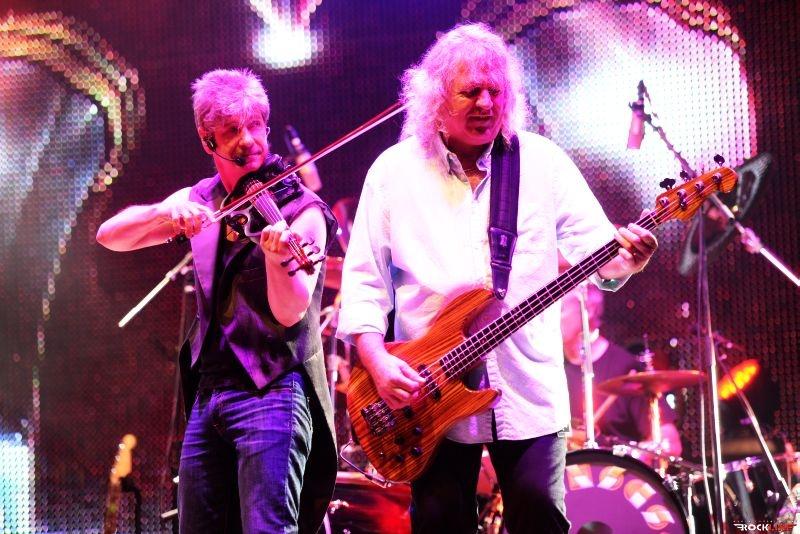
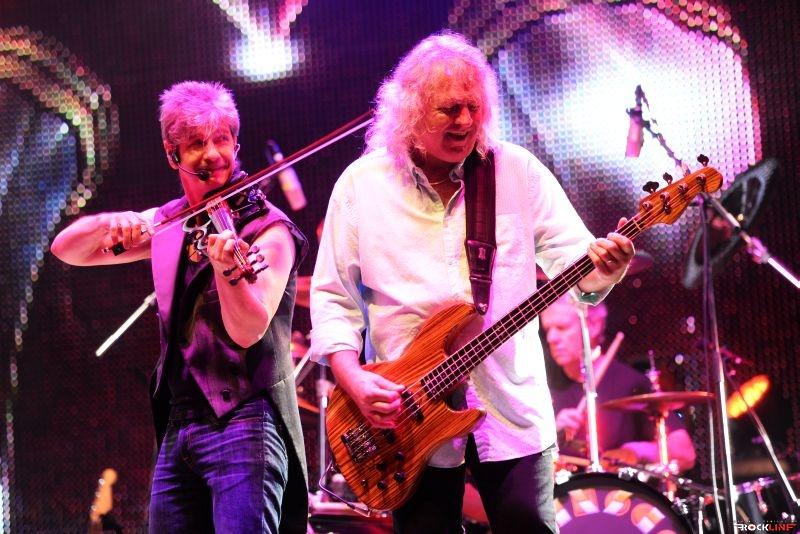
Helping out with the extra vocal duties was bassist and backing vocalist Billy Greer, who in his “spare time” is also a member of Seventh Key, and he did so convincingly. Greer sang those parts of various songs that were originally handled by former member, violinist Robbie Steinhardt. Walsh’s keyboard skills, on the other hand, remained completely intact, and the same goes for the instrumental chops of the rest of the Kansas crew, who complemented each other brilliantly while playing their beloved standards that night, which makes it all the sadder that after Walsh’s (second) departure, things will never be the same again.
The setlist was mostly made up of classics from the period between 1973 and 1980, when the classic Kansas lineup broke through in the late seventies to become one of the most successful American rock bands on both sides of the Atlantic. Those days are long gone now, but Kansas still enjoy enormous respect from all lovers of good music and rightfully count as the most important American progressive rock band, one that influenced names like Dream Theater, Spock’s Beard, Stryper, Yngwie Malmsteen and Enchant, to list just a few of the acts in whom a major Kansas influence can still be felt today. Of their four biggest hits, namely »Carry On Wayward Son«, »Dust In The Wind«, »Point of Know Return« and »All I Wanted«, we got three that night, all perfectly logical and expected picks.
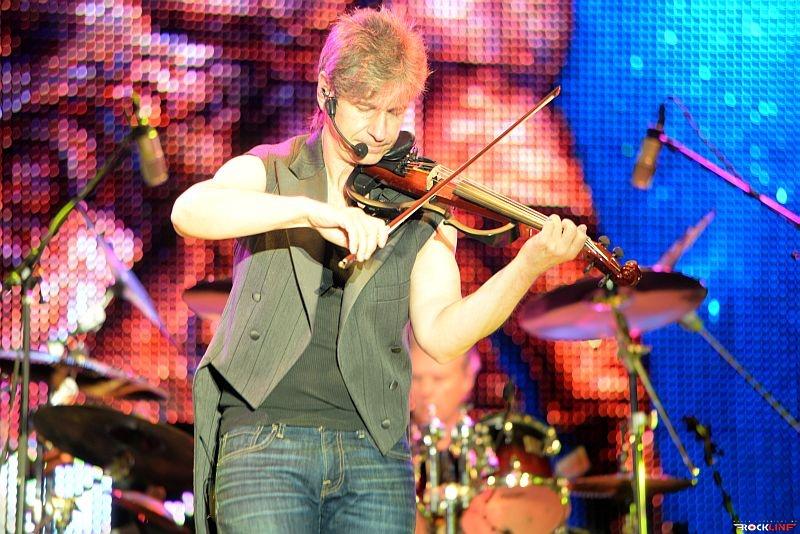
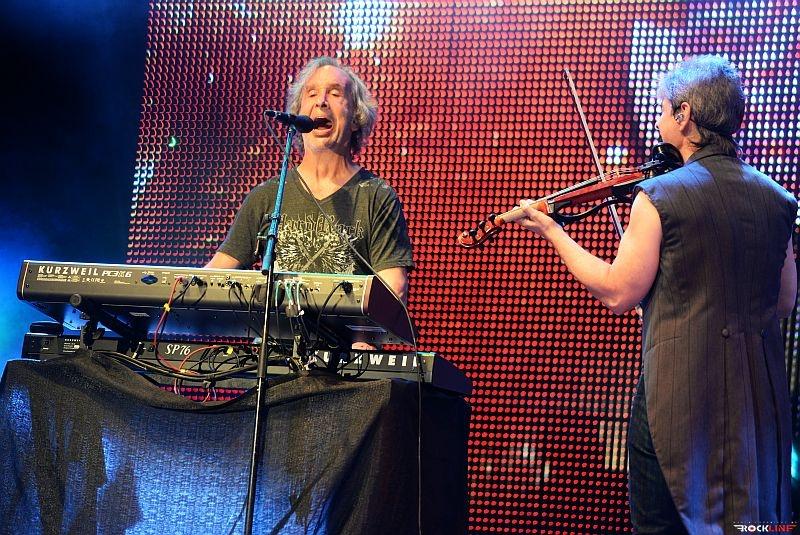
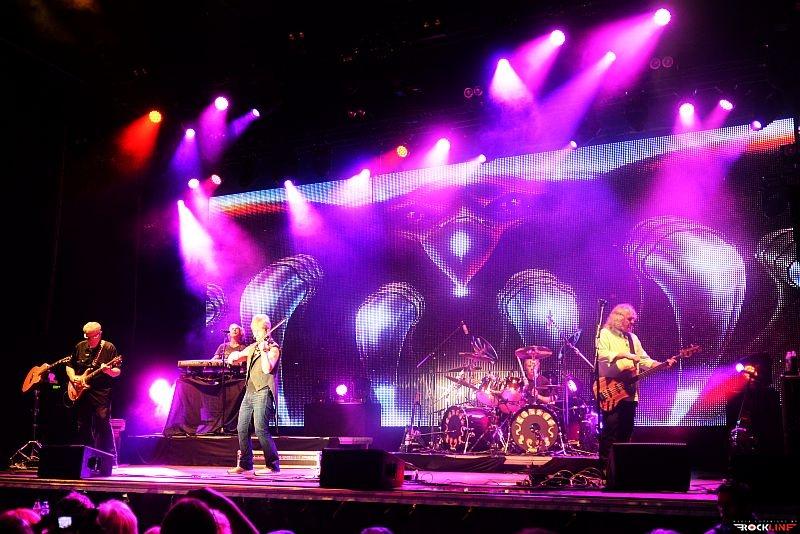
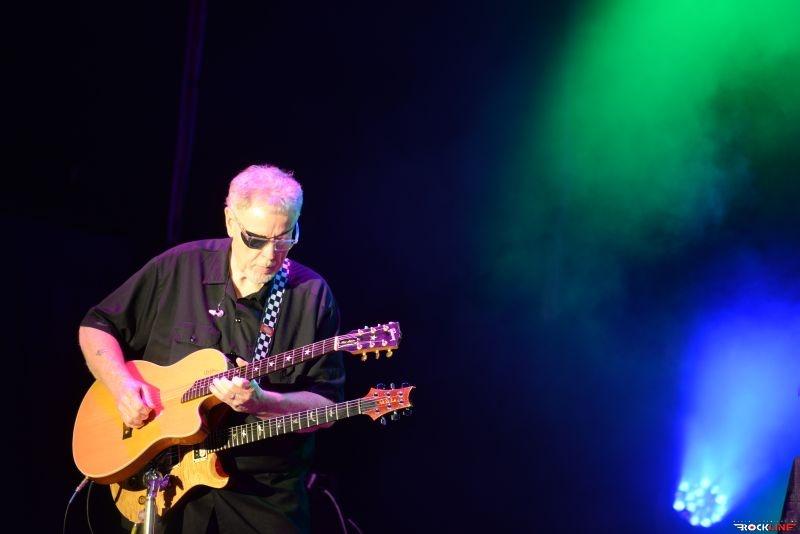
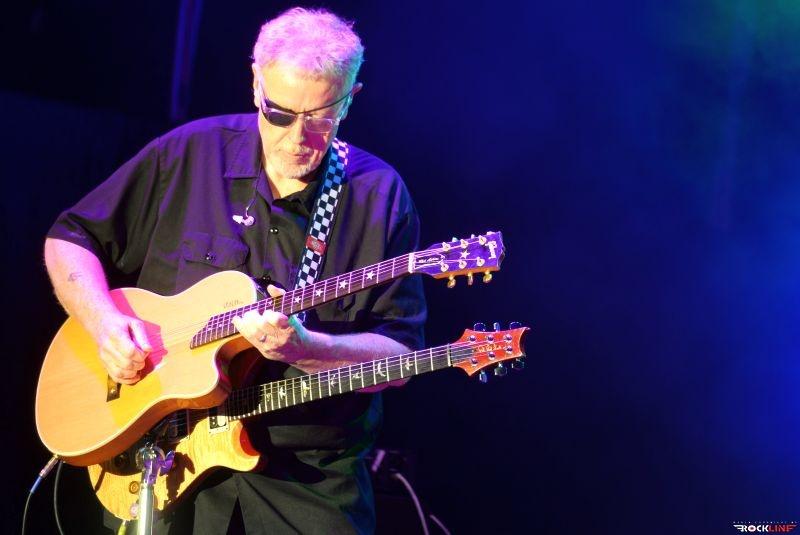
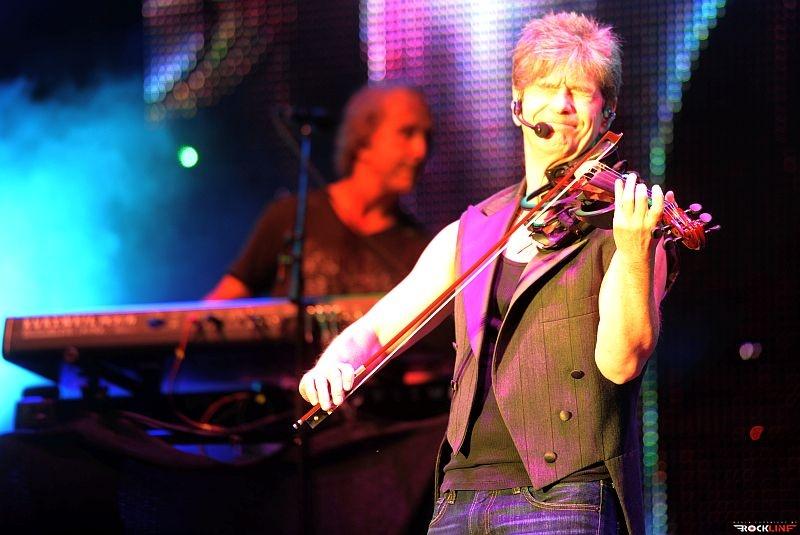
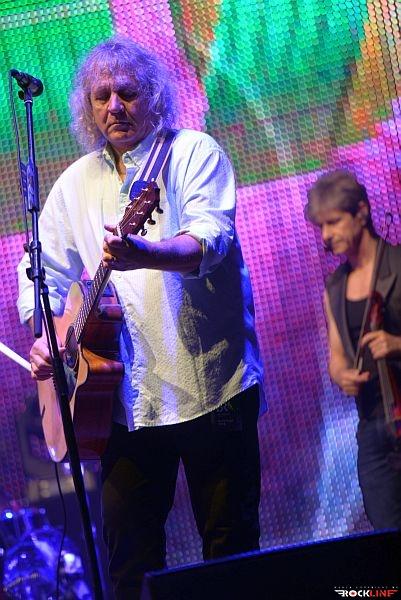
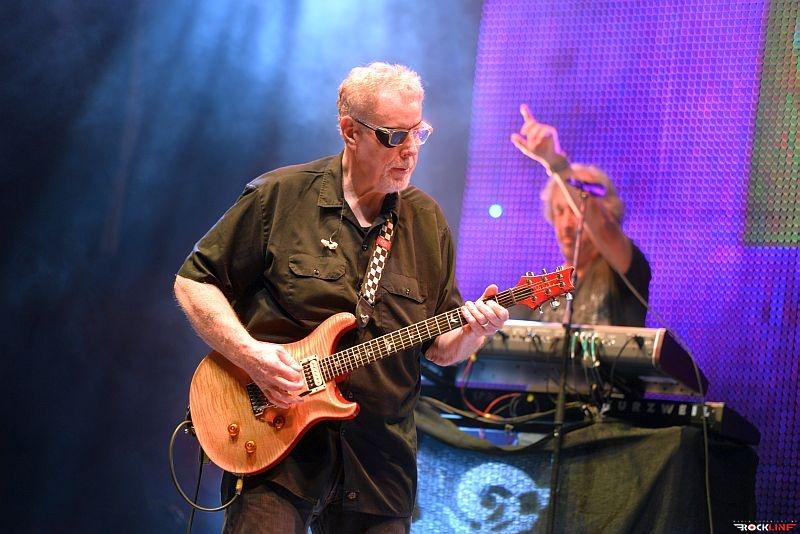
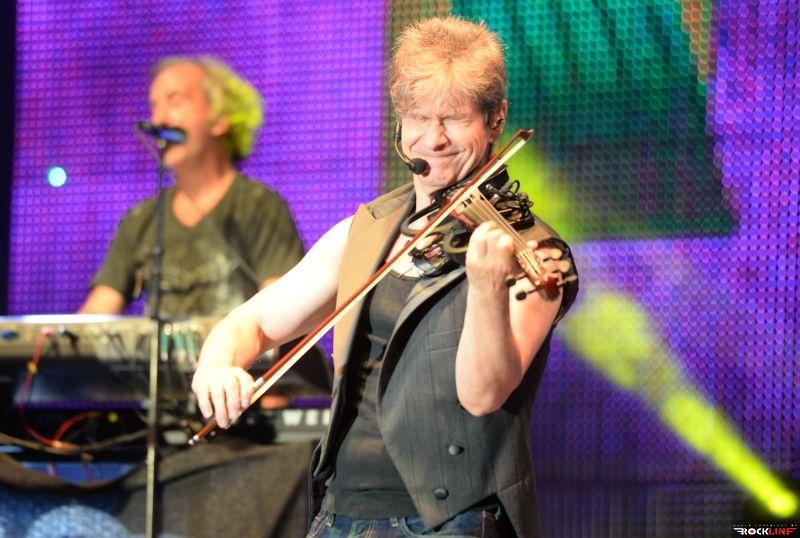
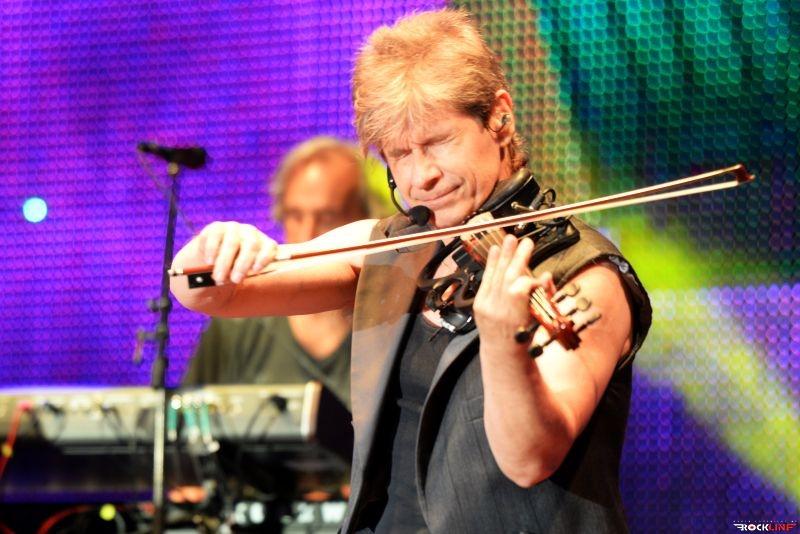
Kansas opened their set with an epic medley made up of »Mysteries and Mayhem« and »Lamplight Symphony«. In the latter they focused on the instrumental sections and, across the different variations, proved they’re still masters of their instruments. Violinist and occasional extra guitarist David Ragsdale, who replaced original member Robbie Steinhardt in 1991, was positively glowing during his virtuoso string excursions. During »Miracles Out of Nowhere« and »Fight Fire With Fire« he backed up the one-eyed guitarist Rich Williams, who has long been the main Kansas guitarist, ever since founding member Kerry Livgren bowed out. The rather static and serious Williams subtly shifted between electric and acoustic guitar and showed that, after the departures of Livgren and later Steve Morse (Deep Purple), he’s grown into a brilliant lead guitarist. All the Kansas albums from the seventies were represented that night except »Monolith« (1979), but as expected, the spotlight fell on their two greatest masterpieces, »Leftoverture« (1976) and »Point of Know Return« (1977).
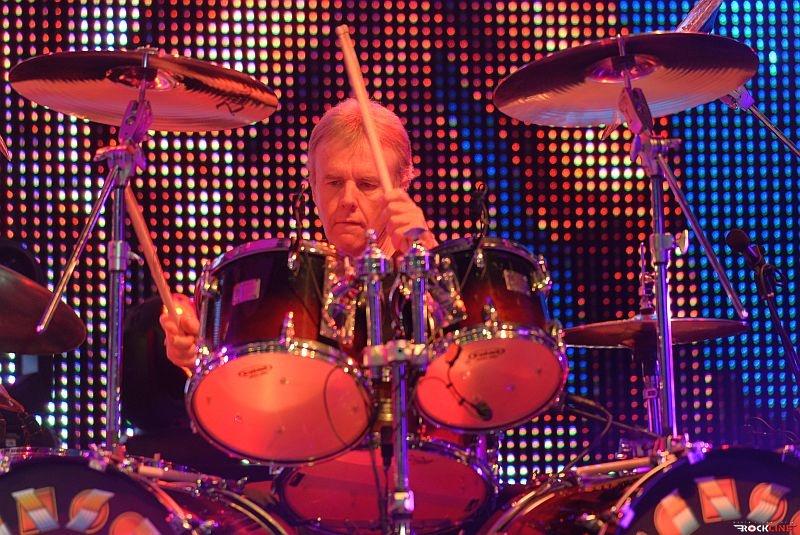
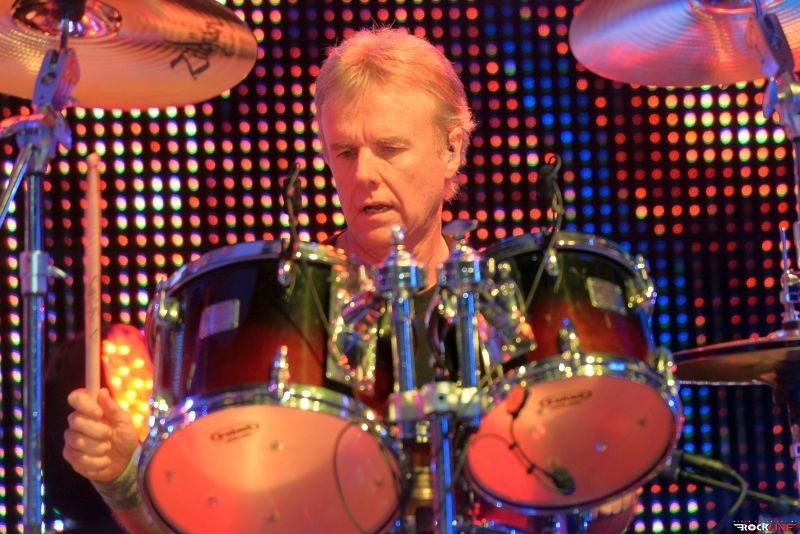
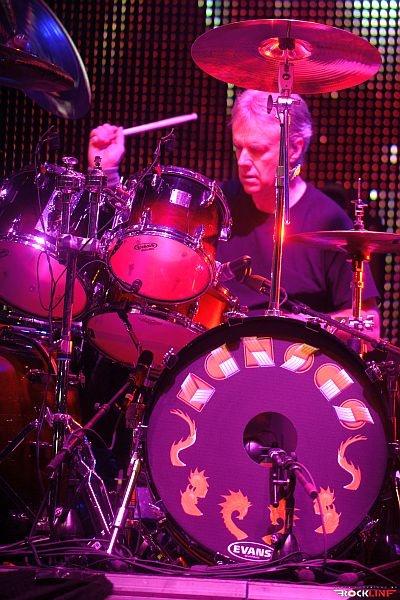
So we were soon enjoying the »Leftoverture« evergreen »The Wall«, and then they played the first of their big hits. Walsh struggled quite a bit with singing most of the verses, but he and Greer somehow managed to pull off the triumphant »Point of Know Return« chorus. It’s worth mentioning that the charismatic singer and keyboardist has still kept his old, lively stage choreography whenever he steps out from behind the keys and grabs the microphone, even though he looked visibly tired in the face. The traditionally reserved German crowd was properly loud the whole time and gave the band great support. The unforgettable ecological epic »Song For America« from the album of the same name was another emotional high point of the night. Drummer Phil Ehart, who along with Walsh and Williams is the only founding member left, still pounds away at full tilt behind his kit and pulls off moves you’d more likely expect from some young hotshot out to prove himself.
»Hold On«, the best-known track from the album »Audio-Visions« (1980), which showcased the arena rock side of the Kansas legacy, also came off really well, even though Walsh could only just barely cover up his vocal troubles during the chorus. During the evergreen ballad »Dust in the Wind«, the mood took on a contemplative dimension. Williams wasn’t exactly at his best on acoustic guitar here, but his bandmates made up for it all the more. One of the few downsides of the night, and one that had nothing to do with the band’s playing, was Greer’s announcement that anyone wanting Kansas shirts, CDs and similar concert “souvenirs” could just head over to their website, which came across as a bit stingy and self-serving. Greer won over the German crowd most when he touched their hearts by saying that he’s “sincerely happy for them that Germany became world champion in football, even though they beat the US national team in one of the earlier matches”.
»Cheyenne Anthem«, one of the most beautiful tributes to a Native American tribe, with Greer singing the opening verses, floored us with its epic nature, while during the punchy »Belexes« the band members let their virtuoso skills run free. The harmonies between Walsh and Greer came off “just the way they should”. »Icarus – Borne On Wings of Steel« is one of those Kansas classics that can’t be missing from any of their shows. It came off great that night too, even though vocally it’s one of the tougher songs in the Kansas catalog and Walsh’s voice was honestly “bending” at times. »Miracles Out of Nowhere« and »Portrait (He Knew)«, which closed out the regular part of the set, were also expected picks, while the hard-rocking »Down the Road«, a warning about the consequences of drug abuse, was quite a surprise, since it’s one of their lesser-known songs.
The biggest surprise of the whole show came in the encore, when Kansas unexpectedly hit us with the AOR crusher »Fight Fire With Fire«. Almost nobody expected it to make the shortlist of live evergreens, and on top of that it belonged to a completely different era. This punchy, melodic hit originally came out on the album »Drastic Measures (1983), which means Walsh didn’t even sing it back then, but rather his (temporary) successor John Elefante. Elefante recently said that “after his evening prayer, God simply didn’t give him the green light the next morning to return to Kansas”, after the band members asked whether he’d want to come back and once again replace his vocal idol (Elefante has said many times that Walsh was his main vocal role model).
Steve usually avoids singing songs from the Elefante era, which he doesn’t have much affection for, not so much because of the music itself or vocal difficulties as because of the overly religious nature of the lyrics at the time, which is also why he left the American prog rock champions the first time. The only live exception, besides »Play The Game Tonight«, that he’s happy to sing is therefore »Fight Fire With Fire«.
The crowd finally lost it when Kansas closed the show with their biggest hit, »Carry On Wayward Son«, which plenty of people know even if they have no idea that, besides the central US state, there’s also a legendary band with the same name. The most enthusiastic reaction went to Walsh, who before the closing triumph pulled on the German “elf” jersey with the number 19. That one belongs to Mario Götze, who scored the winning goal in the final against Argentina, so the German crowd couldn’t contain its excitement. Sadly, the band’s farewell came too quickly after that, but what matters is that we heard the bulk of their classics and saw a top-notch performance from a cult band that’s otherwise pretty hard to catch on European stages.
Kansas’ show in Holzkirchen was a superb experience for every fan of the American prog rock titans and anyone who loves some of the most popular evergreens in the history of rock music. Instrumentally it was an almost flawless gig with excellent sound, while Walsh and Ragsdale deserve most of the credit for keeping the band from looking too static on stage and for getting the crowd properly fired up as the night went on. Of course, we’d have loved to hear even more classics and songs from different periods of their colorful career, and Walsh in his “real” vocal form too, but those are half-unrealistic fantasies, since for a free gig the band delivered their maximum.
Setlist
1. Mysteries and Mayhem / Lamplight Symphony (Instrumental excerpts)
2. The Wall
3. Point of Know Return
4. Song for America
5. Hold On
6. Dust in the Wind
7. Cheyenne Anthem
8. Belexes
9. Icarus – Borne on Wings of Steel
10. Miracles Out of Nowhere
11. Down the Road
12. Portrait (He Knew)
—encore—
13. Fight Fire with Fire
14. Carry On Wayward Son
Photo Gallery