

Time flies. Quietly. Fast. Rewind twenty years and the face of metal looked a whole lot different than it does today. The revival of the classic approach, which peaked in the boom of so-called power metal with Europe as its epicenter, was riding carefree on the giant wings of countless album releases and a flood of freshly formed bands in 1999. It kept growing stronger and was slowly closing in on its zenith.
In the second half of the nineties, thanks to growing demand from the crowds, classic heavy metal bands that had formed deep in the eighties “woke up” again. Several classic German bands that were active in the eighties but later got “washed away” by the tides of ever more popular thrash and death metal came back to life or even reformed, like Running Wild, Grave Digger and Rage, among others. The revival of the classic metal style enjoyed huge support back then, so with all those positive vibes swirling around them, the bands were able to hit their artistic peak. The main “culprits” behind this general revival of the melodic (classic) approach in metal, the Swedes HammerFall, didn’t actually have a studio album out that year, and neither did the biggest heavyweights of the genre, Blind Guardian. Still, it’s interesting that even Sinner, who always had a reputation as hard rockers, put out a fully metal album in 1998 that is still considered the best of their career. Helloween, too, had slowly found themselves again after their “self-destruction” in the first half of the nineties, crowned in 1998 by the unforgettable “Better Than Raw”.
10. Sonata Arctica – Ecliptica
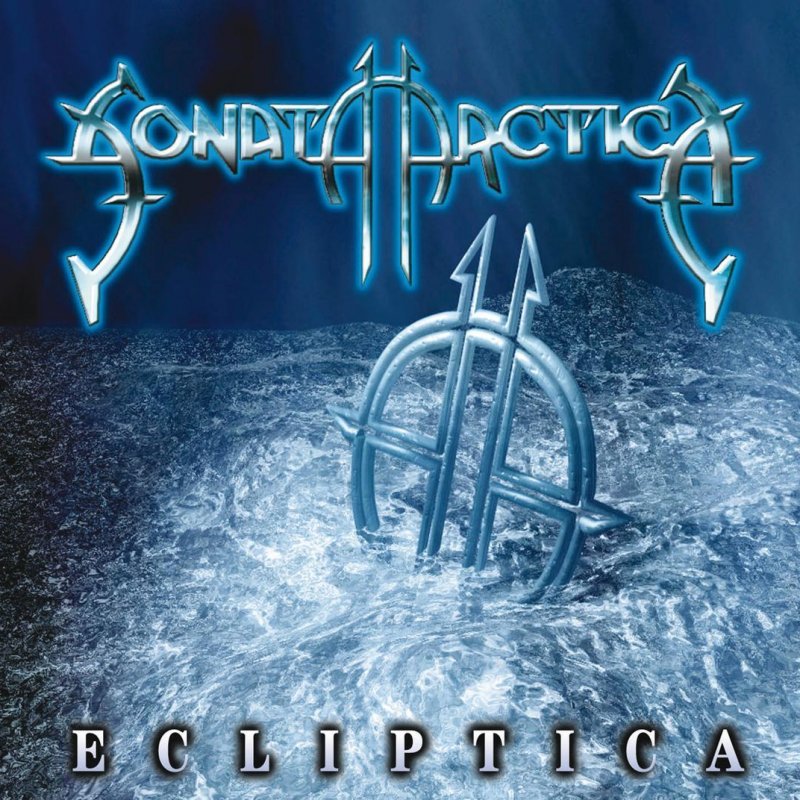
In the year Sabaton had barely formed, Sonata Arctica joined the Finnish power metal wave almost without realizing it, with their debut “Ecliptica”, which was good enough to convince the A&R people at Century Media to take them under their wing. The groundwork for the core sound and style of the Finnish strand of power metal had of course been laid earlier by their countrymen Stratovarius, who were definitely an inspiration for Sonata Arctica in the early steps of their career. My Land, Replica and Full Moon remain classics that fans still demand from the band at every single show today. The band confirmed its quality with the excellent follow-up “Silence” in 2001 and, through gradual artistic growth, shot down any hint that this was a one-hit wonder. Quite the opposite. By the end of the first decade of the new millennium, Sonata Arctica’s hard work had turned them into one of the more popular Euro power metal acts, regularly doing extensive headlining tours with lavish stage sets.
09. Rage – Ghosts
This is a breakthrough album for Rage and a stopgap between the commercially successful predecessor “XIII” and a stylistic transition. “Ghosts” also marks the final collaboration with the Prague symphony orchestra Lingua Mortis. Today “Ghosts” is a somewhat overlooked album in the colorful, long-running career of the legendary Rage, because it doesn’t deliver the same confidence and compositional resolve as its famous predecessor. It radiates the turbulent period when the band stood on the threshold of big changes. It’s as if the songs fell into a time hole: too good for the “Black in Mind/End Of All Days” era of the band, yet still artistically too weak for what “Peavy” actually wanted going forward. The album feels like the band wants to sweep away the past and leave behind for good certain patterns it had outgrown, because a new era lay ahead. That’s also announced by the arrival of a special guest, the Belarusian musical genius Victor Smolski, who “rescued the album” with extra guitars and helped with the production, and soon after officially joined the band as permanent guitarist. However you look at it, “Ghosts” is a special album. Hugely interesting, and the song Back In Time is still considered one of the most striking compositions, not just on the album but in the band’s whole career. However overlooked “Ghosts” may be in the band’s discography, it’s an important link in the stylistic transition and the consolidation of Peter “Peavy” Wagner’s musical vision for the next fifteen years, when Rage entered the wittiest and most insightful period of their career and, experimenting along the way, began reaching ambitiously for progressive elements too.
08. Heaven’s Gate – Menergy
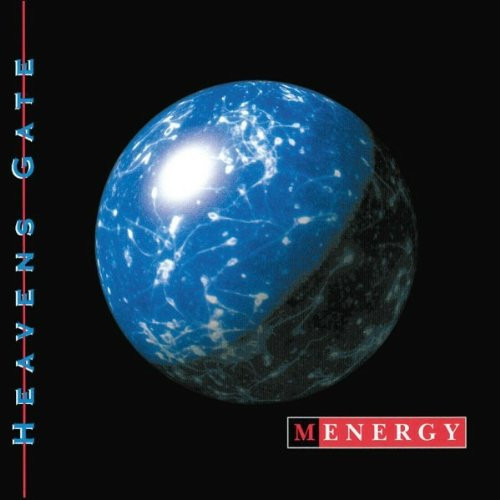
The fifth and final studio album from this unforgettable German band out of Wolfsburg, the Volkswagen city, is also their most mature and polished work and their compositional peak. The zenith of Heaven’s Gate’s career. Sadly, the band split up after this otherwise excellent album, “Menergy”, because in all their years they never managed to climb up among the genre’s more prominent heavyweights, even though that’s the least they deserved. After this release Heaven’s Gate evidently hit total despair and called it a day. Their years were spent in the shadow of the success their debut “In Control” brought them, and of their popularity on the Japanese market, which kept them alive. It reads as unfair, but that’s how it was. And yet “Menergy”, a concept album, comes across as incredibly ambitious regardless of the band’s breakup after its release, and develops an appealing, dark and dramatic hunger. Compared to its studio predecessors it marks a stylistic departure, as the arrangements bring in progressive elements too. “Menergy” is one of those albums that keep you firmly glued from the first second to the last and wow you with an outstanding balance of ingredients, led by expressive vocals and incredible guitar solo work. It’s also one of those great albums that was unfairly overlooked and so earned the status of one of power metal’s best-kept secrets.
07. Primal Fear – Jaws Of Death
Primal Fear are one of those bands that landed in the right place at the right time. They were founded in 1997 by the fantastic German vocalist Ralf Scheppers, who sang with Tyran Pace in the eighties and later on the first three Gamma Ray albums, and Mat Sinner, an established bassist, vocalist, composer and producer, and the boss of Sinner. “Jaws Of Death” is the band’s second studio album, with the minor bad luck of landing between the excellent debut “Primal Fear” (1998) and the great follow-up “Nuclear Fire” (2001). Even though “Jaws Of Death” doesn’t have moments as memorable or as fiery as the debut with Running In The Dust, Silver And Gold, Battalions Of Hate and of course Chainbreaker, it has moments like Final Embrace, especially Church Of Blood, then the pompous Under Your Spell, the devastating Play To Kill, When the Night Comes and the closing Hatred In My Soul, and overall it’s a consistent continuation of the musical direction that soon earned Primal Fear the nickname “the German Judas Priest”. That’s thanks to the directness and punch of the songwriting, and to the charismatic vocalist Ralf Scheppers. Many power metal fans count the albums released between 1998 and 2005 as the band’s classic period, and “Jaws Of Death” is one of the gems of that era. Even though it’s overshadowed by the debut and surpassed by its follow-up, it’s considered a band classic today.
06. Grave Digger – Excalibur
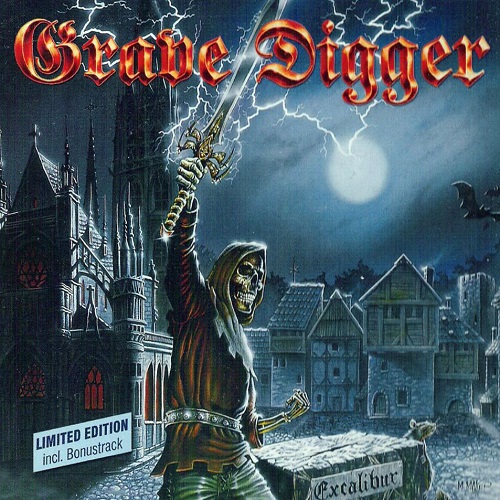
The last of the famous medieval trilogy is also the band’s last album with guitarist Uwe Lulis, who left in 2000 to found Rebellion (Lulis joined the legendary Accept in 2015). To everyone’s surprise, “Excalibur” came out very quickly after what is probably the best achievement of Grave Digger’s entire career, “Knights Of The Cross” (1998), though plenty of metalheads swear by “Tunes Of War” (1996) instead. Even though “Excalibur” was born, or rather released, in 1999 in the shadow of its famous predecessor, full of unforgettable power metal onslaughts, and of the huge success of “Tunes Of War”, it still delivered a few unforgettable classics that Grave Digger simply have to play live, even in today’s lineup and despite years of artistic fatigue. The Roundtable, Excalibur or Morgane Le Fay, plus a few equally good but overlooked ones, led by the opening wrecking ball Pendragon and the closing, melancholic yet venomous Avalon. Here are the last striking riffs from the hands of Uwe Lulis, rounding off the era of classic Grave Digger with “Excalibur”.
05. Iron Savior – Unification
Iron Savior are a kind of little brother to Hamburg’s Helloween and Gamma Ray, founded by Piet Sielck. Alongside Kai Hansen, Sielck is considered one of the most important figures in cementing power metal’s status as a genre. Back in the eighties Sielck played a part in the formation of Helloween, and before forming Iron Savior worked as a producer shaping the sound of the legendary Blind Guardian. After the excellent debut “Iron Savior” (1997), “Unification” was a triumphant consolidation of the true-believer stance of the German, meaning Hamburg, school of power metal craft. “Unification” gave the band unforgettable classics, led by a golden middle stretch made up of the back-to-back trio Mind Over Matter and the especially pompous anthems Prisoner of the Void and Eye To Eye. The album opens with true-blue power metal shots (Coming Home and Starborn), closes with a dramatic finale in Forevermore, and never wavers in expressive power. Despite being overlooked, Iron Savior are a byword for exceptional quality. They always were, and they held up. Even though Iron Savior served up even greater ambition on the follow-ups “Condition Red” and “Battering Ram”, “Unification” stands alongside the debut “Iron Savior” as a true power metal classic.
04. Steel Prophet – Dark Hallucinations
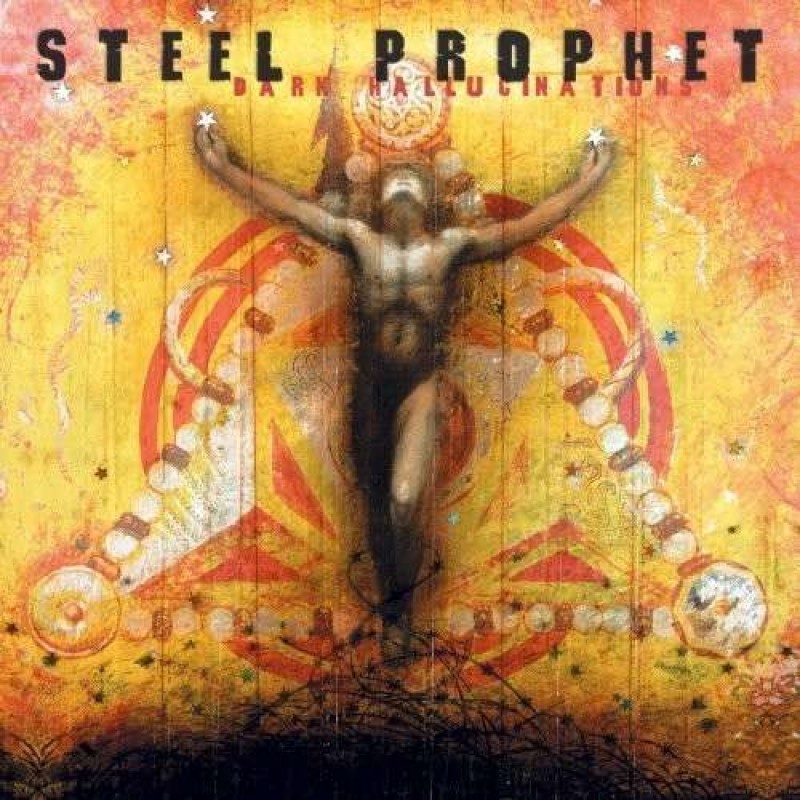
With “Dark Hallucinations”, this American power metal band made its way into the ranks of bands with a distinctive, instantly recognizable style, one tightly tied by evolution to the influences of the old-school American speed and thrash metal of the eighties. “Dark Hallucinations”, given its special stamp by the unforgettable vocals of Rick Mitthiasin, a veritable air-raid siren, is a dark concept album inspired by reading the dystopian novel “Fahrenheit 451”. For this record “Steel Prophet” ditched the complex structures of the well-received predecessor “Into the Void”, moved closer to a more classic, even N.W.O.B.H.M. sound, and delivered an incredibly dark album that keeps you in check from start to finish, led by an excellent cover of the Helloween classic Ride The Sky. The follow-up “Messiah” also kept the outstanding compositional quality of this era of the band.
03. U.D.O. – Holy
The only album in U.D.O.’s entire career released on the “infamous” Nuclear Blast Records is also considered one of the finest achievements of the band’s career. The band is led by the one and only Udo Dirkschneider, former frontman of the cult band Accept and a singer whose approach made him one of the defining voices of world metal. After twelve years with U.D.O. and a run of unforgettable classics that each built on the last, Udo delivered “Holy”, an excellent culmination of charismatic, striking riffs and an incredible payoff of dynamic development, thanks to the variety of ideas and the flexibility it achieves. Udo is dominant once again with that piercing, unmistakable voice, while the polished guitar riffs also decide the high quality, delivering standout moments led by the title track, easily joined by Raiders Of Beyond, Recall The Sin and Shout It Out, plus an amazingly successful blend of cabaret and metal right near the end of the album, called Cut Me Out. Despite good studio records later on, Udo and the crew never matched an album as consistently punchy and compact as “Holy”, and that had to wait until the latest one, “Steelfactory” (2018).
02. Gamma Ray – Power Plant
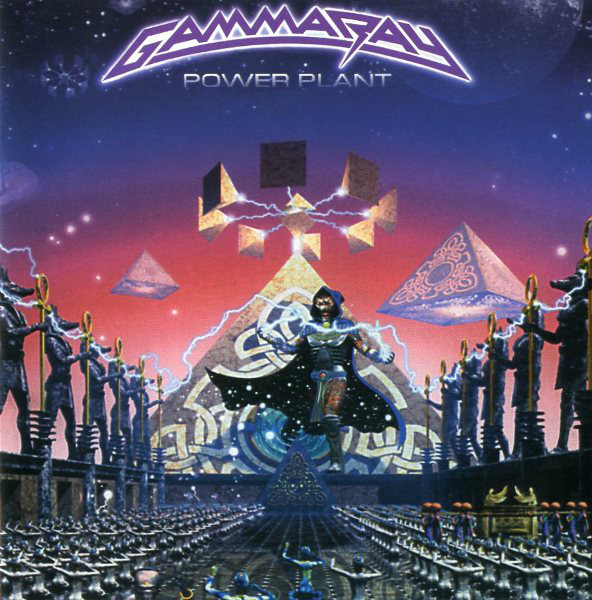
Probably one of the best power metal albums of 1999, if not the best, belongs to Gamma Ray, led by the one and only Kai Hansen. Gamma Ray pulled it off exactly ten years after forming, that is, after Hansen somewhat surprisingly decided to leave his original band Helloween, right when they were riding the wings of giant commercial success. With Daniel Zimmermann on the drum stool and guitarist Henjo Richter on board, Gamma Ray consolidated their ranks and delivered the excellent “Somewhere Out In Space” (1997), a cult favorite among the band’s fans. Though many of them won’t agree, “Powerplant” is an upgrade on its predecessor. Both in the consistency and compactness of its high-quality songwriting, where the tracks, especially in the first half of the album, literally steal attention from each other with epic, bombastic catchiness, and in how fully it uses the available production resources. The renewed Gamma Ray lineup showed incredible chemistry, instinct and creative power at this point. Pompous power metal with a real feel for drama hits its creative peak especially in the opening Anywhere in the Galaxy and in the closing mini epic suite Armageddon. The brilliance of this record is kept up by Gardens Of the Sinner, Strangers In The Night, the especially catchy Send Me A Sign, and Razorblade Sigh. We absolutely can’t leave out the phenomenal cover of the Pet Shop Boys eighties pop hit It’s A Sin, which in Gamma Ray’s new guise leaves you not quite sure whether it’s an original or a reworked cover. A crazy album in every way. Crazy good. No wonder Gamma Ray released a double compilation of re-recorded classics from the band’s first decade with the same lineup a year later, “Blast From The Past” (2000), because on that compilation they sound better than in their original form.
01. Virgin Steele – The House Of Atreus Act I.
Virgin Steele, too, classic American heavy metallers who formed deep in the eighties, were riding a giant wave of creative inspiration in 1999, led by the brilliant composer, multi-instrumentalist and vocalist David DeFeis. Their body of work kept growing in quality throughout this time, and each album outdid the last. Both “The Marriage of Heaven And Hell” albums confirmed the artistic growth, and it was all crowned in 1998 by the unforgettable “Invictus”, which fans often name as their Virgin Steele favorite. Just a year after the excellent “Invictus”, David DeFeis and Virgin Steele released the most ambitious work of their career. It came out in two parts as “The House Of Atreus” (Act I & Act II). The first part definitely beats the second. Here DeFeis managed to fuse the world of Greek mythology (the famous tragedy of the Atreides) with raw, unpolished, even pagan-sounding phrases into a real metal opera, a full-blooded revival of the tragedy, crowned by the dramatically pompous melodies of the added keyboard arrangements and, above all, by the vocals of David DeFeis, known as one of the greatest vocal chameleons. DeFeis sang all the female and male roles of the tragedy’s characters on the album and had no trouble coming close to the “heresy” of classic Manowar, with an angelic tone of voice, while also reaching into the world of true operatic arias. After this album Virgin Steele never managed to repeat such creative expressive power and artistic virtue, not with the follow-up and not with later releases. DeFeis later started overcomplicating the arrangements, and the very sloppy production of later VS albums brought further decline. “The House Of Atreus”, especially its first part, is therefore the closing epic of classic Virgin Steele.
So there you have it: ten albums picked by the RockLine editors that came out twenty years ago, left a real mark on the power metal scene and the metal world in general, and make for especially sweet trips down memory lane.
Opinions will surely be divided here, and some of your favorite albums and bands aren’t on the list, because these aren’t all the definitive highlights of 1999. You’d have to count, for example, “Theater of Salvation” by the rising Edguy, plus a debut or two, like the one from German power metallers Mob Rules. Among the more prominent German bands that were kicking out original music in full force back then, we can easily count Brainstorm, Sacred Steel, and the 1999 debuts from Symphorce and At Vance. Also worth mentioning are the Australians (with a European sound) Pegazus, with their fourth studio album Breaking the Chains, released then. HammerFall had company on the Swedish power metal scene in the still very active Narnia, plus Nocturnal Rites and Falconer. In Italy, symphonic-backed power metal flourished, led by Rhapsody, Labyrinth and Vision Divine. Alongside the well-established Finns Stratovarius, we have to mention the Finnish power metallers with the operatic female mezzo-soprano, Nightwish, who broke onto the world map just a year later. Among the American (European-sounding) metallers, don’t overlook Kamelot with “The Fourth Legacy”, released then, nor their countrymen, the more speed metal-oriented Jag Panzer and Jacob’s Dream.
All in all, 1999 brought a rich harvest of power metal.
author: Aleš Podbrežnik
