The Pains Of Being Pure At Heart Bring a Dose of ”Noise” to Ljubljana, but Sadly Some Sugar Too

Venue: Komuna / Kino Šiška / Ljubljana
Concert date: 10/30/2012
Attendance: 250
Ticket price: 15 EUR presale, (pupils, students, seniors) 12 EUR, 18 EUR on the day of the show
After guitar rock had all but died at the turn of the millennium, it came roaring back through the front door of the music arena practically overnight in 2001, with The Strokes. Smoky gig dives and home garages spat out bands infected with rock’n’roll, and the music industry once again smelled a market niche. Guitar rock never really died, of course, but the musical mainstream just didn’t give it the attention it had in earlier decades. Hip hop and electronic music were on a steep rise. The latter had a big influence on that guitar ”revival” too, and it’s precisely the blending of guitar and electronic elements that gave birth to ”indie” music as a modern phenomenon in the new millennium. ”Indie” has been used as a music term since around the early eighties, starting in the US with bands like R.E.M. and Pixies (later Dinosaur Jr., Sonic Youth, Pavement…), and in the UK with bands like The Smiths and New Order, and later the whole Britpop era. Even though you could pick out some shared musical traits in all those bands, indie hadn’t yet taken shape as a genre or even a tightly connected movement. All the bands listed above (and other related ones) were still labeled with entirely different terms: garage punk, jangle pop, new wave, dream pop, Britpop, noise rock, post-punk, lo-fi music and so on. Back then ”indie” was used as an approach to making music. It was about turning away from the big labels (albums came out on young, so-called independent (independent->indie) labels), which meant greater autonomy and heavy use of a ”do-it-yourself” approach, in the musical as well as the visual sphere (->a reworking of the whole (aes)thetic). If, before the start of the third millennium, you could still tag all of the bands above with the broader label ”alternative rock”, many of its modern offshoots deserve the label ”indie”. ”Alternative rock” and ”indie” overlap in a lot of ways, but they also differ in a lot of ways. Modern ”indie” has stretched its genre tentacles far and wide, nicely blending the foundations of alternative rock with pop, folk, electronica, jazz and other styles. A movement of its own took shape, and it’s not just a one-day marketing fad. It brings together a broad musical field, from fully (experimental) authorial expression to the most generic musical creations. Defining emerging (contemporary) phenomena is always a very hard job, since their conceptual (and in this case musical) landscape shifts from month to month, but I’ll briefly describe the main traits of this emerging genre (the complexity of pinning it down – a constant swing between genre and movement). First and foremost there’s openness and acceptance of difference, which is why on some level it’s an anti-genre. Musically, guitar lines still play a big role today, though synthesizers or other newer digital instruments often take the lead from them. The music is emotionally charged in its content. It’s marked by simple, catchy, memorable melodies (which is why there’s so much more work on the texture of the sound). There’s a lot of fusion of different kinds of (musical) deviation – e.g. the unique pairing of raw, primal musical expression with the most tender, dreamy atmospheres. It’s also often fascinating how different bands turn experimental starting points (the source) into pop-structured music. The lyrics are (when there are any) often distinctly sentimental, built a lot on feelings, emotions and everyday troubles…stories. But since indie is a hugely popular notion right now, it’s increasingly exploited for marketing purposes. So a whole bunch of subgenres are sprouting inside it that are generic, light on authorial value, but perfect for banal decoration, painting over the awkward silence at the office, or a quick hedonistic fix. They’re defined by difference for the sake of difference (market purposes – trend), a ”radio-friendly” sound and a ”fast food” use of the traits above (artfulness, unoriginality). And that’s exactly where The Pains Of Being Pure At Heart come in handy. I caught them last Wednesday in the small hall of Kino Šiška. They’re a band in which some see a ”pure dose of indie”, while many see only a very good collage-copy of various alternative acts from the last thirty years.
The Pains Of Being Pure At Heart walk a thin line between some sincere emotional-ideational substance (the source) and the constant pressure of the music industry, which keeps trying to mold them into a trendy, marketable image and slaps various (semi-)generic patterns on them. That’s why, after five years together, they’re still a band without a fully formed authorial identity (though trend-wise they sure are on point). They’re pleasant, interesting, clever in places, and they satisfy everyone who wants to hear a bunch of the better alternative shades of the eighties and nineties in one go; but for a band with that kind of potential, that’s definitely not enough. Even though critics grant them a certain amount of quality and catchiness, listening to their music you can’t shake the feeling that you hear far too many other bands in it. The second album ‘Belong’, released last year, was produced by a superstar production duo, Mark ”Flood” Ellis and Allen Moulder. Flood and Moulder have worked with plenty of established names in popular music over their thirty-year careers, and just to name the biggest: U2, New Order, Nick Cave, The Killers, The Smashing Pumpkins, PJ Harvey, Depeche Mode, Erasure, The Jesus and Mary Chain, Placebo, Sigur Rós, Ride…And The Pains Of Being Pure At Heart are essentially the midpoint of all those different musical expressions. But there’s no step beyond that. If they manage to build that, they could grow into a big band. The group formed in 2007 in New York and has put out two albums and three EPs to date. The band is made up of frontman (vocalist and guitarist) Kip Berman, Chinese-born keyboardist Peggy Wang, with bassist Alex Naidus and drummer Kurt Feldman forming the rhythm section. On the current tour they’re joined by an extra guitarist, Connor Hanwick, former drummer of their New York peers The Drums. Musically they form an interesting triangle between guitar noise, dreamy pop and energetic dance-punk.
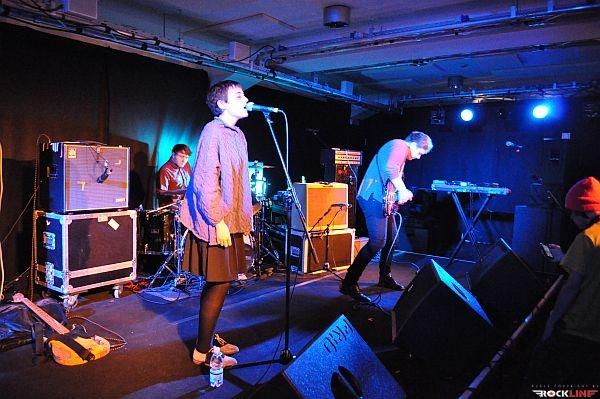
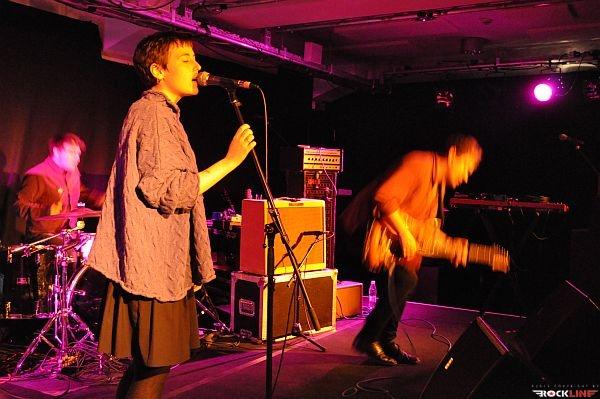
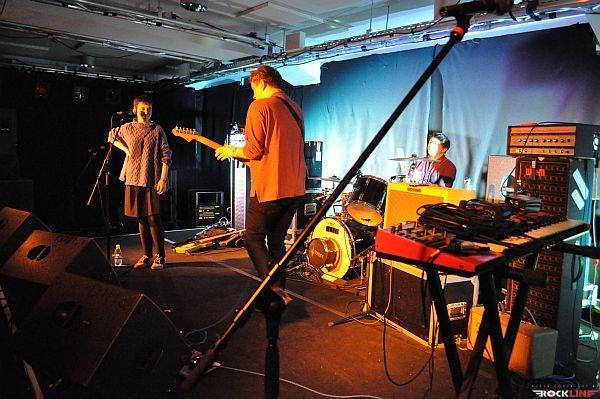
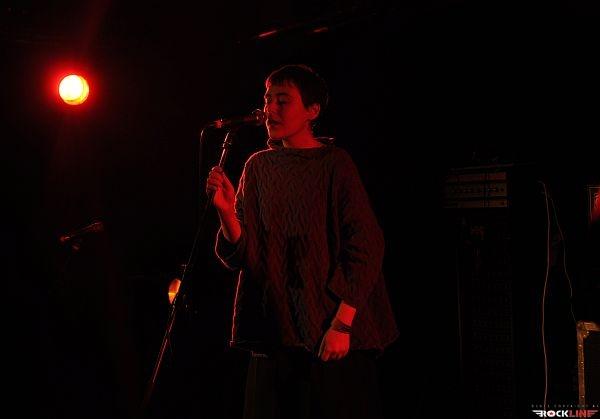
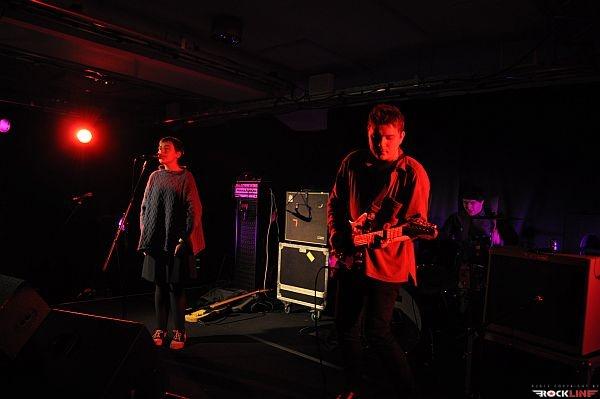
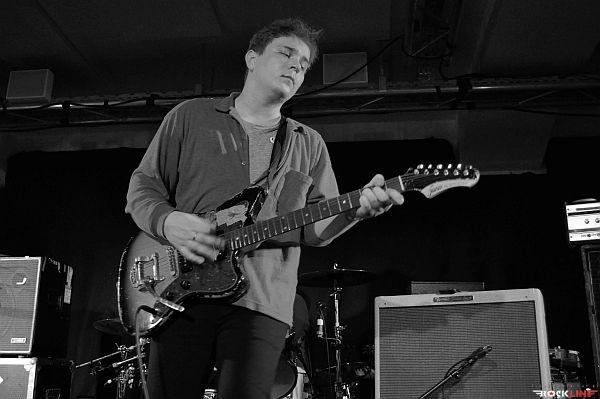
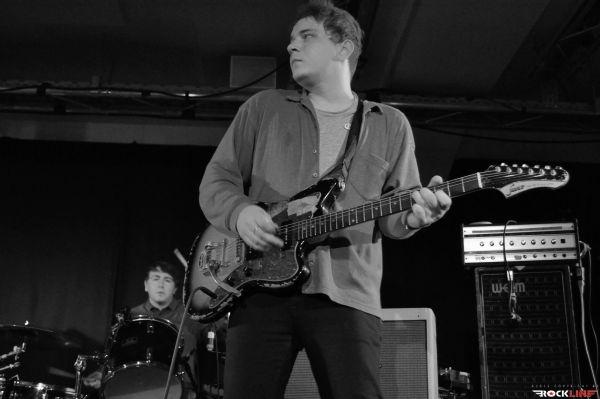
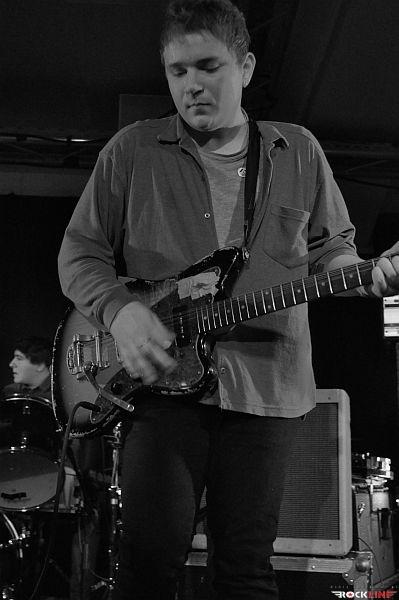
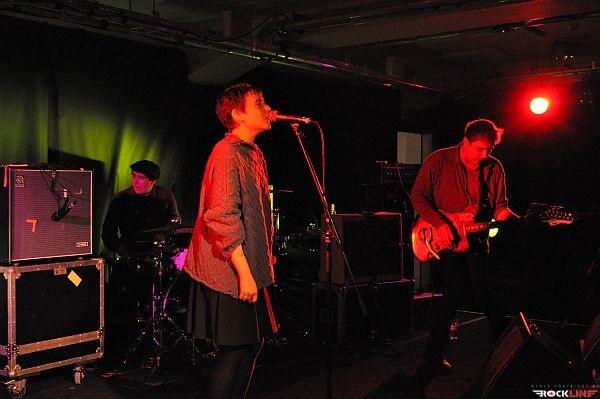
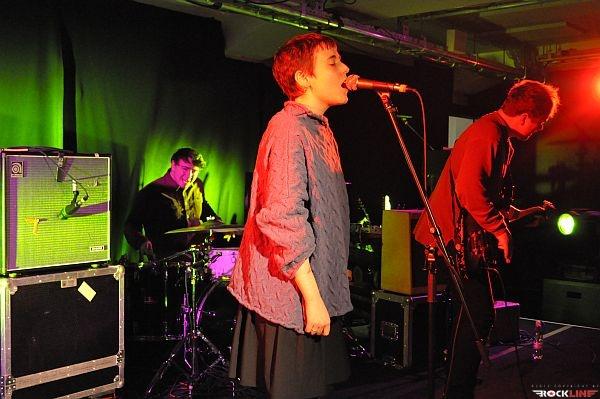
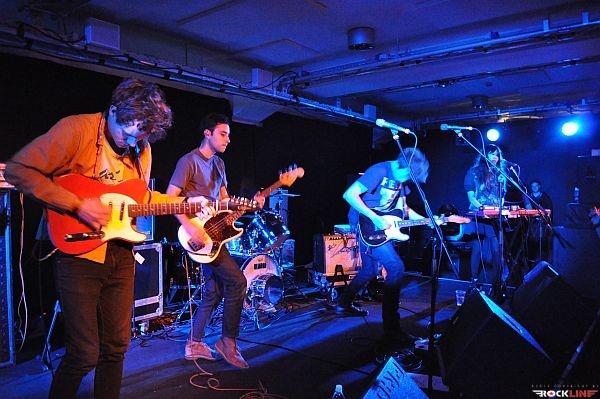
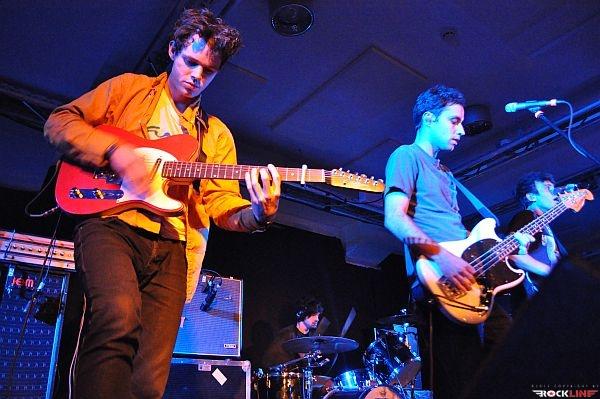
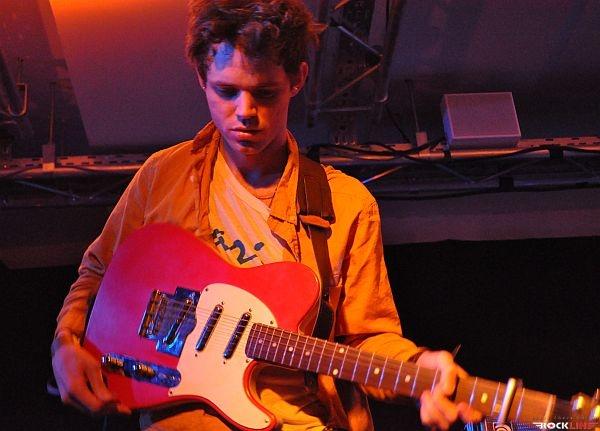
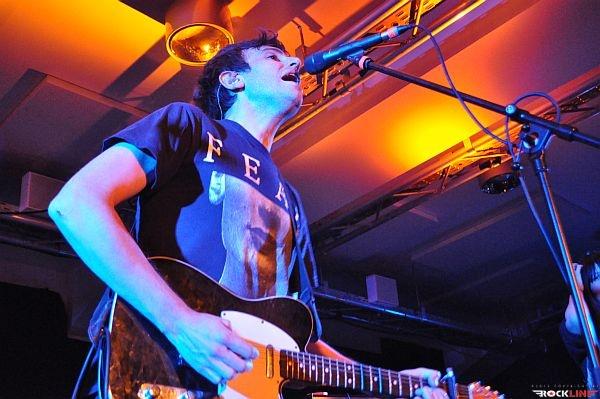
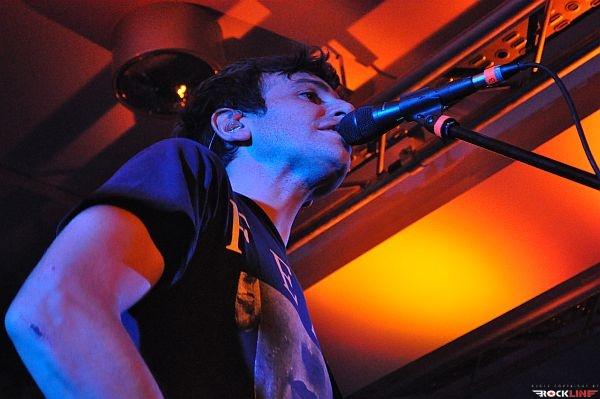
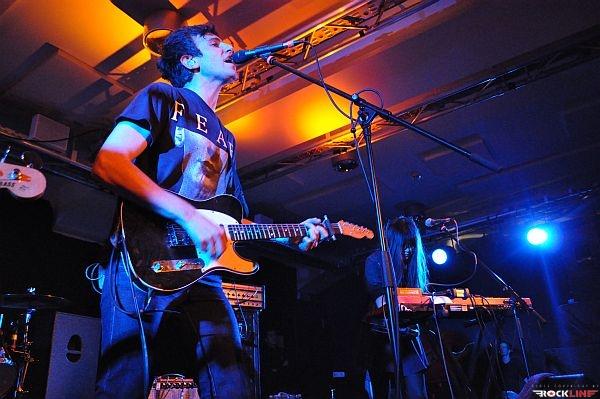
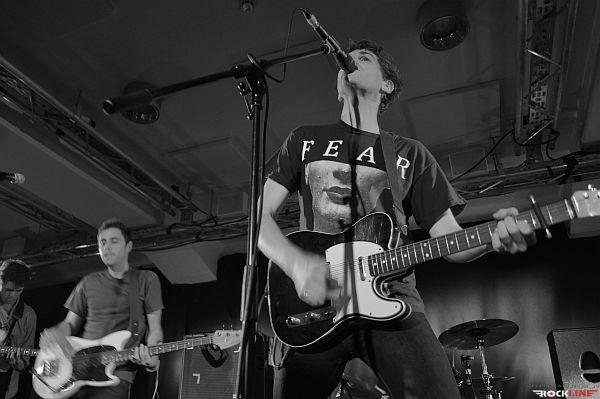
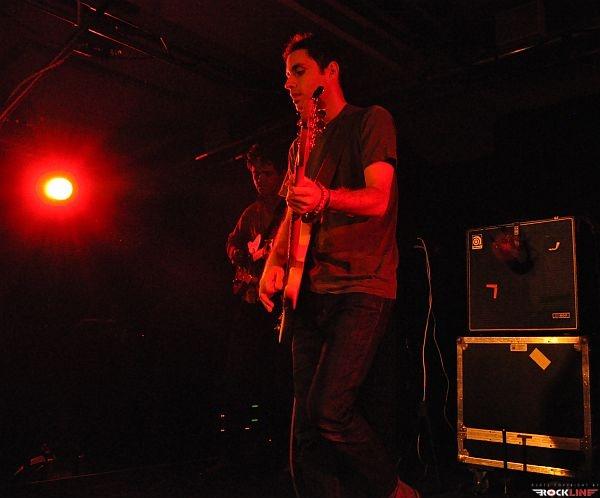
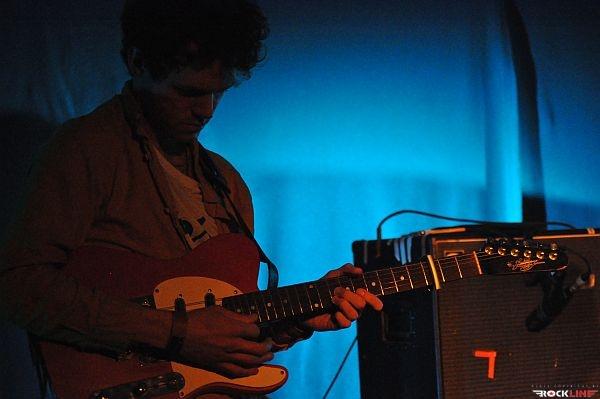
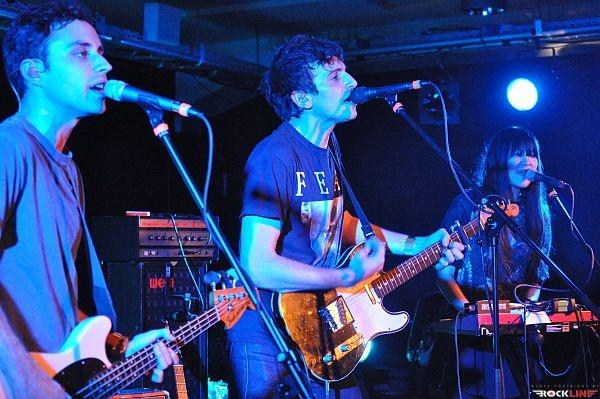
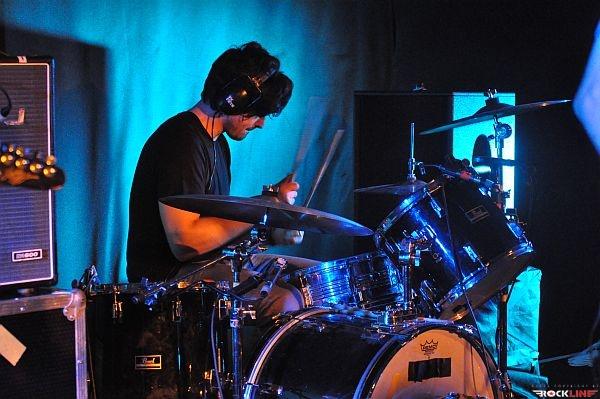
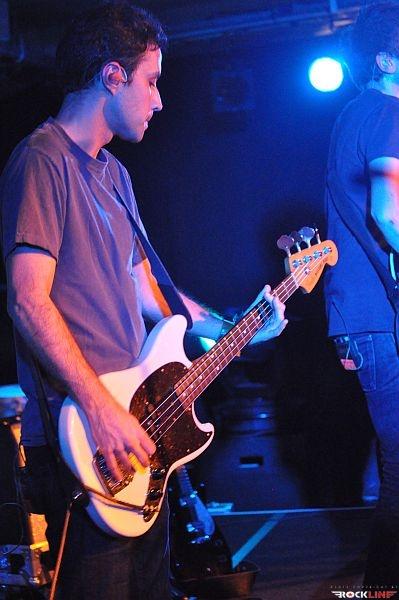
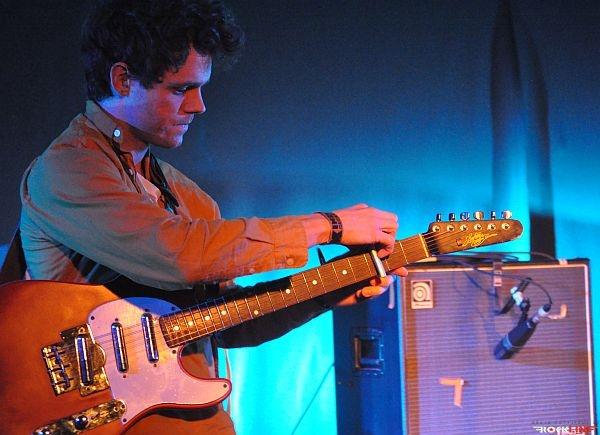
At Kino Šiška they were joined by the English band Flowers as the opening act (who, by the way, are extremely hard to find on the web). Their calm, ethereal set pleasantly kicked off (and opened up) Wednesday’s concert evening. About an hour later, the name of the night was on stage. First I was surprised by the extra guitarist, because I didn’t know that since January the former drummer of The Drums, Connor Hanwick, has been helping them out live (I saw that band in 2010 at the Frequency festival, when the initial euphoria was still around and all four founding members were still in it – today only two are left. The gig was pretty special and at times felt like a historic musical merry-go-round. But that’s for another time.). The band members were lined up in a row on stage, with only drummer Feldman off on his own in the back. The setup really came into its own in the livelier parts of the show, as at times it looked like the band was storming the front rows, and the front rows were storming right back. A special role on stage belonged to frontman Berman, who with his presentable blue-collar look, expressive gesturing and sharp, rough, straining facial expressions recalled a modern-day Bruce Springsteen, though the same can’t be said for his polite and banal banter (the Boss’s banter is some of the juiciest stuff in the music world). Bassist Naidus carried himself on stage with similar expressiveness, only far more relaxed and hedonistic. Keyboardist Peggy Wang kept fairly shy ”in the background”, even during those rare moments of singing, specifically when she was messing up. The calmest member of the band seemed to be the former ”Drums guy” Hanwick, who came across as somewhat detached and laid-back. The opening of the show was very dynamic and danceable, and within fifteen minutes it quickly rattled off four big hits from the latest record, with the opening Heavens Gonna Happen Now and Belong standing out in particular. The show had a good ”vibe”, but it never grew into anything more. Their music shares a similar problem (see the second paragraph). The show was very intense and bouncy, but wrapped throughout in a kind of whiny, ”pussy”, sugary undertone. You just can’t really enjoy that, not even ”mosh” to it, even if it’s such a ”straightforward” rock’n’sugar punch. The high intensity of the set left very little room to catch your breath. The tempo was truly high (the show was played almost robotically – no room for improvisation here), so I didn’t expect a particularly long set, but when the encore kicked in after only forty-five minutes, I was seriously surprised. The highlight of the main set was definitely the teenage-mischievous Young Adult Friction from the debut, which is about (first!!) sex (in a library). A wonderfully built-up and superbly harmonized song, it’s a downright brilliant proof of everything The Pains Of Being Pure At Heart are capable of. They closed the main set with Everything With You, which in its second half is graced by an excellent, ”feel-good” solo, and The Pains Of Being Pure At Heart, one of the first songs they wrote back in 2007, which with its repetitive noise sequences set off an unstoppable adrenaline avalanche. In the encore they also played A Teenager in Love and This Love Is Fucking Great. In the latter, frontman Kip Berman’s mournful, yearning voice came into its own too. The Komuna hall worked great, the sound was good, and the ”lighting show” was downright catchy.
The Pains Of Being Pure At Heart didn’t surprise anyone in Ljubljana with anything. They put on an expected show that offered quite a few interesting spots and moments, but overall left a fairly monotonous and average concert impression. As I figured out earlier, their performance suffers from similar shortcomings as their music. Interesting music and a show that doesn’t inspire in the slightest and way too often retreats into the safe shelter of forms and performances we’ve already seen. More guts, more daring, a better-built concert arc, and maybe something will change. Within guitar rock (and ”indie” more broadly) you can definitely find far better displays of originality, conviction and excitement.
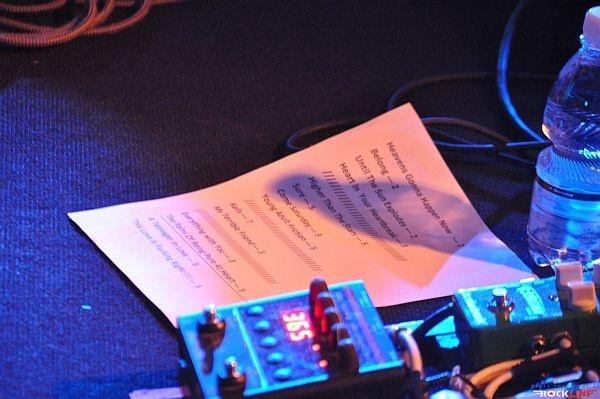
Setlist
The Pains Of Being Pure At Heart:
1.) Heavens Gonna Happen Now
2.) Belong
3.) Until The Sun Explodes
4.) Heart In Your Heartbreak
5.) Higher Than The Stars
6.) Sure
7.) Come Saturday
8.) Young Adult Friction
9.) Kelly
10.) My Terrible Friend
11.) Everything With You
12.) The Pains Of Being Pure At Heart
encore:
13.) A Teenager In Love
14.) This Love Is Fucking Great
Photo Gallery