Location: Postojna
Concert date: 22.05.2009
Attendance: 2000
Ticket price: 25 €
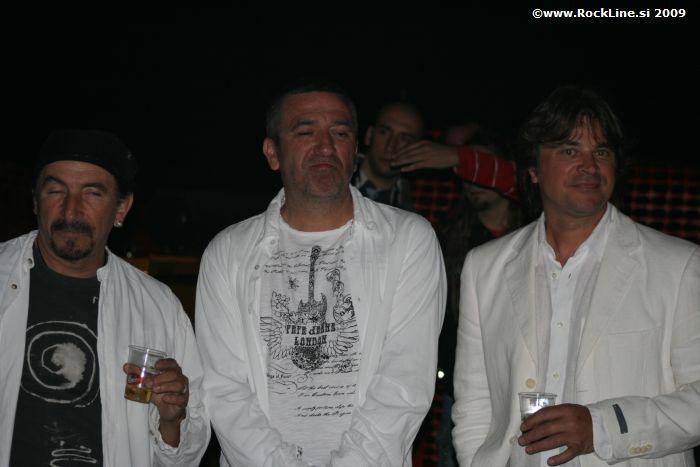
We live in confusing times, when nostalgic sighing, with the grains of time trickling through the hourglass, seems to be on the rise. Tribute bands are popping up like mushrooms after rain and even reaping enviable success, while old rock tomcats are regrouping en masse, their long-ripened bodies stubbornly trying to escape the display cases of music history museums. In recent years the pop-crooner trio of Željko Bebek, Mladen Vojičić Tifa and Alen Islamović has taken on similar feats. The freshly revived musical package, put together after Goran Bregović, the mastermind of Bijelo dugme, apparently decided to cut ties with the past for good, now performs under the banner Kad bi bio bijelo dugme. All three songbirds, each of whom left a deep personal stamp on the story of the most attractive band in the former common state, bid farewell to the pastures on the sunny side of the Alps with Friday’s show at the Postojna airfield, where Slovenian hard rock flagbearers Mary Rose kept them company.
MARY ROSE:
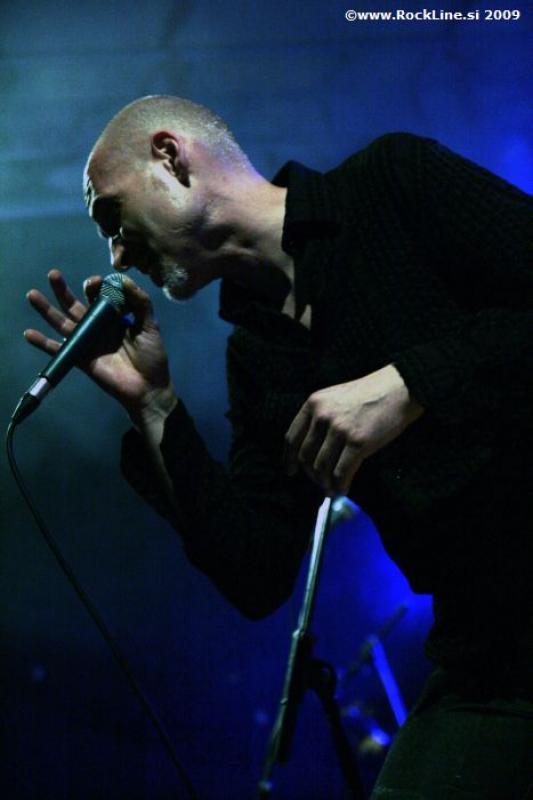
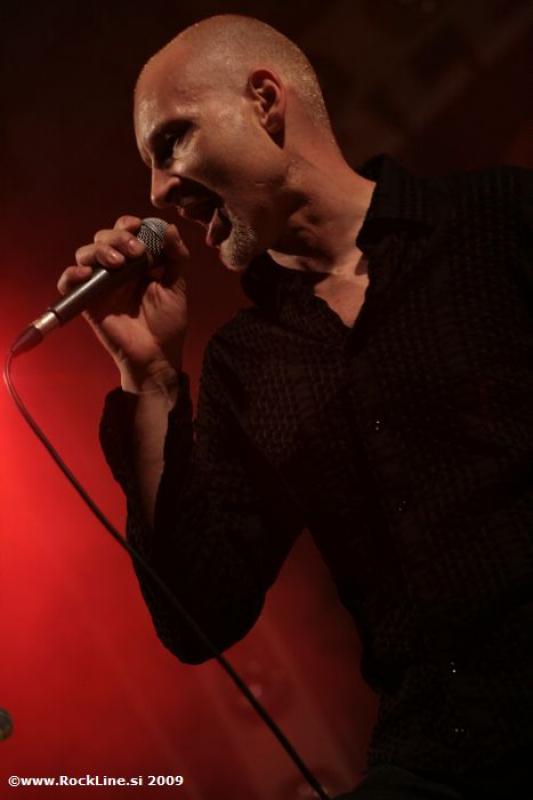
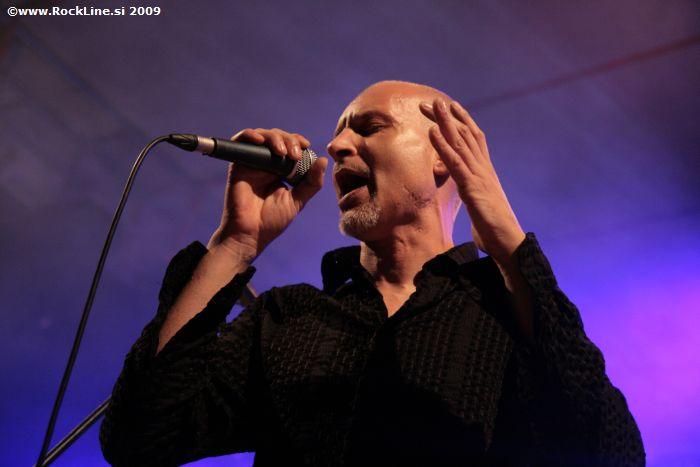
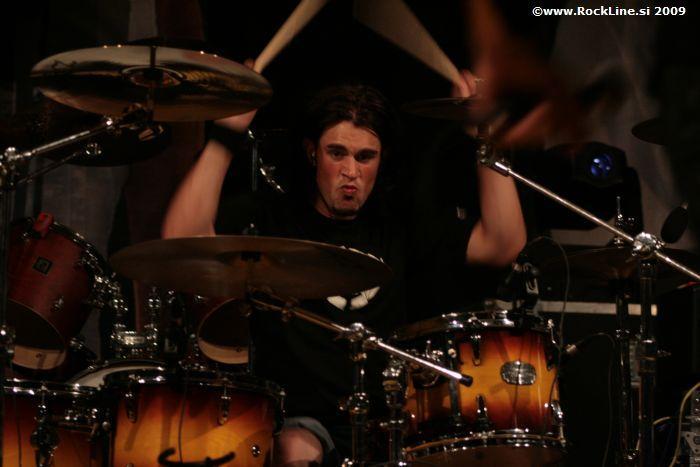
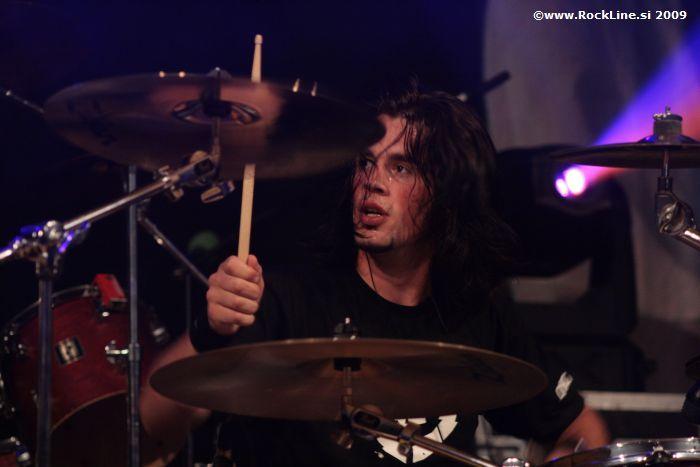
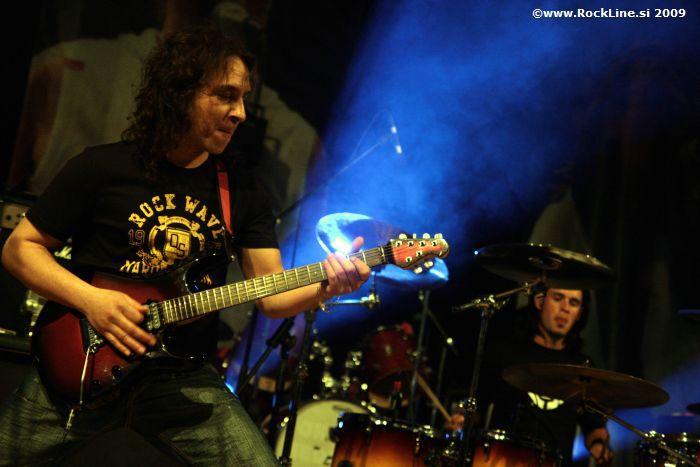
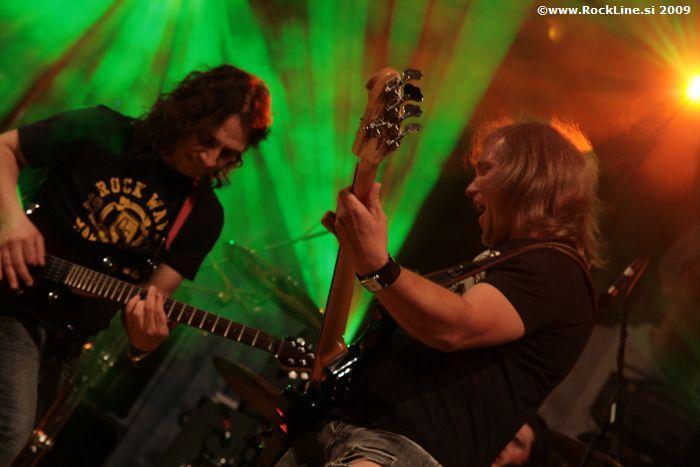
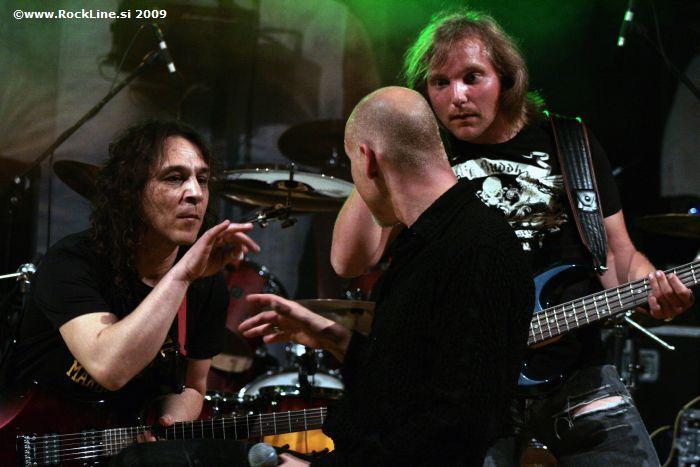
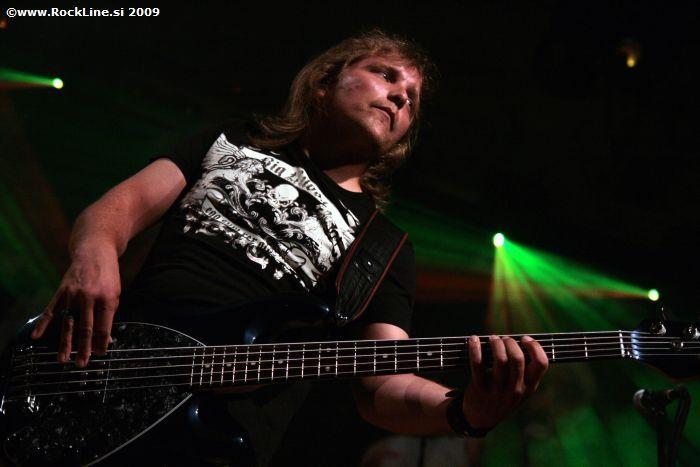
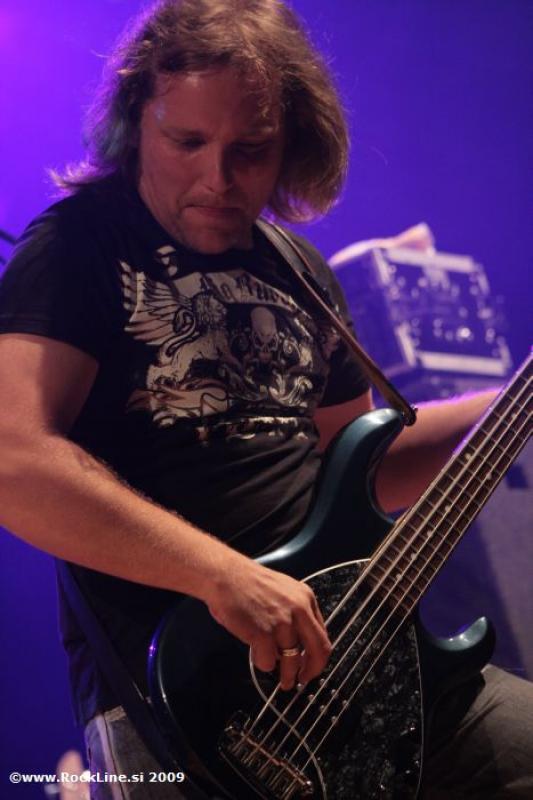
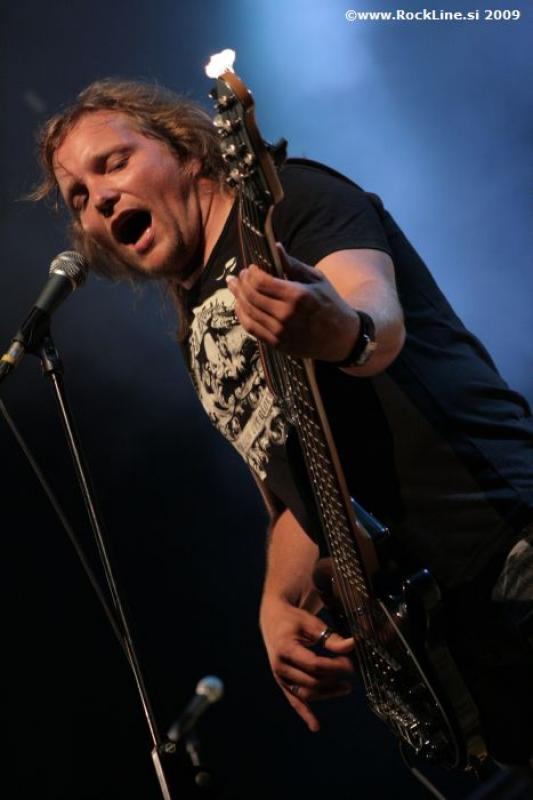
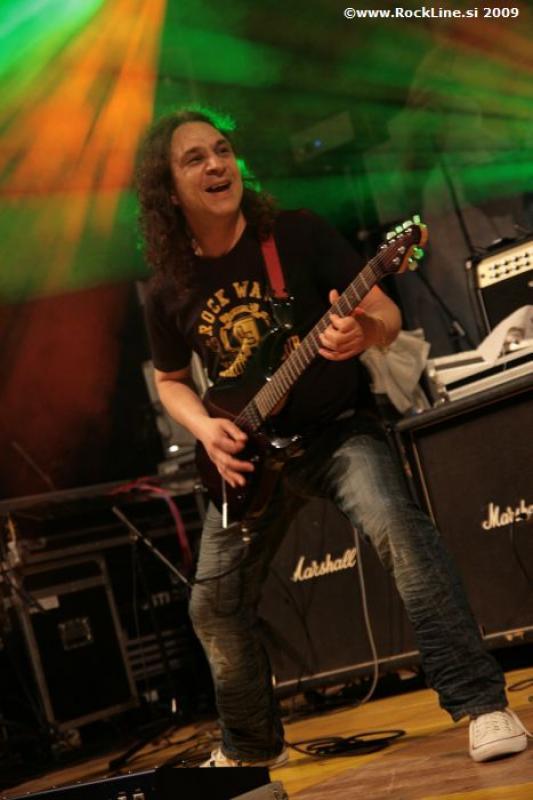
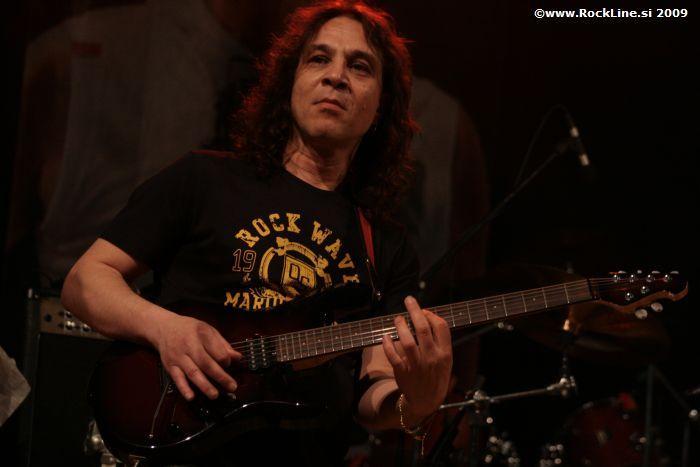
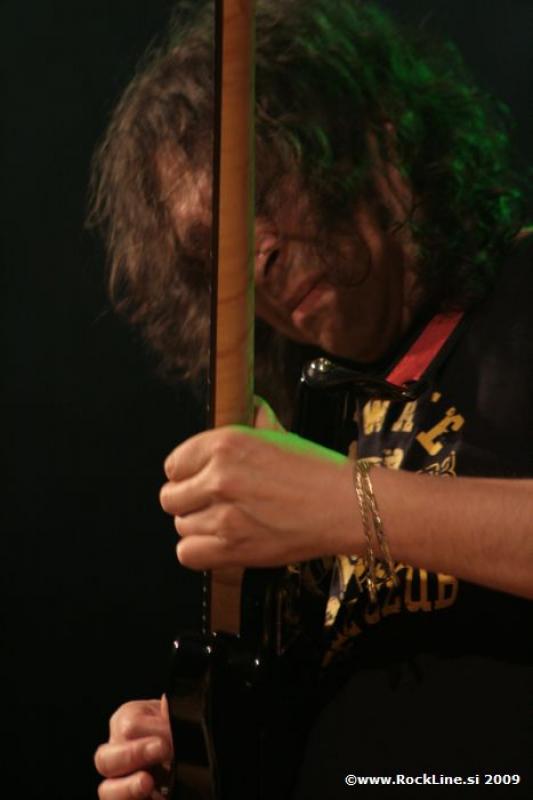
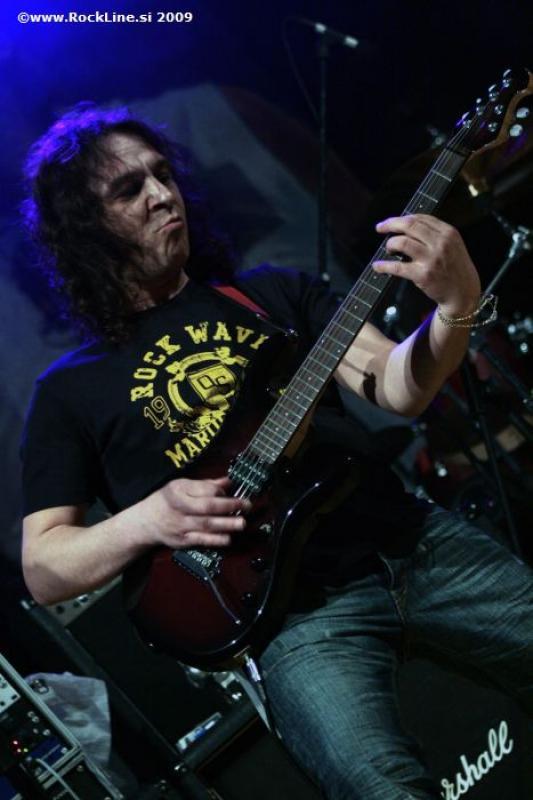
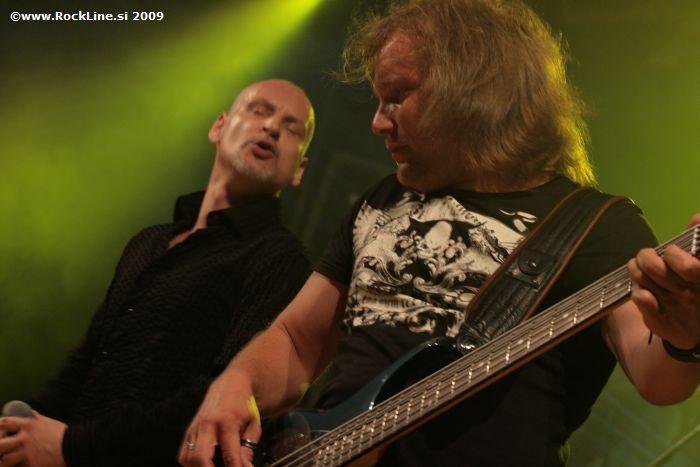
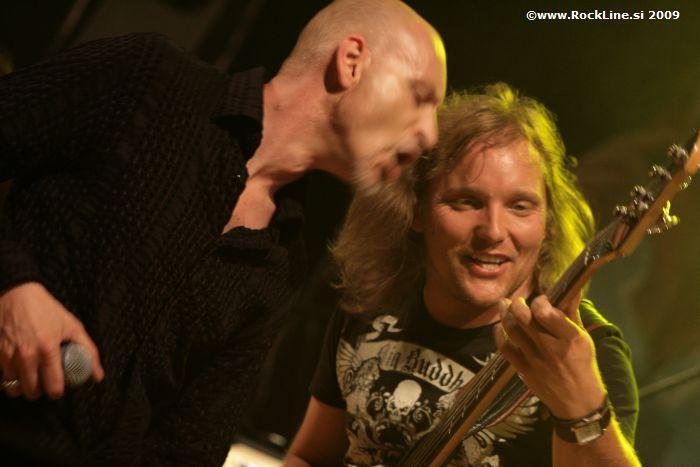
The story of Postojna’s Mary Rose has been told on our pages more than once. This is a venomous outfit of five first-rate musicians with chronic trouble releasing new material. A real shame. Anyway, as expected, Mary Rose once again managed to slip out of the grip of routinely rehashing a repertoire they know by heart, thanks to a fresh dose of inspired spontaneity in Friday’s show. The guys enriched the well-oiled machinery of the songs from the album Feniks with a heap of welcome structural innovations, served up as a bold upgrade of the band’s hard rock stance. The latter is the fruit of an agile, all-around sound that never strays from the brisk charge of first-class heavy rock hardware. Even in this latest guise, that hardware didn’t skimp on showing off the quality of the individual members, all fused together into a schoolbook demonstration of modern rock composition.
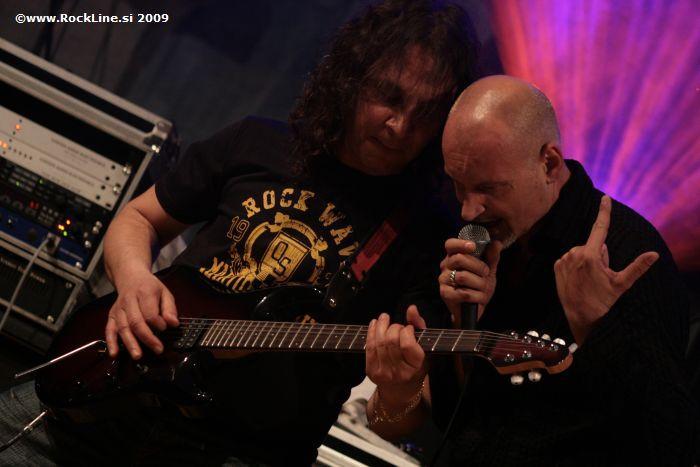
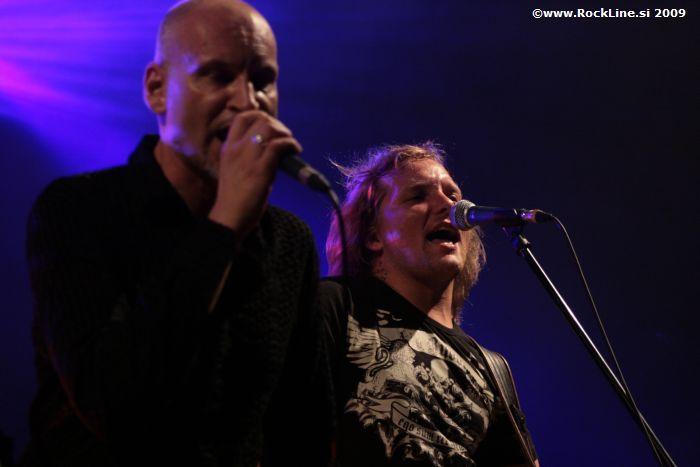
The circumstances in which Mary Rose took the “opening act” slot weren’t exactly ideal. Their sharp, direct approach soon started raising the question of whether the Postojna brawlers’ sound was compatible with the pastoral aromas of the Balkan rhythms that most people were impatiently waiting for. The crowd’s reaction was suitably cold, and apart from the traditionally energetic Žak, even Eki’s crew came across as, at best, businesslike. You can’t fault the guys on the performance, of course! Žak stayed incredibly confident through every vocal register he tested, and his stage charisma and authority remain unchallenged. This time, though, the hysterical women planted right in front of the stage broke their teeth on it, openly showering the evening’s headliners with thick-headed adoration, naturally at the expense of Mary Rose’s hard work. But never mind. As always, with Mary Rose we witnessed an experience of a special kind, the way we always do when we get the chance to watch the day job of the destined-never-to-be champions of Slovenian hard rock!
KAD BI BIO BIJELO DUGME:
Over a career of just under 16 years that crowned them the undisputed kings of Yugoslav rock, Bijelo dugme, under the baton of the moody Goran Bregović, constantly shifted shades of mood. Rooted for many years in a mix of blues, old-school rock and folk, after the album Bitanga i princeza, which fans and critics alike today see as the band’s creative peak, they embraced more experimental, new-wave-minded approaches, which in the long run kicked off a cycle of unavoidable lineup shake-ups, the most controversial of course being those at the lead vocalist position. After Bebek came Mladen Vojičić Tifa for a short while, and Bregović’s wishes were finally granted with the arrival of Alen Islamović, with whom Bijelo Dugme finally morphed into a listener-friendly mainstream machine catering to the needs of a wider circle of listeners.
The band’s stylistic direction thus kept varying over the years, and opinions are still divided to this day about who the band’s most competent vocalist was. Željko Bebek of course remains the undisputed favorite of the older generation, which leans toward raw rock leanings, while the ungrateful offspring of the golden age of Yugoslav rock cling to the legacy of the Tifa and Islamović eras like a drunk clinging to a fence. Whatever the case, seeing all three main protagonists of a long-sung rock fairy tale together was certainly an event for the annals, though less in terms of performance quality and more through the prism of nostalgically reviving memories, of times gone by, in the harmonious singing along to the choruses of thoroughly overripe motifs.
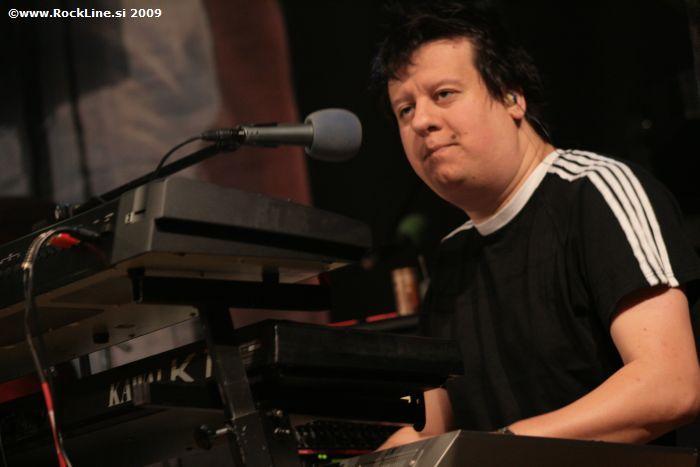
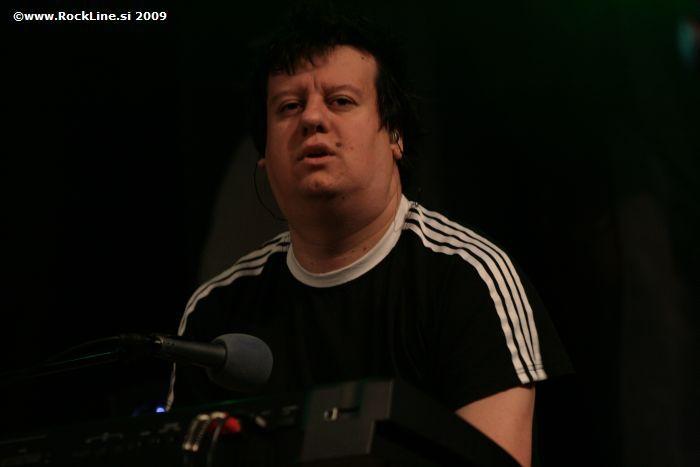
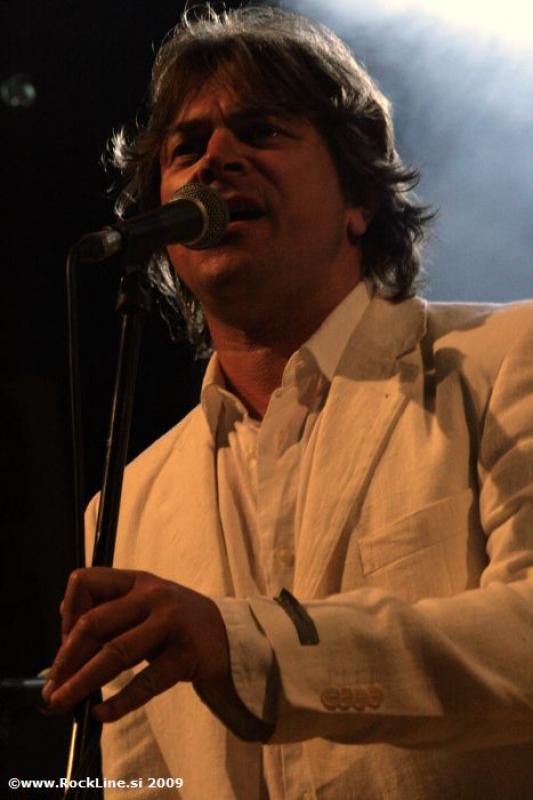
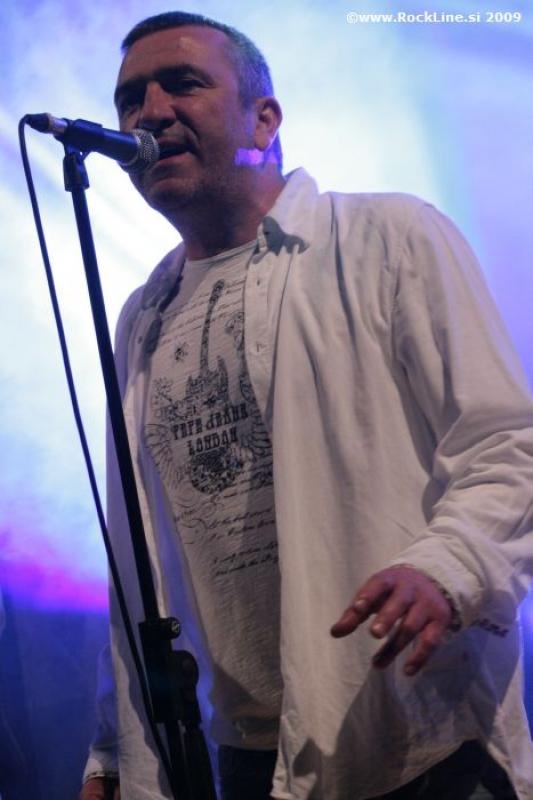
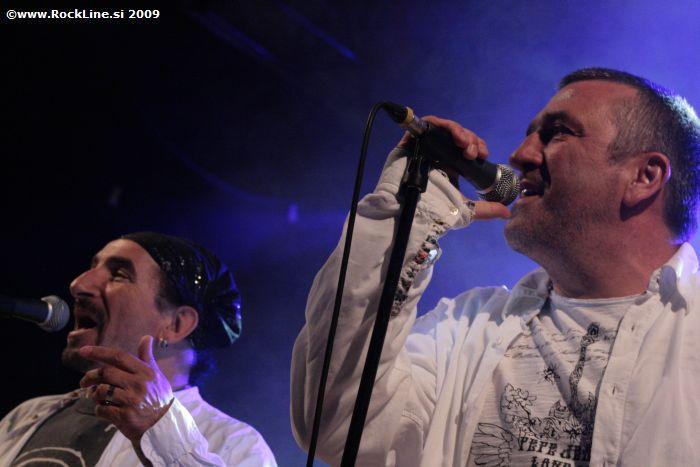
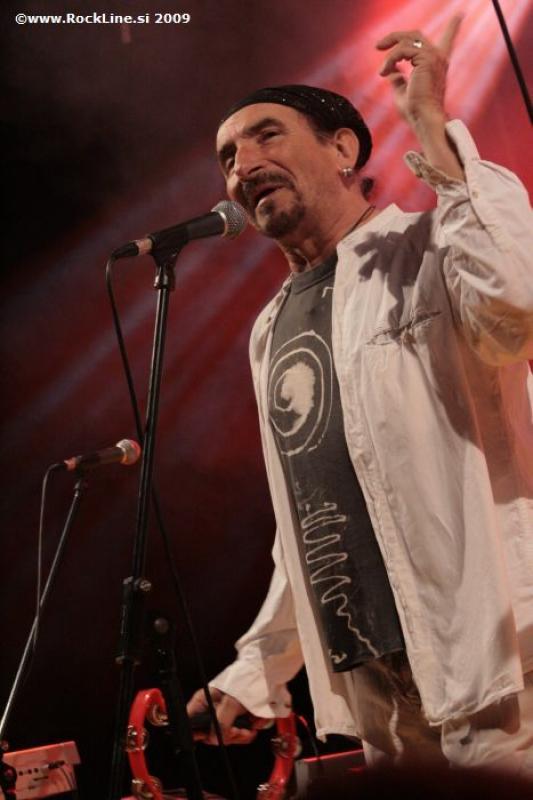
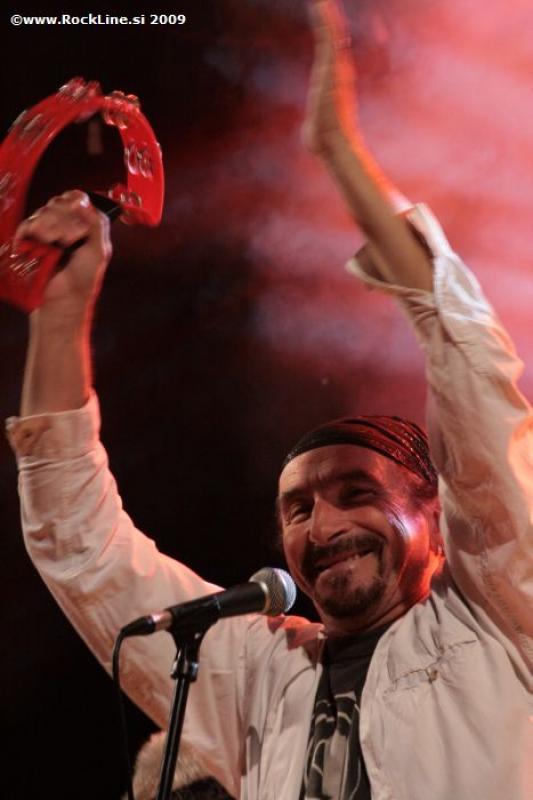
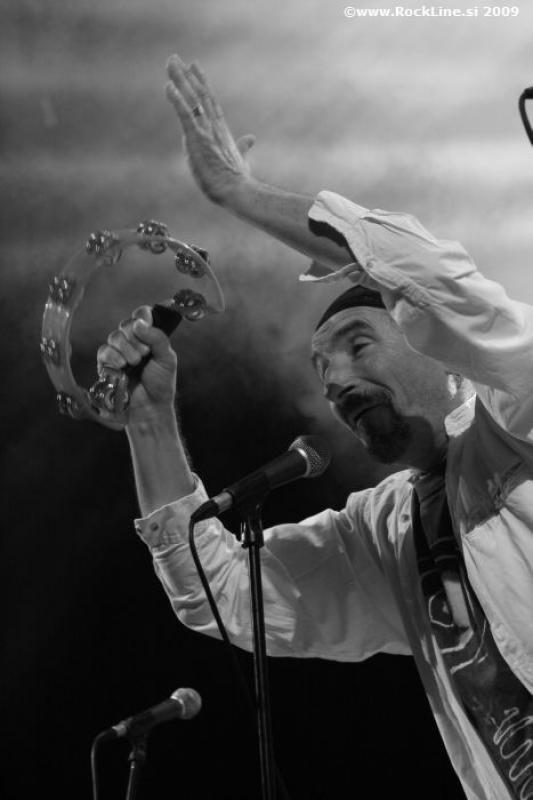
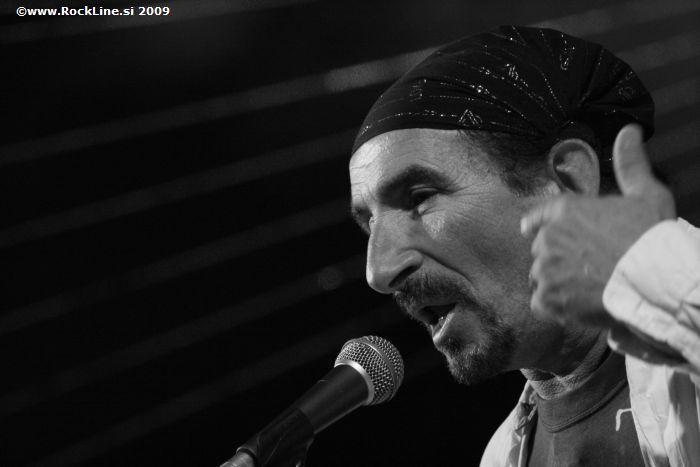
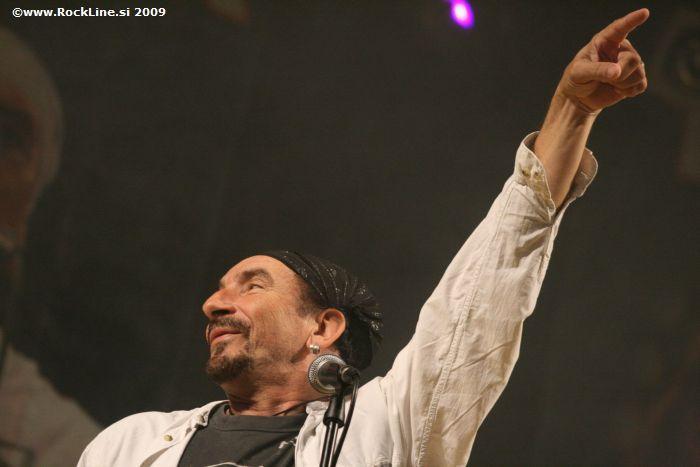
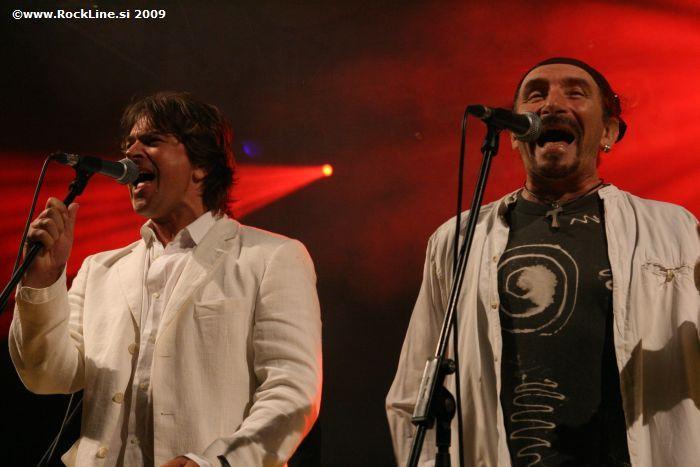
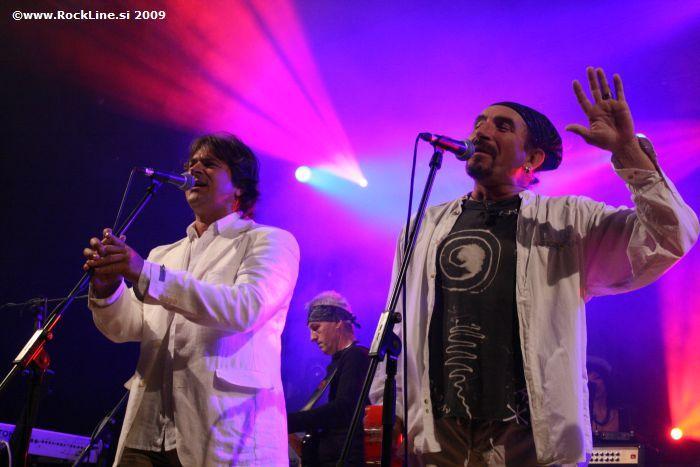
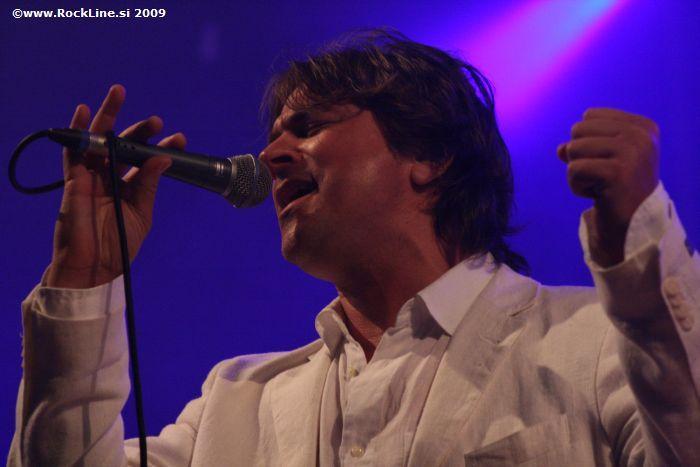
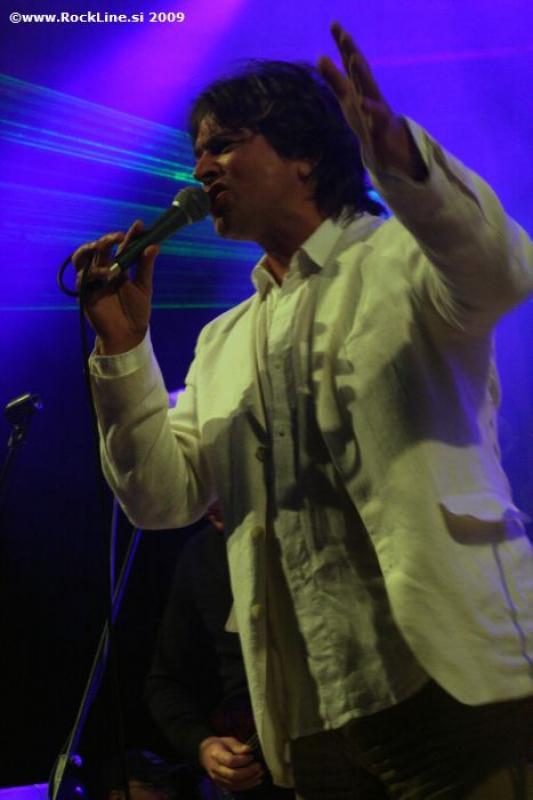
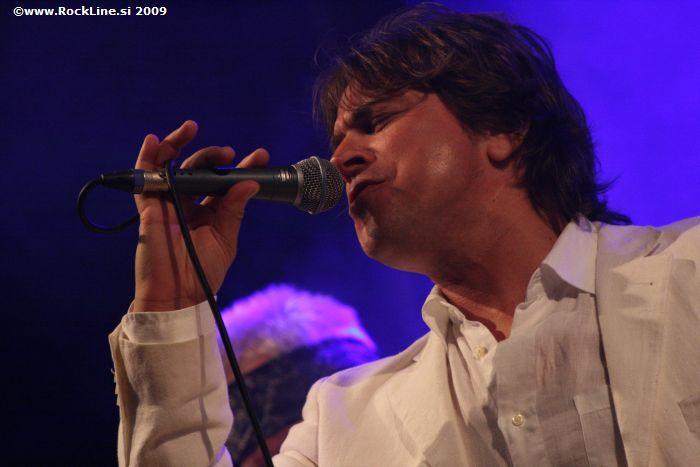
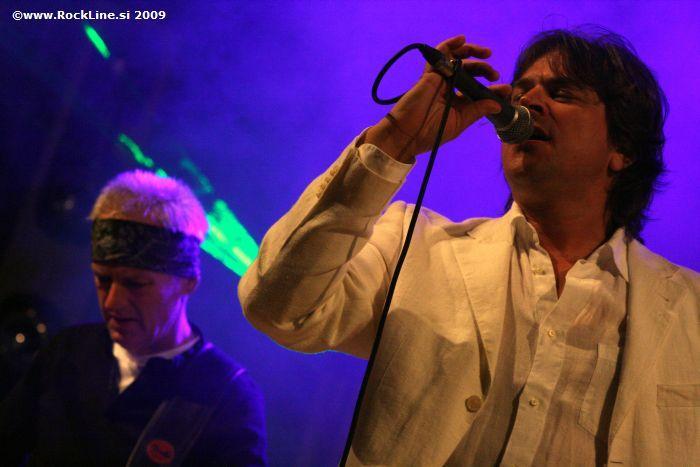
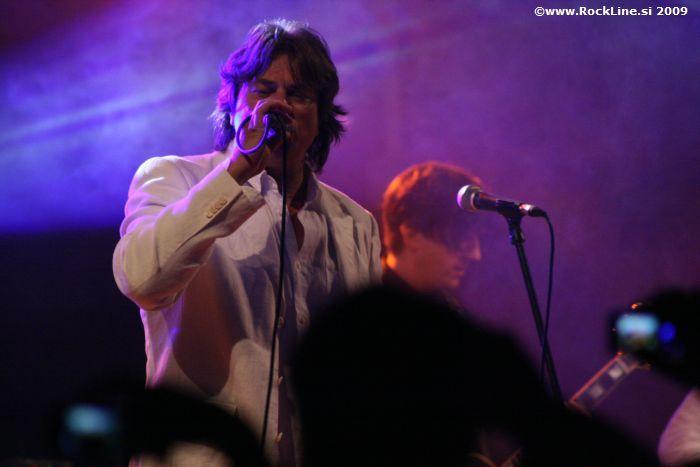
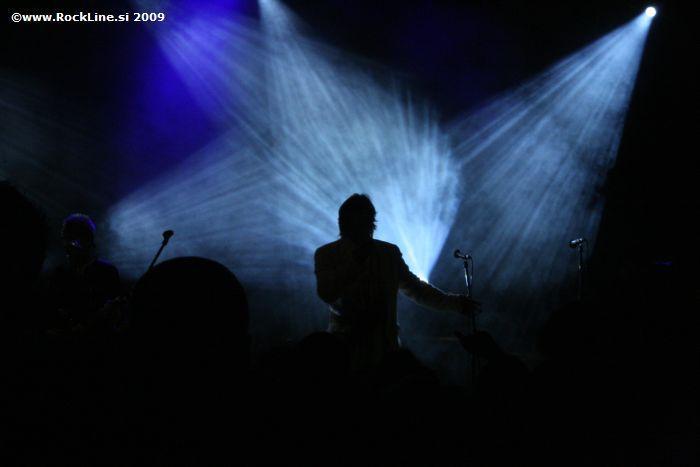
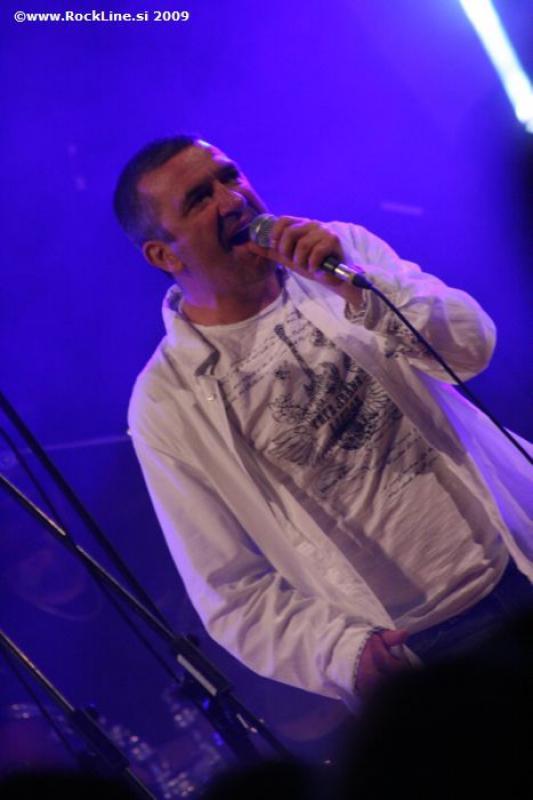
The button-studded trio, which now goes by the name Kad bi bio bijelo dugme, split the long-awaited highlight of the evening into three parts after a fairly predictable intro with the title track, each part getting just under an hour of space for what turned out to be vocal acrobatics that were rather hard to digest. First to step in front of the Postojna crowd was Željko Bebek, hero of the early Bijelo Dugme era. Wrapped in a scarf and wearing his trademark expression, Bebek, despite improvising his way through the vocal lines, couldn’t hide the holes in his once so recognizably juicy voice. Željko’s voice sounded most confident in the lower registers, while every octave climb already posed a challenge of a special kind for the gentleman’s vocal cords. The crowd, of course, wasn’t bothered by such trifles, which, with the relentless wringing out of classics like Na zadnjem sjedištu moga auta, Bitanga i princeza and other heavy hitters backed by an extremely tight supporting band, is perfectly understandable, so I won’t waste words on how predictable that scenario was. Nearly the same treatment from the congregation went to Tifa, who, compared with the biblical figure staring down for the last few years from countless posters, has bulked up a lot. A pleasantly plump fellow with a slightly raspy voice, his torso menacingly bursting out of jeans a few sizes too small, he wove an attractive pop-rock wreath, whose peaks Aiaio radi radio and Padaju zvijezde far outdid its predecessor in terms of crowd response. What Tifa can do is cat-and-mouse for Alen Islamović, the guy with the best-preserved voice of the three. The years haven’t gotten to Alen; what’s more, with all his stage mileage the man radiates incredible energy and charisma. Alen proved to be a real showman, a professional from head to toe, a performer with a great feel for the audience, who knew how to accommodatingly take what was offered (especially the excellent execution of Ako ima boga), including (sadly) a reprise of Motori. With a bit of malice you could say that Islamović only watched both of his “rivals” in the rearview mirror all evening.
To sum up, Friday’s evening in Postojna didn’t serve up any musical highs worth mentioning, except of course the ever-confident Mary Rose, who always polish their show with some especially juicy extra on top of an already steely repertoire. As for the Kad bi bio bijelo dugme package, the vocal wear and tear of at least two thirds of the button-studded songbirds is still too obvious for an unrepeatable musical experience that would satisfy the standards of the average music purist. The legacy of Bijelo dugme, of course, remains well ingrained in the blood of the Balkan Slavs, so they don’t even notice the aforementioned shortcomings, and if they do, the joy and boundless happiness of surrendering to the sounds of evergreen motifs make any hiccup in digesting the fruits of the Yugo rock giants simply too big a bite to chew on!
Photos: Mojca Perdih
Photo Gallery