Author: Sandi Sadar Šoba
Location: Gračišče, Slovenia
Attendance: 1000 – 1500
Ticket price: €8 / 1 day (€15 on the day of the festival), €15 / 2 days (€25 on the day of the festival), €20 / 3 days – the whole festival (€35 on the day of the festival)
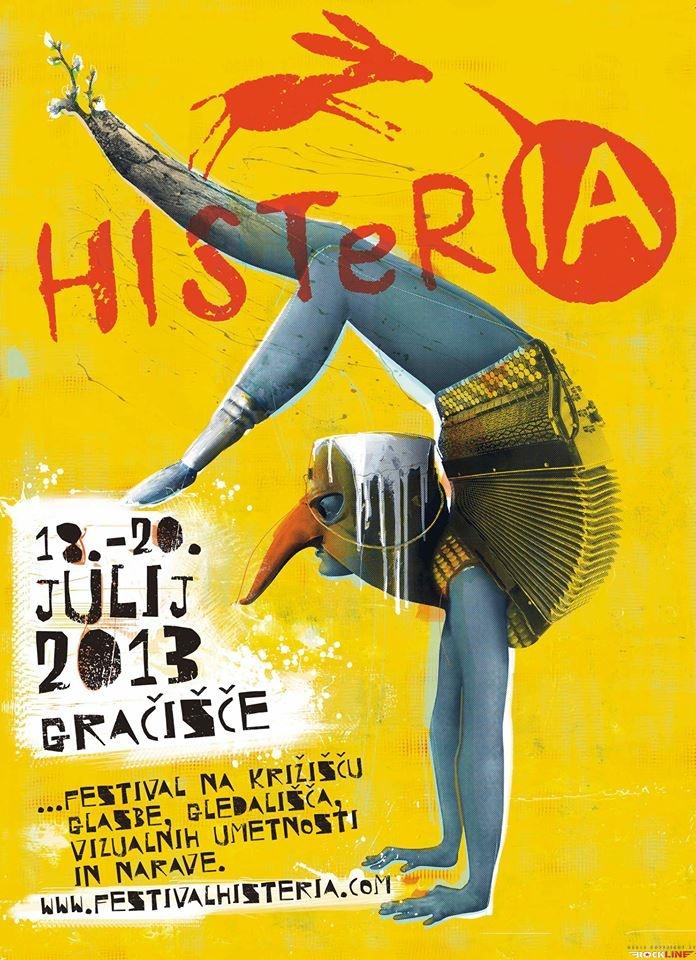
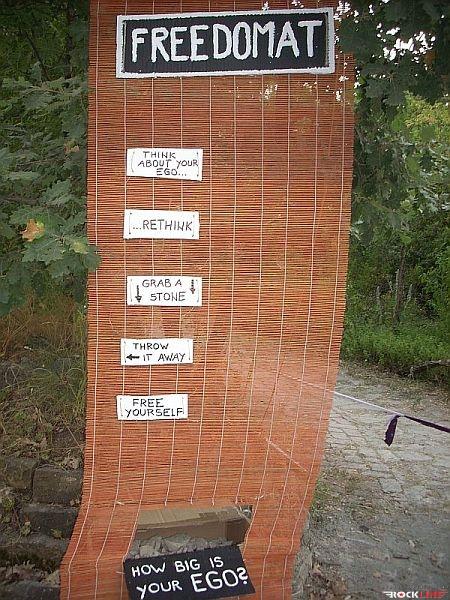
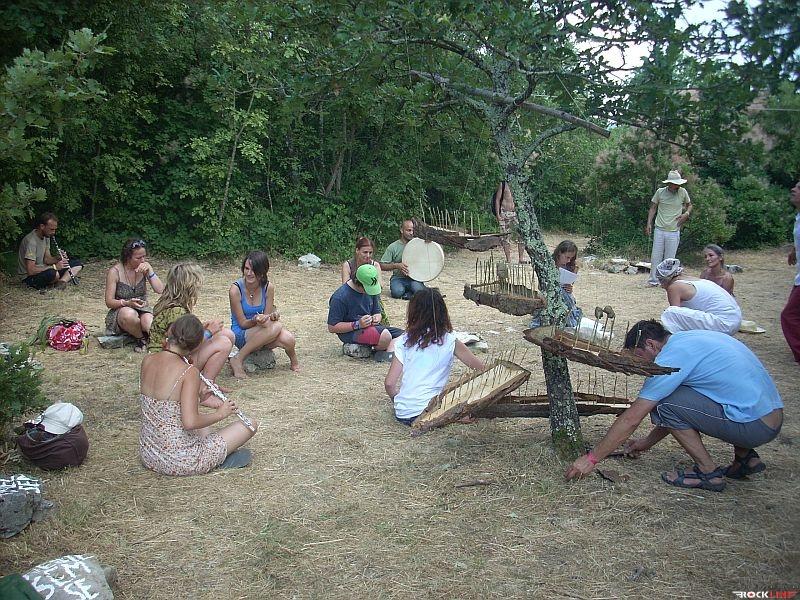
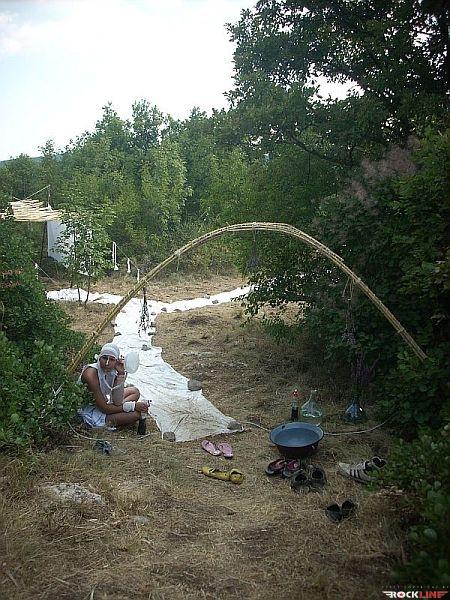
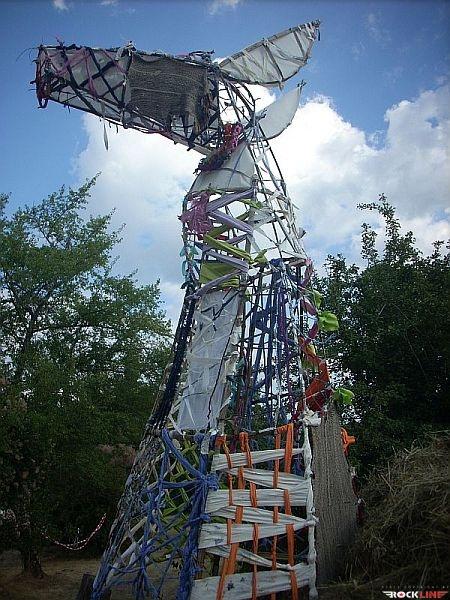
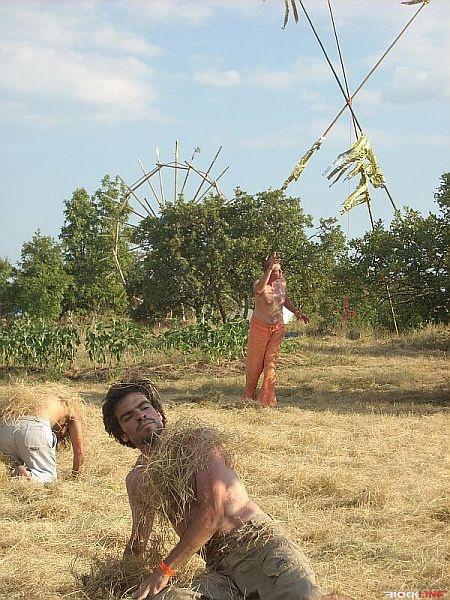
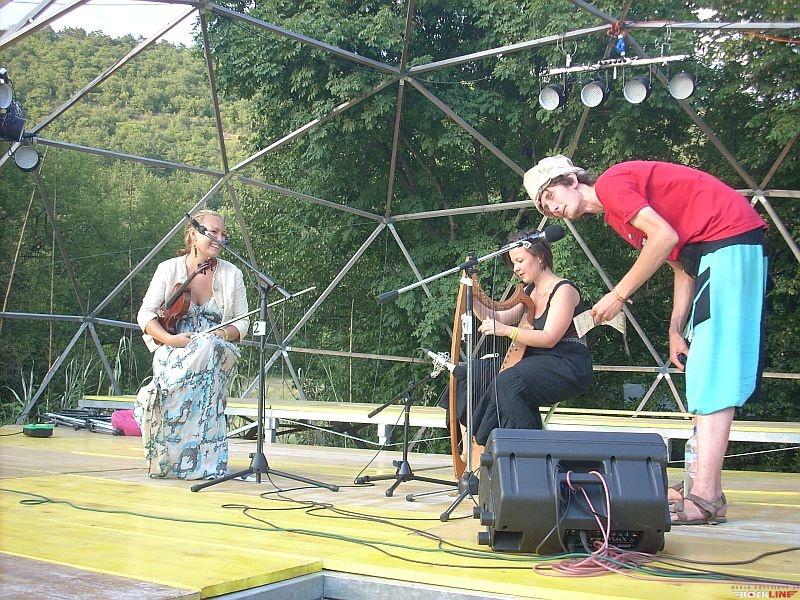
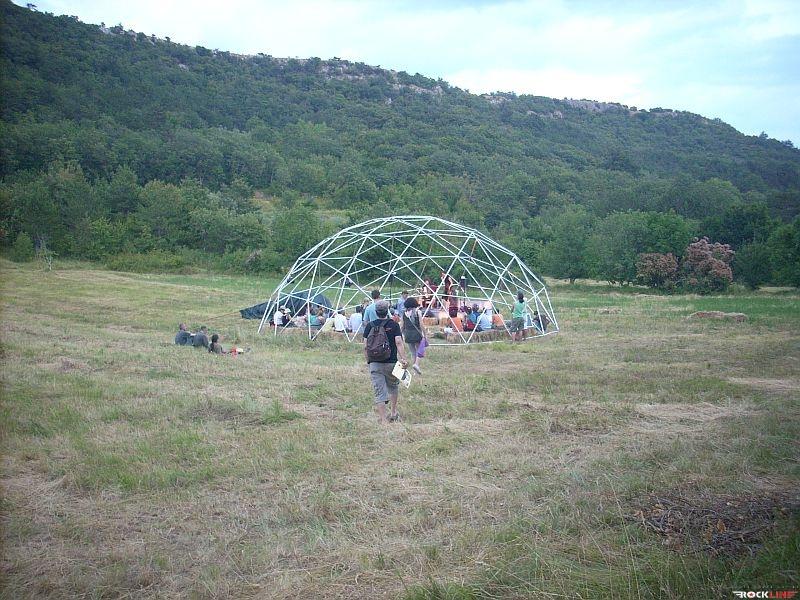
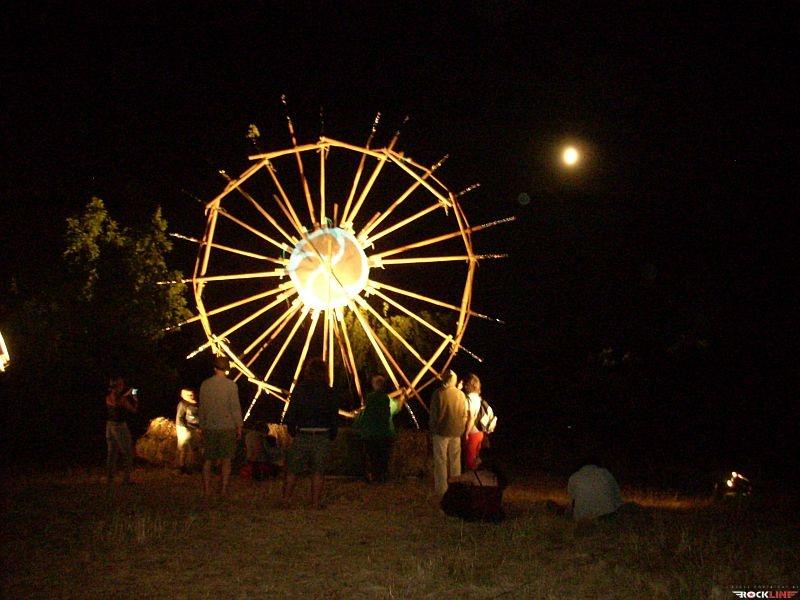
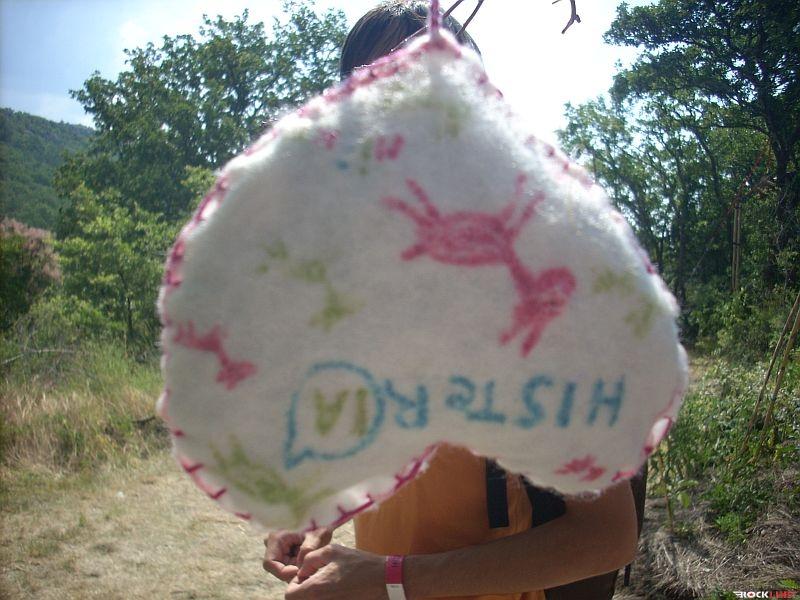
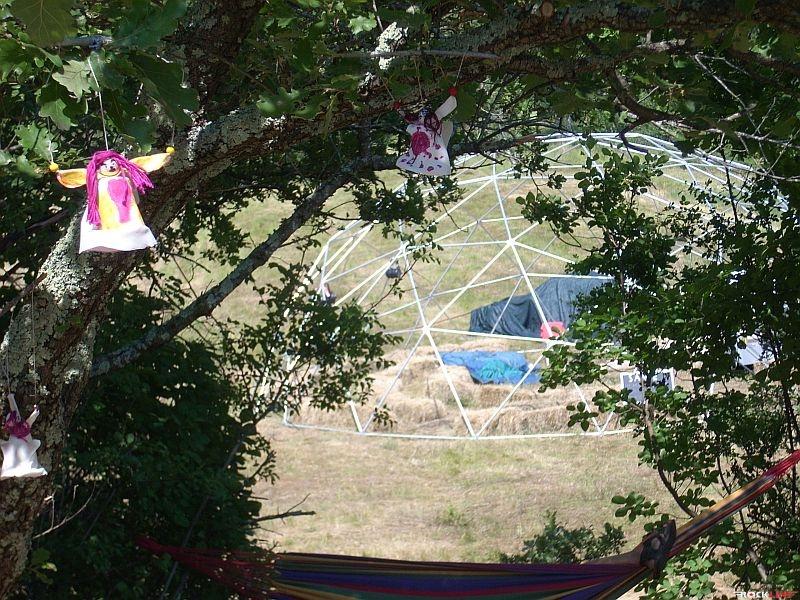
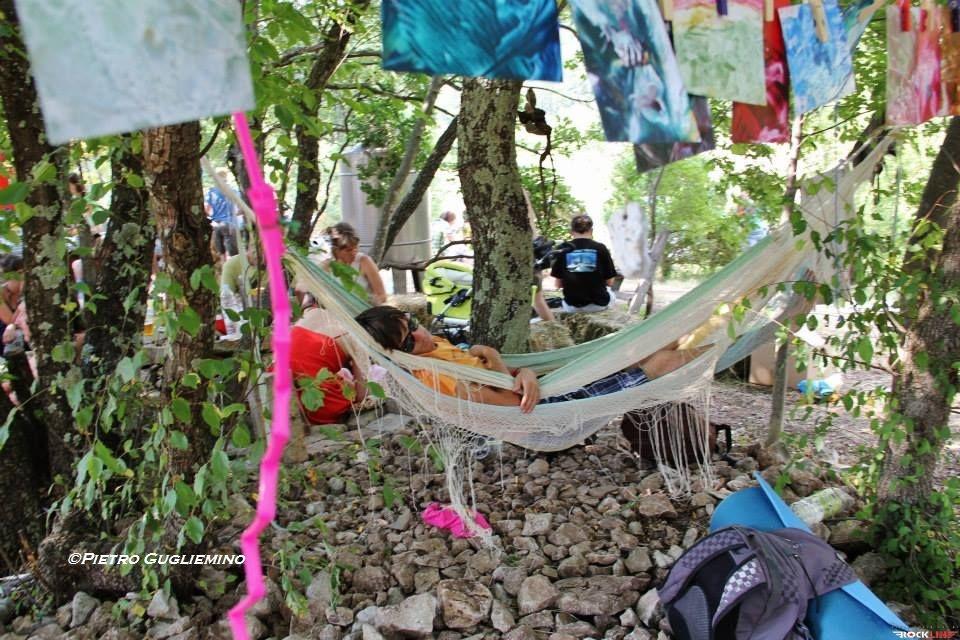
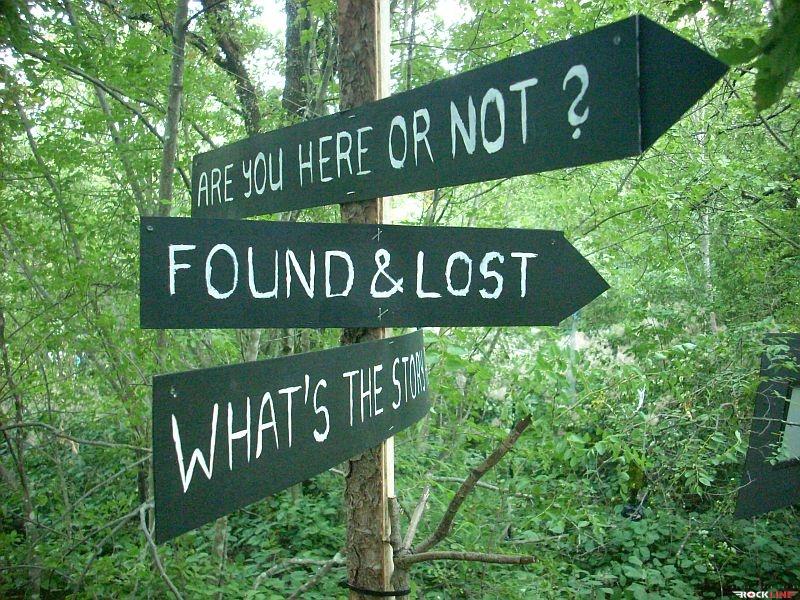
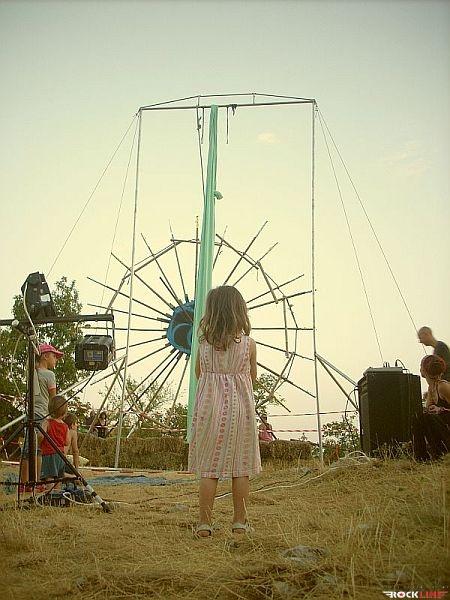
These days, plenty of people wonder how to live and what they can do to make life easier and more joyful. In the daily rush we plod after our carrots like donkeys, while doing precious little for our souls or our bond with nature. Looking for sun, joy, nature and a fairy tale, life’s road led us back to the essence, to the womb – Istria, or Histria, where the art festival Etno Histria has been running for a few years and, after ten years, has outgrown itself into the festival HISTeRIA. The ancient Greeks used the word »histeria« for the womb, and the hysterical state is tied to birth too (the word only picked up its pejorative meaning at the end of the 19th century). Even the climb toward the woods above the village of Gračišče, which sits in the eastern part of the Šavrin Hills, felt like a new world after the apocalypse. The houses and the church of white Karst stone welcomed us warmly as we hunted, in a colorful crowd, for the path to the magic little forest. The walk, in the company of lots of fellow travelers speaking lots of different tongues, was a real balm for the eyes and ears. The farther we got from the village, the more spellbound we became. We reached the Čekalnica, where we picked up our tickets at the box office – tickets for a new life. But before boarding the hysterical train, we fished out of a sack of stones the one that best represents our ego and got rid of it by dropping it into another sack. Cleansed of ego, we could carry on through the tunnel toward the next stretch of ripening and rites of spiritual growth. Our gaze was stolen by the Kupe stage, where we eyed the scene through the “windows” of compartments built out of straw bales. At the Odhodi/prihodi station we were stopped by the traffic controller Roza (Andrej Rozman), who frisked us thoroughly and steered us onto the right track for the rest of the trip. We took a side track and stopped at several stations. At the first one, Spomini, we sat down on a stone of our choice and, to live music, wrote a memory on a clay tablet, shaped a figure out of it and placed it on a ship that, on the last day of the festival, would carry all our thoughts and memories up to the sky. On the smaller Asociacije stage, two harpists sent us into a trance. After the meditation we wrote our associations and thoughts on white wooden tablets and went on with the journey a shade lighter and more relaxed. At the Drama stage, strange music tickled our ears and pulled us like a magnet to the Mežik stage. Out of heaps of straw, to the melodies of an unusual instrument, figures in white rose up and expressed their feelings to cosmic resonances through dance. Enchanted, we watched the dancers and only after a while noticed a big wheel basking in the evening sun. As we got closer, we heard a dance of raindrops as it turned, because the wheel was built out of rainsticks. Our eyes widened, our mouths dropped open, our ears listened hard, and our hearts yearned for more! The Istrian little forest, where a sea of artists from all over the world had gathered, was packed with magical scenes that painted dreams, mirrored memories and tickled the senses. You lose all sense of time, you simply explore and surrender to art …
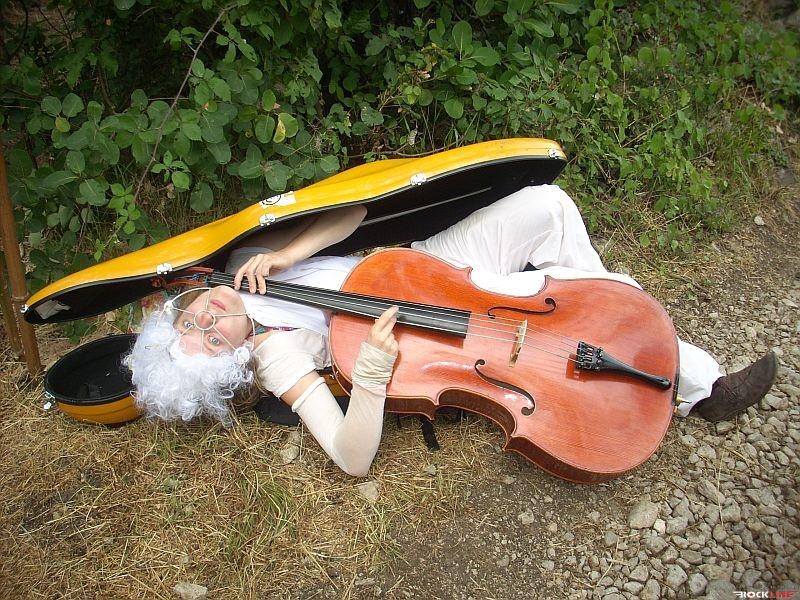
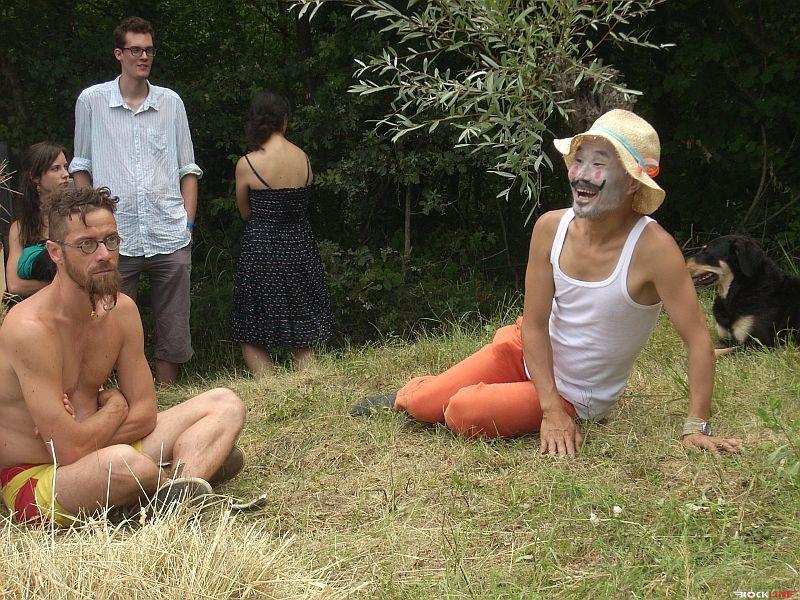
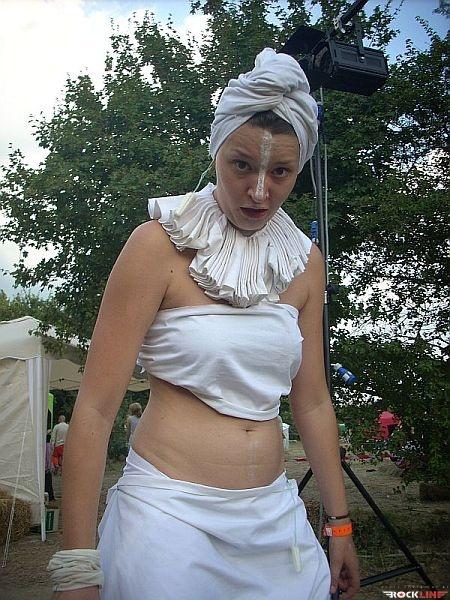
And there’s no shortage of choice. Besides expressive-movement excursions into the free poetics of motion, mime and ballet, and more grounded dance tied to nature and cosmic energies, there were also pantomime performances by the eternal companions, the white-clad guardians of the magic forest. After last year’s soldiery of the pink army, this time it was the turn of the affectionately renamed “Merry Tampons,” as the little band of Rockline’s entourage dubbed them. Next came puppeteers with airy elementals of forest spirits, walkers with donkey heads, storytellers and fairy-tale tellers on stilts, poets, rhapsodes, dream-butterfly catchers, artists of verse and of the close bonds between humans and nature, practitioners of the perfect and only true existence; and among the fragments of a rich collage of atypical festival offerings, the main glue was quality music, leaning above all on a love of tonality, meter, melodic slides and ornamentation rather than on big-sounding names that would, I believe, be a bigger magnet for an audience hungry for instant pleasures, ecstasy and devotees of label-perfection with logos on T-shirts, as pushed on the youth. More marketing than musicality, one might add after a three-day fusion of genres and feelings. A focus on the true essence of music blew away the linearity of past perceptions; the palette of well-known band and musician names and the purism of genres dissolved into nothing, and in the little forest of HISTeRIA what stayed in our hands, ears and hearts was a big dose of soul and a string of impressions that need no names, surnames or pigeonholing and, in the free style of liveness, can’t even bear them. Still, let’s hang on to a bit of linearity, if you want the two of us to scatter you a handful of what HISTeRIA 2013 brought into our lives. Above all, forget concision; strict definitions of time, and the relativism of space and time, were confirmed so many times by the daily start-up of the homolocomotive festival drive, with its flying changes and reconceptualizing of concepts, that all anyone present had left was devotion to surprise, surrender and intimate initiation, anointed with the harmonies of universal, all-worldly Music.
Thursday, July 18, 2013
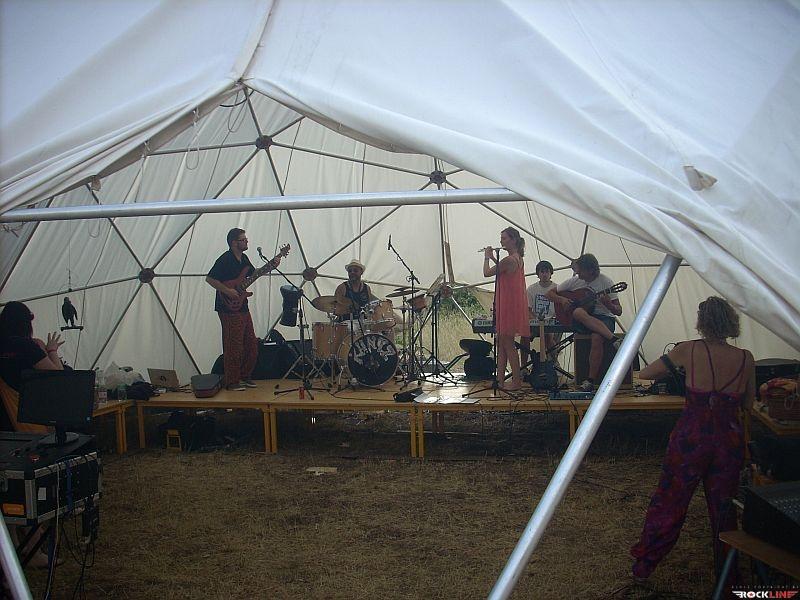
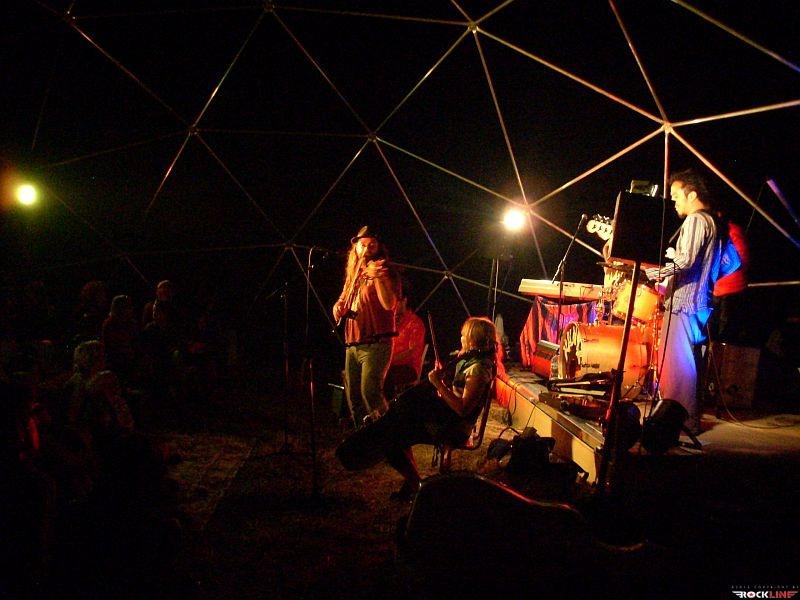
The first surprise out of the treasure chest was a dive into the roofed-over world of the Drama stage’s dome, with the electrified progressive jazz fusion of AP Group. Led by bassist Andrej Pirjevec, the band is rounded out by an international crew of inspired music experts. Names like Davide Tomasetig on keyboards and guitar, Franco Reja on guitar, Andre Araujo on drums and percussion and Katja Mlinar at the mic with a flute in hand don’t tell you much, but the fact is that these coastal carriers of samba, Chick Corea style (from the very first bars I couldn’t shake the association with Return To Forever), have enough groove that you give yourself over to the rhythms and the dancing despite the performers’ anonymity. The outstanding set shows the band’s finely tuned togetherness, and the original material by the project’s leader, Andrej Pirjevec, shows that the young, academically trained musician has been chiseled, in the hinterland of Trieste, into a young man with a refined feel for rhythm, melody and inner musical balance. For all the perfection, though, I missed a bit more organic feel in the performance, a few spontaneous surprises and flights on the free wings of imagination. In the meantime the set of the Italian band Achille Zoni was winding down on the intimate Čuti stage, as was the international alliance of the Italian-Austrian outfit Les Autr’chiens on the Kupe stage, so we headed instead for the nearby Končna stage, where the members of Voice Of The Strings were slowly getting ready to play. This Slovenian-Swedish duo of musicians, with a dreamier undertone, serves up the eroticism of violin and harp, and the shock-to-the-system territory is this time moved from electrification into spheres of subtler, softer aesthetics, the natural sound of strings and wood. The academically trained Sofia Högstadius from Sweden and Zvezdana Novaković, a musician of Slovenian birth and roots, presented a unique blend of the intimate, archaic and noble sound of the gothic harp, violin and vocals. A rather dry ambient weave of undefined groping for the right harmonies left the two of us slightly unmoved, and on the way across to the opposite end of the first day’s grounds, to the Kupe stage, from behind the rustle of pines and the song of overheated cicadas a seed of involuntary forgetting and musing crept into thought and memory, which was only shaken off on arrival before the wooden stage of the well-besieged hay Kupe.
Strategically installed on stage was I Salici, “Willows” in Slovenian, and this Italian sextet, under the creative guidance of Devid Strussiat Fumis and Marco Stafuzza, served up a schizophrenic yet so sweetly split soulful extract. A mix of dreamy blues with cosmic guitar excursions weaves cataclysmic undertones of darkness and a slightly rawer aesthetic into the soft tissue of HISTeRIA, without embellishments or ethnic trimmings. The eclectic psychedelia of this guitar-driven music slides from greasy rhythm into spheres of full-on acoustics. The cosmos is boundless, and the passengers on the seats of the train of coincidences are sobered up after the dreaminess by rawer, more down-to-earth rock, by grunge on Tori Amos metrics, and by a sense of connection with the uglier, rawer beat of the heart in the solar plexus of the universe of recession-era loneliness, where we currently find ourselves and from which we’re looking for an escape. This new-age hippiedom is less aesthetically soft and caressing, and a trumpet fits quite naturally into the psychedelic Pearl Jam trip; instead of vivid shades, I Salici’s palette has more muted tones of dark gray and the pastel self-destructive magnetism of grunge. Nothing is pure. Everything is allowed.
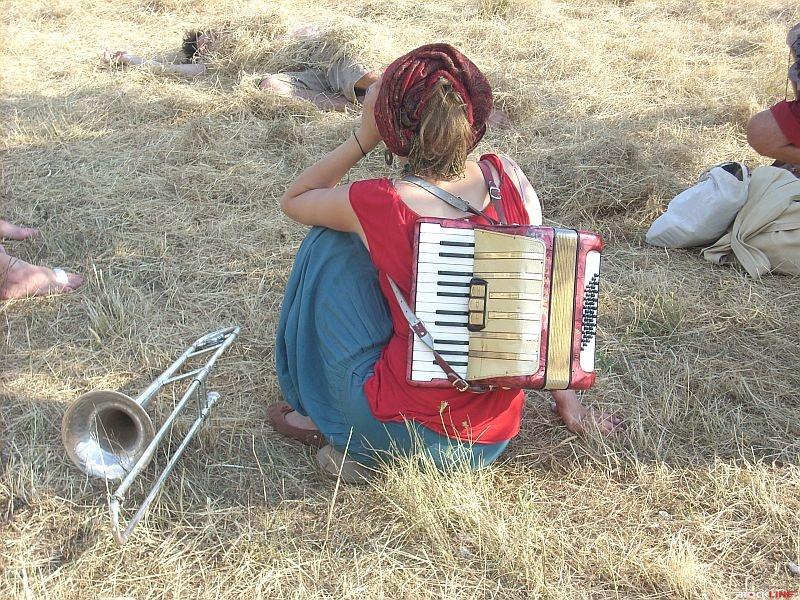
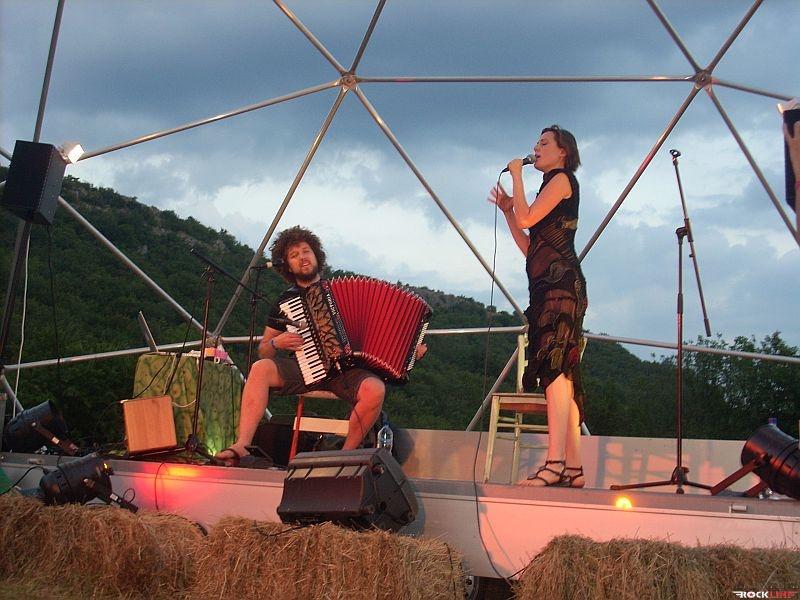
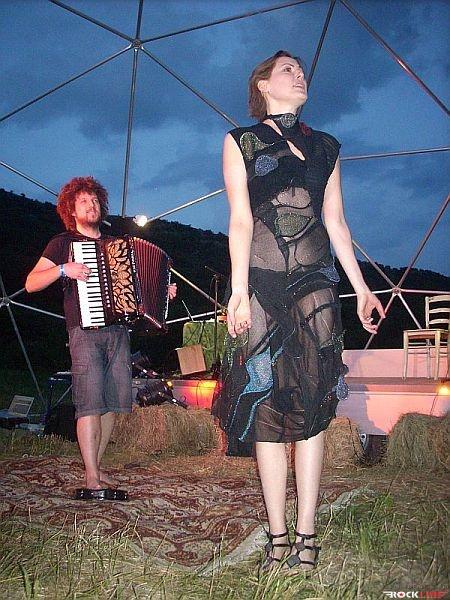
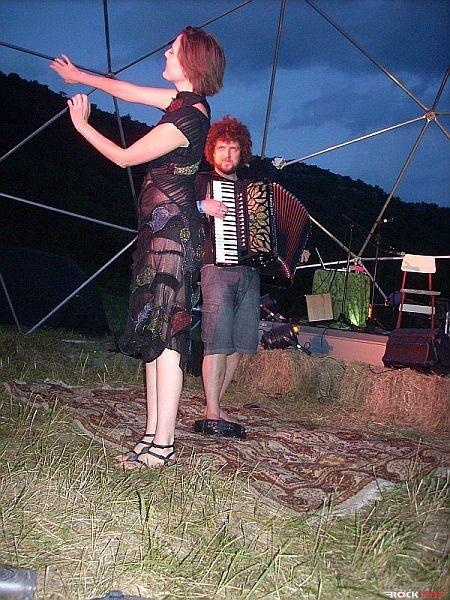
To experience as much as possible, we left a good gig early and headed for the Sanj stage, where we had earmarked the set by Brina Vogelnik and Janez Dovč as our intermediate exit from reality. Charged up by the decadence of this world, we stepped into the calmer universe of the Sanj world and on the very first day got our first sonic orgasm, followed by numerous further jolts of piercing beauty. The soft, meditative voice of the band’s gentle singer Brina fills the vault of the Dalí-esque stage structure of the auditorium, this time backed by a husband who has left an indelible mark on the work of Jararaja, Terrafolk, Kisha and others, and who has redefined the sound of the accordion, dressing it in a garment fitting and likable even for those of us who can’t digest the accordion in the classical sense without choking. Janez Dovč, with a refined dance of fingers over the accordion keys, sensually complements Brina’s sensual tale of longing, love, distant worlds and flowers that, in the hands of people who feel and surrender, say more than a thousand empty words. Sweet-bitter cascades of beautifully strained sacredness and sound fill the first day of magic in Gračišče, and melancholy and otherworldliness join hands with the unpredictability of nature. Thick clouds were gathering in the background, and all of a sudden the electrified weave of accordion, the restrained tapping of a computer drum machine and the sound of amplified echoes of the lead singer’s embodied whisper were cut short, and the duo carried on toward the big finale of the show unplugged, with no crutches, dancing barefoot on the soft grass, on a Persian rug right below the Sanj stage. Outstanding, refined, with no great glitz and no leaning on past glory, the band cemented its place in the hearts and souls of all of us who love good music as one of the festival’s best performances. Still, the first day went on with the intensity of a supernova explosion.
The continuation in style was provided by an unusual musical vagabond from the world beyond the Atlantic. We had stumbled upon the young, likable American Daniel Wall entirely by chance earlier, while feeling our way around the stages, when armed with just a banjo he fell into a trance and a joint meditation with some random violinist and flutist, cellist and guitarist. Names don’t matter, and the symbiosis of young souls showed with the very first try that the spirit of Johnny Cash is still alive and here, clamped into the red-hot stones and the heart of Gračišče. This time the conspirators and fighters for a better tomorrow claimed the scene in front of the Peroni stage, an unlit corner of the universe tucked away in the shelter of semi-darkness. Dan Wall radiates character, and, free of schoolbook definitions of rhythm and melody, he hands out among the people, selflessly, above all pure Dylanesque poetics, Cash’s resonant persona and above all his own optimism and originality, fed by the pools of blues and bluegrass; the catalyst of perfect inner harmony can be total strangers who, language barriers be damned, are bound together by music in all its resonance and might. What stays in memory is the gentle Atalanta, an exceptionally melodic conglomerate of guitar, banjo and flute, and the violin with the song The Patriarch Bounce, Seconds To Learn, a meaningfully lively lament for a man sentenced to hang, the song Hang Me, the supremely addictive and danceable Yodel Waltz, a socially critical call to revolt and a general spiritual uprising against the capitalist temples and Wall Streets on the face of this world, and the songs Lay Low Generation – Nothing Concrete, which rub a bit of old salt from Old Salt Prjecta into the open wounds of all the advocates and purists of this globally spoiled world, under whose surface, miraculously, a gram or two of soul, goodness and beauty can still be found. In the dusk and without amplifiers, in front of a stunned and thrilled crowd, one of the best acts of the festival’s first day took place, and the bag had only been rummaged through very superficially, the cards shuffled so thoroughly that, with the best of intentions, a number of names and a number of the people moderating the goings-on slip out of the spectrum of perception and feeling this time. It has to be said that HISTeRIA is a festival that anyone can moderate for themselves by walking their own individually chosen path. So this time we can only speak of what coincidence cut out for our walk through the world of the forest, the dream metropolis of Cantalone. And the last stop of the first day was the siege of the Končna stage, where Nano Stern Band allowed themselves their academic three quarters of an hour of lateness, which, out of exhaustion and the intensity of the first festival day’s experiences and impressions, we deliberately skipped this time, saving a bit of reserve for an upgrade the next day.
Friday, July 19, 2013
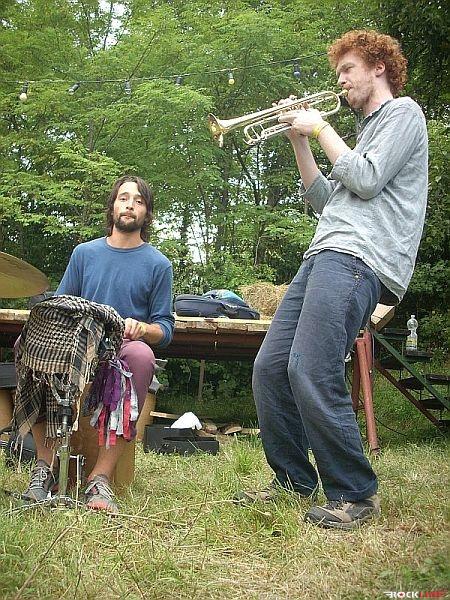
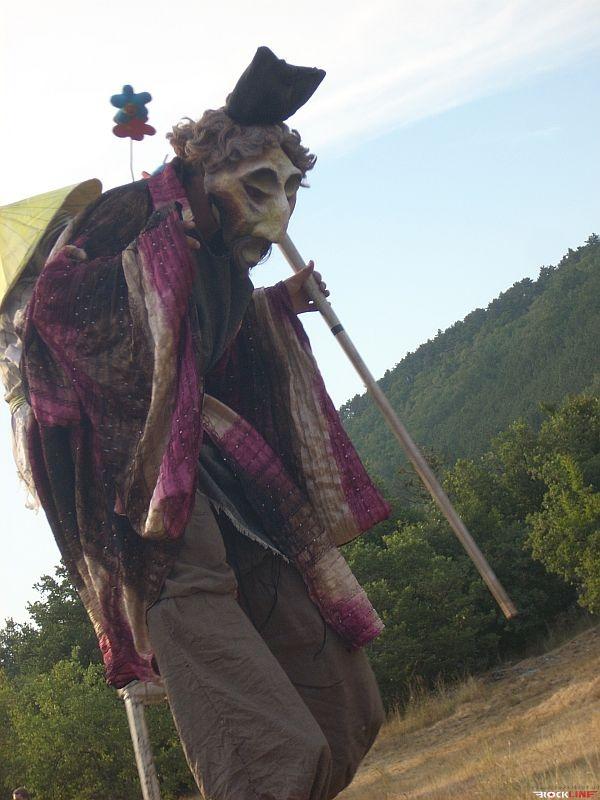
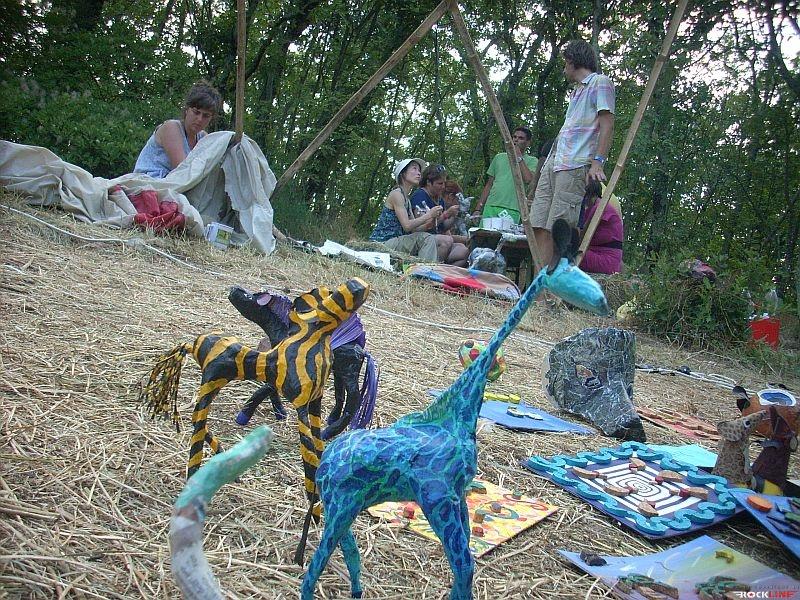
After the morning workshops, which from the early hours had no shortage of gong meditation, flying yoga, Romani dances led by Mojca Rakipov – Nursel, dreamcatcher weaving, silent-dialogue exercises, tightrope walking, theater classes, squeezing out inspired verses woven from impressions and the whisper of Istria, early-morning shows for kids and the young at heart, creative workshops with clay, wax and crocheting, artful balloon shaping, soap-bubble sculptures, in-depth debates on how to make the world and ourselves better and whatever else you could think of – after all that, the Trans Histeria Express had a catharsis waiting for us, with cleansing acts of musical upgrading of the day before. Strolling across the rainbow-colored grounds, we stopped dead in front of three tall figures – actors on stilts had prepared an attractive show for the kids, a Chinese fairy tale that the children joined in on with enthusiasm, since (like all the adults) they were enchanted by the grandeur of the main characters and their costumes. After dancing in a circle, a step from the front of the Končna stage leads to the very start of the kilometer-long stage path and its exceptional side paths. This time, instead of a stop at the Lokomotiva, where the Chileans Mone Cinto Echoes gave their sound to the opening (we missed them unintentionally, having written off the time factor), the first step of transcendence began with Kate And The Tuliis. This French-British alliance is a true collection of exceptional characters and oddballs. There was a sharp contrast between the Björk-like poetics of lead singer Kate Young (I’d almost swear the young violinist has at least a drop of Icelandic blood, as she complemented her seemingly static performance with rather intense vocalizing and raw, measured rhythm) and the gaps of a fairly rudimentary performance, which were beautifully filled by harmonic inserts from a mustachioed young man with a small accordion, Raphael Decostër, the French member of Tuliis, who is matched by a red-haired Celtic jazz trumpeter and a sensual Swedish drummer. The music of this young band, whose existence began only a week and a half earlier right in Gračišče, could be described as an ethno fairy tale on psychedelic mushrooms. One of their songs is in fact about the latter, and the young accordionist says it tells of mushrooms that wanted to go to the Moon but grew by a tree where a boy then picked and roasted them; the band dresses the lament in a mix of chansonnier accordion with a touch of jazz, and the dancing Celtic temperament, with the odd burst of Gallic temperament, serves up something you’d struggle to define stylistically but that is definitely right for dancing and having fun. It was like getting the soundtrack of existence, and the trio from Belleville got its sequel, a new sonic act. This free ethno conglomerate follows the principle: »If it’s pointy, it’s a pickaxe; if it’s round, it’s a shovel …« and with its songs gives its statement on ecological issues (Solo Majoko is about the melting of an Icelandic glacier, which we helped along, we the bearers and creators of the capitalist »New World«), on the universe and the cosmic smallness of Man, overstuffed with ego (Saturnus), and on the magical world of salvation in the shelter of the pine shade of the HISTeRIA festival (The Funky Forrest). The set, not sonically perfect, brought optimism and good cheer into Friday’s sails, and the point of it all is fun anyway!
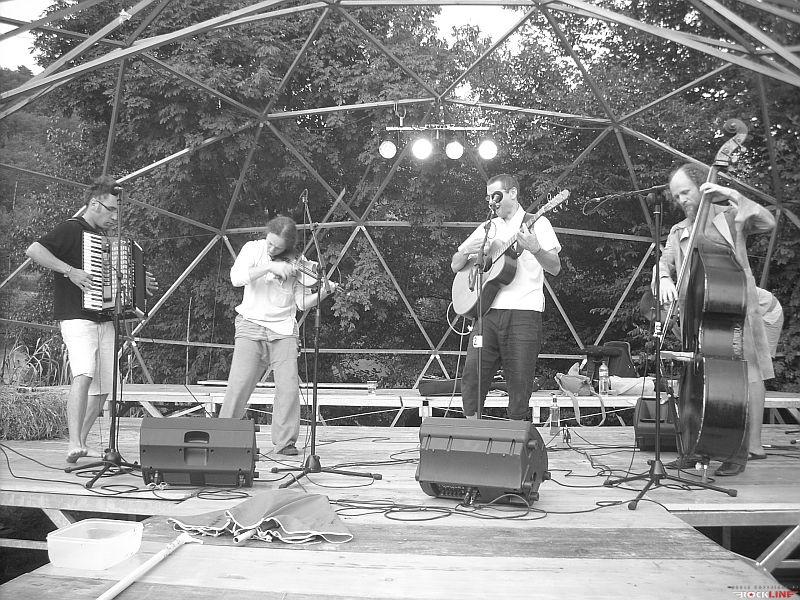
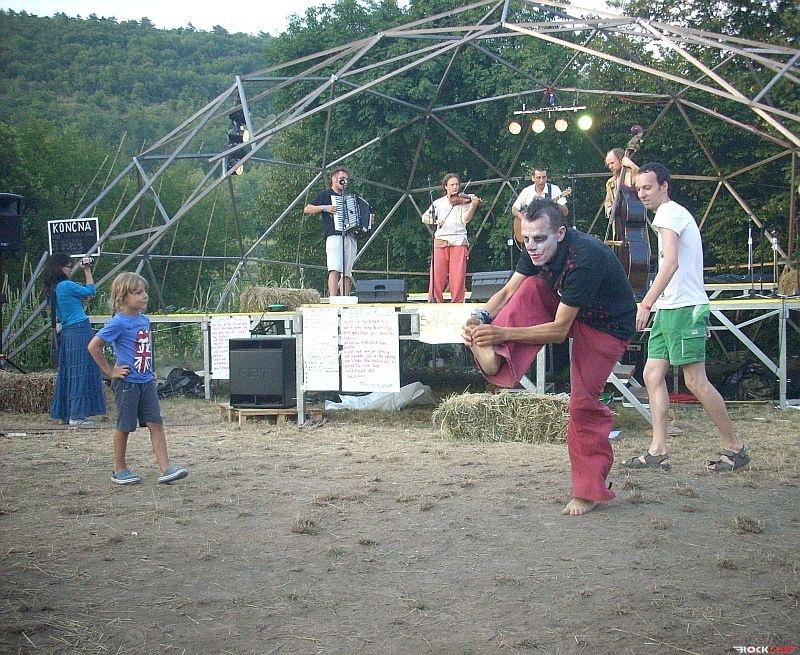
And for a good dose of the latter, many of us headed over to the big Končna stage, where the local band Brencl Banda was already getting ready for its stage dance. The band from Bistrica ob Sotli, a place with a rich tradition, has for years been drawing in countless worldwide influences as a catalyst, and as they put it themselves, their enthusiasm is for folk heritage and folklore; their existence is dedicated to writing down and giving back to life dusty records from attics, and through a rhythmic-melodic weave of musical rhythms from all over the world they can lyrically sing out in one voice the songs of happiness, sadness and timelessness and set markers for life itself. In fact, the Brencls are closest to a mix of bluesy folk that serves the audience just the right measure of danceability and humor. The stage is shared by the exceptionally penetrating violin of Klemen Bračko, the guitar of Andrej Boštjančič, who also handles the singing and the banter with the crowd and is matched by the accordion of Rok Šinkovec, crowned with the double bass of the charismatic Matija Krivec, who is lost in the world of rhythmic ecstasy. The accordion, drawn from all the Oberkrainer influences, goes nicely with the harmonic inserts of the violins, and the upright bass puts the raw cherry on top of the straight-talking criticism, which can put things into words without mincing them yet is never insulting to the sentiments of those who are different or think differently. The stage dynamics are just mischievous enough to lure old and young to the stage, who give themselves over to the rhythm and dance – the older folks this time not just out of parental duty or because the neighbors are doing it. Bare feet pitter-patter over the parched Istrian earth, and Brencl Banda, like a gang of mad professors (and this time scholars and bookworms who, on top of everything, are confirmed musical talents), mix tango, oro and Celtic folk in a sonic bowl and carry on with the universal casting of spells. The song Pleši kolo zame is structurally a classic kolo, in which a jazzy insert fits in perfectly naturally without stopping the dance, tossing a pinch or two of dreaminess under the stage scenery, followed by sparks of life and a repeat of recession satire (in the story a guy urges a girl to dance the kolo for him, but she says there’s no money, no drink, no reason to dance), and then all of a sudden the Brencls shift the concert machine into more Balkan rhythms on a Celtic base. Suitable for all genders, the Brencls, with their fusion of different genres, influences and sentiments, manage to keep their concert trip, a lovely film if you will, always spinning in the right direction. Thanks to this, the previously half-empty auditorium fills up properly too, and the audience finally succumbs to the rhythms and the mood of the four on stage. The Brencls could be a good dose of vitamins and music for a whole day, and after a good hour of quality music it’s clear that the locomotive of inner liberation and happiness is only warming up.
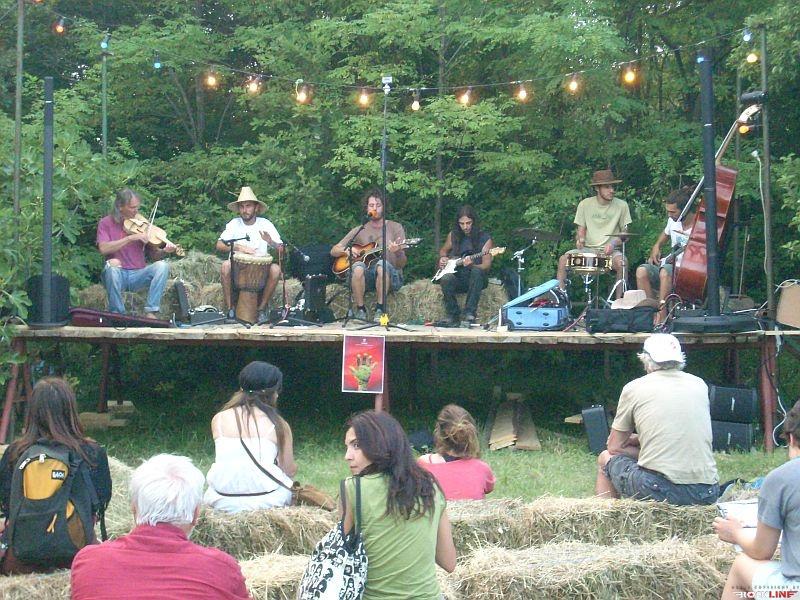
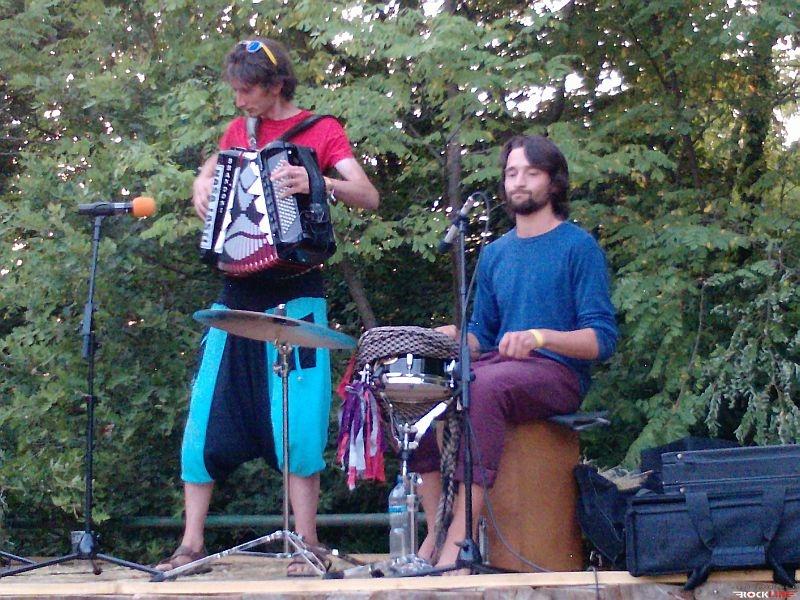
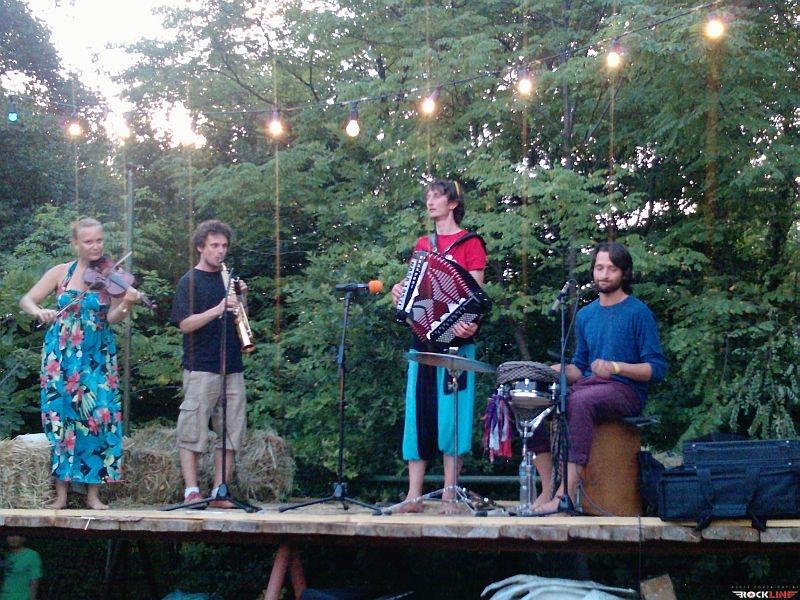
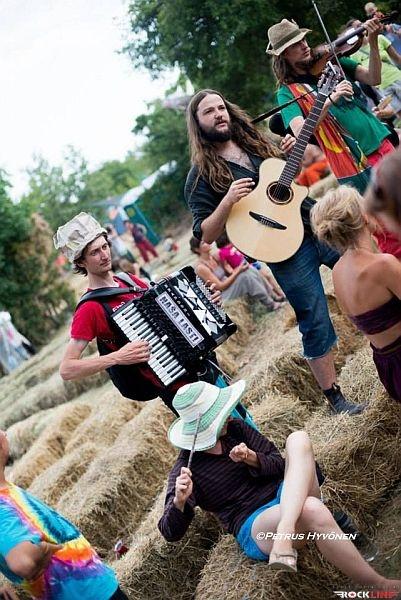
After a sprint to the Kupe stage, we caught the beginning of the Swedish-Slovenian stage collaboration in the body and soul of the outstanding band The Breaks. The band formed right during the pre-festival hangout of musicians from all corners, and despite the short time of coexisting together, it manages to offer the audience a gypsy rhythmic dance of maximum precision, almost bloodhound-level exactness, which only a few groups that have played together for much longer possess. Talent shakes hands here with completely open soul registers; the button accordion of Matija Solce, a man of incredible organizational trust and above all an exceptional human being, along with Sofia’s sweet violin cries (this time the member of the aforementioned duo Voices Of The Strings reveals her more passionate side), is the main weapon for a total switch-off and a soulful rise to a higher plateau of perception. Gaps in time fill up, and in totally natural jam-session excursions of wildly Balkanized harmonic souls, all of us who love good music can become conduits for rhythm and dance. The Swede Sofia adds just the right sexy-spiced gypsy note to the whole, and a crazy lace of fairy-tale timelessness is woven from under the fingers of the stage virtuosos. Space becomes superfluous as well. Embraced by the smell of dry hay, pines and fresh figs, we slip off the Histeria train past all the milestones. Names, borders, ideologies and stamps don’t matter; what remains is a distinct sentiment of the perfect fusion of cultures, heartbeats, love, melodic inspiration and the wish to step into a totally denationalized world and stay there forever. The denationalized world of fairy-tale HISTeRIA becomes a playground for everyone’s emotions, every single moment. Barefoot, with the breath of the Istrian bora in our hair, with no needless glitz or pomp we can surrender to stage brilliance, and The Breaks, without brakes, keep weaving the veil of good music with a thousand touches of keys, strings and gentle taps on the open drums, and in doing so they blow the spirit of happiness and delight into the hay compartments of the Kupe, which is the absolute maximum we could be grateful for. The Breaks then ooze out an international čočak extract, and the almighty express train of soulful devotion to rhythm and music, on the tracks of its mission, carried thousands of souls along a parabola of pleasure, of which there was no shortage at HISTeRIA 2013.
What followed was the calmer, dreamy, extremely intimate set by Duo Aritmija and Matija’s sister Nika in front of the tightly packed auditorium of the Jaz stage. The guitar virtuosos of unique acoustic instrumental interpretations and traditional ethno melodies, Tilen Stepinšek and Šamsudin Džopa – Dino, this time brought on board an excellent singer of Balkan songs, Nika Solce, and in the half-light of the little stage, without overpowering sound systems, lights or pomp, a gentle yet wildly unbridled descent down the rapids of the Balkans begins. Nika’s gentle vocals bring refined softness and almost jazzy sex appeal into songs from Macedonia, Bosnia and Herzegovina, Bulgaria and other erogenous points of a peninsula that can’t and doesn’t want to hide its passion and contrasting grandeur. Tilen and Šemsudin crown it all with a fusion of perfect World Music, where the Balkans are compatible with the Iberian Peninsula and flamenco, and the gypsy soul rubs shoulders with jazz and all the elements of total liberation. The outstanding performance slips smoothly under your skin, and after a sensual soulful journey from the peaks of Šar Planina on through the trackless Balkans, peace and serenity settle into the soul. Duo Aritmija and Nika can hypnotize the audience, but we somehow roused ourselves from the half-sleep and headed for the well-known Kupe stage, which had become a kind of constant we kept coming back to.
This time out of curiosity about why the name Dirty Sanchez sounded so familiar. One look at the band members and memories came alive of partying to the rhythms of their ethno-funk, where Balkan and Spanish-Romani music flow into funk. The crowd in front of the stage didn’t stay cold this time either and was soon feverishly dancing in the groove of the Ljubljana band. The charisma of lead vocalist and guitarist Aleksander Kuzmić is undeniable, and he’s well matched by the band’s latest flying change, the outstanding accordionist Uroš Jezdic, who despite his sub-Alpine roots has a good grip on all elements of Balkan rhythm; the gypsy melos and funkadelic inserts give the band a stage touch of freshness and danceability, as confirmed by the growing number of mostly women who, besides enjoying the band’s main magnet, the likable Aleksander, also enjoyed the well-arranged songs, suitable for every ear, Slovenian ones included.
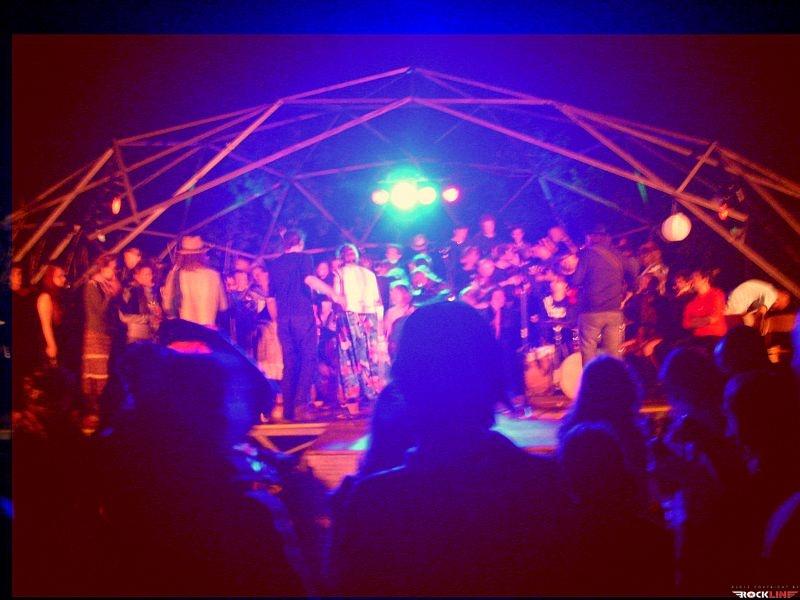
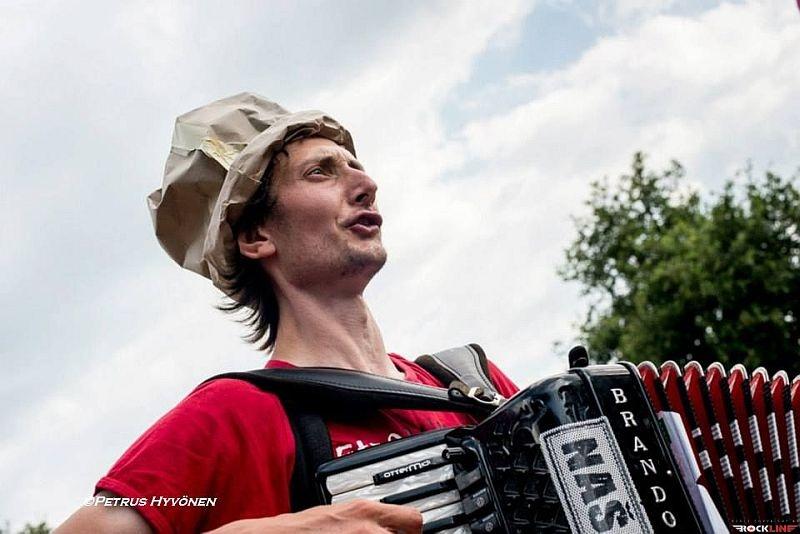
Through the dark tunnel we danced early to the Končna (station), where a hundred-strong expedition of musicians from all corners was already standing on stage – the Etno Histeria orchestra, which we’d had the chance to hear before the festival even started (in Koper, Piran and Ljubljana). The musicians gather a good week before the festival and learn from one another; they learn music, songs, tunes and dances from different cultures, team up with other artists, installations, art programs and actors, and create. We watched the final creations, listened to them, danced to them and sang along into the late evening hours under the dome of the biggest stage. There was no shortage of the Resian melodics of Rezijanske either, with its damn addictive swaps between hushing and drowning out the murmur of the crowd, and the heart was fed too by a cover of Pink Floyd and their song Another Brick In The Wall, though with a bit less text and more simplified orchestration. Among the sexier numbers of the evening was also the Armenian dance Abaran, which sounds pompous and truly magical from under the fingers of the hundred-strong orchestra of all HISTeRIA participants, though the lads and lasses, despite the baton and efforts of ringleader Nano Stern, didn’t manage to top the outstanding pre-festival performance on Kongresni trg in Ljubljana. The orchestra’s performance of over an hour also bore the stamp of the stage appearance of the festival’s exceptional and all-round talented mastermind Matija Solce, who, despite visible fatigue and exhaustion from organizational chores, managed to bring even more verve and explosiveness to the Končna stage with his button accordion. For the Rockline crew, this exceptional excursion through the world treasury of ethno heritage was the closing act of the penultimate evening, which in a way got its epilogue, with the last joint performance of all hundred talents, a day before the inevitable and premature finale of the festival.
Saturday, July 20, 2013
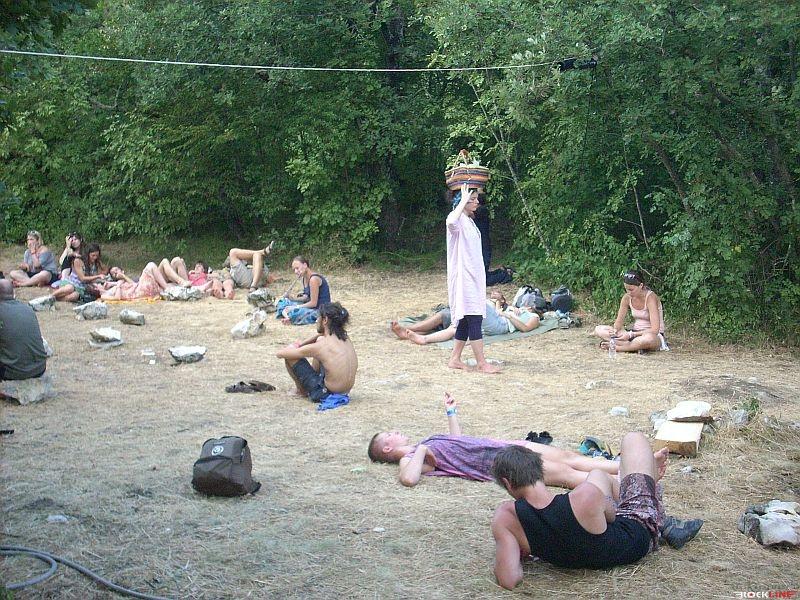
Saturday brought the last day of the HISTeRIA festival, which had already proven in its first two days to be one of the most substantively packed festivals on this side of the Alps, and in Europe as a whole. The scorching-hot morning of the final day brought a varied selection of workshops and events (flying yoga, Zen meditation, a poetry workshop with Ana Porenta, art workshops, puppet shows, a debate on allotment gardening, the workshop Dva obraza jaza, tea sipping in the tea room under an oak canopy …), which carried on into the afternoon and kept us so busy that time slipped past us while the hot ball in the sky slowly sank behind the treetops. Hungry for music, we traveled, escorted by the white conductors, to the Kupe, where we stretched out comfortably on the springy, well-worn seats of the compartment and awaited the set by Katanija. Quite a few listeners had gathered already and, after the first bars of warm-up, the vocal-instrumental group finally began warming up the crowd. The cavalry of musicians (katanija means cavalry in Serbo-Croatian) started its set rather shakily and out of sync, with a low energy level and (too) long pauses between songs. The lukewarm show felt more like a public rehearsal than a proper festival gig. Hoping they’d find the thread, both among themselves and with the audience, we waited patiently for a heartfelt repertoire of Slovenian and Balkan folk songs, full of oomph, but it never came. We glanced at the listeners, who were gradually drifting away, and in the end decided to give up our compartment seats to the newly arrived visitors.
Since we hadn’t yet heard a single concert on the Proces stage, we decided to catch the Slovenian singer and re-creator of Slavic folk music heritage, Mateja Gorjup. In the intimate setting in the middle of the forest, the singer drew in the crowd with the bare singing of folk tunes, into which she breathed life with her feminine energy. The feeling of homeliness and the liveliness of the folk songs took us on a dreamy musical journey to different corners of the world. The stories worked like glue between people, as more and more of them kept arriving at the scene and listening to the immortal verses that connect generations and preserve civilizations. The hunger for even more artistic experiences kept growing.
Hungry for stories, we took the goat paths to the Kreposti/asociacije stage, where actors were getting ready for a performance. The group Commedia del arte is made up of a network of artists – musicians, actors and set designers from different parts of Europe – led by Matteo Spiazzi and Ester Grigoli. They put on a comedy that worked out our face and belly muscles and made us laugh till we cried; the story of what true love is and where calculation ends, so that we can speak of that real, eternal Love, was a proper theatrical complement to an already rich program. After the final bow, the lowering of the curtain and the standing ovations, it was time for the last handfuls of musicality.
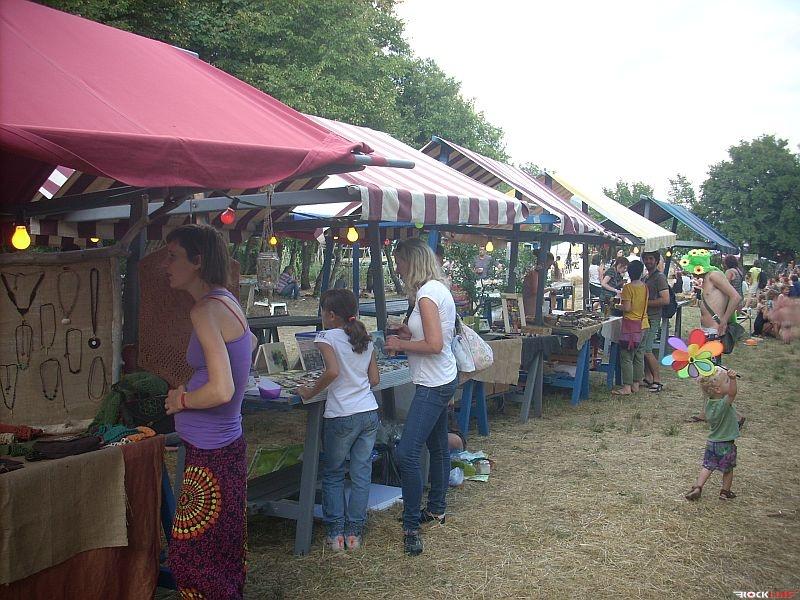
While wandering the hysterical tracks and grazing our curiosity at the art market, our ears and attention were stolen by the virtuoso sound of an accordion you’d recognize a kilometer away: Matija Solce’s fingers were dancing over the keys and buttons of his accordion again! At the Drama stage, together with colleagues from the Czech Republic, Slovakia and Russia, he put on a top-notch, energetic and emotional concert that left nobody cold. Besides the excellent accordionist, our attention was also stolen by the drummer who had also accompanied Kate and the Tuliis and The Breaks, the outstanding Stefan Hedborg from Sweden. The guy has an exceptional ear and a feel for improvisation, since (according to Matija Solce) he was playing with the band for the first time and played every tune very naturally and professionally. Fekete Seretlek is a band that brings to the stage, besides a superbly intoned and impressive musical show, a proper measure of satire, sarcasm and all-worldly humor. The closing act of the concert, which we sadly mostly missed, served up a truth we can only agree with – We Are Going To Die. This circus band confesses the fact that life is only given on loan and therefore has to be enjoyed with a full measure of pleasure, striving for the fulfillment of all our inner potentials, so that existence doesn’t stay at daydreaming and passive inaction.
Darkness was beginning to thicken, the landscape lit only by an almost perfectly round moon in the sky, and our senses led us along a white-colored path to a new stage – Čuti. There the likewise international band Waziz played: singer Bilge Özgün from Istanbul, Matthew de Boer on clarinet, Malindi Morris on percussion and a guest cellist. In the muted light of tea candles they drew stories from Turkey and other lands with their music, and the flying carpet we were sitting on carried us to heights from which we were forced to descend too soon. The journey was short but sweet. We gave ourselves over to the flow of freedom and, after aimless wandering through the forest, ended up back at the Končna. Tension could be felt in the air, and a mild melancholy took hold of us, knowing that the magical three days were running out …
In front of the big stage a crowd of cheerful positive-vibes people and musicians was slowly gathering, and in the middle of the dance floor under the smaller dome the first flames of fire slowly awoke. Master Matija took the stage with his accordion and with a gesture told everyone to sit down. We followed his gaze and noticed the ship-bearers, who had carefully guarded our clay memories and thoughts. To dreamy music we admired the ritual of final cleansing: the ships sank in flames one after another, music thundered from every corner of the grounds … The people sang, the energy flowed … The stage was then taken by Šavrinke in Šavrini, who, through role play and folk songs, showed the folk heritage of this region. They earned a thunderous round of applause, after which the festival organizer, Matija Solce, introduced all the co-organizers and thanked them from the heart. A strange feeling hung in the air; a feeling of farewell, of the end, of returning to reality. But the program wasn’t over yet. Soon the dancers of the group Amaya climbed onto the stage, dancing tribal fusion bellydance and ATS (American Tribal Style) under the watchful eye and mentorship of top dancer Manca Pavli. With their attractive and exotic look, their coordination and strong feminine energy, they won over the spectators in an instant; the audience didn’t stay indifferent but admired them with mouths agape and loudly cheered them on in their dancing spellcasting. The group Elementali, who performed after them, then raised the adrenaline in our blood with their fire acts and left us fully awake to the magical night. The RockLine crew decided to say goodbye to the fairy-tale town of Cantalone. The eye caught the last glimpses that nestled in memory, and the ear the final melodies of violins, guitars, accordions … that settled into the heart. Soaked in pure joy, cleansed of all ballast and with homemade ice cream in hand, we left Gračišče and, with our souls somewhere in the clouds, headed back to the everyday paths of life.
And with that, the ethno spectacle of the year, HISTeRIA 2013, came to a close. In the distance the last pulses echoed of an event that doesn’t just bring people quality music and a list of eminent names but also works to raise the quality of living, to return people to nature and to their true essence. None of this could have been seen without the extraordinary self-sacrifice of the organizers and the tireless volunteers, who for three days of the event are ready to sacrifice their time and inspiration and, with body and soul, make the near-impossible happen year after year – pulling off, without any real financial injection, a festival we can rightfully be proud of. It really isn’t for everyone. The only ones who could be disappointed are those spoiled types who like to bet on proven racehorses and on instant revelations in mainstream culture-vultures, male and female. HISTeRIA is an underground, alternative ethno oddball that you can’t easily find a match for, and precisely because of this peculiarity, and its focus on each individual one by one, it’s a real balm for the soul. The boldness and determination of the creative trust of exceptional dreamers behind the dream world in Gračišče served up, this time, with a truly unique sensual, emotional and intellectual experience, a real gem, after which the two of us too remain changed and set on changing the world for the better. Precisely because of the people who gathered around the loving soul of Matija Solce, whose gaze is fixed on music and art, we dare to claim that the HISTeRIA festival is not the product of one single star, without whom something this good could easily die, but the product of a true constellation, a galaxy of like-minded people that grows from day to day, from year to year, while new supernovas of people in tune with nature are born from moment to moment, from touch to touch, from beat to beat, and the pearl of Gračišče takes good care of every last one of them. At the same time, we can only quietly hope that the strength and ideas will last into 2014 too and that we’ll get a new upgrade, an evolutionary leap into the unknown, but not at the price of the intimacy, non-massiveness, beauty and heartfulness that this three-day subtle spectacle from a small village somewhere in Slovenian Istria brought to the festival year of a country somewhere below the Alps.
Photo gallery