Venue: Etno klub Zlati Zob, Ljubljana, Slovenia
Concert date: September 19, 2013
Attendance: 150 – 200
Ticket price: €8 (presale) / €15 (day of show)
Few bands have moved me so deeply in the past year or two that neither the tooth of time nor a flood of maybe better-promoted records can chew up the memory of them. From a handful of pearls worth more than pure gold, I’d definitely single out the band that had me from the very first chords, the first outpouring of stage chemistry and musicality, and soaked me through to the last fiber – the Mostar Sevdah Reunion I saw, felt and absorbed in July undoubtedly deserve a full and sincere mention. They charmed and conquered Menza pri koritu, and by a wonderful twist of fate, the return of those magical sounds of Bosnian laments, songs of love, longing and suffering, of life, of being torn in two and of rainbows, from Mostar, the mystic-shrouded capital of multiculturalism, didn’t take long at all. That Bosnian melting pot of cultures, faiths and beliefs is known as a place of destabilized, passion-soaked political passions that didn’t go quiet even after the war drums stopped thundering and the weapons stopped rattling. The pain, the discord, the unsettled scores and the ocean of spilled blood haven’t faded yet, so you’d hardly think that on a patch of land scorched by the blazing Neretva sun, once-feuding and warring people could live side by side – but it’s possible. The link between the left and right banks of the Neretva was cut during the war, when the Mostar bridge crumbled under cannon fire, but the people of Mostar built a new one, and even before that, the bond between the left and right bank, between Croats, Serbs and Bosniaks, between Catholics, Orthodox and Muslims, was woven by music and by melodies more than 500 years old. Sevdah was a bandage on painful wounds. Sevdah was the voice of calm and, at least for a moment, reconciliation.
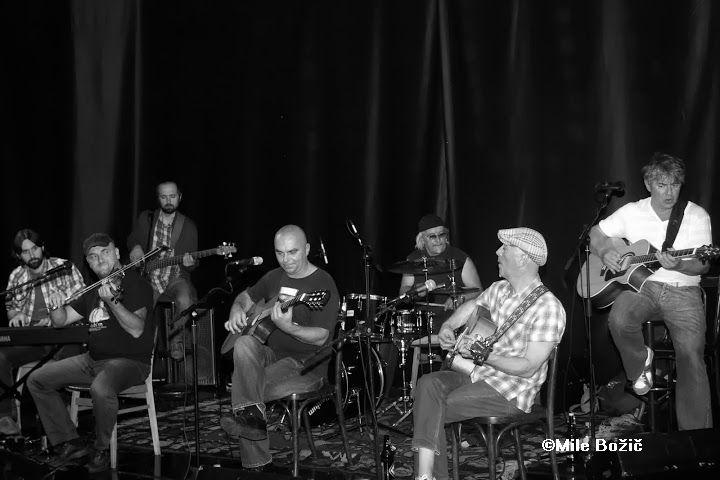
Among the heralds of sevdah for the new millennium are Mostar Sevdah Reunion. Believe it or not, on those few hectares of stony banks along the Neretva, two groups with the same name were born. One as a movement meant to bring people together, the other as an opportunistic franchise that let sevdah be carried into the world as a brand and an export product. The movement gave rise to the band that claims to be the only real, original Mostar Sevdah Reunion, and its nucleus formed around Dragi Šestić and names like guitar maestro Mišo Petrović and Sandi Duraković, the exceptional vocalist Nermin Alukić Čerkez, violin wizard Vanja Radonja, bassist Marko Jakovljević, keyboardist Gabrijel Prusina and the superb rhythmic king of the drums, Senad Trnovac. During the war Mostar was the top story on TV screens, and after the war the news about this wonderful, magical city died down, so they slipped the world tales from a city many may have forgotten or deliberately put out of their minds. The album Tales From The Forgotten City was now aimed at the ears of the Ljubljana crowd for the second time, and instead of the alternative temple that is Menza pri koritu in the epicenter of Metelkova, the sounds of sevdah and Bosnian vignettes of the past and present found a home in the interior of the Etno klub Zlati zob, in my opinion the only truly authentic ethno club in Ljubljana, if not in all of Slovenia.
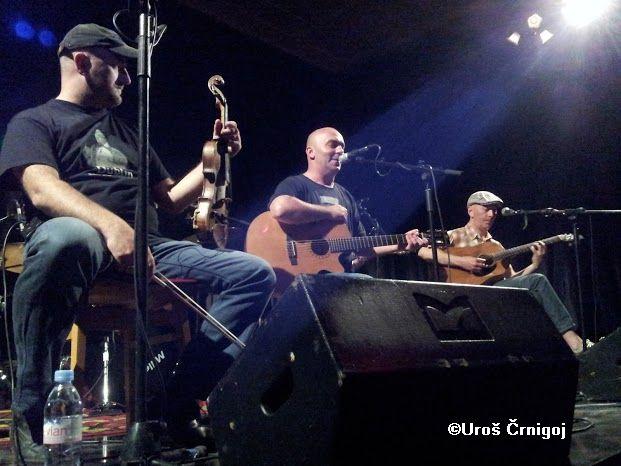
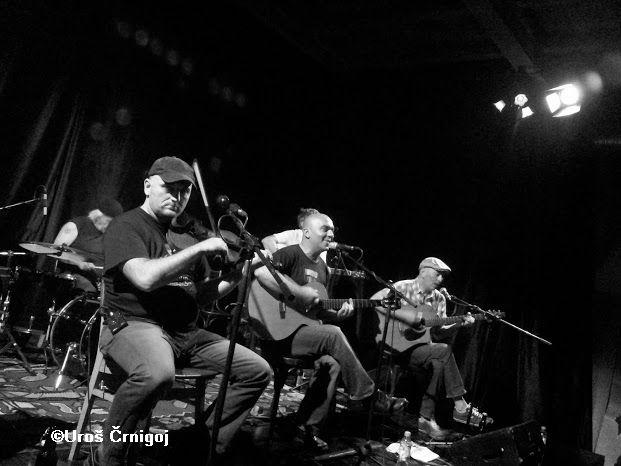
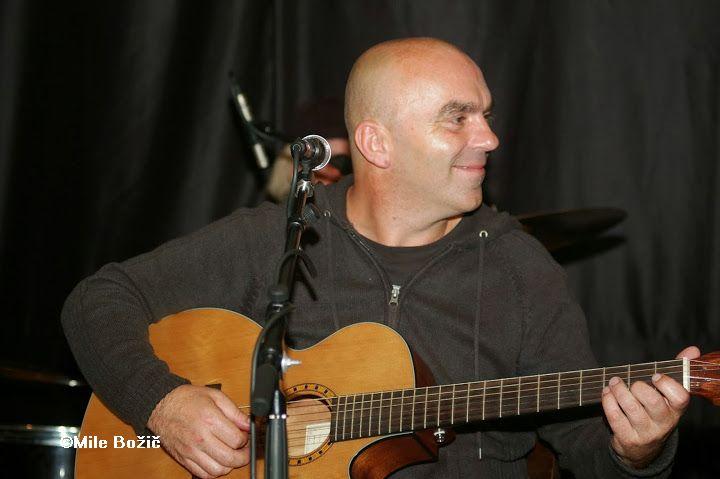
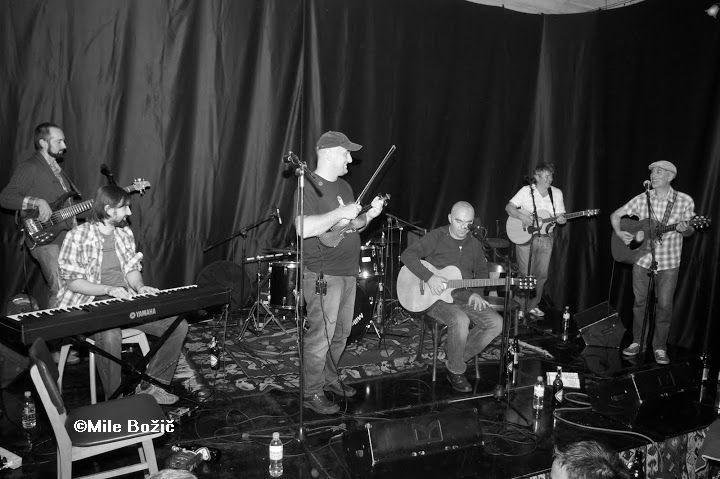
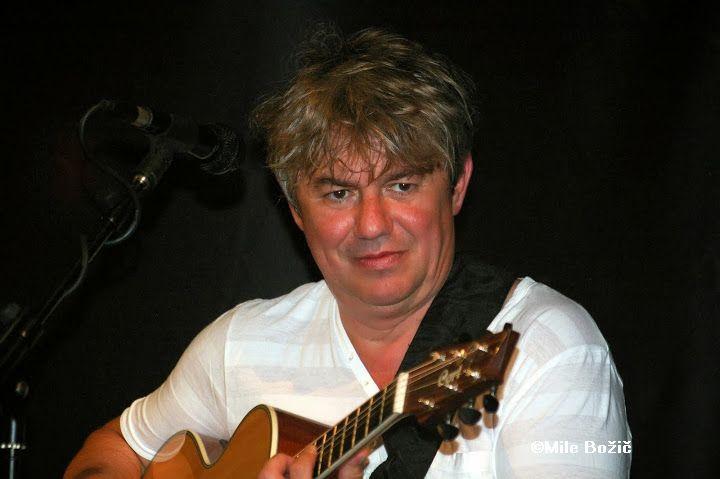
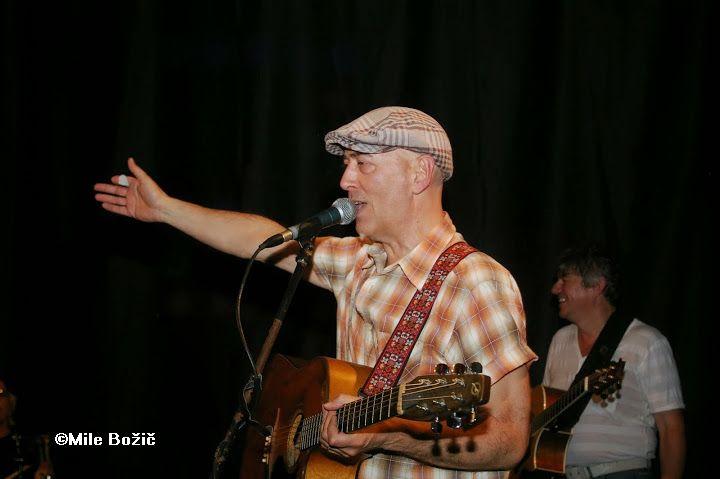
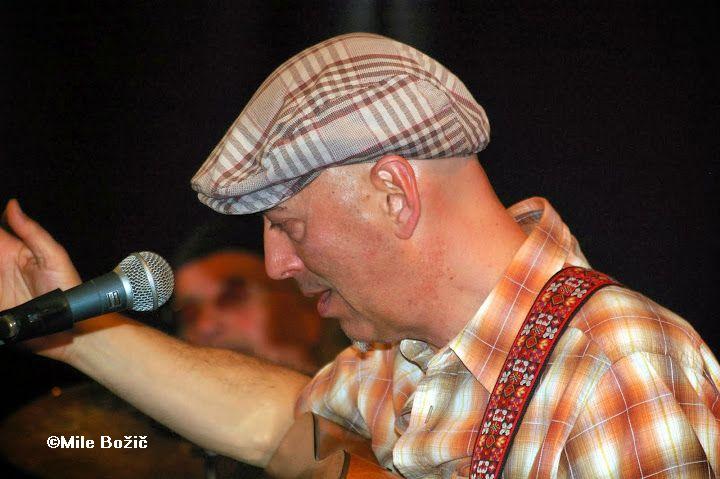
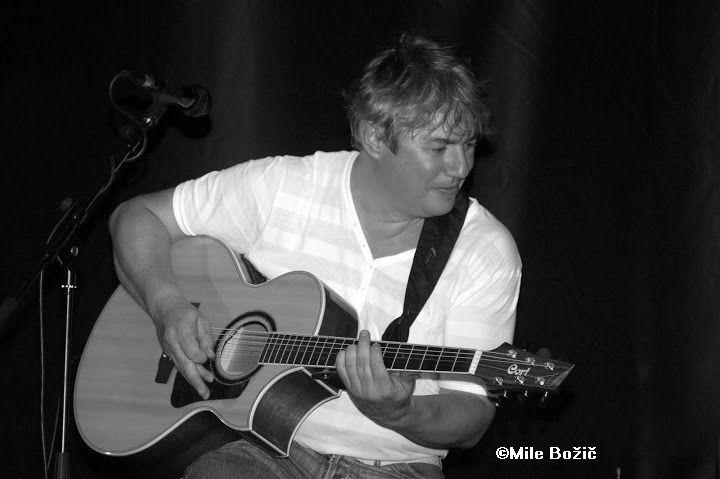
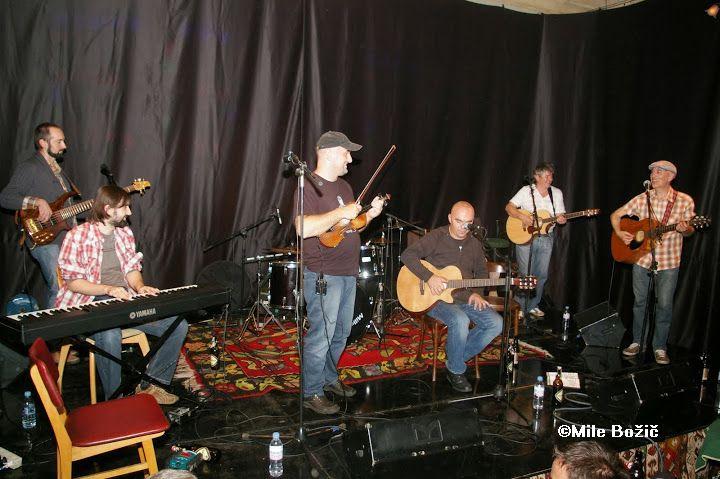
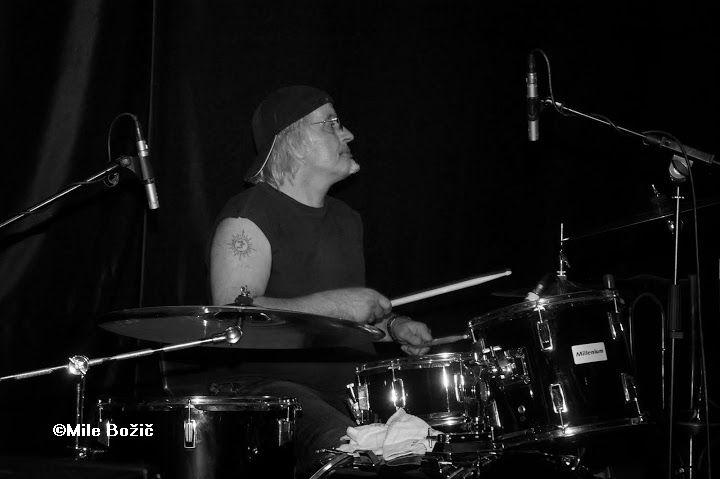
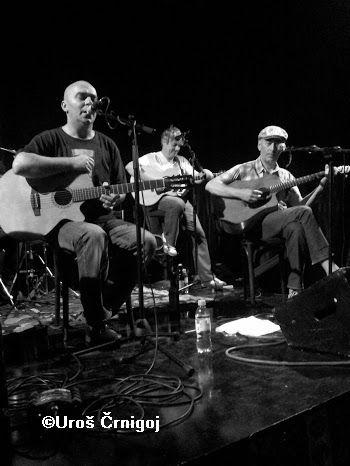
Thursday night was set aside for stirring up sentiments and good music, and in hopes of one more highlight of this year, plenty of lovers of a good time, beer, food and above all good company and music laid siege to the stage of Zlati zob’s big hall from behind their tables. Shortly after nine in the evening, Mišo steps onto the stage, followed by the rest of the band, who strap on their instruments and start warming up the crowd’s hearts with some slightly sentimental, melancholic, pure-blooded sevdah first. Sinoč sam ti Safo dvoru dolazio. Senad gently taps the drumheads, and he’s followed piercingly by the trio of outstanding guitars from all three masters of the six strings, while over it all, alongside the piano and a dreamy bass, flows a stream of Čerkez’s gentle baritone. A meditation on love, unfulfilled longings and pain conjures up a mist-wrapped Mostar before your eyes. Once again I automatically half-close my eyes and slip into spheres of total, instant melancholy and complete mellowness. Next comes the equally balladic Otkako je Banja Luka postala, which tells, in a modernized jazzy way, the story of the true meaning and center of the Bosnian soul. The oriental ornaments blend nicely with authentic Balkan rhythms, while the drums, with the suggestive rhythm of a steam train, send your thoughts far back into the past. The sound is perfect, and the live machine of the bearers of modern-day sevdah with its more contemporary touches is well oiled. Without any big discussion, just with glances, the guys on stage signal to each other that it’s time for a connecting piece and a shift into a higher gear. The dreamy intro of Grana od bora ties the Balkans to the Iberian undertones of flamenco, and after a psychedelic opening and suggestive string manipulation from the fingers of Mišo Petrović, a livelier link between Balkan meter, blues, jazz, samba and who knows what else gets going. Bosnians have always been bon vivants, lovers of beautiful women and a good time, and the sound of Vanja Radonja’s violin catches the playful rhythm for the first time in a really big way.
You’d want to dance, but for now the crowd, still rooted to their chairs, greets the first true multicultural fusion piece of the livelier music with thunderous applause straight from the heart. Next comes a sentimental flow of outstanding guitars with Mostarski dućani, which leads you through the rustic streets of Mostar, paved with the stamp of history and of many lives. The bazaars, the kafanas and the beautiful nymphs of Mostar, who knew how to ensnare the fleshly desires of the ever-susceptible representatives of the stronger sex, are once again grafted, to the playful accompaniment of gypsy jazz and the great Django Reinhardt, into the very core of Zlati zob’s well-lubricated audience, and the first beer is soon followed by a second and a third. The brakes come off on stage too, and a visibly in-the-mood Gabrijel puts the cherry on top with the sound of creaking doors, then comes the peak of the first half of the night with my favorite piece in the band’s catalog – the rhythmic and wickedly contagious Floyd-flavored number Čudna Jada od Mostara grada, in which Mostar Sevdah Reunion show off all their skill, mastery, brilliance and sense for modernizing ancient melodies. Sexy guitars and piano spin at full throttle in a wild melodic and percussive weave of every element of the MSR universe. A ton of passion and rhythm pushes toward the climax, the progressive peak of the first full-length trial of strength between the miracle workers on stage and an audience that’s all in and fully game, falling into collective trance with sincere, wide smiles of happiness on their faces. The virtuosi, hungry for a bit of relaxation, tobacco and beer, and thirsty too, then allow themselves a half-hour break, and Zlati zob settles into an ideal, more relaxed mood.
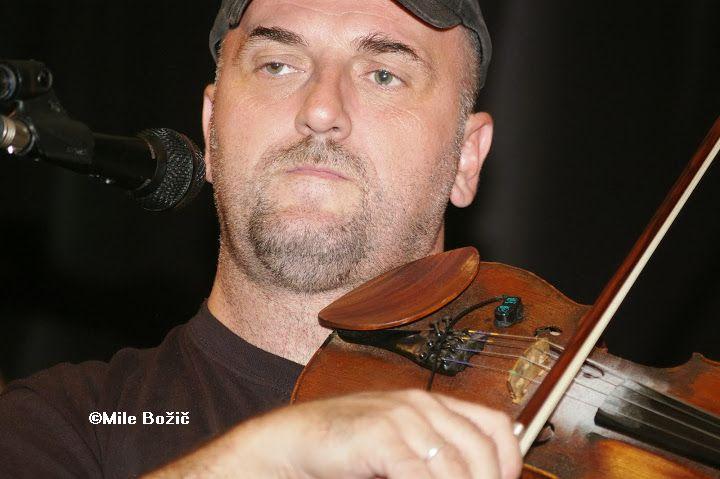
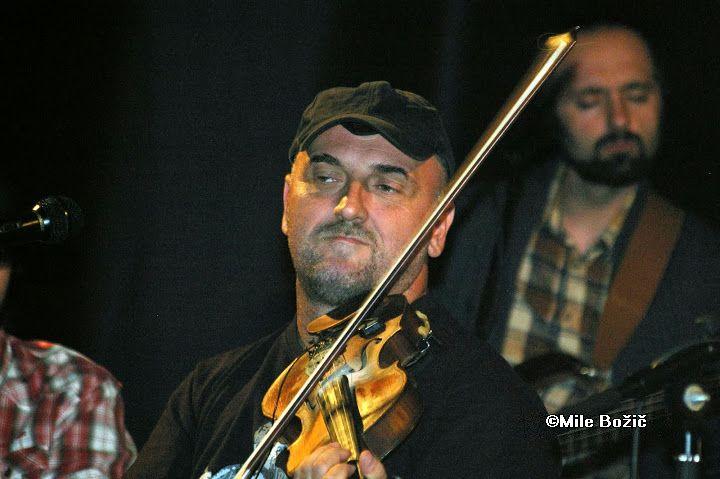
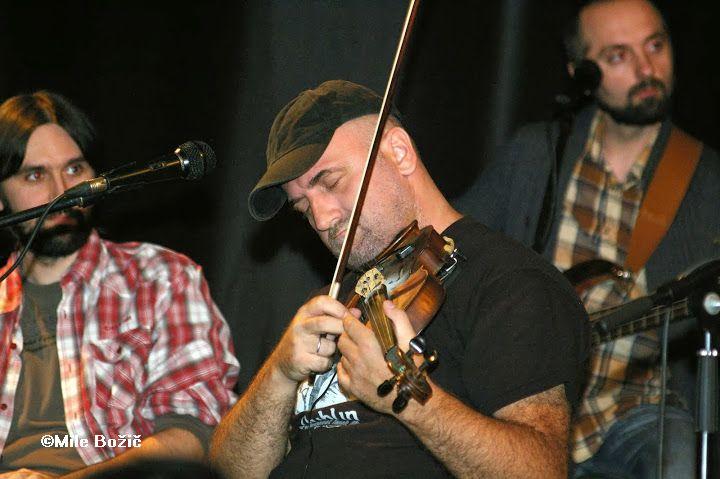
The second act kicks off before the murmuring of the positively charged crowd has even died down, and instead of a high-octane continuation, the orators of the evening, the torchbearers of modern-day sevdah or sturdy Bosnian blues, if you will, go for something calmer this time. Gondže ružo is an excellent track from the outstanding record Cafe Sevdah, on which Čerkez and Miša show their sense of guitar minimalism and perfect vocal sensuality, while the others patiently wait for the signal to tear away the veils of restraint. »Gondže ružo u zelenom sadu / lijepo li mirišeš u hladu / zaman ružo, ja te neću brati / niti brati, niti dragoj dati,« Čerkez’s voice caresses tenderly, a lament about unheard love and a broken heart, followed by a wallow in memories of long-gone youth with the song Kraj pendžera Jusuf stari. »Šta je život, par koraka, / od avlije do sokaka, / kratak, kaljav put, / šapće Jusuf mutna čela, / a niz obraz suza vrela, / kanu na dlan žut,« are lyrics that shake you with a plain confession of transience and the fragility of life, which, sped up by the wheels of time, slips past our fingers no matter how tightly we squeeze them. The sensual, extended progressive jam session suddenly morphs from a slow arabesque into a more psychedelic weave of piano, drums, three guitars and, tactically placed in the background, bass and meditative violin, and the kaleidoscopic string of previously sung images culminates in an explosion of rhythm and truly exceptional violin playing that wins me over even more than the first time. Vanja Radonja is truly a tsar, I can hear the whisper of my own thoughts, and the superb collage of sound, extended ornaments and fully intuitive play with meter, frames and bars from masters of pure musicality who aren’t weighed down by any of it weaves its narrative thick and concentrated, yet at the same time unaffected, spontaneous and visibly good-humored.
The jazz-infused sevdah of Mene majka jednu ima follows the same principle, staying rooted in a faster rhythm, and the touches of borrowed Roma temperament resonate in the bosom of Zlati zob all the more. The crowd gets up from behind the tables and looks for release, amid all the pent-up temperamental calls for letting off the pressure of happiness, with dancing and singing right on the floor between the stage and the tables, while MSR pour extra bars, verses and melodies onto the fire of good cheer. The bluesy Vranjanka weaves a bit of thick, sweet twang from the other side of the Atlantic into the veil, while from this side, from the Balkans, the story returns like an echo about the proverbial beauty of dark-haired girls with raven-black hair and Slavic roots. Put putuje Latif-aga, set on a funky trip, wakes up the passions with more explosive rhythm, and a sweaty Mišo and company fall into harmony with the fiery passion of a crowd that wants more joy, laughter and good cheer than tears and sorrow on this truly one-of-a-kind magical night. Every atom of energy melts completely into a perfect mix of inspiration, musicality and an audience under the spell of rhythm, eating out of the hands of the night’s stage rulers. So much so, in fact, that some older ladies in oriental garb (only one was actually that brave …) even decide to woo the young guys on stage, and when neither Čerkez nor the youngest member of the band, keyboardist Gabrijel, give in to the invitation to dance and passionate eroticism, consolation had to be sought among the quite sizable group of bouncing dancers on the floor below the stage itself. No less bouncy, the hypnotic Moj dilbere, with its highly reactive mix of guitars, fiddle-packed violin and suggestive drums, pushes toward an explosion of every passion, the kind where happy and relaxed folks would reach for their glasses, down the nectar of the gods in one go and hurl the glass goblets at the floor that cursed us with gravity. From last time’s experience I sense the end, and sure enough – after the reprise of the indispensable and so beloved Čudna jada od Mostara grada, the Floyd anthem Another Brick In The Wall creeps into the whole, and despite a nearly twenty-minute version of a fusion of sevdah, prog and jazz and other brilliant ingredients of full-blown music-making, freed from all time constraints, the wish for more remained, sadly, unanswered once again.
What could you possibly add to a perfect night? Mostar Sevdah Reunion are almost perfect – I say almost because, besides their studio albums, their catalog is missing the much-needed live album that could show the world their true element. On the studio albums they do sound full and confident, but it’s true that their chemistry only fully comes out on the live airwaves, in the mix of all the elements of chance, mood and momentary crackles of inspiration. In this game the virtuosi of sevdah for the new millennium are at their strongest, and after hearing the second set of two musical evenings dressed in different clothes, I dare say that you can hardly get enough or have your fill of such potent, exceptionally fine music. As for the power of sevdah and the effectiveness of its modern-day takes, I can only agree that »tko pjeva, zlo ne misli«, and the first infatuation with that certain »something« that made the evening at Menza so magical has, with confirmation and a wedding at Zlati zob, become a love for life – irrevocable, final and endless, as only the universe of hope, dreams and perfect harmony can be endless, and let’s hope we get another discharge and reprise very soon of the feelings Mostar Sevdah Reunion have, at least in my chest, sparked to such quality for the second time already!
Photos contributed by Uroš Črnigoj and Mile Božič
Setlist
1. Sinoč sam ti Safo dvoru dolazio
2. Otkako je Banja Luka postala
3. Grana od bora
4. Mostarski dućani
5. Čudna Jada od Mostara grada
second set:
1. Gondže ružo
2. Kraj pendžera Jusuf stari
3. Mene majka jednu ima
4. Vranjanka
5. Put putuje Latif-aga
6. Moj dilbere
7. Čudna jada od Mostara grada (long jam)
Photo Gallery