Label: Columbia Records
Release date: 4/13/2010
Production: Atticus Ross & Joe Barresi
Album length: 53.56 min
Genre: Progressive Rock / Progressive Metal
Rating: 7.0/10
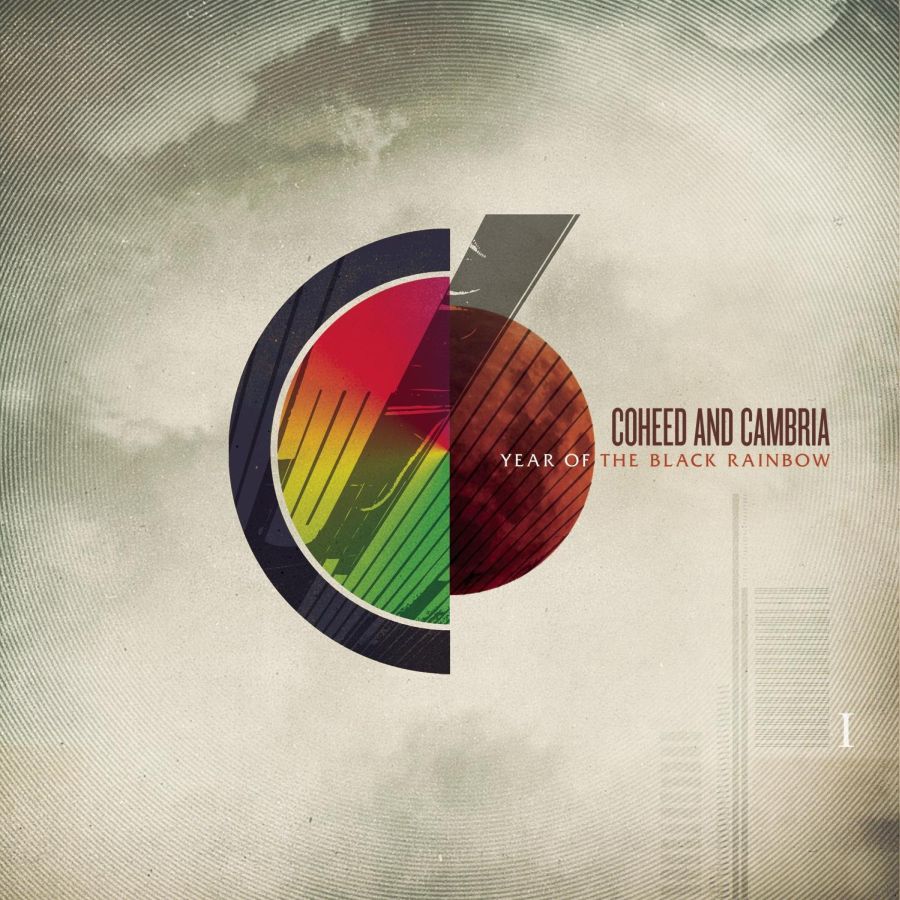
“Year of the Black Rainbow” was the fifth studio album from American modern prog crew Coheed and Cambria. Thanks to their post-hardcore and emo roots, most prog purists looked down their noses at them for a long time, writing them off as nerdy kids, until the band started maturing musically and proving why their music deserves a listen. Like most of the band’s albums, “Year of the Black Rainbow” was a concept effort, and a prequel to the sprawling conceptual tetralogy “Amory Wars” laid out across their first four records. It was also their only album with drummer Chris Pennie (ex-The Dillinger Escape Plan) and the last with bassist Michael Todd.
Two tracks from the album, “The Broken” and “Here We Are the Juggernaut”, also came out as singles, while the special edition of “Year of the Black Rainbow” packed two bonus tracks, demo versions of “Chamberlain” and “The Lost Shepherd”, plus a companion novella from the pen of writer Peter David. The nerd crowd knows him best as a longtime writer of DC and Marvel comics like Spider-Man, X-Factor, Aquaman, Young Justice, Supergirl and so on.
Claudio Sanchez, the singer, rhythm guitarist, keyboardist and mastermind behind Coheed and Cambria’s lyrics and concepts, called “Year of the Black Rainbow” a very melodic album even before it came out. His words hold up completely if you compare the album’s style to the previous four Coheed and Cambria records, but Sanchez forgot to mention that at the time of release, “Year of the Black Rainbow” was also their hardest-hitting effort, with a serious emphasis on progressive metal, which is obvious right after the short instrumental intro “One”.
Soon after, the band goes all in with the energetic catalyst “Broken”, which pretty much sets the tone for how things will go on the rest of the album. As a whole, it’s less complex and unpredictable than their past efforts, since in 2010 Claudio and the gang clearly decided it was time for more publicity and a commercial breakthrough.
By the usual grandiose and pompous Coheed and Cambria standards, which are so complex that they’re impenetrable for anyone not initiated into Mr. Sanchez’s nerdy masterworks, the concept of this album is unusually thin, stingy as it is with backstories for the Amory Wars saga’s characters. Musically, though, this is one of their most interesting efforts.
After the completely misfired “Guns of Summer” comes the album’s main single, “Here We Are Juggernaut”, which got a “nerdy” video clip at release and a spot in the track list of the popular video game series “Rock Band”. This one is an unmistakably commercial creation, and it did a lot to push “Year of the Black Rainbow” pretty high up the Billboard charts in 2010. “Far” has more in common with a metal power ballad than with prog rock, and despite Claudio’s big emotional vocal performance, it doesn’t leave much of a lasting impression.
“This Shattered Symphony” fixes the mixed impressions. It’s a more “traditional” prog metal effort again and, with its complex structure and hectic nature, it’s closer to some of the band’s past standards, so longtime fans will surely appreciate it. “World of Lines” shifts into fifth gear rhythmically and, with its complexity, flirts slightly with Coheed and Cambria’s eternal “rivals” in modern prog, The Mars Volta. It’s also closer to what most people usually expect from this band. “Made Out of Nothing (All That I Am)” doesn’t hide the band’s alt-rock roots and flirts with pop rock as well as prog metal. It’s a more commercially minded creation again, with a very melodic chorus. “Pearl of the Stars” is a mellow ballad that comes out a bit more interesting than “Far”.
“In The Flame of Error” is another more traditional prog metal piece, with Sanchez’s typical, hectic vocal acrobatics and relatively eclectic, dynamic rhythmic shades. “When Skeletons Live”, with its complex rhythmic nuances, good build-up of ambient drama and quality guitar harmonies, is without a doubt among the best things on “Year of the Black Rainbow”. The album closes with the ambitious, intricately built “The “Black Rainbow”, which after a calm intro has a nice ambient progression and build-up of drama. Too bad there weren’t more pieces like it on “Year of the Black Rainbow”.
Mr. Sanchez vehemently insisted at the release of “Year of the Black Rainbow” that it was the best Coheed and Cambria album yet (he probably says the same before every new album), but few fans of the modern prog crew will agree. As a whole, “Year of the Black Rainbow” is a perfectly solid effort, but besides one or two total misses like “Guns of Summer”, it’s also dragged down by an incomprehensibly muddy, unpleasant and ill-suited production. That seriously weakens the otherwise good impression left by most of the material on “A Year of the Black Rainbow”.
Claudio and his nerdy gang’s plan to create one of the prog rock highlights of 2010 didn’t quite pan out, even though the album is far from bad, but they were back soon after with more interesting efforts. Flaws and all, “A Year of the Black Rainbow” proved why bands like Coheed and Cambria are worth having around: they’re pretty good at pulling metal kids (and not just the nerdy ones) into the wonderful world of progressive rock and widening their musical horizons.
Author: Peter “Dr. ProgRock” Podbrežnik
Track list:
1. One (1:54)
2. The Broken (3:53)
3. Guns Of Summer (4:47)
4. Here We Are Juggernaut (3:44)
5. Far (4:54)
6. This Shattered Symphony (4:26)
7. World Of Lines (3:17)
8. Made Out Of Nothing (All That I Am) (4:39)
9. Pearl Of The Stars (5:05)
10. In The Flame Of Error (5:28)
11. When Skeletons Live (4:16)
12. The Black Rainbow (7:33)
Line-up:
Claudio Sanchez – vocals, backing vocals, rhythm guitar, keyboards, synthesizer
Travis Stever – lead guitar, ‘lap steel’, backing vocals
Michael Todd – bass guitar
Chris Pennie – drums, percussion
Guest musicians:
Wes Styles – keyboards
Claudia Sarne – keyboards & orchestration on track no. 9
Brian Dembow – viola on track no. 9