
Marilyn Manson in Zagreb: Prayers, Controversy and – Ironically – Less and Less Press (2026)

Marilyn Manson
Thursday, 16. 7. 2026
Zagreb / Arena Zagreb / Croatia
If there’s one artist who makes headlines before he’s even played a note, it’s Marilyn Manson. His return to Croatia after more than twenty years wasn’t just a concert, it was an event that had split opinion for weeks beforehand. Some couldn’t wait for the comeback of one of industrial rock’s biggest icons, while others saw his show as something close to an apocalyptic event.
Outside Arena Zagreb, people arriving at the venue were greeted by praying believers and individuals handing out flyers urging folks to turn “to God” instead of heading off to a “satanic concert.” The flyers read “Molitvom i postom za duhovni preporod hrvatskog naroda,” and prayers for “lost souls” echoed near the entrance. The police even had to step in because of one loud preacher.
In short – a perfectly ordinary Thursday night before a rock show.
If you judged by what was going on outside Arena, you’d have expected at least a ritual sacrifice, portals to the underworld opening up and a few dozen burning Bibles. Instead, what awaited inside was a good-humored crowd of all generations, from people who’ve followed Manson since the nineties to younger fans seeing him live for the first time.
When Bauhaus’s cult classic “Bela Lugosi’s Dead” blared from the speakers and the curtain started to drop, it was clear that all the controversy was staying outside Arena for a while. Inside, only the music remained.
Manson Is Still Manson
The evening was opened by Australian-American outfit VOWWS, whose dark, minimalist blend of goth, industrial and synth rock set a fitting mood, even though Arena was still pretty empty at that point. Sadly, that’s a constant at gigs here – support bands often play almost to themselves while the crowd is still queuing for beer or hunting for their seats.
At exactly 9 p.m., Marilyn Manson took the stage and kicked off the show with “Nod If You Understand”. The first few tracks already showed he’s come back in far better shape than many would have expected.
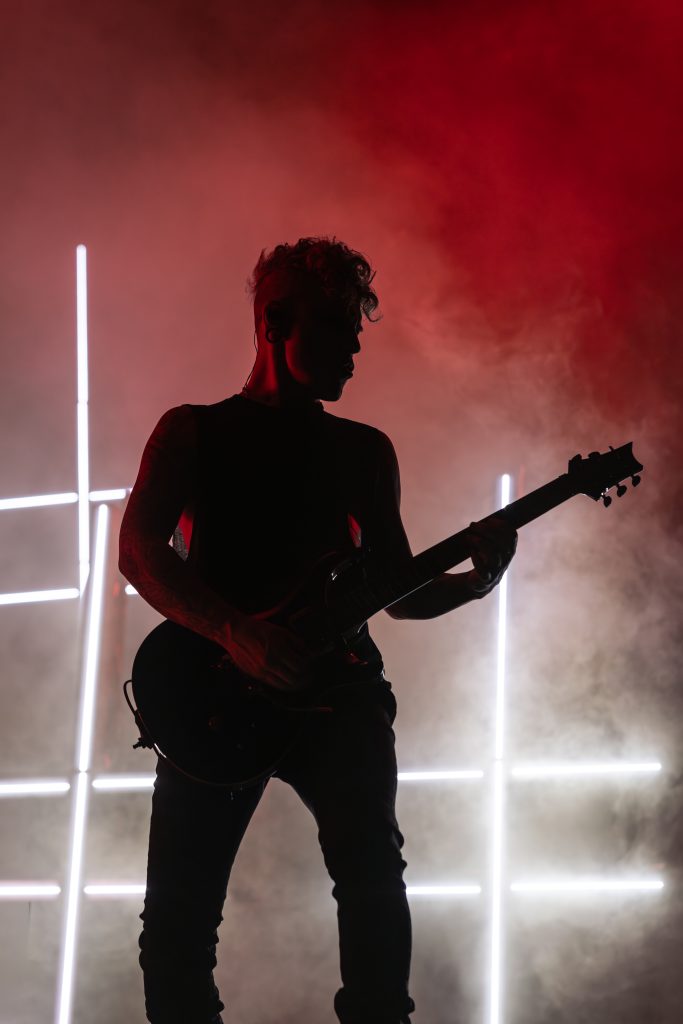
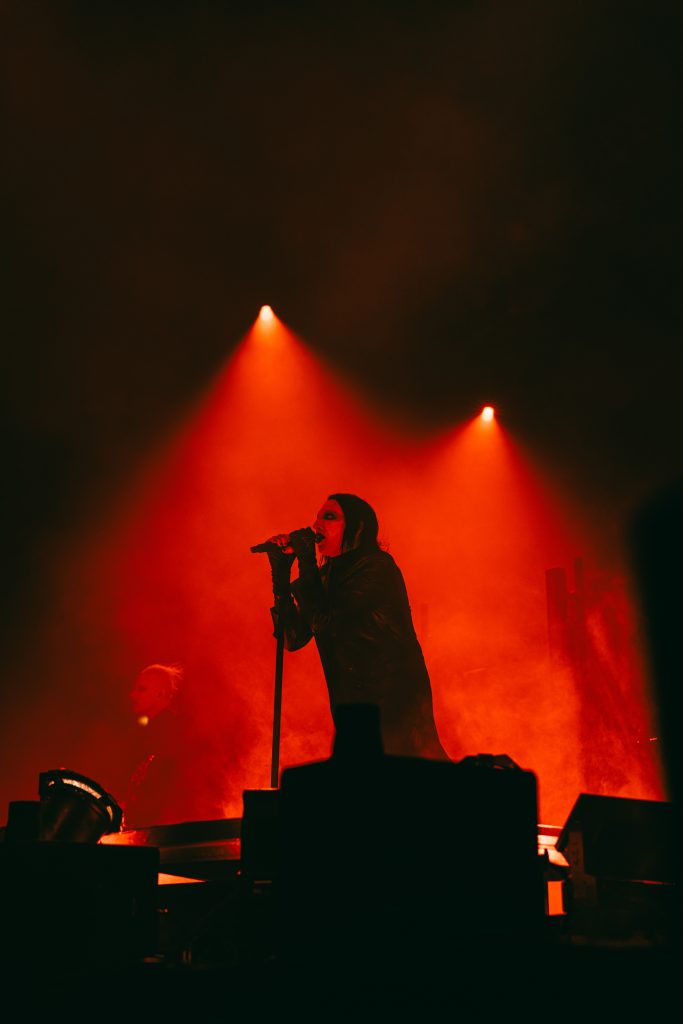
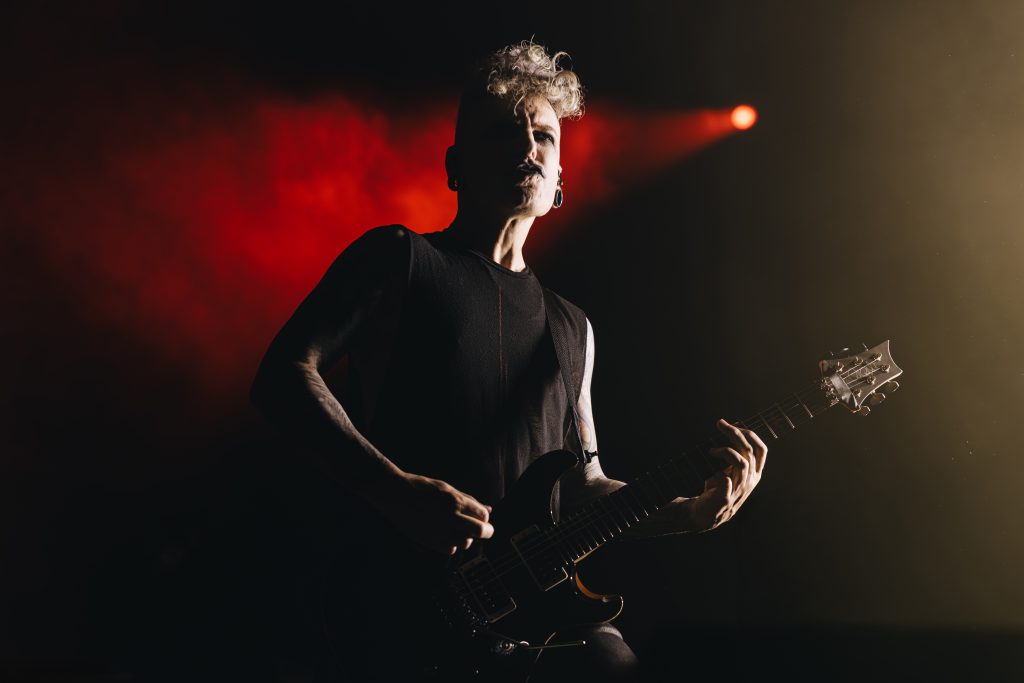
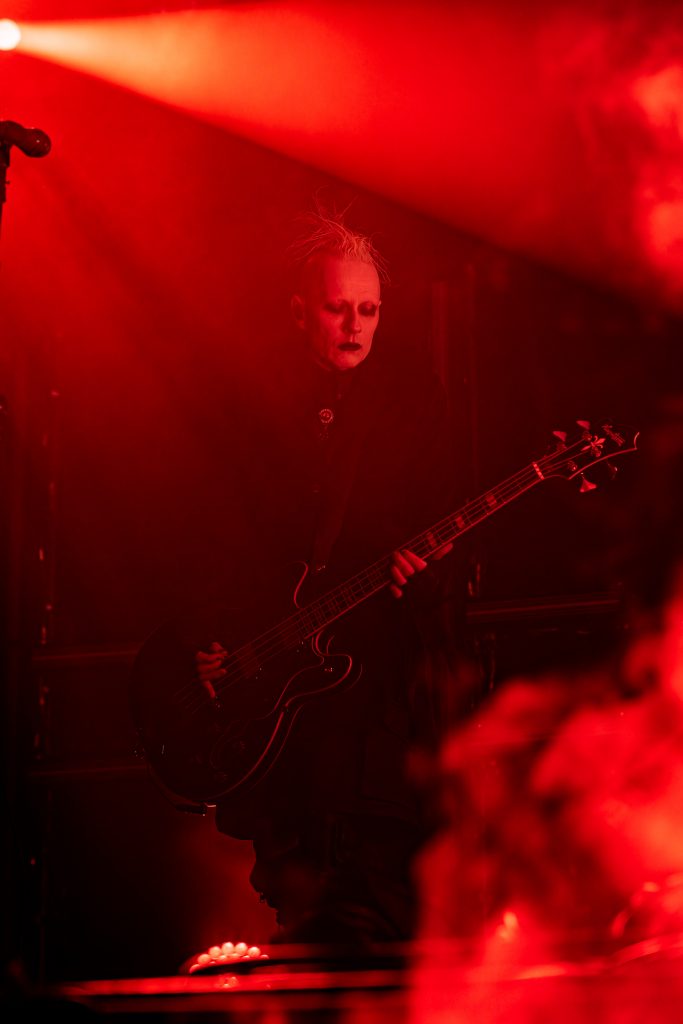
The production was surprisingly stripped-back. No giant LED screens, no pyro drowning out the music, no unnecessary visual tricks. What took center stage was powerful lighting, smoke, the silhouettes of the band members and, above all, Manson’s stage presence. Visually he’s a lot more subdued than in his heyday, but he clearly hasn’t lost any of his charisma.
He surprised vocally, too. Shifting between deep, almost whispered passages and those trademark high screams, he sounded much better than at plenty of shows from ten or fifteen years ago. The band was remarkably tight, and the sound was strong, clean and well balanced from start to finish.
The setlist struck a nice balance between new material and classics. Next up came “Disposable Teens”, “This Is the New Shit”, “Dried Up, Tied and Dead to the World”, “The Nobodies”, “mOBSCENE”, “The Dope Show”, “Sweet Dreams (Are Made of This)”, “Tourniquet”, with the high point of the night, as expected, being “The Beautiful People” and the closing cover of Depeche Mode’s “Personal Jesus”.
The crowd sang practically every chorus, and Manson shouted his almost traditional “Zagreb!” several times, adding a few heartfelt “I fucking love you Zagreb!” for good measure, which Arena rewarded with a roar every time.
One of the more unexpected moments of the night came during “Great Big White World”, when Manson asked the crowd to turn on their phone flashlights and turn Arena into a starry sky.
We’ll admit it – if someone had told us twenty years ago that at a show by a man some people still portray as the embodiment of the Antichrist, we’d be holding up our phones to create a romantic atmosphere, we’d probably have asked what brand of mushrooms they were on.
The show ran for about eighty minutes. It could have been a bit longer, but the audience left Arena happy. Musically speaking, Manson proved he’s still among those artists whose biggest hits can get a crowd of thousands going without breaking a sweat, even three decades on.
Author: Denis Paradiž
Photos: Dora Šarić
Setlist:
1. Nod If You Understand
2. Disposable Teens
3. Angel With the Scabbed Wings
4. Great Big White World
5. This Is the New Shit
6. Dried Up, Tied and Dead to the World
7. Exit Wound
8. The Nobodies
9. Diary of a Dope Fiend
10. The Dope Show (with “I don’t like the drugs (but the drugs like me)” intro)
11. Sweet Dreams (Are Made of This) (Eurythmics cover)
12. mOBSCENE
13. (s)AINT
14. The Beautiful People
Encore:
15. Tourniquet
Encore 2:
16. Personal Jesus (Depeche Mode cover)



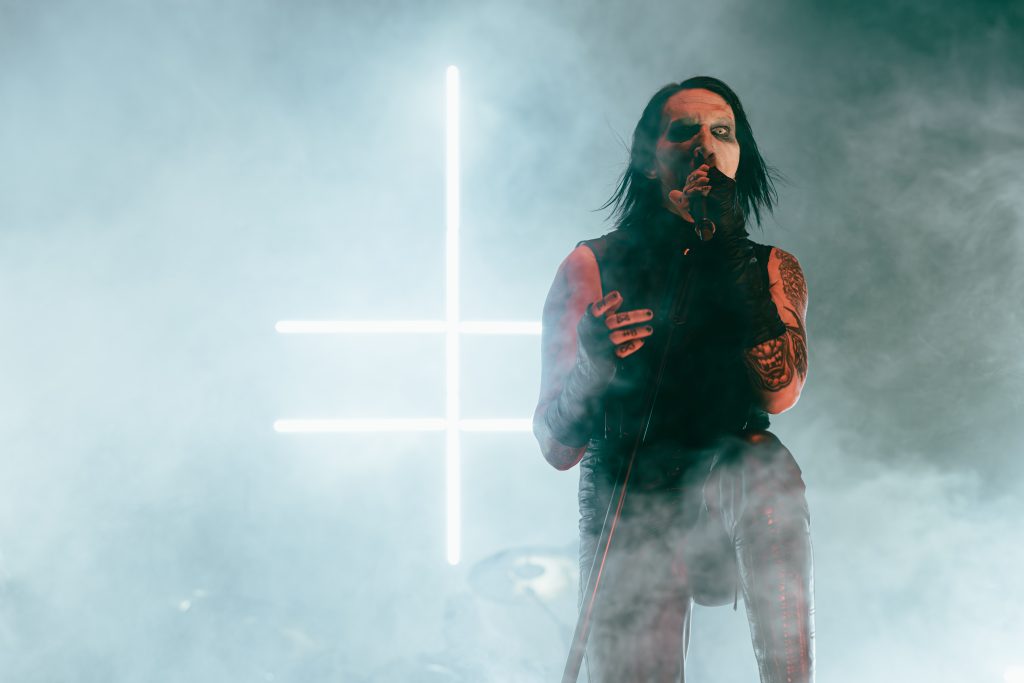
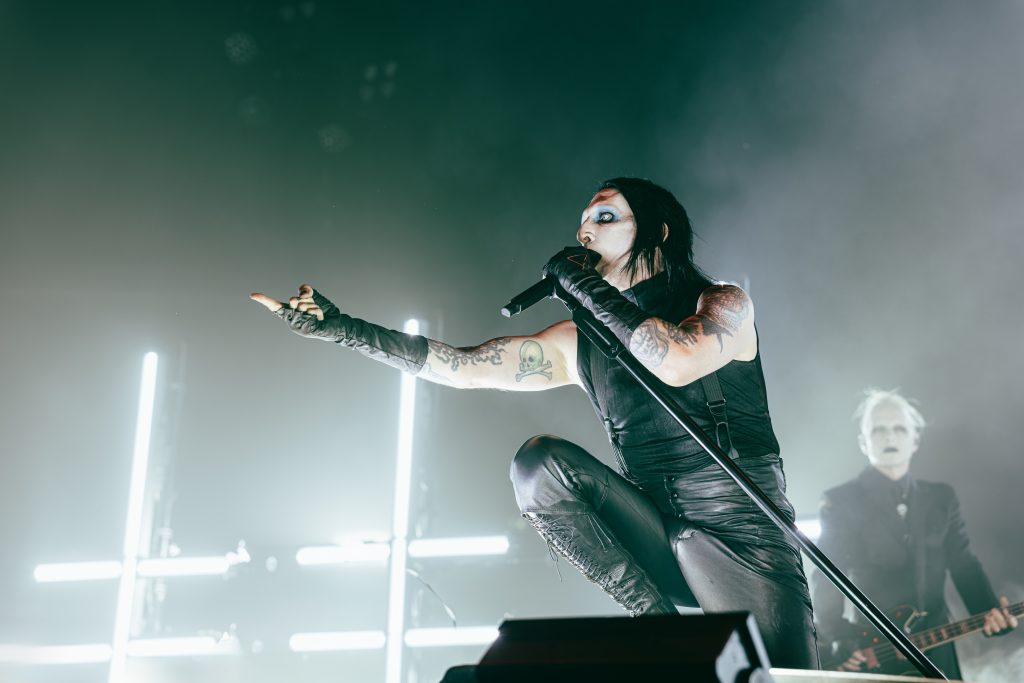
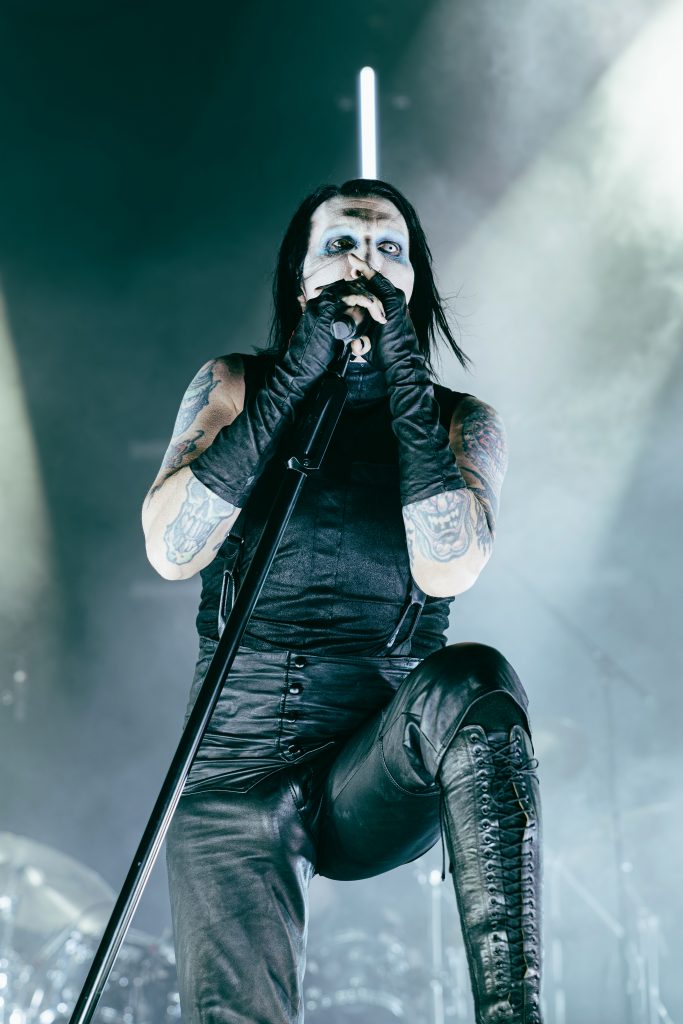

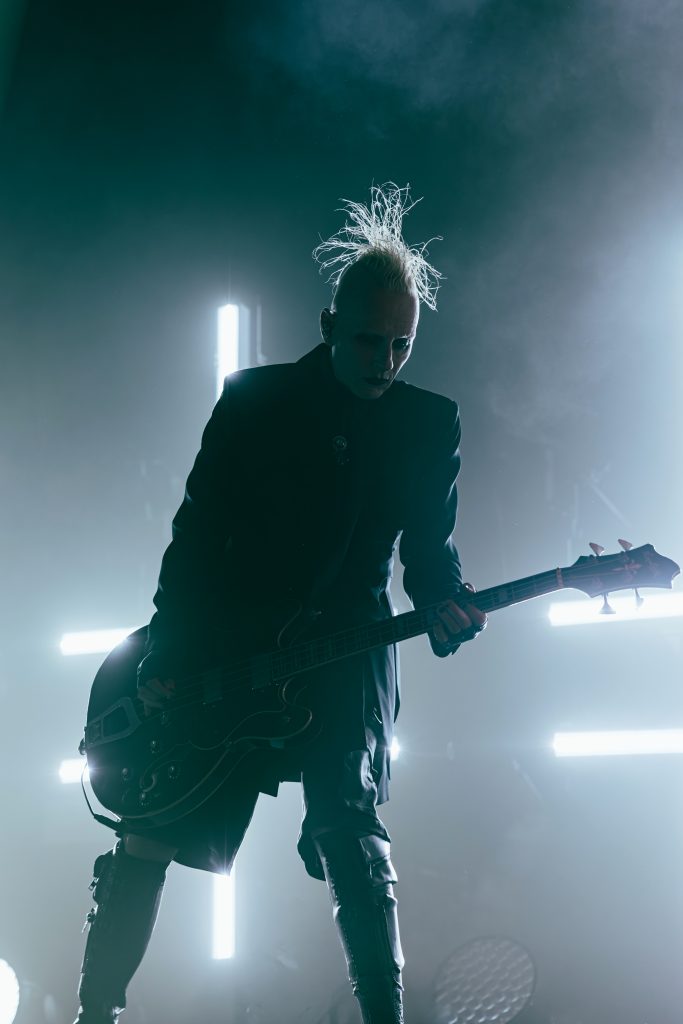
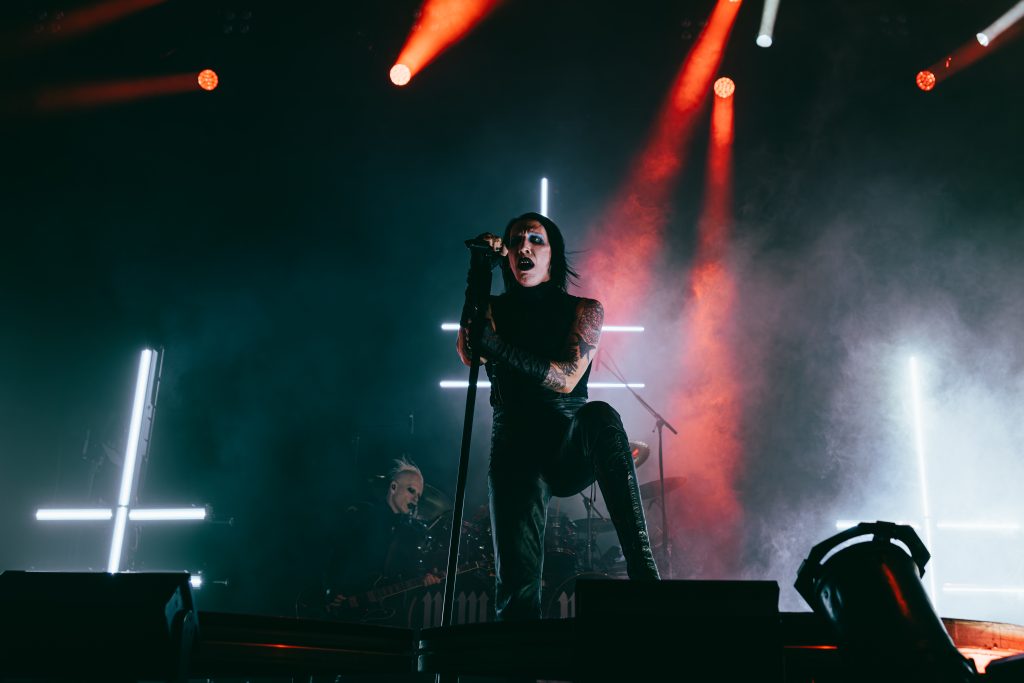

But There’s Another Side to the Story…
Unfortunately, the One Assassination Under God tour left a bitter aftertaste in another area. Marilyn Manson has joined the ever-growing list of artists who have almost entirely done away with photo and media accreditation. In Zagreb, too, most photographers got no access to the photo pit, and a similar practice had already popped up in Italy and on other European dates of the tour.
And that brings us to a rather strange paradox. It’s precisely the old-guard acts who are now shutting the door on the media that helped build their careers decades ago. Manson’s image has always been part of his art. His shows didn’t live only on stage, but also on the covers of music magazines, in live reviews and in photos that circulated the globe and built up the myth around his name.
Today, though, total control over the visual image seems to matter more than the people documenting it. Journalists increasingly write reviews based on official photos, photographers are left standing outside the venues, and meanwhile management teams wonder why the media give concerts less and less space.
It’s hard not to wonder what Marilyn Manson’s story would have looked like in the nineties without Kerrang, Metal Hammer, MTV and hundreds of concert photographers carrying his shows around the world. Would the Antichrist Superstar era have become a cultural phenomenon at all without media support, or would it have stayed a curiosity for a narrow circle of devotees? It’s ironic that the very part of the industry that once helped make stars is now becoming less and less welcome.
In recent years, several warning analyses have been written about the slow disappearance of concert photography. The trend started in the US, but now we’re feeling it more and more in Europe, too. Photographers are becoming an unnecessary expense, and media outlets often get a package of official promo photos and the expectation that it’ll be enough to cover the event.
Sarcastically speaking, the solution is actually ideal: every outlet publishes the same three photos, we all write similar recaps, and nobody risks ending up with an imperfect but authentic concert shot. Originality has apparently become a bit of an old-fashioned value.
It’s a shame mainly because concert photography isn’t just pressing a camera shutter. It’s about documenting music history. The show ends, the feelings fade over time, but the photos remain. It’s thanks to them that we remember legendary tours, stages and moments that shaped rock culture.
Still, the fact remains that the Zagreb show was excellent. The controversy stayed outside Arena, and inside, Marilyn Manson proved he’s still an extremely convincing live act. Maybe the biggest paradox of the night is exactly this: a man who’s spent three decades building a career on provocation and unforgettable imagery is now increasingly stopping those images from being created at all.
