Author: Rok Klemše
Location: Gospodarsko razstavišče, Ljubljana
Concert date: 25.05.2011
Attendance: 2000
Ticket price: 38 € in advance / 68 € on the day of the concert
No need to labor the point: amid the flood of festival events across Europe, the capital of our country once again had to put itself through the empirical test of proving it can be a festival city. And to get Ljubljana’s organizers to lure out more than a handful of music connoisseurs and gig-starved youngsters, you have to put big names on the menu. One already proven festival trump card is without a doubt Mars Festival, which this year, under the name Mars Ljubljana – Zagreb Trans Europe, spread music for the third time among a crowd hungry for big names. This year the honor of headline magnet fell to Richard Melville Hall, better known under the pseudonym Moby: the American DJ, multi-instrumentalist and multiple winner of prestigious music awards, a stage shaman of electro-pop’s richly layered mix of sounds. After Skunk Anansie and the promising ice-breaking, we again had to see how the organizers would tackle such a sizable musical mouthful for Ljubljana. But more than the organizational side itself, the question pushing to the fore was whether Moby live is worth every hard-earned penny that had to be shelled out for this concert.
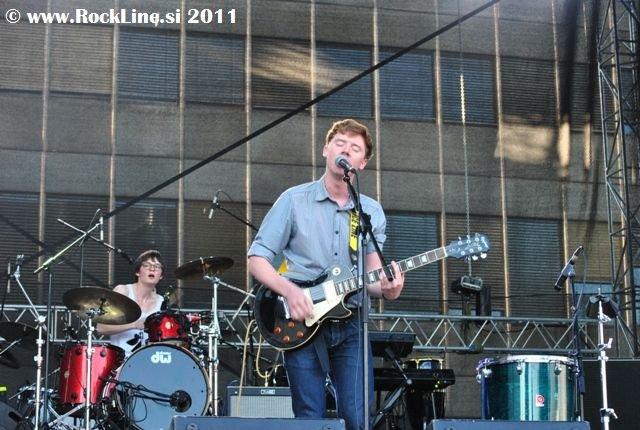
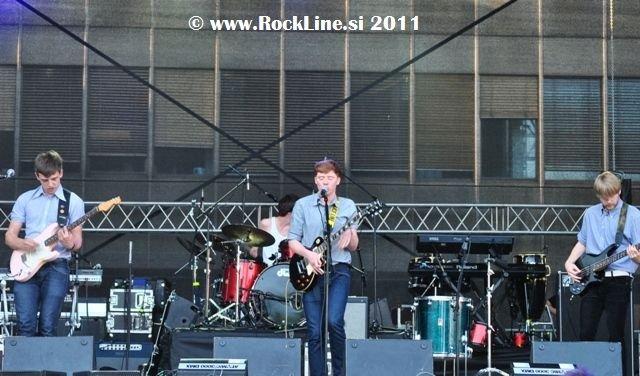
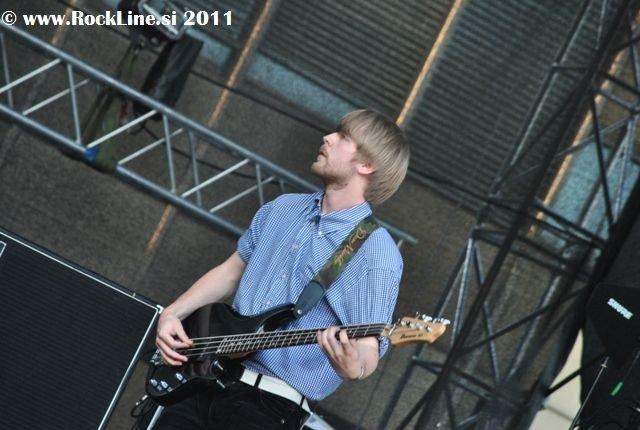
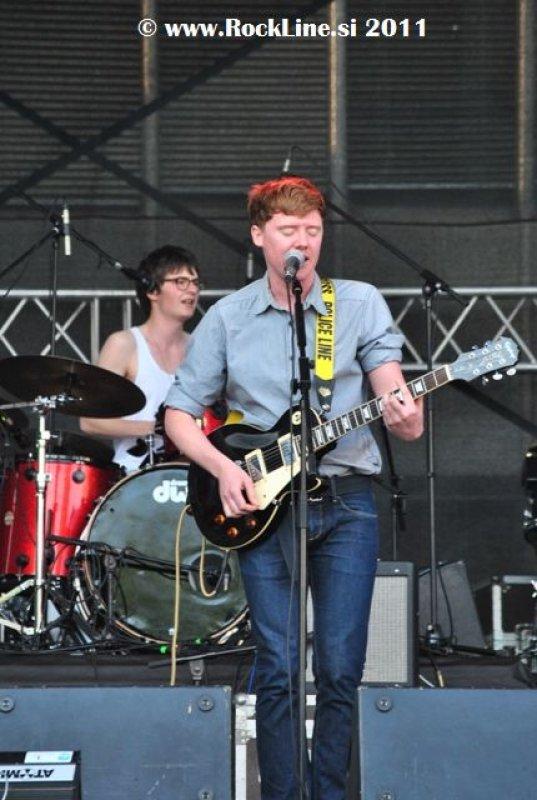
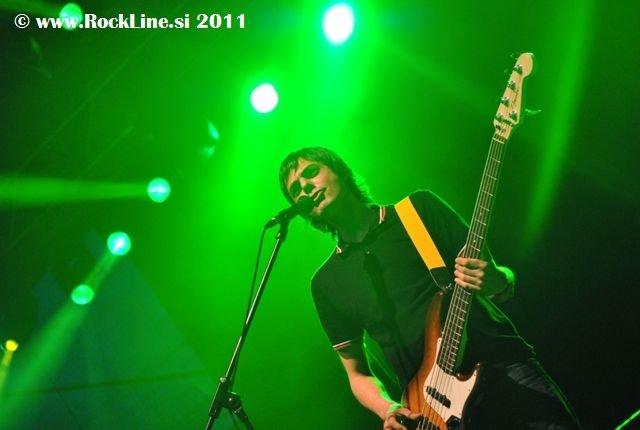
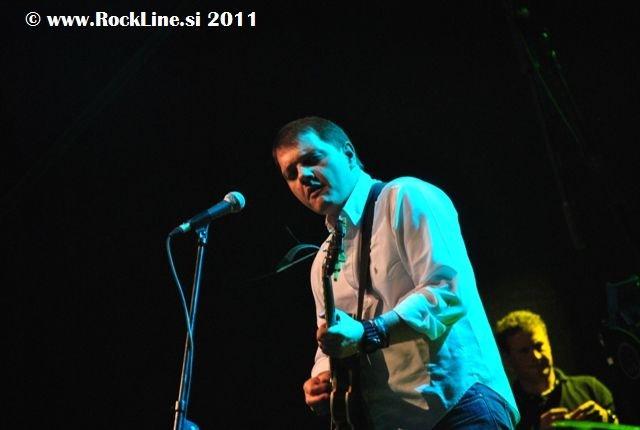
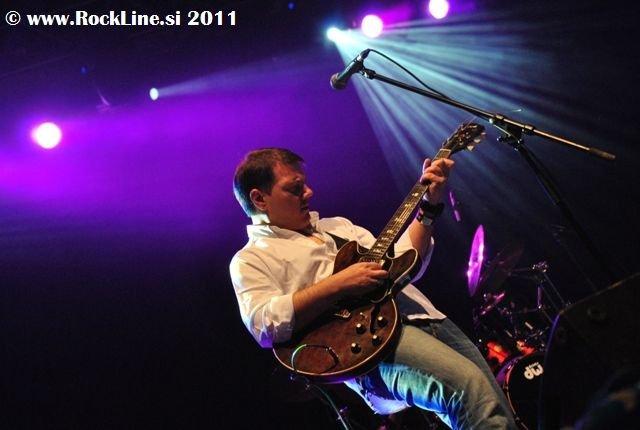
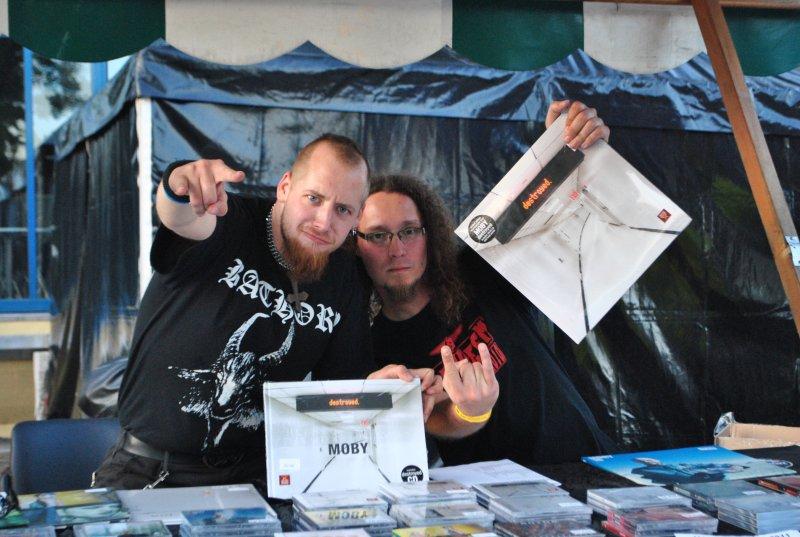
The third round of musical revelry moved from the enclosed halls of Gospodarsko razstavišče to the outdoor Fontana plateau, where in front of the stage there was room for about 1,000 eager enthusiasts or a bit more. The signs of all the main suppliers of alcoholic sins, beer and water glowed in the background, while the music merch stalls were shunted off to a side track, over by the exit of this amphitheater of sonic gratification. The “honor” of breaking the ice and testing the sound system went to the winners of the Glasba z drugega planeta contest, the young indie rockers from Škofja Loka, Arhibald Arhibaldovich. For the uninitiated: it’s a cheeky tribute to a character from Bulgakov’s truly exceptional masterpiece, the novel The Master and Margarita, but behind the promising, intellectually pitched name hides a spark of rather dubious luster. The quartet is a fairly organic combo: two guitars creaking under the fingers of vocalist Nejc Bitenc and his brother Matevž, the rather benign-sounding bass of Vid Jan, and the drumming monotony of Peter Šušnjar, a Harry Potter incarnation behind the kit. They presented a repertoire tinged with English, or rather Anglo-Saxon, flavors that you could transplant onto the stage of Frequency Festival without blinking. Truth be told, this quirky mix of Pixies-inspired Blur fans, Kaiser Chiefs and an army of identical musical clones of rather watered-down garage rock drew only a pinch of friends and stray, prematurely arrived concert wanderers to the front. The bulk of the “rabble” below the stage consisted of still-accredited journalists and photographers. The combination of lofty labels of inspired artistry and a mix of, to quote their own description, “hard/rock/dance/party-time/sweating-your-ass-off-while-jumping” rhythms and melodies, plus a few calmer tones, didn’t radiate the charisma and magnetic madness that would make most of the beer-chasing crowd give up their leisurely attempts to swap cash for festival currency, a.k.a. tokens. An uninteresting string of songs, U Better and Anonymous, just rushes by, Green Illusion and Stranger Meets Passanger creak past no better, and Archibald Archibaldovich’s set ends up as rather uninspired scraping on the strings and on the audience’s nerves, the kind we’re more used to from village fairs and truly subversive school recitals by bands at rural elementary schools. No highlight yet in this opening phase of the festival kickoff. When after a good half hour the torture by merrymaking finally dies down, the stage crew takes over, preparing everything for act two of the Martian invasion.
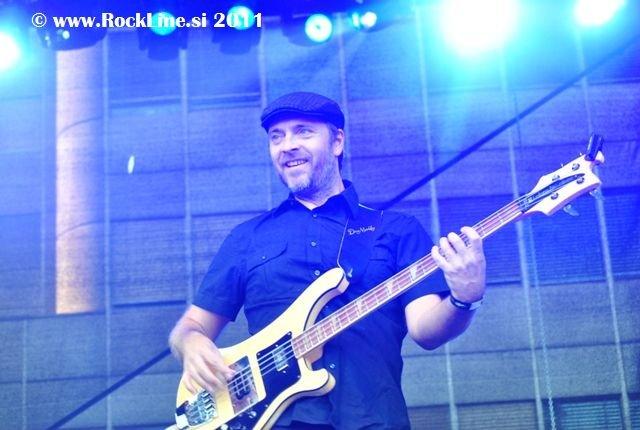
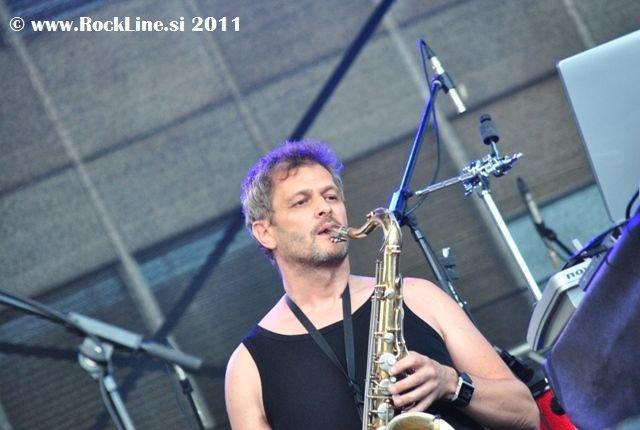
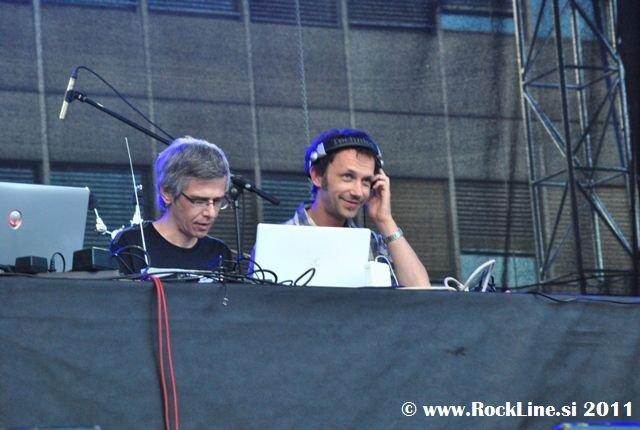
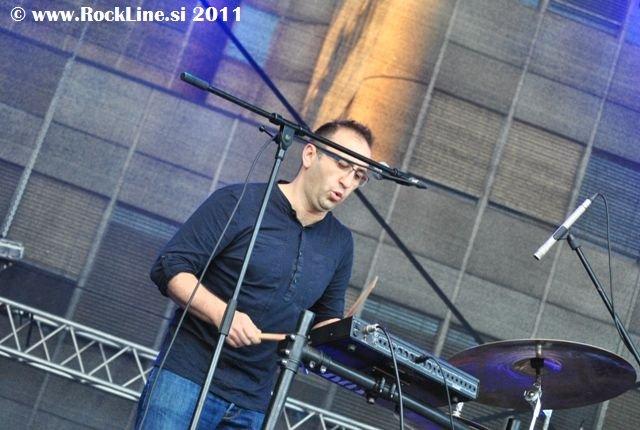
Up next are the local electro funkers Rotor. The Ljubljana group, whose beginnings go back to 1998, is made up of producer and musician veterans of the domestic scene: Iztok Turk, Mario Marolt, Sergej Randjelović – RunJoe, Jani Hace, Dojaja and Bizzy. To quote the group’s own blurb: their music is based on rhythmic house, seasoned with flavors of nu-disco, French house and Berlin minimal sound, with some jazz and funk influences thrown in too. Rotor are one of the few Slovenian club bands who’ve been playing clubs, festivals and other venues at home and abroad for years. Since I was never initiated into dance waters, I was curious how this “cathartic dance experience” would sound through the auditory channels in my head. The all-stars crew set out to test the concentration and dance rhythm of a slightly bigger audience with repetitive patterns and rather stripped-down musical structures, and after an opening flight of Rotosphere buzzing, an eclectic stream of sun-drenched house starts pouring from the stage. The static action on stage, where the performers themselves leap almost instantly into their own world, was received rather passively below by a Ljubljana crowd unschooled in this kind of live dance act. The quite organic mix of instruments and the effects strung onto them radiated a distinct urge to experiment and improvise. At first glance, the stage action and the plethora of sounds could be (loosely) compared to Daft Punk or Groove Armada, but the chillout, rather unsuited to an opening warm-up, produced matching action below the stage. There were slightly more people than at the sacrificial-lamb set of this festival, but those few extras were rather reserved and contemplatively absorbed in Zen silence and stillness. The rather monotonous throbbing of basses and dance house rhythm, with little chatter or talking to the crowd, would undoubtedly have had more effect at Ambasada Gavioli or at dusk, had the stage “dynamics” been backed by a richer arsenal of lights. As it was, the hour-long set from the aces of domestic production came across as rather grueling and exhausting, and it started to drag after the first eight minutes of the first, opening track. All that was left was more trading of vouchers and sipping lukewarm beer while Rotor pulled out all their tricks to lift the stale (and sleepy) crowd to a plateau of ecstasy and rapture. In their attempt at an artistic wake-up call they were (sadly) misunderstood and unsuccessful. A lukewarm round of applause and an exit from the stage after a solid hour of calvary moved things on to the second, more promising half.
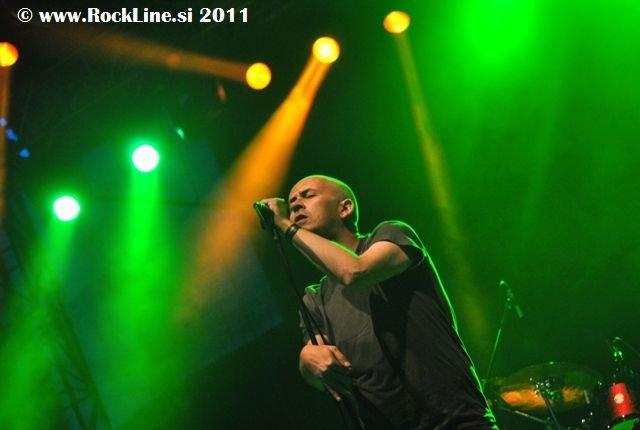
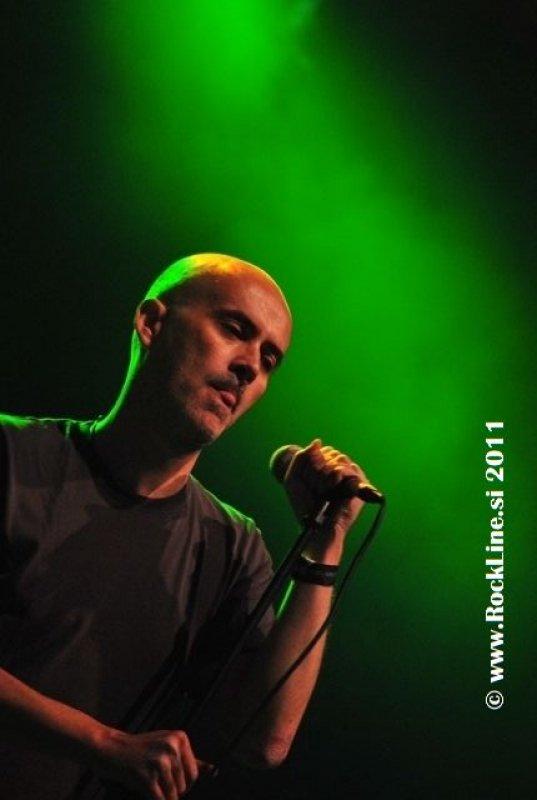
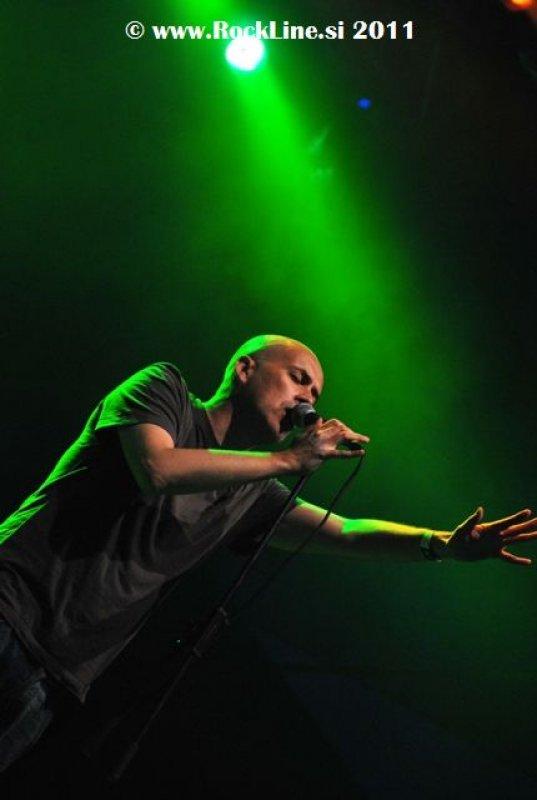
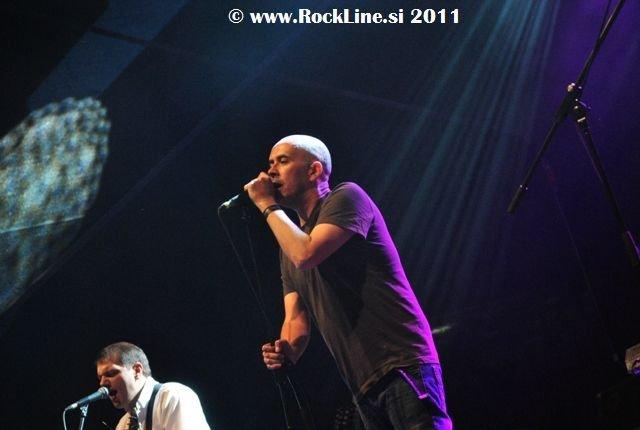
The first act of purification arrives with the stage landing of Belgrade band Darkwood Dub, old acquaintances of the Ljubljana and Slovenian club crowd. The guarantee of excellence stretches geographically to the soil of the former shared homeland and in time back to 1988. The synergy of two different energies, geo-political coordinates and emotions has a common language: music. Juicy rhythm steeped in funky dub is something entirely different from the preceding l’art-pour-l’art-ism. The stage chemistry of Bojan Drobac’s guitar, Vasil Hadžimanov’s keyboard inventiveness, Lav Bratuša’s easy-going rhythms and Milorad Ristić’s more-than-merely-edible bass playing is crowned by the charismatic surrender to the moment in Dejan Vucetić’s vocal-and-dance performance. If we describe them as experimenters, we can honestly admit that the blend of reggae and dub got its cherry on top from the band’s guitar spectrum. The underground of the Belgrade club scene spills across Europe’s borders, and fanatical dance rhythm and surrender to a musical spell become a necessity at this year’s Mars Festival too. The aces are clear, crystal-loud and exemplarily played. Before us unfolds a play of words and rhythm in the songs of Šećer, and expressiveness is the component that paves the road to the center of perfect musical eroticism. I admit this was my first exposure to the magic of the Belgrade crew, but I’m certainly not exaggerating when I say they’ve earned a perfect Balkan substitute in my heart: Moveknowledgement. On the pedestal of excellence passions clash as the men of the dub lineup weave a logical thread out of the land of the absurd, a walk from the debut, the record Paramparčad, to the brand-new studio single Nešto sasvim izvestno. The set doesn’t lack important building blocks of a mighty past, and tracks such as Stvarnost, 130, U svim pravcima, Munjevitom brzinom and Robot make sure Darkwood Dub’s next gig will have at least a few dozen more enthusiastic fans. No doubt the MTV music award received in 2009 was a perfectly logical consequence, and we can only hope another studio act follows soon: the ninth record from this exceptional musical collective. The waving of the crowd and its surrender to pure musicality were cruelly cut short as time ran out after a good hour and a half. The peak of the evening is coming, and the star of the night: the gentleman of a thousand talents and musical idioms, the so loudly and fiercely revered Moby.
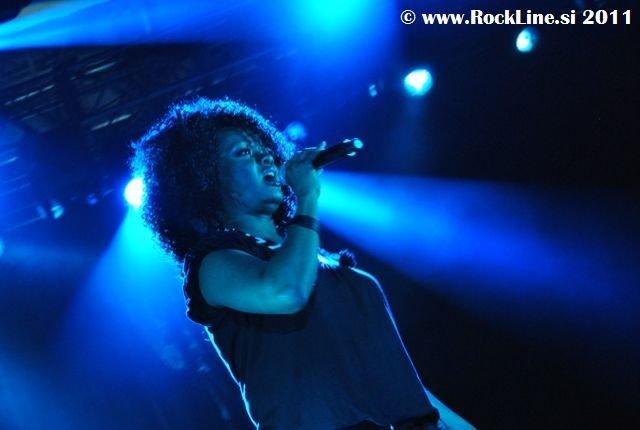
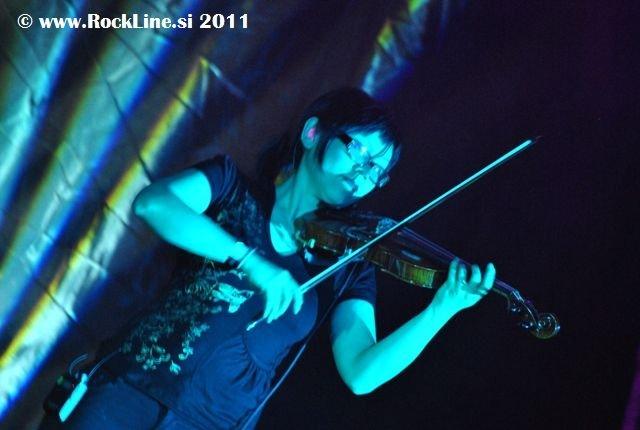
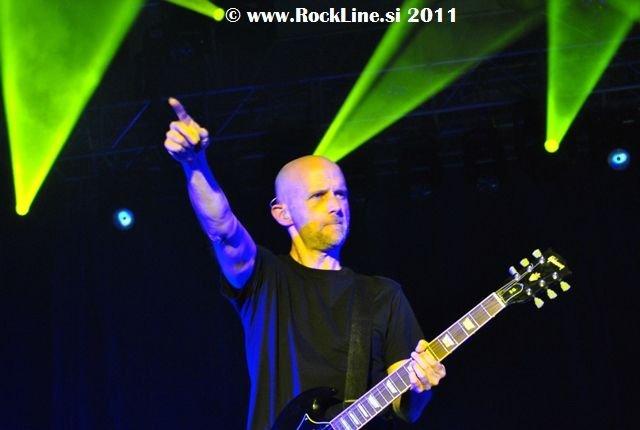
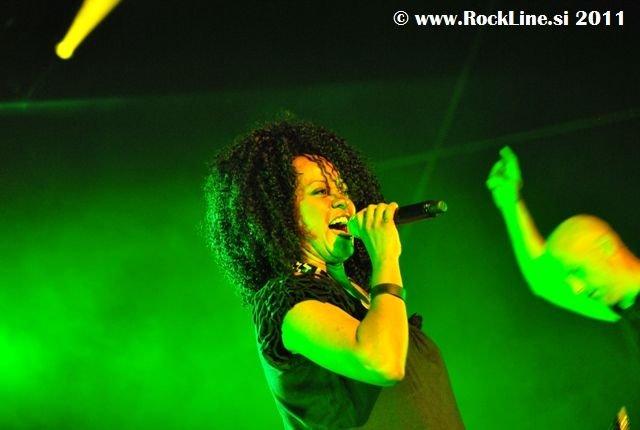
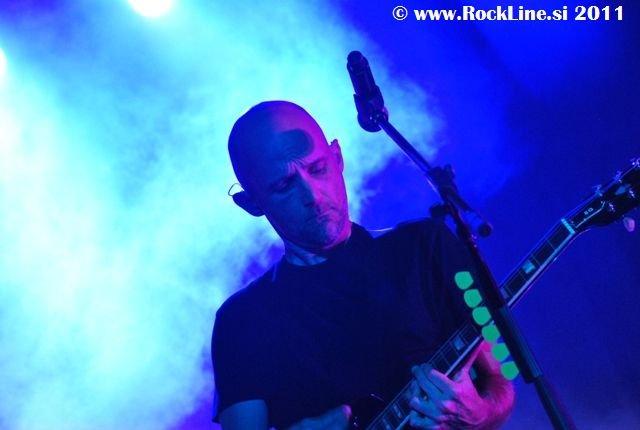
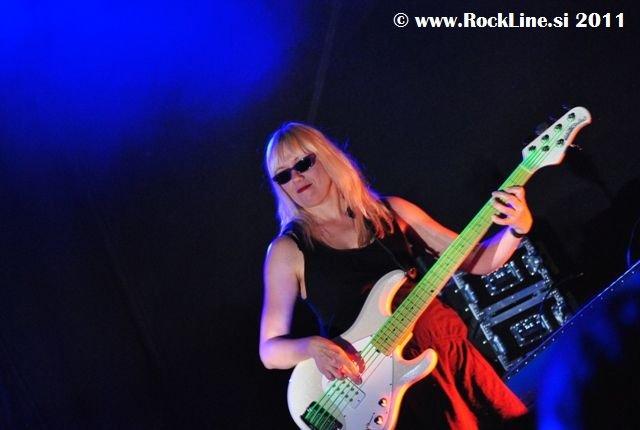
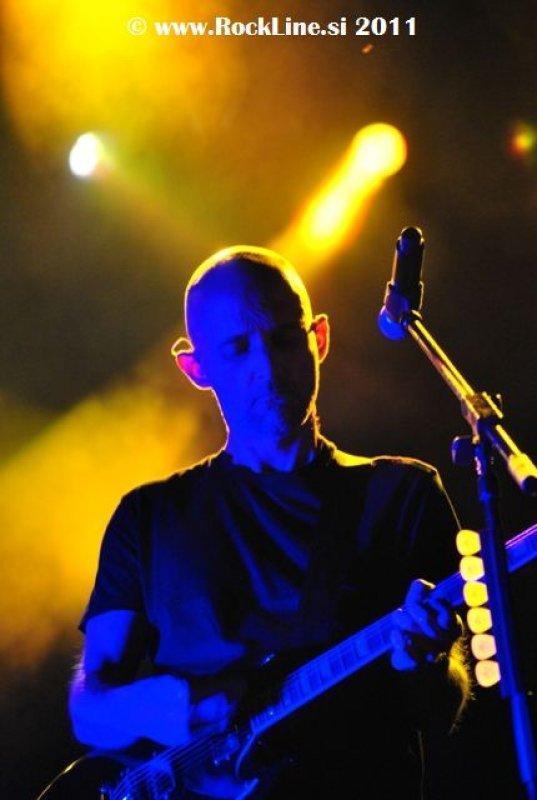
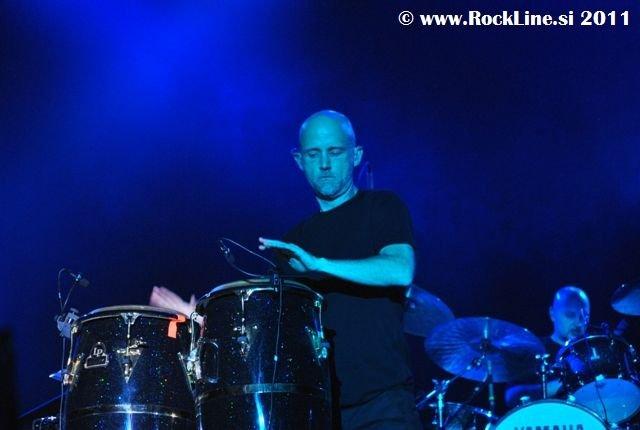
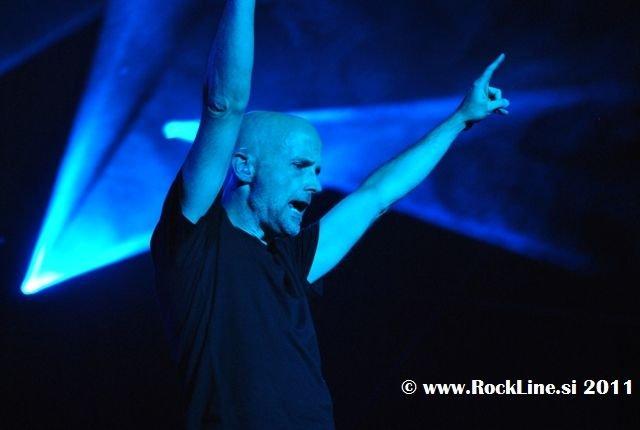
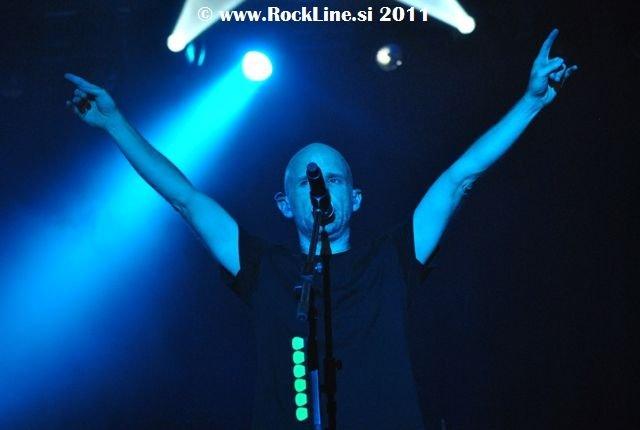
To the second, at 22:20, the stage goes dark, and during the opening intro a truly numerous crowd, hungry only for the main course, squeezes in front of the stage. Hordes of drunks and those still getting drunk steal the last gasps of air and the last feet of free territory below the stage, shoving everything in front of them with cigs and beer in hand like a herd of randy rhinos, and the mating call was the musical cue of the American star and small man from the background, Moby. The stage lights flare and across a string of big screens lights up the face and enlarged image of the New York legend. He’s backed by a collective of musical amazons in the persons of a bassist, keyboardist, violinist and drummer, while the hyperactive pint-sized engine of the lineup, the gifted mastermind of space music, Richard Melville Hall, at first jumps tirelessly around the stage with a guitar in hand. The opening flight along the parabola of the concert experience of the year, for many in the concert-unaccustomed crowd, was the calm and perfectly intro-appropriate Sevastopol. The first impression was as if the over-cranked sound system wanted to wipe Ljubljana off the face of the earth; the decibel excess completely drowned out thoughts, and even more so the clear boundaries between the individual, strategically placed instruments on stage. The reason for this already second visit to our parts is the promotion of his tenth studio album, Destroyed, and a good twenty years of making music has sculpted him from a rebellious electro extremist into a pop icon of the new millennium. More than egocentrism behind the mic, his career highlights a talent for studio work and mastery of numerous instruments, and the cherry on top was a truly sharp stage show. Moby isn’t the best singer under the musical sky, so his vocal cords and musical reputation were rescued by the truly exceptional singer Joy Malcolm, while Moby, practically like a member of the backing band, switched from guitar to percussion and then to keyboards. In My Heart plows in at full throttle, sounding rather broken and out of breath, and his “Good evening, Ljubljana” fires up the motor skills of a crowd fully devoted to the main man. The rhino stampede can fully begin! The two-thousand-headed crowd eats out of his hand, and the euphoria isn’t disturbed even by somewhat poorer sound quality during the otherwise very sensually sung chorus of Why Does my Heart Feel So Bad?. Moby reveals his vocal capacities for the first time with the single from his latest album, The Day, and like a house of cards the crystal palace of dreaminess shatters into prime factors when the concert shifts into a higher gear with Gone In 60 Seconds. The exceptional light show and truly inventive stage lighting deserve praise; they made the spell all the more effective and the crowd all the easier to hypnotize. There were quite a few peaks: among the more notable outpourings of total ecstasy was without a doubt We Are All Made Of Stars, and among the punchier ones the sweetly received hit Bodyrock. After the passions are calmed with the drum’n’bass lullaby Porcelain, the amplitude of passion speeds up again with Extreme Ways, and the playing with our nerves is rounded out by In This World. That disco isn’t dead is confirmed by the Frankensteinian revival of the eighties with Disco Lies and The Stars, while the club pulse of hysteria you’d get at the aforementioned Gavioli is conjured up by Troubles So Hard. Sky and stars bow to the beam of light and sound, and with Lift Me Up, well known from ads and MTV, our decibel-deafened minds are led to the inevitable end of a very good but at moments even exhausting concert.
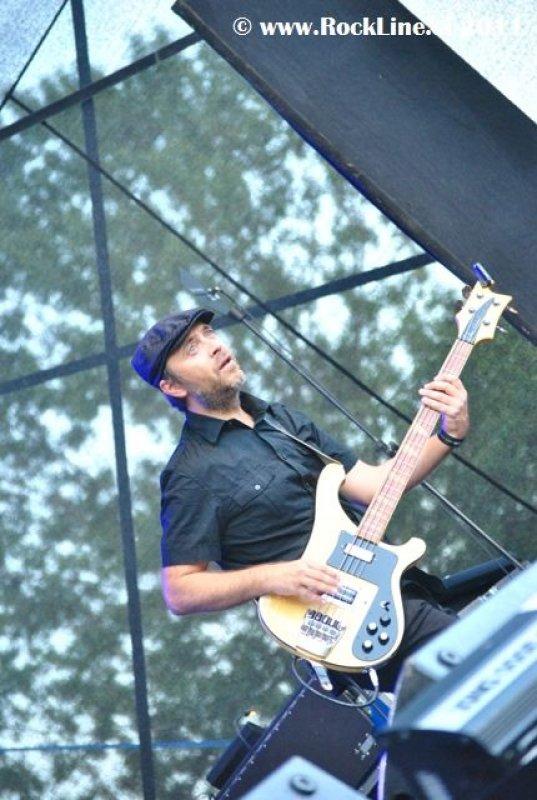
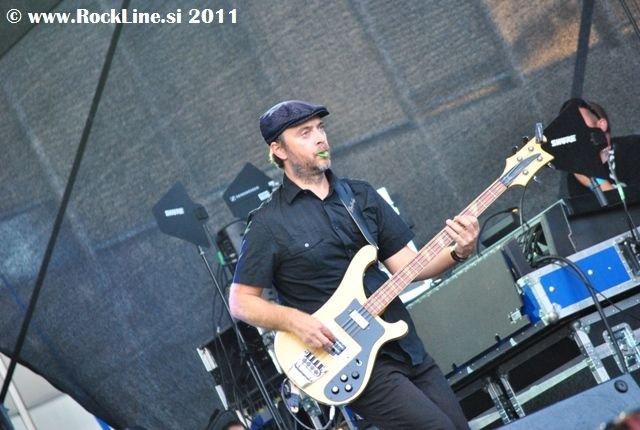
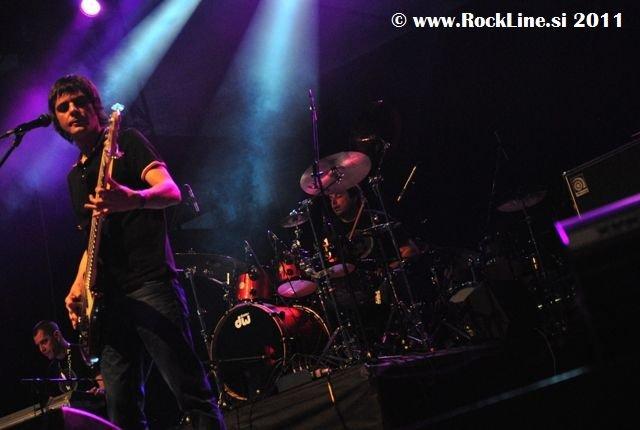
When Moby leaves the stage with his backing crew, something close to chaos sets in. People tear en masse toward the exits and leave the venue. Partly to blame is the late hour, since midnight had long since struck, but it may also be down to people reading the concert program very sloppily. The considerably thinned ranks of the better-informed get dessert in the form of an excellent set by Split band TBF; this time The Beat Fleet decided to crown the evening with a string of their biggest hits. The sextet, born in 1990 in the shelter of Split garages, pairs sarcasm and a colorful sense of humor with a playful mix of rock, soul, funk and hip-hop, and across a palette of themes they string together, entirely unburdened, images of drug addiction, social critique, corruption, the problem of social values and all the sub-shades of bitter Croatian everyday life. The records Ping-Pong, Uskladimo toplomjere, Maxon Universal and Galerija Tutnplok quite naturally spawn tracks such as Fantastična, Guze i sise, Nostalgina and similar gems. Despite the origins, no fear: TBF are far from the classic Dalmatian seagulls, and if Oliver Dragojević kills your will to live, you can sway quite comfortably to the beats of the young sextet on a cloud of calm and ease. The stage chemistry of singer Mladen Badovinac, keyboardist Luka Barbić, mic-sworn Aleksandar Antić, the laid-back bassist Ognjen Pavlović and two more, guitarist Nikša Mandalić and the cool-headed drummer Janko Novoselić, easily vibrating behind the kit, thus remains mandatory reading for all latecomers, homework until next time. The concert fatigue of the evening’s main act was undoubtedly excusable (the truly brutal drunkenness or being wasted on “maligans” spiked with forbidden substances, a bit less so). Despite everything, the third act of the Martian invasion was successfully wrapped up as a complete and truly commendable chapter in the spring festival warm-up in Ljubljana. The crowd still has a lot to learn, above all consideration below the stage and moderation in drinking, and next time the organizers could set the lineup a bit more sensibly, with a mix of genres friendlier to health and taste, and so confidently step up one more rung. Mars Festival thus has plenty of room for improvement, but we can certainly only applaud, standing, the fact that after three years it’s already becoming a traditional part of the yearly music calendar. And we can thank the gods of musical Olympus that big names won’t run out any time soon.
Setlist
– ARHIBALD ARHIBALDOVICH
– ROTOR
– DARKWOOD DUB
– MOBY
– TBF
Photo Gallery