

David Bowie (January 8, 1947 – January 10, 2016), the eternal musical chameleon and sonic alien, who blasted into space in his songs with Major Tom, sold the world, went looking for life on Mars with Hunky Dory, caught post-apocalyptic visions with Ziggy Stardust and his reincarnation Aladdin Sane, hung out with Halloween Jack and his post-apocalyptic gang of Diamond Dogs, soaked up the fame with the young Americans, lived out the golden years palling around with the Thin White Duke, told us that every one of us can be a hero for at least one day, buried the myth of Major Tom in dust, danced with the China Girl, loved a spacewoman, invited us outside in the company of Nathan Adler, feared Americans, found out what it means to be a pagan, and finally beat his own physical death with the help of a black star. Anyone who knows his rich creative career will catch every musical reference and every one of Bowie’s alter egos listed here.
This article is a rundown of all of Bowie’s studio records, including both albums by Tin Machine and the covers album “Pin Ups” (1973). The albums are ranked by importance, innovation and impact rather than by the sheer quality of their songs, because Bowie never put out a bad album in his whole career. His studio output is so stylistically all over the map that it’s often unfair to compare one record to another. Of course, the top ten is packed with seventies albums, made during Bowie’s most creatively fertile and innovative stretch.
Not included on this list are the many Bowie live albums, compilations and soundtrack albums such as “Christiane F.” (1981), “Love You till Tuesday” (1984), “Labyrinth” (1986), “The Buddha of Suburbia” (1993) and “Lazarus” (2016).
27. Tin Machine: II (1991):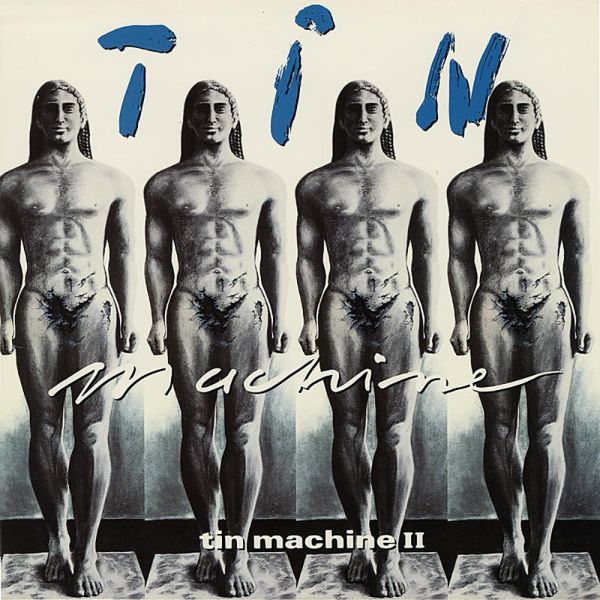
Even though David’s work with Tin Machine was mostly not well received, and the same goes for the band’s self-titled debut, after a lot of deliberation the members decided to record one more album. This one was even less interesting than its predecessor, and it’s more notorious for its “controversial” cover, which ran into censorship in the US, where in that quirky, decadent, two-faced society ancient Greek kouros statues get read as pornography. The fact that this album has been waiting for a reissue since 1991 says probably the most about how popular it is among David’s devotees and the surviving members of Tin Machine.
Key tracks: Baby Universe, One Shot, If There Is Something
26. Tin Machine: Tin Machine (1989):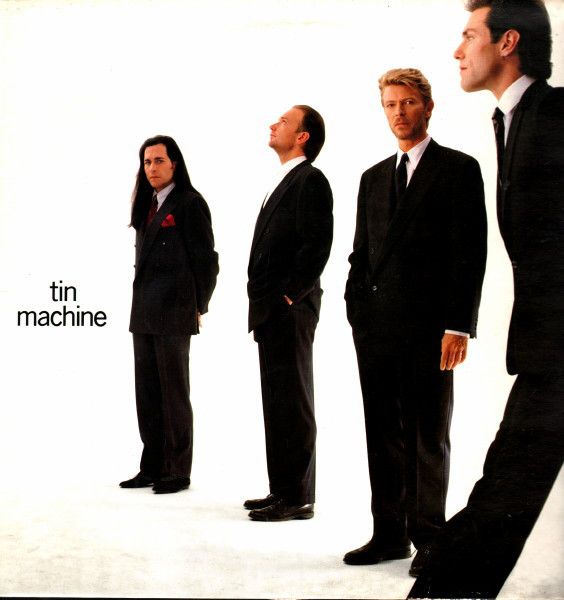
After the critically so-so “Never Let Me Down” and the equally ‘trashed’ Glass Spider tour, Bowie ‘withdrew into his shell’ and, after meeting American guitarist Reeves Gabrels, decided to ‘get back to his roots’. The result of Bowie and Gabrels teaming up with the Sales brothers on bass and drums was Tin Machine, a mostly hard rock outfit. With only a few standout tracks, the Tin Machine debut was, at least by Bowie’s usual standards, a pretty average, mostly unmelodic and rather dull album that didn’t bring the commercial and critical response he was hoping for.
Key tracks: Heaven’s In Here, Tin Machine, Prisoner of Love
25. Pin Ups (1973):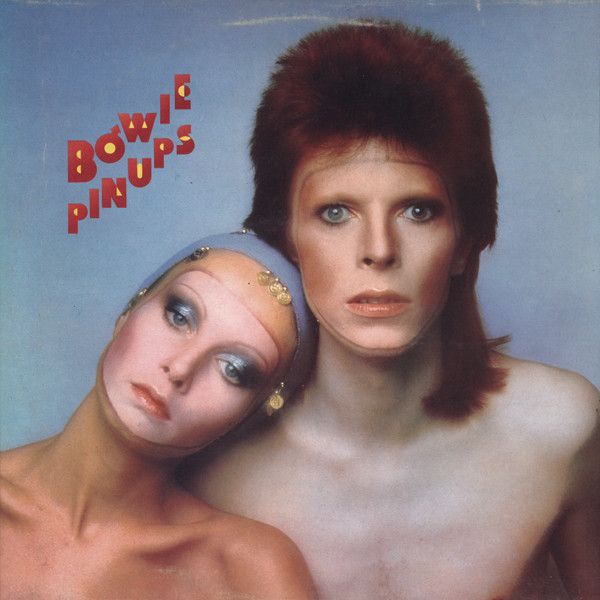
Most Bowie fans don’t count “Pin Ups” (RockLine review) among his ‘regular’ and ‘serious’ studio albums, since it has no original material. It’s a collection of very well sung and played covers of various British acts like Pink Floyd, The Pretty Things, Yardbirds, The Who and others who had a key influence on David’s musical development. According to then-producer Ken Scott, “Pin Ups” was made mainly for the American market, as he wanted to introduce Americans to some evergreens by English bands that were less known on the other side of the Atlantic.
Key tracks: See Emily Play (originally Pink Floyd), Here Comes the Night (originally Them), Sorrow (originally The McCoys)
24. David Bowie (1967):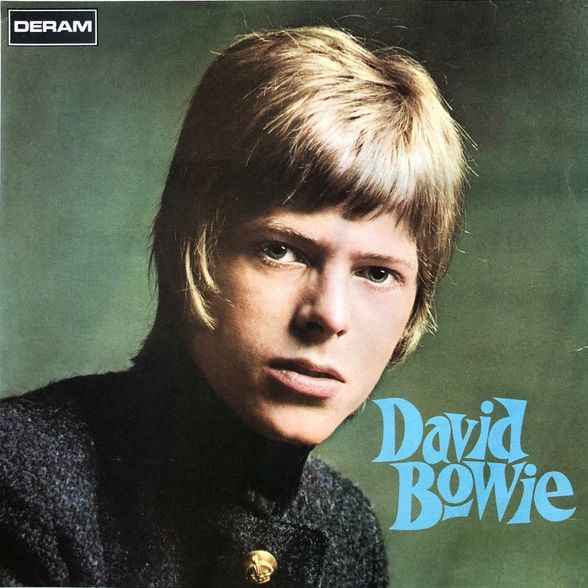
Bowie’s debut (RockLine review), released on Deram after years of disappointments that he had to work hard to get past, was in many ways still pretty naive, but at times charming, witty, jolly and very English-sounding, with a strong stylistic pull from cabaret, psychedelic pop and children’s songs. Because of Bowie’s later metamorphoses and the far more mature, more complex work that followed once the sixties were over, this debut remains almost forgotten to this day, though over the years it has won a bit more critical goodwill.
Key tracks: Uncle Arthur, Rubber Band, Love You till Tuesday, Silly Boy Blue
23. Earthling (1997):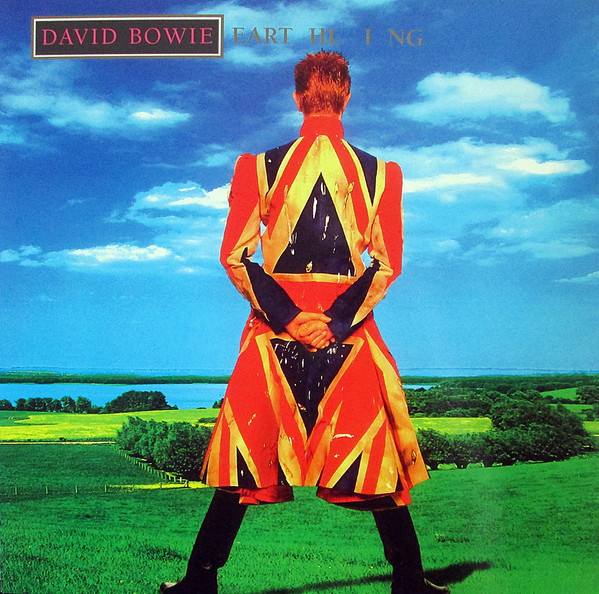
On “Earthling,” David’s experimenting with electronica, industrial rock, then-popular drum ‘n’ bass and techno, heavily influenced by his collaborator of the time Trent Reznor of Nine Inch Nails, hit its peak. Even though, like its predecessor, it split plenty of David’s fans on release, it did better commercially than the more experimental “Outside.”
Key tracks: Little Wonder, Seven Years in Tibet, Dead Man Walking, I am Afraid of Americans
22. Outside (1995):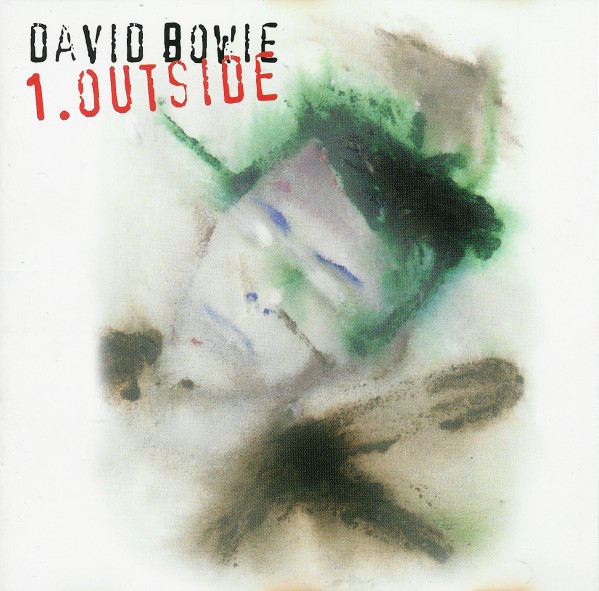
On “Outside,” Bowie picked up his collaboration with Brian Eno again and started flirting with electronica once more, while also discovering industrial rock. It was also one of his rare concept albums, with a story about the hero Nathan Adler, told across the individual “Outside” tracks in the form of a detective yarn. Despite a pretty radical stylistic shift toward electronic and industrial rock elements, “Outside” was a fairly successful album commercially and gave the eternal musical chameleon a fresh new sound.
Key tracks: The Hearts Filthy Lesson, Strangers When We Meet, I’m Deranged, Hallo Spaceboy
21. Never Let Me Down (1987):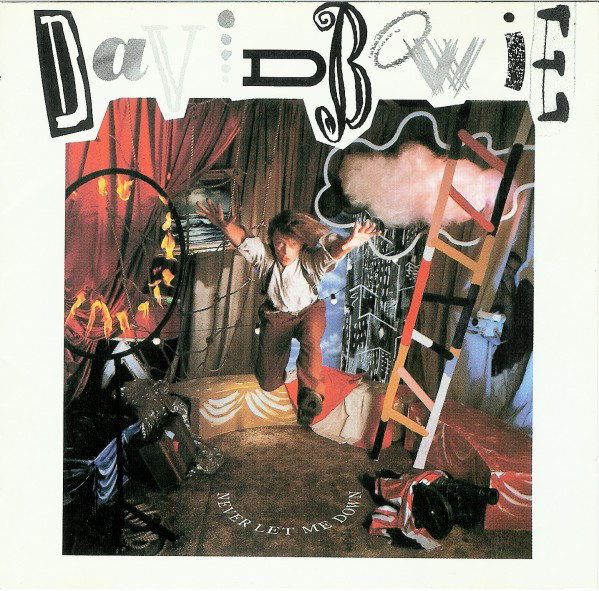
“Never Let Me Down” was the final act of Bowie’s pop-rock era, and it didn’t get as warm a welcome from many critics of the time and some fans as its two predecessors did, despite repeating the nice commercial success. Unlike “Let’s Dance” and “Tonight,” “Never Let Me Down” hit a little harder and rocked a bit more, though it was still mostly a pop-rock affair, and it already partly hinted that David was being pulled back to his roots and away from pop rock and commercial appeal. Among the many interesting tracks was a cover of “Bang Bang,” which originally belongs to David’s old pal Iggy Pop.
Key tracks: Day In Day Out, Time Will Crawl, Never Let Me Down, New York’s in Love
20. Tonight (1984):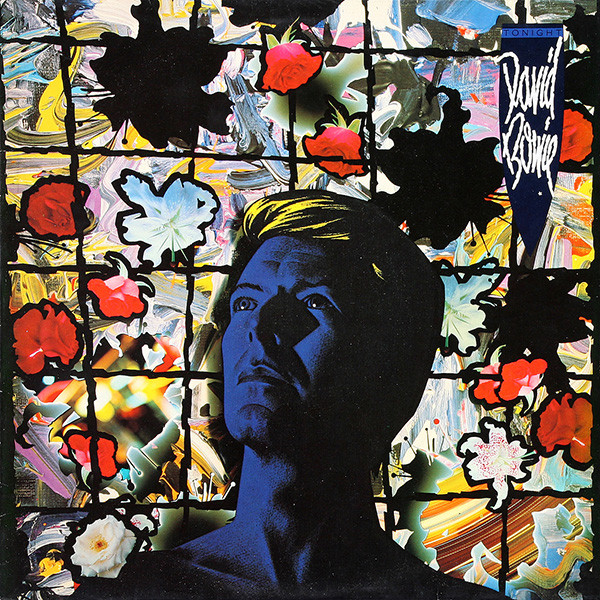
“Tonight” was a less successful and slightly less interesting, but still decent follow-up to the classic “Let’s Dance.” With “Tonight,” Bowie kept up the style of its famous predecessor and managed to hold the attention of a whole new generation of fans. This very solid album, which cemented Bowie at the top of the biggest pop-rock attractions of the eighties, was defined above all by the excellent “Loving the Alien” and the duet with Tina Turner on the title track. “Tonight” included as many as three covers of songs originally credited to Iggy Pop, the title classic among them.
Key tracks: Loving the Alien, Blue Jean, Tonight (with Tina Turner), Dancing With the Big Boys (with Iggy Pop)
19. Black Tie White Noise (1993):
“Black Tie White Noise” is seen as an important album with which Bowie, after the dubious Tin Machine project, refreshed his career and won back the trust of some music critics as well as longtime fans. The album was marked by David’s marriage to his longtime partner, the model Iman, and by his reunion with Nile Rodgers, and its harrowing message makes “Jump They Say” stand out. That track was dedicated to David’s schizophrenic half-brother Terry, who took his own life in 1985 after growing tired of years in a psychiatric hospital. Stylistically, “Black Tie White Noise,” which included “I Feel Free,” a cover of Cream, on which David joined forces with Mick Ronson one last time, was a hugely entertaining mix of art rock, acid jazz, soul and electronica.
Key tracks: Jump They Say, Pallas Athena, Miracle Goodnight, Black Tie White Noise
18. Hours (1999):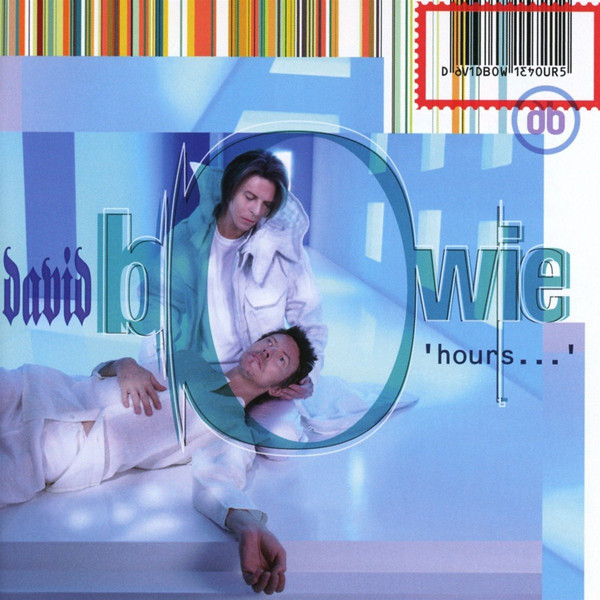
On »Hours«, David went back to pop rock and art pop and buried his industrial rock/electronic phase, which the telling cover of this album symbolizes too. »Hours« is also known as the first album by a major artist to be released in digital format before the physical version hit shelves. The lead single was the soul evergreen »Thursday’s Child«, which was also the album’s biggest success. The last album with Reeves Gabrels on guitar got a mixed critical response when it came out, but plenty of people later realized their mistake and regretted it. Even though »Hours« isn’t one of David’s classic albums, it’s yet another superbly arranged, produced and polished effort with plenty of lovely moments.
Key tracks: Thursday’s Child, Survive, Seven, The Pretty Things Are Going to Hell
17. Heathen (2002):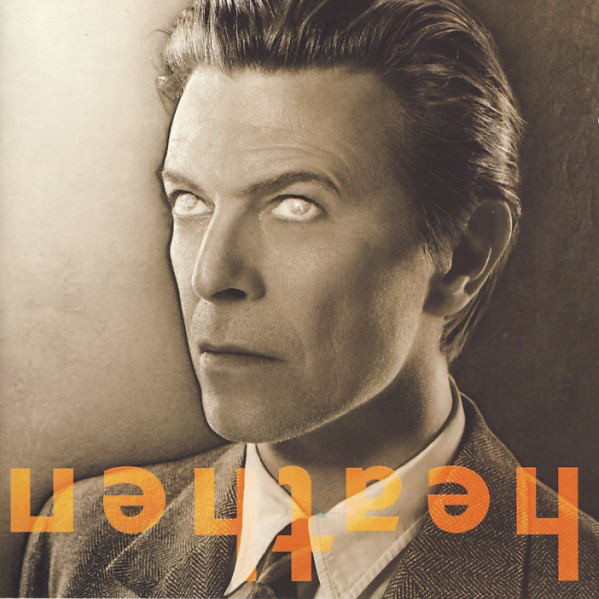
»Heathen«, on which David renewed his collaboration with Tony Visconti, was a darker follow-up to its predecessor »Hours«. »Heathen« came about when David’s plan for the never officially released album »Toy«, which was supposed to feature freshly re-recorded material from the start of Bowie’s career, fell through. »Toy« did leak out unofficially in 2011, but it doesn’t count as part of David’s regular studio discography, while »Heathen« brought him his biggest success in the US since the end of the eighties. Stylistically, the gloomy »Heathen« sat perfectly between art rock and art pop, while some of the lyrics dealt with 9/11 and its aftermath. In keeping with Bowie’s long tradition, »Heathen« featured guest spots from plenty of well-known musicians from different genres, such as Tony Levin, Jordan Rudess, Pete Townshend and Dave Grohl.
Key tracks: Slow Burn, Everyone Says ‘Hi’, Slip Away, Heathen (The Rays)
16. David Bowie/Space Oddity (1969):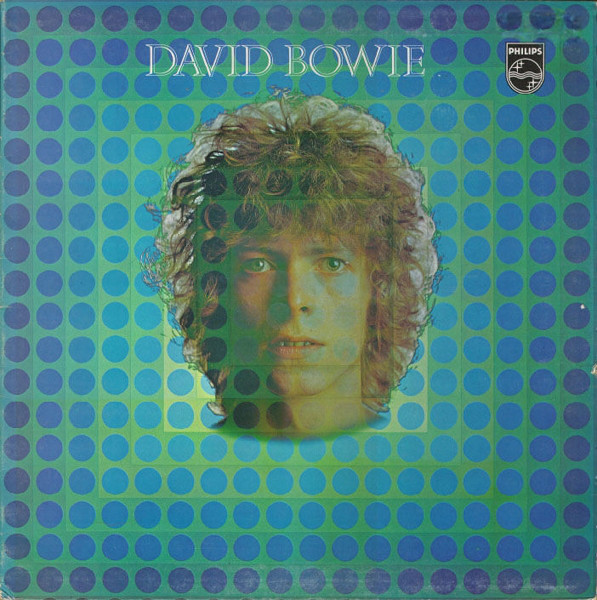
Bowie’s second album, also known as »Space Oddity« (RockLine review) after the breakthrough track that landed him his first hit, wasn’t a success as a whole. Apart from the classic »Space Oddity«, which introduced David’s original alter ego Major Tom, this folk and psychedelic rock-leaning album had no songs that left a major mark on his career. Still, it was a giant step forward from the 1967 debut and the start of his long-running collaboration with producer and occasional bassist Tony Visconti, as well as a short but successful stint working with Yes keyboardist Rick Wakeman.
Key tracks: Space Oddity, Cygnet Committee, Wild Eyed Boy From Freecloud, Memory Of a Free Festival
15. Reality (2003):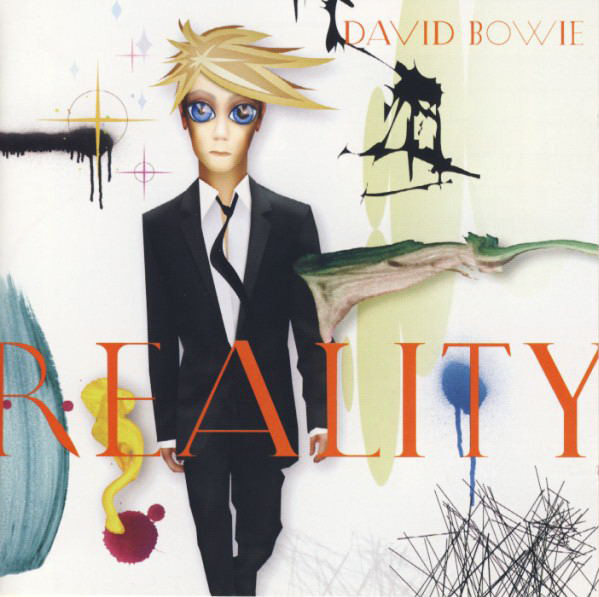
For a full ten years, »Reality« was considered Bowie’s ‘farewell’ album, before he came back on the scene with »The Next Day«. The album had two covers: »Pablo Picasso«, originally by Jonathan Richman, and »Try Some, Buy Some«, originally by George Harrison. According to Tony Visconti, Bowie’s decision to quit smoking meant he could hit higher vocal registers again on »Reality«, something he hadn’t managed since the late seventies. »Reality« was accompanied by Bowie’s last concert tour.
Key tracks: New Killer Star, The Loneliest Guy, Bring Me the Disco King, Fall Dog Bombs the Moon
14. Lodger (1979):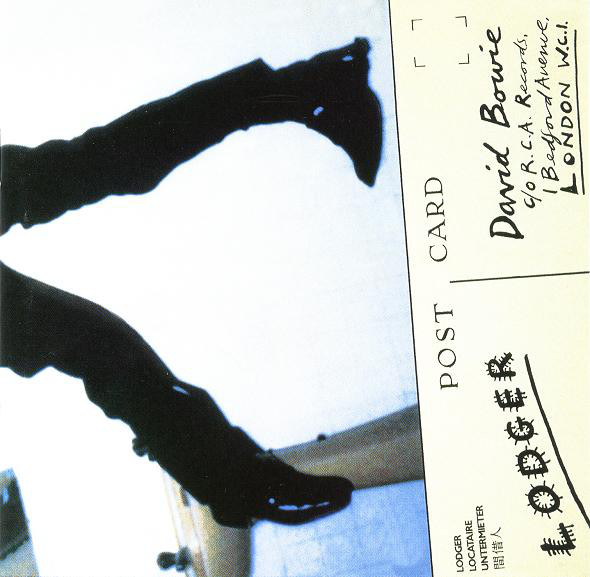
»Lodger«, which besides art rock packed in lots of new wave influences while ditching electronics and ambient, was the final act of the so-called Berlin trilogy. The lineup that recorded its predecessor ”Heroes” stayed mostly the same, except for extra guitarist Adrian Belew, who replaced Robert Fripp. Belew later joined King Crimson, following Fripp there. »Lodger« is one of Bowie’s lesser-known albums, even though it had the hit single »Boys Keep Swining« and the punchy »Look Back in Anger, which David used ten years later to kick off his work with the band Tin Machine.
Key tracks: Fantastic Voyage, Look Back In Anger, DJ, Boys Keep Swinging
13. The Next Day (2013):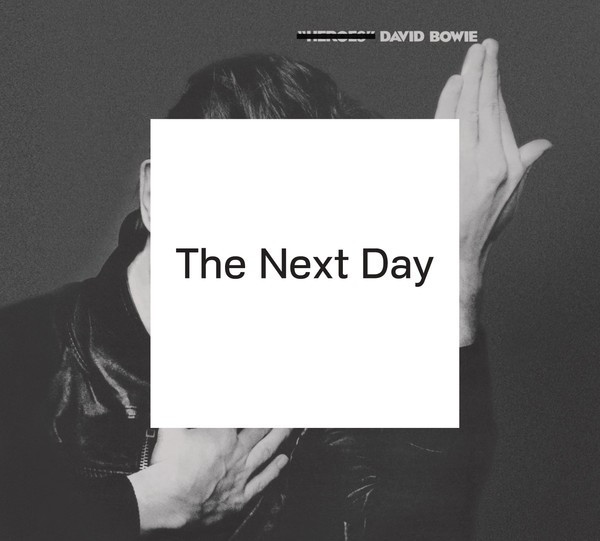
The art rock-leaning »The Next Day«, which came out after Bowie’s almost eight-year absence from the media, was his second-to-last album and a very successful reunion with longtime producer Tony Visconti. With »The Next Day«, David managed to outfox modern media, since nobody saw its release coming, and he also proved that his creative spark hadn’t left him despite the ten-year break since his previous studio album. Many critics and fans were convinced that after 2006, when he played his last concert, David had quietly retired from music altogether. »The Stars (Are Out Tonight)«, which also came out as a single, was the most recognizable and beloved track on »The Next Day«.
Key tracks: The Next Day, The Stars (Are Out Tonight), Love Is Lost, Where Are We Now?
12. The Man Who Sold The World (1970):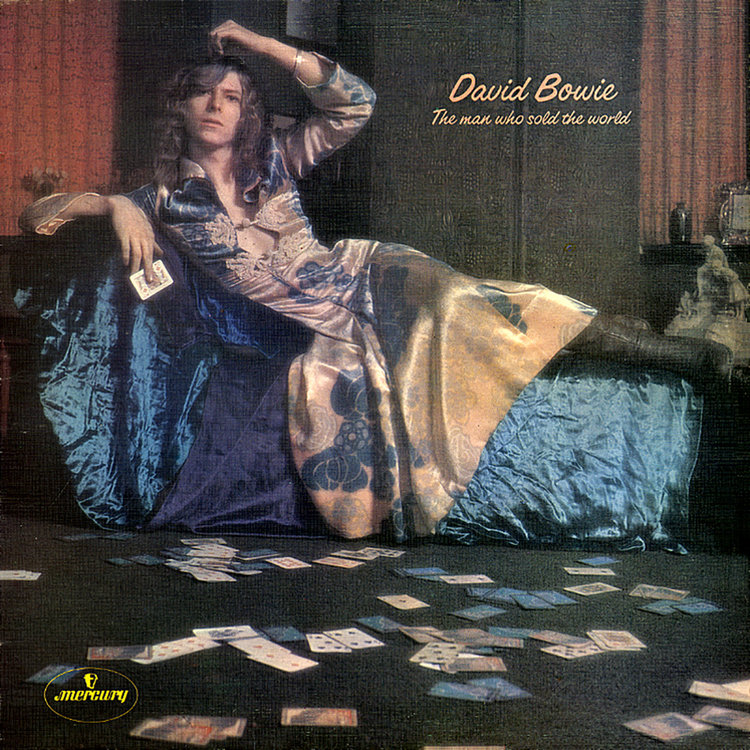
The hard rock-tinged »The Man Who Sold the World« (RockLine review) marked the start of Bowie’s years-long collaboration with legendary guitarist Mick Ronson and the backing band Spiders From Mars. The album, which had masterpieces like the title track, »Supermen« and »Width of a Circle«, only earned its cult status three years later, once Bowie became a global star. The original cover, with long-haired Bowie in a dress, was considered controversial in the US and was replaced on the market there with a tacky mess. Anyone who’d like to hear David in a ‘heavier’ mode will still have a blast with this somewhat overlooked but undoubtedly classic album.
Key tracks: The Supermen, All the Madmen, The Man Who Sold the World, Width of the Circle
You can read a special RockLine piece dedicated to the 50th anniversary of the album “The Man Who Sold The World” HERE!
11. Young Americans (1975):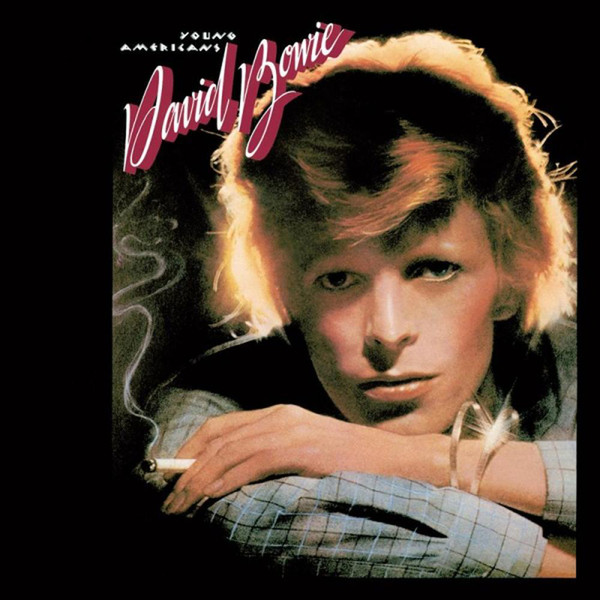
»Young Americans«, which turned Bowie into a soul musician, was considered a controversial album when it came out, since it was a radical stylistic break from his glam rock phase. Still, thanks to hits like the title track and »Fame«, the album reached cult status and quickly proved to be one of Bowie’s most successful and beloved records, one that finally let him ‘conquer’ the American music market too. While making »Young Americans«, David headed to the US to explore the soul and funk scene of the day, and while working with singers of the caliber of Luther Vandross, he discovered his longtime guitarist Carlos Alomar. John Lennon also played on the evergreen »Fame« and the cover of The Beatles classic »Across the Universe«, having wandered into the studio during the »Young Americans« sessions and gushed about what he heard.
Key tracks: Young Americans, Fame, Fascination, Right
10. Let’s Dance (1983):
»Let’s Dance« was Bowie’s most commercially successful album, turning him from a cult, internationally established musician into a global pop-culture phenomenon who could sell out stadiums with ease. »Let’s Dance« kicked off Bowie’s pop rock, or art pop rock, era, which lasted almost until the end of the eighties. The album, which spawned two big hits in the title track and »China Girl« (the original version belongs to Iggy Pop), was also one of David’s most cheerful and positive records in terms of mood, since it was made at a time when things in his life were going well again. Bowie’s collaboration with American guitarist and producer Nile Rodgers played a key role in the success of »Let’s Dance«. With »Let’s Dance«, Bowie remains to this day one of the few rock musicians who managed to make a dance-rock or dance-pop album that most people can actually dance to. Even though some accused him of selling out, all the tracks on the album, even the most radio-‘friendly’ ones, carried that thoroughly experimental and innovative streak that was so specific to David.
Key tracks: Let’s Dance, China Girl, Modern Love, Cat People (Putting Out Fire)
9. Black Star (2016):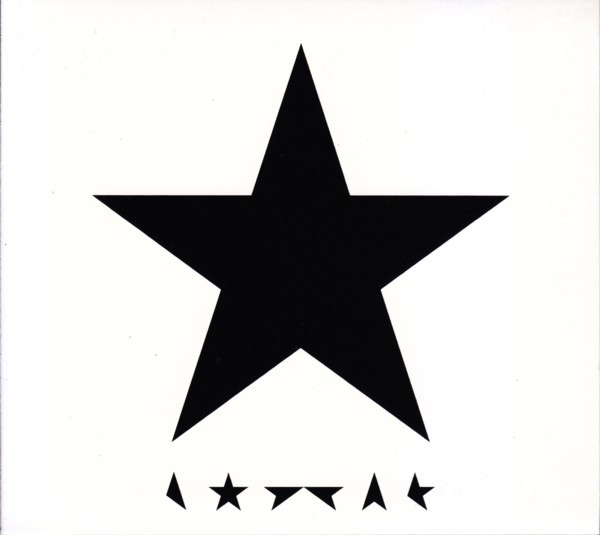
Bowie’s farewell album, made when he already knew the end was near, came out just two days before his death and was his gift to all the loyal fans through whom his music will live forever. Of all David’s albums, »Blackstar« is undoubtedly the darkest and perhaps the deepest in terms of the shattering content of its individual lyrics, even though it has a fairly optimistic ending. »Blackstar« was defined above all by the track »Lazarus«, which opened the door to the musical of the same name, one of David’s last artistic projects. It’s hard to think of a musician who put out such a profound and brilliant farewell album as »Blackstar«.
Key tracks: Lazarus, Blackstar, Tis a Pity She Was a Whore, I Can’t Give Everything Away
8. Station To Station (1976):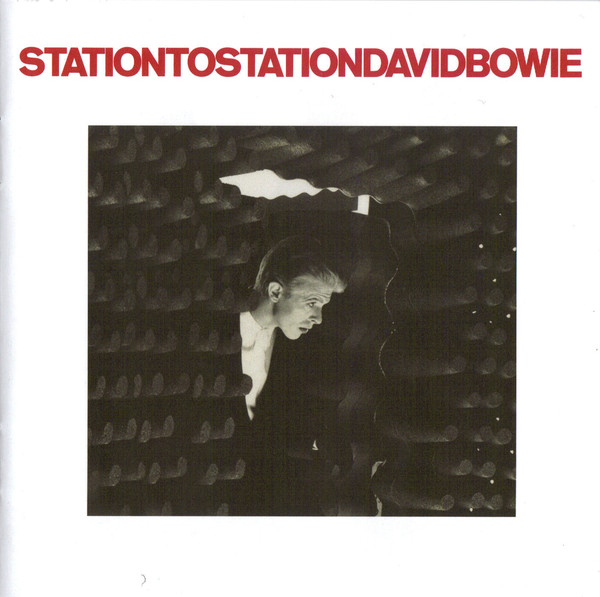
“Station to Station” was defined by Bowie’s alter ego of the time, the Thin White Duke, born out of his struggle with cocaine addiction. The Thin White Duke first showed up in the cult film “The Man Who Fell to Earth” (1976), in which David played the enigmatic alien Thomas Jerome Newton. The album is remembered above all for the title-track evergreen and “Golden Years,” which David originally wrote for Elvis Presley, only for Elvis to turn it down. Stylistically, “Station to Station” was a bridge between the ‘plastic’ soul of its predecessor “Young Americans” (1975) and the krautrock-inspired experiments that shaped the next album, “Low” (1977). By this point David was growing more and more fed up with the ‘American dream’ and stardom, and you can hear it in the lyrics of “Station to Station” too.
Key tracks: Golden Years, Stay, Station to Station, Word On a Wing
7. Low (1977):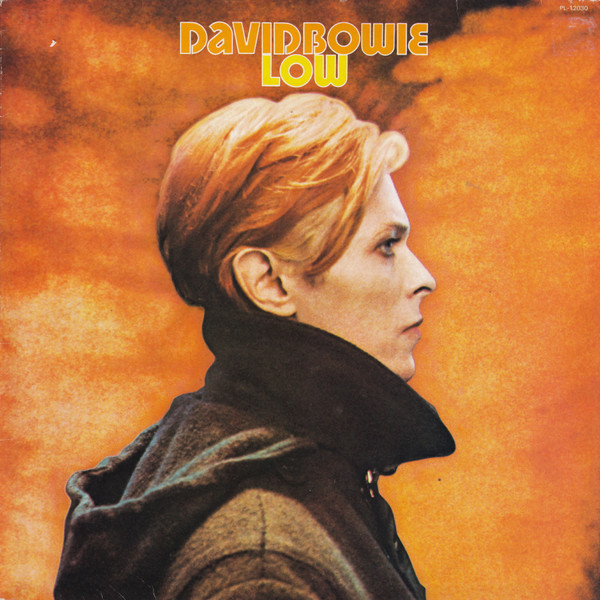
“Low” kicked off Bowie’s so-called Berlin trilogy and his fruitful collaboration with Brian Eno. After his temporary move to Berlin, Bowie used it to announce the start of one of his most experimental periods, defined by mostly instrumental electronic and ambient music under the influence of German krautrock bands like Neu! and Kraftwerk. Packing “Low” with so many instrumentals was a seriously bold move for a musician who, throughout his career, was best known as a singer. Despite how experimental it was, “Low” still had a hit on it, namely “Sound and Vision,” which quickly became one of David’s most beloved standards. Just like its predecessor, “Low” came with a cover that was a doctored still from the cult film “The Man Who Fell to Earth” (1976), where David played the lead role.
Key tracks: Sound and Vision, Speed of Life, Always Crashing in the Same Car, Warszava
6. Scary Monsters (and Super Creeps) (1980):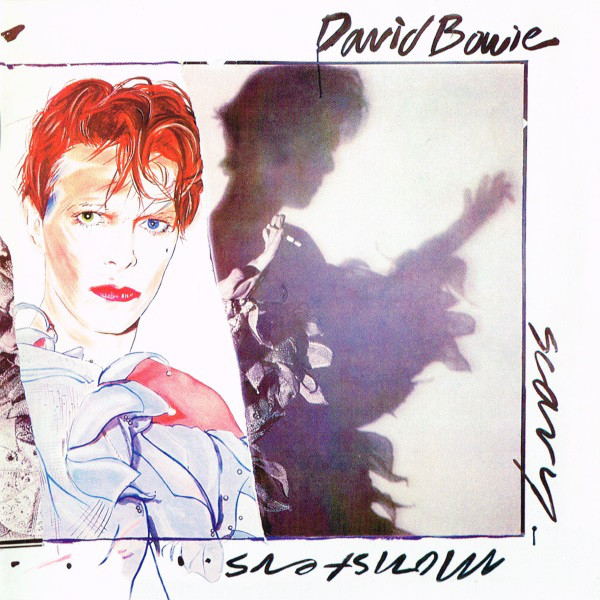
“Scary Monsters (and Super Creeps),” where David teamed up with Robert Fripp again, was an art rock feast packed with some of the finest work of his career. The album’s two best-known tracks are the dark “Ashes to Ashes,” where Major Tom came back in a far more nihilistic incarnation, and the sarcastic “Fashion.” It was made after the end of David’s Berlin period, during his return to England. On tracks like the title-track masterpiece, Fripp’s distinctive guitar technique made sure that unpredictable, experimental edge that marked most of David’s discography was still there. In terms of style and production, this masterpiece saw David stride confidently into the eighties, while also hinting that he was being pulled toward pop-rock waters.
Key tracks: Ashes to Ashes, Fashion, Scary Monsters (And Super Creeps), Teenage Wildlife
5. Diamond Dogs (1974):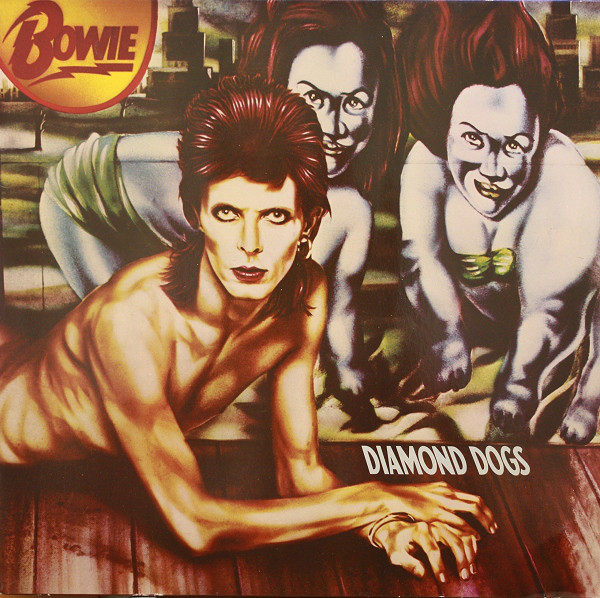
Of all Bowie’s albums, “Diamond Dogs” and “Outside” (1995) come closest to deserving the word “conceptual,” since most of the songs were built on David’s own dystopian story and Orwell’s literary classic “1984.” In many ways this album was groundbreaking, a bridge between David’s glam rock and ‘plastic’ soul periods. After David’s work with the Spiders From Mars ended, keyboardist Mike Garson, bassist Herbie Flowers and drummers Aynsley Dunbar and Tony Newman took on important roles on the record. The end result was one of Bowie’s darkest and most harrowing achievements, with scary visions of a post-apocalyptic future led by yet another Bowie alter ego, Halloween Jack (with a pirate patch over his left eye). “Rebel Rebel” became one of David’s best-loved classics, while “1984” and “Big Brother” were already strongly influenced stylistically by the soul that defined David’s next studio effort, “Young Americans.”
Key tracks: Diamond Dogs, Rebel Rebel, 1984, Big Brother
4. Aladdin Sane (1973):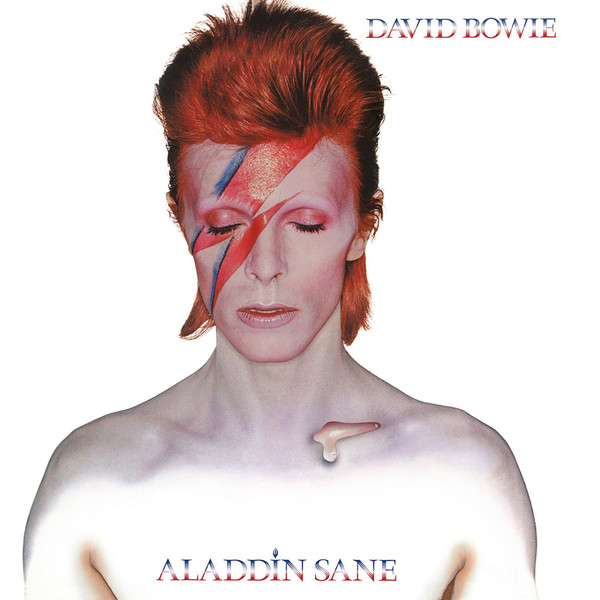
“Aladdin Sane” (RockLine review) was a somewhat overlooked, more eclectic and ‘Americanized’ follow-up to its much-hyped predecessor, “The Rise And Fall of Ziggy Stardust And The Spiders From Mars.” Bowie once called this album ‘Ziggy goes to America.’ It was also the next, short-lived evolutionary phase of Ziggy Stardust in Bowie’s rich collection of alter egos. The album was largely a product of Bowie’s American tour and what he went through while traveling from gig to gig across the US, where he realized America was nowhere near what Hollywood movies often make it out to be. With “Aladdin Sane,” David’s glam rock phase hit its peak, and the record is stuffed with a whole bunch of Bowie classics. Compared to its more famous predecessor, it’s darker in atmosphere, since Bowie, by then already a superstar, fell into a years-long cocaine addiction during the 1973 American tour.
Key tracks: Aladdin Sane, Panic in Detroit, The Jean Genie, Drive-In Saturday
3. Hunky Dory (1971):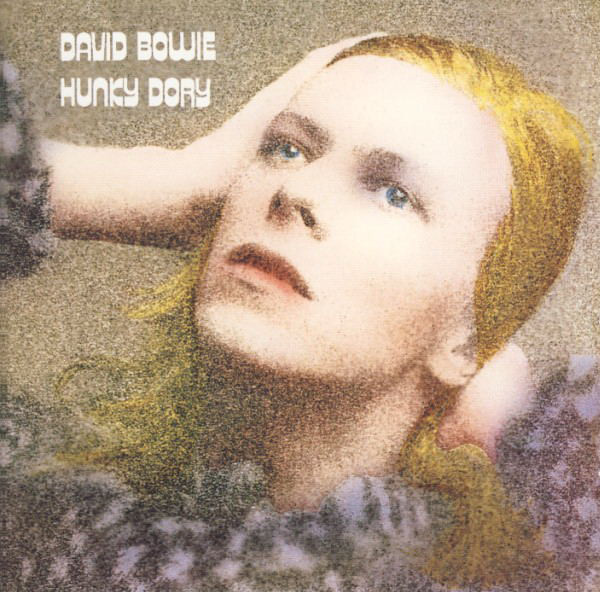
“Hunky Dory” (RockLine review), often called the album where ‘Bowie became Bowie,’ was an art rock masterpiece with plenty of early glam rock seeds. Despite evergreens like “Changes,” “Life On Mars?” (with Rick Wakeman on piano) and “Oh! You Pretty Things,” it didn’t bring Bowie the breakthrough into the biggest names in music that he so badly wanted. After the ‘Man Who Sold the World’ and Major Tom, Hunky Dory was David’s third alter ego, and just as short-lived. The two best-known songs from “Hunky Dory” only became evergreens once Bowie had already turned into Ziggy Stardust. On “Hunky Dory,” Ken Scott took over the production baton from Tony Visconti for a while, and carried on the production reputation of Bowie’s albums in excellent style. Around this time, the cult bassist Trevor Bolder, who also played in Uriah Heep and Wishbone Ash during his career, joined Bowie’s backing band The Spiders From Mars.
Key tracks: Changes, Life On Mars?, Oh! You Pretty Things, Queen Bitch
2. Heroes (1978):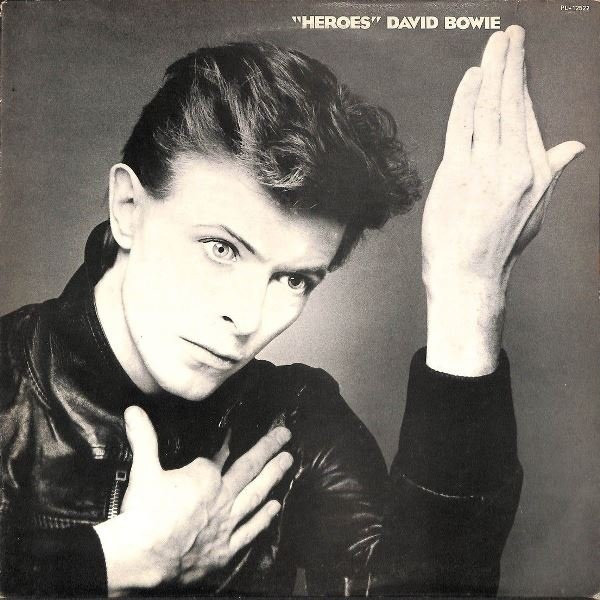
”Heroes,” the second part of Bowie’s so-called Berlin trilogy, was a groundbreaking album in more ways than one. During this period David got free of his years-long cocaine addiction and figured out he could make great music without any intoxicating substances. The key to the success of “Heroes” was the partnership between former Roxy Music keyboardist Brian Eno, who had already worked with Bowie on the previous album “Low” (1977), and King Crimson guitarist Robert Fripp. The song “Heroes” still ranks among the very best Bowie songs today. In an interview for the BBC’s documentary on David Bowie, Fripp said, in his own inimitable style, that the opening track “Beauty and the Beast” is the ideal stimulation for a bedroom party. About half the album is instrumental, which is a pretty singular thing for a musician known mainly for his singing talent.
Key tracks: Heroes, Beauty and the Beast, Joe the Lion, Secret Life of Arabia
1. The Rise And Fall of Ziggy Stardust and The Spiders From Mars (1972):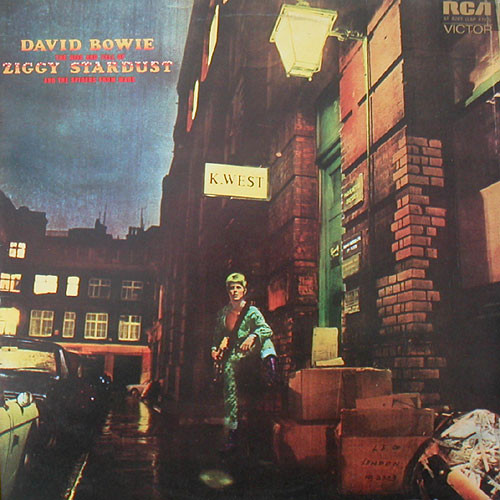
“The Rise And Fall of Ziggy Stardust and The Spiders From Mars” (RockLine review) was Bowie’s most important and influential album. Almost ten years after he started out in music, and after plenty of disappointments, it finally made him a superstar and a global phenomenon, and gave birth to his most notorious alter ego, Ziggy Stardust. Thanks to Bowie, his backing band The Spiders From Mars (with the unforgettable guitarist Mick Ronson), and some excellent co-production alongside Ken Scott, this album, riding on the wings of the single “Starman,” is today recognized as the key record in the magnificent career of an eternal musical chameleon and sonic innovator. Besides being considered one of the crown jewels of the glam rock scene, “Ziggy Stardust” had a major, far-reaching influence on the development of hard rock, punk and new wave.
Key tracks: Starman, Ziggy Stardust, Moonage Daydream, Lady Stardust
Bowie evergreens that didn’t appear on his studio albums and deserve an honorable mention: All the Young Dudes, Under Pressure (made in collaboration with Queen), Absolute Beginners, This Is Not America (made in collaboration with Pat Metheny), Dancing in the Street (a cover of the soul classic, sung as a duet with Mick Jagger)
Author: Peter “Dr. ProgRock” Podbrežnik
