Interview date: July 16, 2007
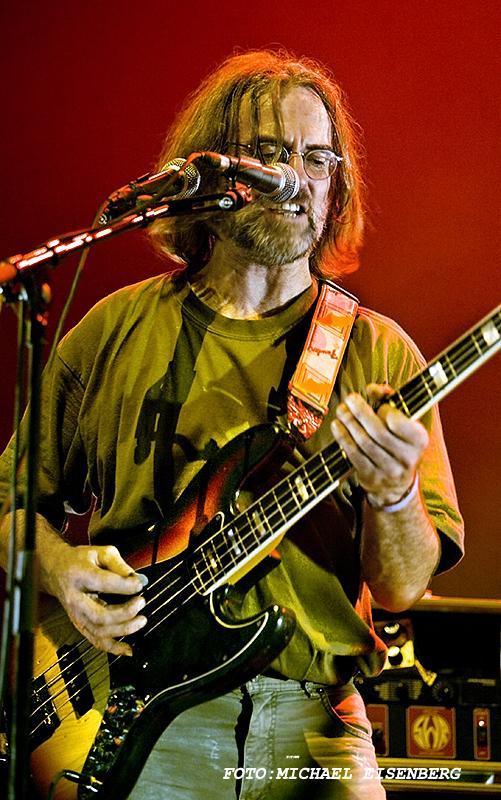
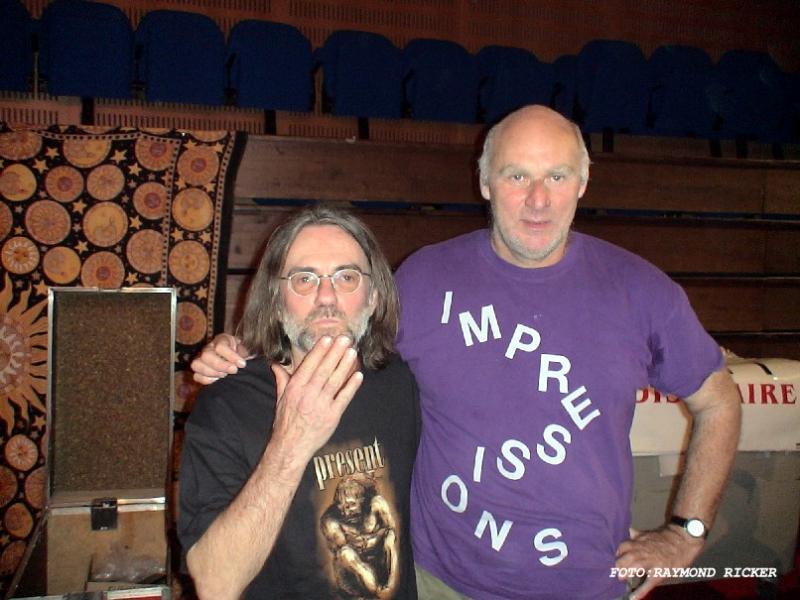
Faust, the band famous in the 1970s for their experimenting, “wacked-out” live shows, extremely inaccessible albums and, together with a few other German bands, for creating a new musical movement (krautrock), have returned to the stage and the studio after a long time. After their gig at the Rock in Opposition festival in France and ahead of an avant-garde festival in Germany, I sat down with the bassist and one of the band’s founders – Jean-Hervé Peron.
First off, how did the name krautrock come about (the song title, I mean)?
When the music coming out of Germany got popular, the Brits found a way to make fun of it – “krautrock”. We knew how to laugh at ourselves, so we called the main track on Faust IV “Krautrock”. It became a classic and now the Brits always love hearing it.
Did you consider Faust a “krautrock” band, in the same sense as Can or Amon Duul, or were you only lumped in with them because of the song title, or the fact that you were from Germany?
First let me stress that these days the term means nothing more than rock played by German bands. It’s downright nasty. The “krautrock” I’m talking about, and you’re talking about, has nothing to do with the “krautrock” the media talk about today. The same thing happened with progressive music: today’s “prog rock” has nothing to do with the progressive music of the 70s. The media create words (which is good), then they abuse them (which is bad). Now that that’s out of the way, I can answer your question. I think that together with Can, Guru Guru and Amon Duul, we are true representatives of this “krautrock” movement. The fact that we’re so different from one another is the whole point of the movement. Every real “kraut” band had its own recognizable sound. We were all searching for our own identity, and so we created loads of different styles with one common goal: authenticity.
Did it ever bother you that so many bands were “krautrock” when each one was different?
Why the hell would it? Like I said, that’s exactly what “krautrock” is (or was) about. The search for your own way of expressing yourself.
Do you think the scene in Germany back then, with so many big bands (Can, Tangerine Dream, Amon Duul, Faust,…), was something special?
Definitely. All the bands hoped to discover new things, we experimented in areas where we couldn’t expect any money, we stood naked and exposed in front of an audience that only knew “one two three four, rock, oh my baby is gone…” We shocked a lot of people, and now (some of them, at least) are glad they ran into a different view of the world and a different way of expressing social unrest.
How did you write songs in the 70s? Through improvisation, or was it more about composing?
There was no recipe. It was all about how you felt that day and what inspired you. Everything was allowed and everything was good – math, risk, dadaism, poetry, drugs, group writing, everything…and of course compositions too.
Are you surprised that you’re a cult band now, maybe even more so than any other “krautrock” band?
Very. It seems some people love us a lot. Some are my age, others are quite a bit younger, and I count that as an honor. There aren’t many of them, but the ones there are get completely swept up by our music. We never made money and we never will, and that way we’re sure to stay authentic – we’ll never be popular or famous. We never compromised with the labels when they told us to be more “accessible”. We’re totally happy with where we are, and in a way I’m proud of our success (our lack of success).
How’s the new album coming along?
Nicely, thanks. It’s finished, and it’ll be presented for the first time at the avant-garde festival http://www.avantgardefestival.de on July 27-29. It’s a collaboration between Nurse with Wound and Faust. 42 minutes plus a bonus track. I’m sure you’ll like it. Again, no compromises, pure studio improvisation, and the whole thing was mixed by those two madmen, Stapleton and Potter. It’s called “Disconnected” and it’s coming out on Faust’s own label, http://www.art-errorist.de. Late this summer it’ll also be out on vinyl on the label “Dirter”.
What can you tell us about the new material? How does it compare to the stuff from the 70s?
It’s exactly the same, because it’s completely different.
Are you happy with the direction you’ve taken?
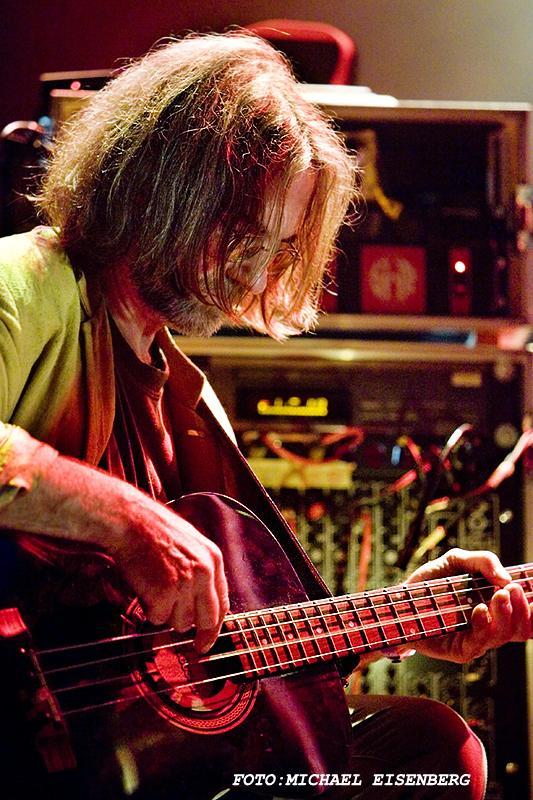
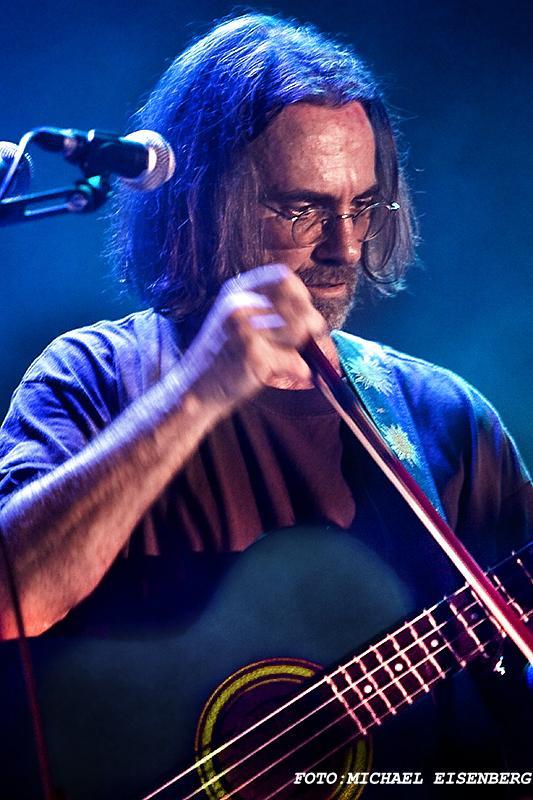
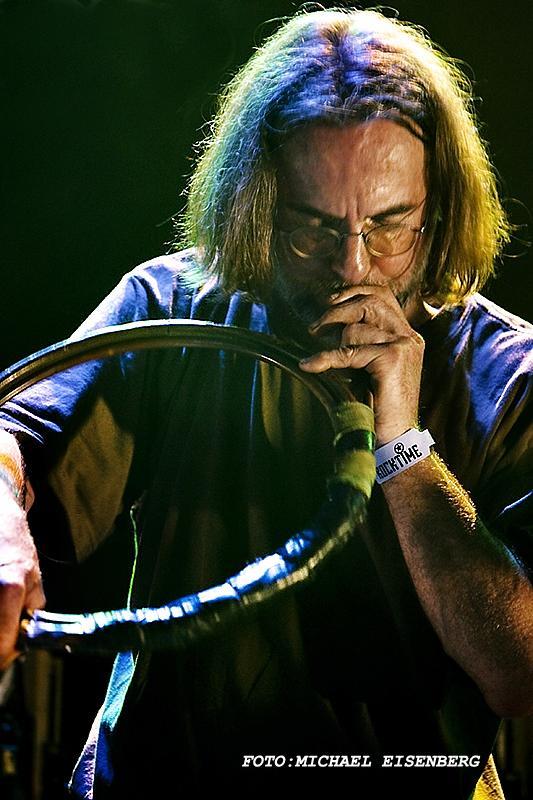
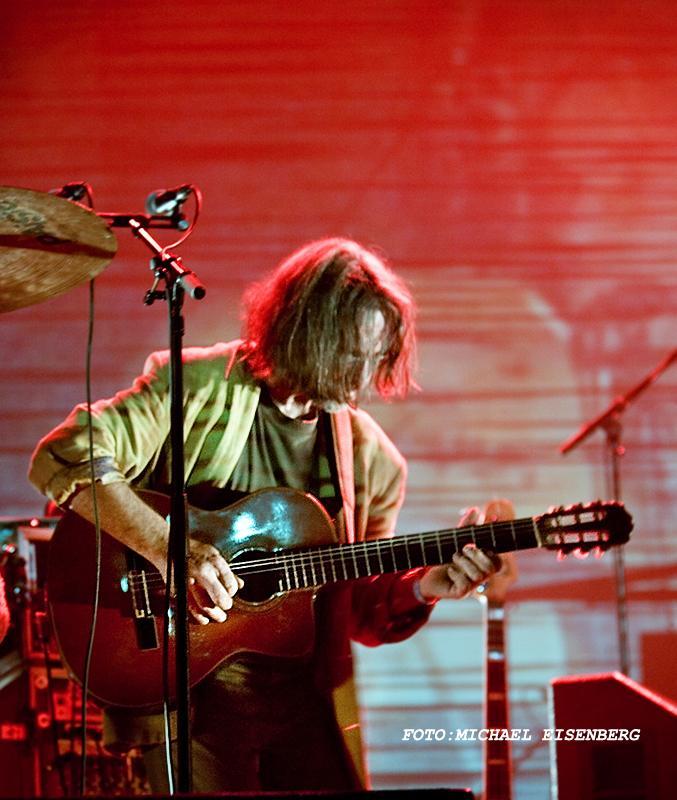
Yes. Everything in the band is in harmony. I regret nothing and I’m happy to watch what’s happening: the tours are going well when I see smiling, dancing people in the audience. Now there are only two original members left: Zappi Diermeier on drums and me on guitar, wind instruments and tools. We invite guests, usually friends we’ve met along the musical road. It works great.
You’re obviously enjoying playing live again. Has that always been your favorite part of being in Faust?
Faust itself is a pretty complicated entity. There have been several “Fausts”. The one that exists now enjoys sharing music live. In the past that caused problems, but not anymore.
Could you tell me something about experimenting with strange sounds? You were already doing that in the 70s, and you’re still big experimenters today.
What can I say? For us, “strange” sounds don’t exist. Everything is sound, all sounds are interesting. Art is nothing, the artist is nothing. The only true music is no music. I don’t know. I’m not here. This isn’t me.
How did you come up with the idea of using all sorts of machines during live shows? Were you already doing that in the 70s? I heard Faust used drills and other equipment back then.
We’ve always used all kinds of things. I’m afraid we’ll keep on doing it.
These days it seems like Faust has rediscovered its identity. You’re playing smaller venues again. Does it feel similar to the start of your career?
I don’t remember us ever playing BIG venues. Seriously, though, we haven’t rediscovered our identity. I think people are just getting to know us. Of course the situation is different. When we started playing in the 70s, people weren’t ready at all, so the reaction was…um…reserved! Now it seems they like us right from the start. That makes it a lot easier to do “our thing”. We’re more relaxed, we don’t have to battle the audience. There’s a lovely harmony between us and the crowd now…a feeling that really motivates you.
How did you meet Amaury Cambuzat (guitar, organ; member of Ulan Bator) and when did you decide you wanted to work with him? Did you know from the start that he was the right guy for the band?
Amaury turned up in Faust and vanished like a comet. I hope he finds peace of mind. He’s an exceptional musician. He deserves more recognition.
Do you prefer playing small venues, where there’s more contact with the audience, to bigger ones?
No doubt about it: smaller ones. We want to feel the energy of the people, smell their enthusiasm, watch their laughing faces, touch them, be with them. That’s what musicians, music and audiences are for.
Finally, let me thank you for taking the time to answer.
Thanks for your interest in our music.
——————————————————–English version——————————————————————
Faust is known as one of the biggest bands to come out of the German krautrock movement. They are perhaps the “craziest” and most experimental of all krautrock bands and this trend seems to be going on even nowadays. Faust is a legend that keeps re-inventing itself and they seem to have found their way back to the musical scene. Rockline talked to their bass playaer Jean-Hervé Peron.
First of all, how did the name krautrock come about? By this I mean the title of one of your songs.
When the music originated in germany became popular , the british found a name to make fun of it “krautrock”… We decided to take the joke with good humor and called our main songs on the new album “faust IV” KRAUTROCK. It became a classic and now the british people love to hear that song…
Did you ever consider Faust to be a krautrock band in the same sense as Can or, Amon Duul, or were you simply classified with them because you came up with the name for the genre?
First of all I must stress the fact that NOW (2007) the term “krautrock” means nothing more than rock music played by a German band. It is DISGUSTING . So, the “krautrock I am talking about and you are talking about has nothing to do with what the media nowodays call krautrock. The same happened to “progressive music” : nowodays “prog rock ” is something that has nothing to do with what was called progressive music in the 70ies….. media create words (good) and abuse them (bad). Ok, now that this is clearly said, i can answer your question. : yes , I consider can/guru/duul etc… as full representants of the krautrock movement of the 70ies. The fact that we are very different from one another is exactly what krautrock is all about: there is “three bars pattern” , every group truly “kraut” had their very specifical sound. We were all looking for our own identity thus creating a huge variety of styles with one common goal: authenticity.
Did it ever bother you that so many German bands were classified as krautrock, when basically every band sounded different?
Hell no! See above, this is what krautrock IS! (Sorry: I must say “was”): a search for your PERSONAL way of expression.
Do you think that the scene in Germany at the time was something special, with so many big names (Can, Tangerine Dream, Amon Duul, Faust,…)?
Definitely: we ( by this i mean all the “kraut” groups) were not afraid of going in a no man’s land, to experiment in areas where we knew there was no money to expect, to stand naked and vulnerable in front of an audience who knew only “one two three four, rock, oooooh my baby is gone etc….”. We have schocked many many people who are now ( some of them anyway) extremly pleased to have been confronted with another way of seeing things and expressing feelings or social turmoils.
How was the writing done in Faust in the 70s? From improvisations or was it mostly composed?
There was no recipe, no formula..it was all according to the day’s feeling and inspiration.. everything was allowed and good.. mathematic, hazard, dada, poetry, drugs, collective writing, everything…also compositions of course…
Are you surprised that you are now considered as sort of a cult band, perhaps even more so than any other krautrock band?
Yes, very much so. It seems that some people do like us very much. Some are my age, some are much younger. and I am happy and honored about this. There are not many but they are sincerely moved by our music. We never made money and we never will. this way we are sure to stay authentic. We will never be popular or famous… We never compromised with the record industry when they tried to tell us to be more “accessible” . We are totally satisfied with the situation I am in a way “proud” of our achievement.
How is the new album coming along?
Fine thank you. It is finished and will be presented premiere at the www.avantgardefestival.de 27/29 juli. Soon now ! It is a collaboration between nurse with wound and faust.. 42 minutes plus a bonus track. I am
sure you will like it. again, no compromise, pure improvisation in studio and the whole thing mixed by those absolutly crazy stapleton/potter! It is called “disconnected” and is released under faust label www.art-errorist.de . It will be available on vinyl too in late summer this year under §dirter” label
What can you say about the new material? How does it compare with your material from the 70s?
It is the exactly the same because it is absolutly different!!!
Are you excited about the direction you have taken in your music?
Yes. I feel the group is in total agreement with itself. I regret nothing and I look with great joy on what is happening now: our tours are successfull when I see all the smiling faces and the dancing people. We play now with only two original members: that is zappi diermaier on drums and myself on guitars/horns and tools. We invite guests musicians , mostly friends we have met in our music life. It works splendidly.
You seem to be enjoying doing live shows again. Is this something that has always been your favourite thing in the music of Faust?
Faust as such is an extremly complicated entity. There have been many “faust”. The one that exist now always enjoyed sharing the music LIVE. It created problems in the past. Now there is no problem anymore.
Could you tell me something about experimenting with strange sounds? You already did that in the 70s and you’re still great experimenters nowadays.
What can i say? For us, there are not any “strange” sounds! Everything is sound, all sounds are interesting. Art is nothing. The artist is nothing. The only true music is no music. I dont know. i am not here. It is not me.
How did the idea of using machinery in your live shows come about? Is this something you already did in the 70s? I heard stories that Faust already used drills and other equipment in the 70s.
See above. And yes, we have been using all kinds of things, always. I am afraid we will continue.
Nowadays Faust seems to have reinvented itself. You’re playing smaller venues again. Does it feel like it felt at the beginning of your career?
I cannot remenmber playing BIG venues. No really, we are not re-inventing ourselves. I think people are just discovering us maybe. Of course the situation is different. When we began to play in the 70s, people were not at all prepared and most of the time the reaction was… errr… reserved! Now, they seem to like us straight from the beginning… so it is much easier to “do our thing” … we are more relaxed, we don’t have to “fight” the audience.. .. there is a beautiful communion between us and our audience now… very very motivating feeling.
How did you meet Amaury Cambuzat and when did you decide you wanted to work with him? Did you know from the start that he was the right person to be in your band?
Amaury appeared and dissapeared in faust like a comet. I wish him to find peace of mind . He is an extraordinary musician. He deserves recognition.
Do you prefer to play smaller venues, where there’s more contact with the public or larger ones?
No doubt :small ! we want to feel the energy of the people, smell their excitment, see their smiles, touch them, be with them. This is what musicians and music and audiences are for.
Finally, let me thank you for taking the time to answer these questions.
Thanks for your interest in our music
Photo Gallery