Location: Otočec / Slovenia
Date: 27.06.2012 – 01.07.2012
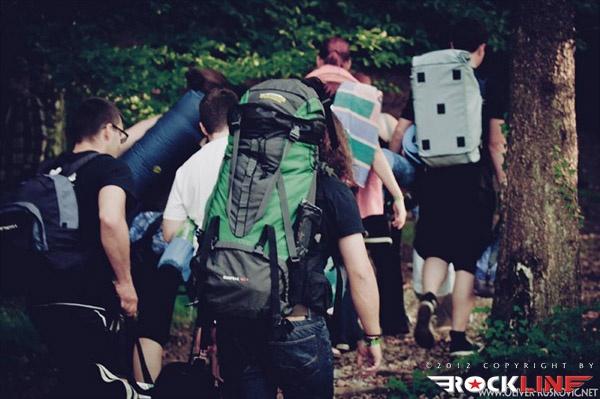
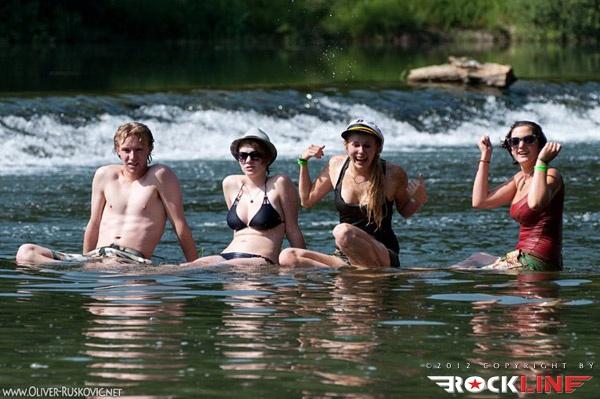
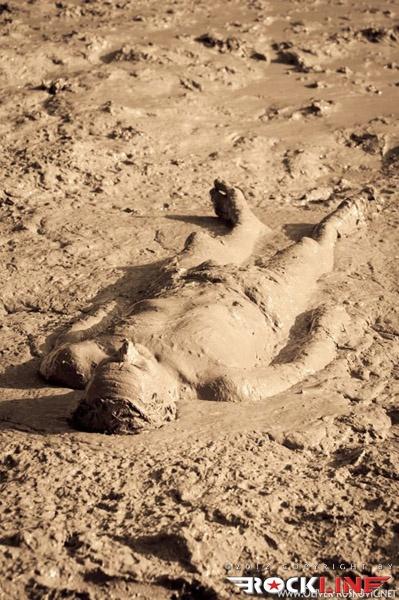
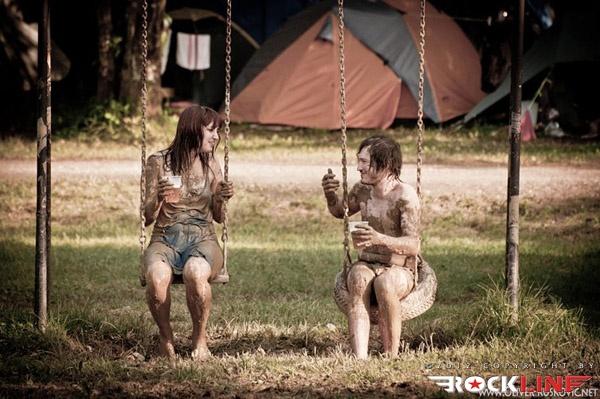
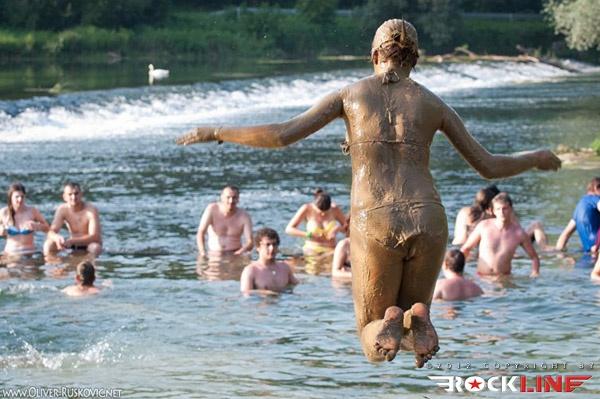
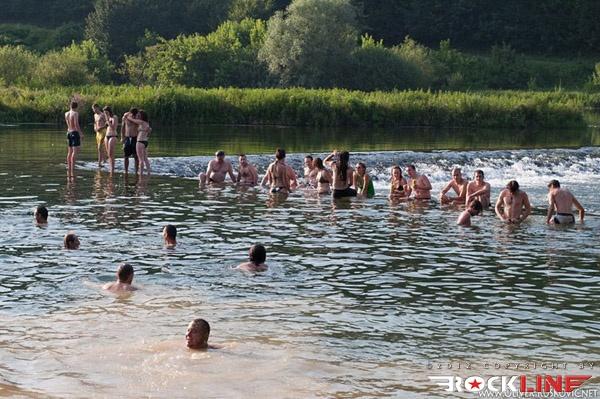
The year has come full circle, summer has kicked off, and with it the traditional multi-day rockers’ holiday that is Rock Otočec. While bigger and smaller rock festivals (Švic, Klumpanje, Shengenfest, Gora Rocka…) have been sprouting up like mushrooms after rain in recent years, Rock Otočec is one of the few similar festivals around here that can rightfully bank on its continuity and tradition, which over the years has earned it a reputation among young people as a guaranteed weekend party. Besides the music, Rock Otočec offers its visitors a rich side program of workshops, improv league and stand-up gigs, mud baths, swimming in the Krka river… so despite the loud, negatively minded complaints, Otočec undoubtedly still ranks among the most enjoyable rock festivals on the Sunny Side of the Alps.
At this point we have to ask: what exactly is it that (rightfully) sticks in the naysayers’ craw? Most organizers of rock festivals of this type, Otočec included, have been betting on the same circle of fifteen or twenty Slovenian and ex-Yugoslav acts for ages, and then sell that lineup as the wildest thing that has ever happened in the galaxy. Abroad it’s not like that. Even next-door Croatia, which is in an even tougher economic spot than we are, has seen a nice number of festivals spring up in recent years that feed their visitors actual world-class stars, while in our beloved Slovenia the organizers are still competing over who’s the big fish in the village, instead of picking up the pace and boarding the European train.
Rock Otočec boasts a gorgeous location. It takes place right next to the medieval Otočec Castle, and the beautiful backdrop of the Krka rapids and the river’s water habitat are inviting in themselves, so good spirits are never missing from the moment you arrive at the festival.
This year, in an effort to improve the offer, the people in charge stretched Rock Otočec into a five-day event, which, judging by the turnout on the opening Wednesday, turned out to be a bold move. Despite the tempting promo presentation of the project Človek z bombami, created in cooperation with the European Capital of Culture Maribor, Wednesday evening was very poorly attended. Work obligations kept me away as well.
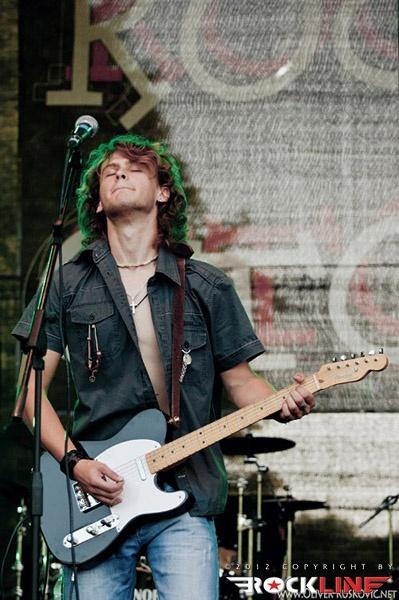
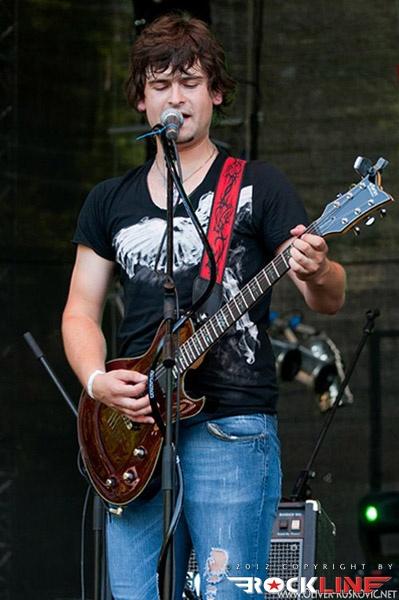
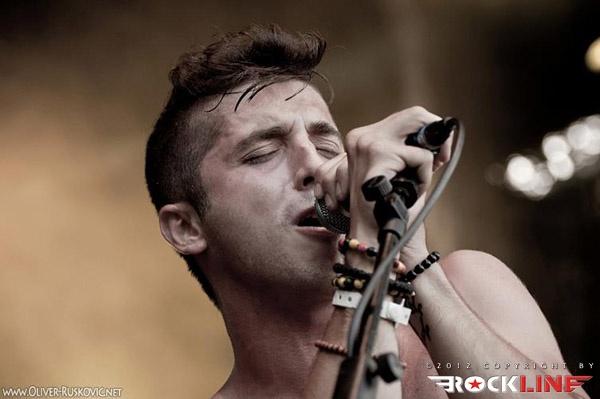
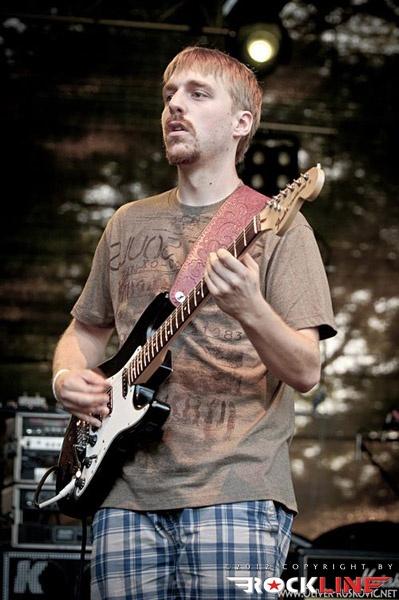
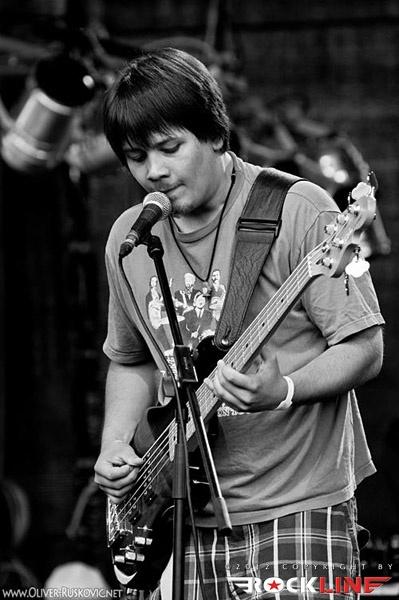
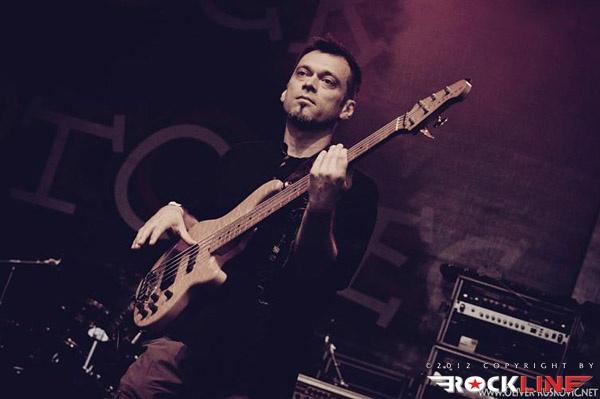
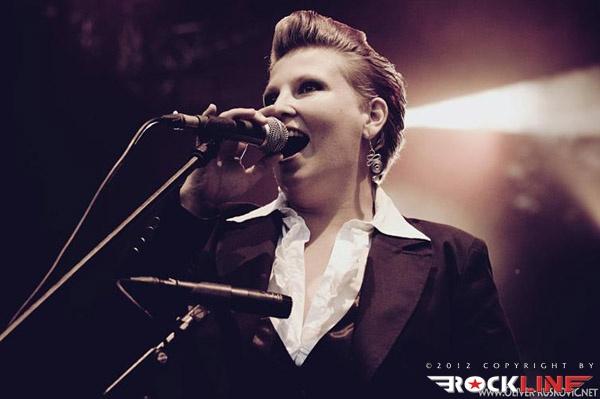
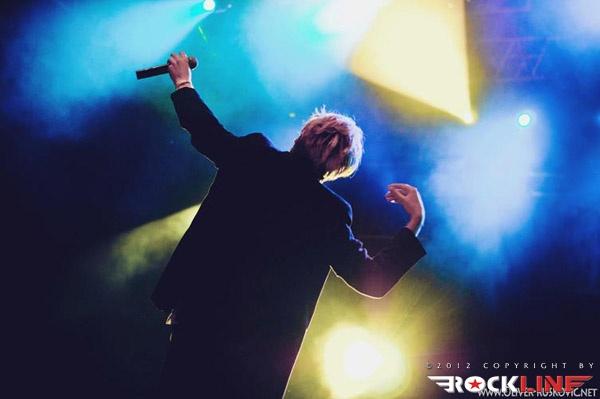
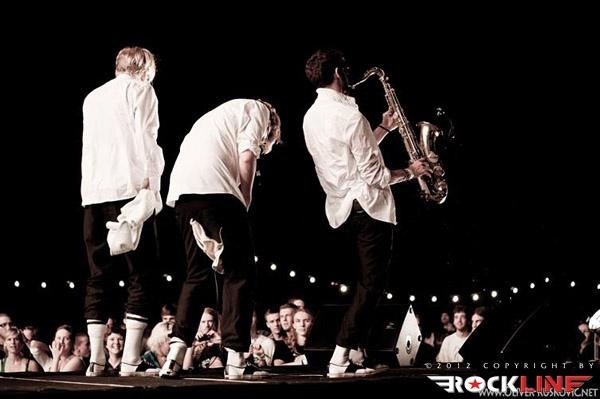
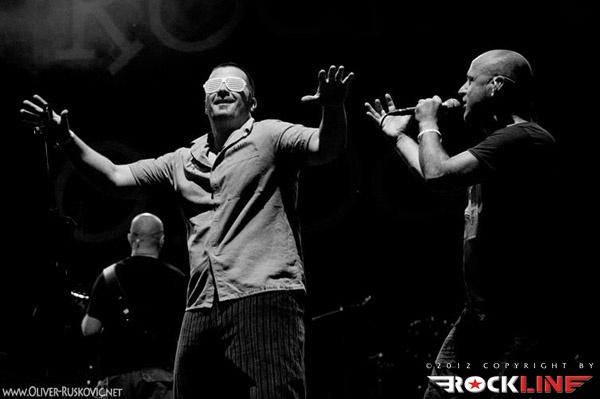
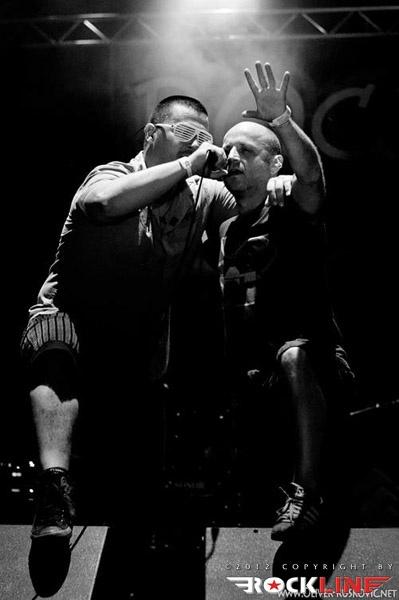
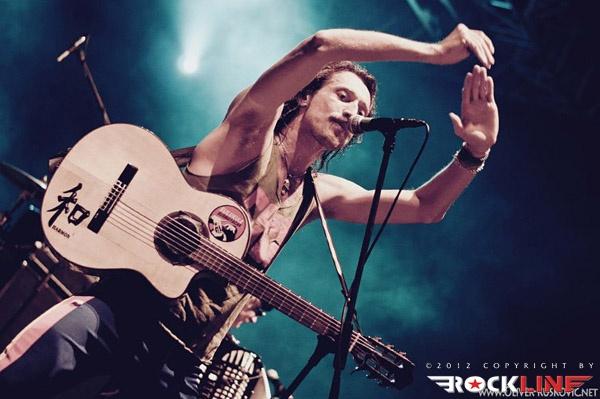
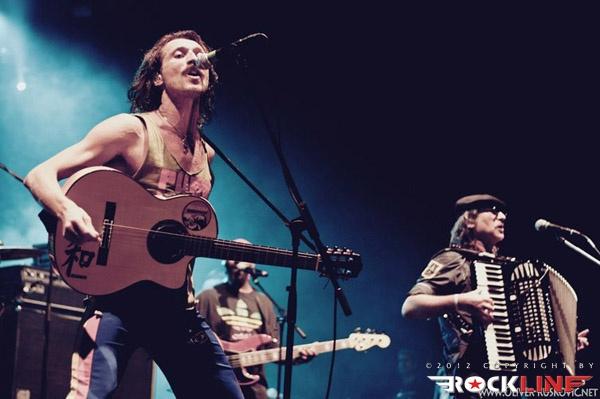
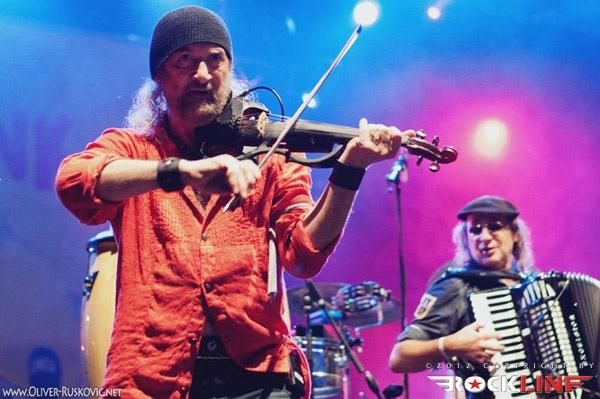
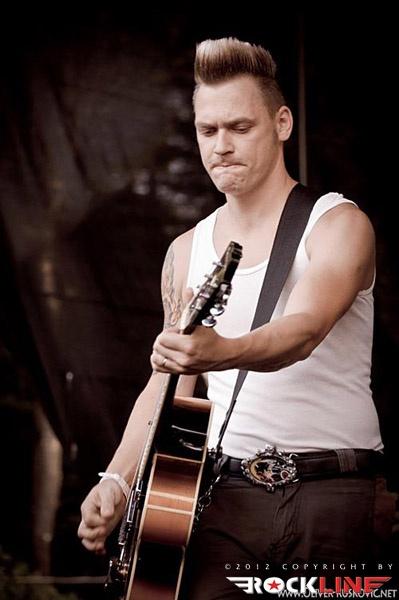
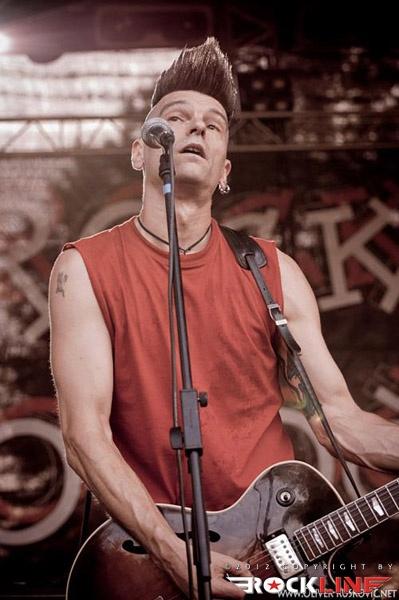
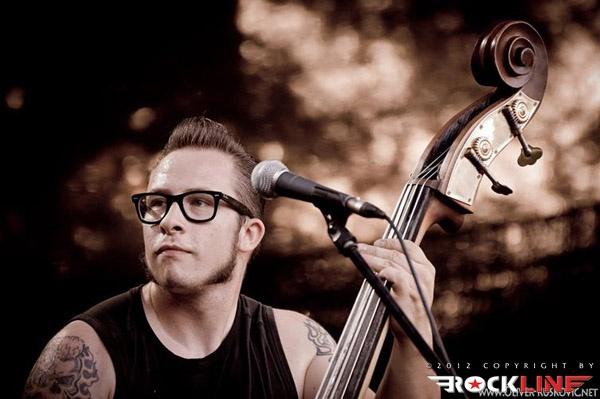
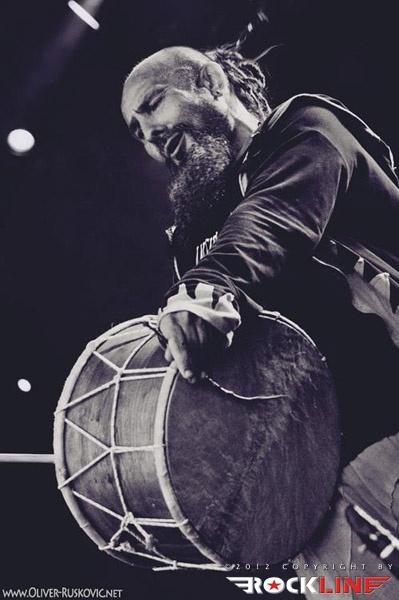
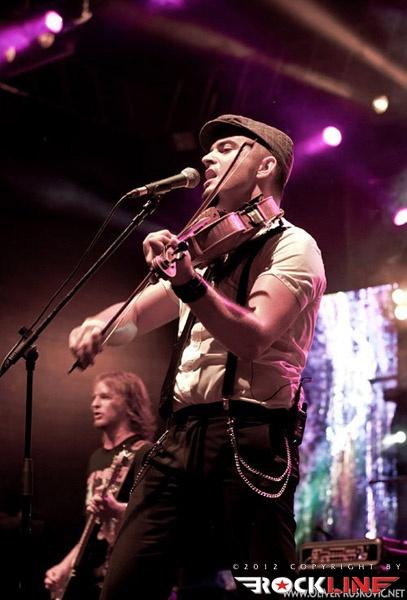
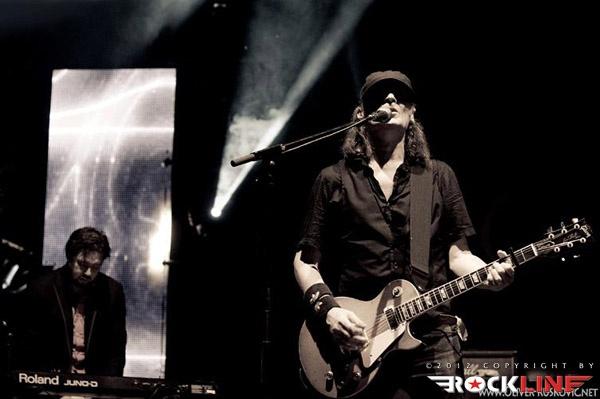
Thursday arrived, and with it a larger crowd from all over Slovenia, even though the festival grounds still looked half empty compared to three or four years ago. The concert program on the main stage was opened at half past six in the evening by the Mozirje rockers Up N’ Downs, followed by the Styrian funksters Soundtopia, before the stage passed to the Ljubljana garage-rock outfit Dandelion Children. Despite a shaky start, with frontman Jure tumbling across the stage after tripping over a cable, the band proved to be an artistically mature collective with a completely original character, and Jure and Anže added extra dimensions to the set by constantly swapping between guitar and bass. Even though the space in front of the stage was almost empty, the opening three bands each successfully presented their own vision of rock’n’roll. Next up were Manouche, who try to present retro musical directions in a modern way, but without a genuine organic sound they have a hard time winning over their target audience. Following current music trends continued with the set by Sweden’s Movits!, who mix various genres in their own style and want to please the widest possible range of listeners. Johan Rensfeldt enriched the bouncy swing rhythms with hip-hop bits, and the most interesting thing was their unusual musical backbone, made up mostly of just saxophone and keyboards. After them, Hladno Pivo returned to the Rock Otočec stage, the Croatian punk champions and probably the biggest rock band from the former Yugoslavia to find fame after its breakup. Despite a solid set driven by classics like Pjevajte nešto ljubavno, Ne volim te and Nije sve tako sivo, I admit I’ve seen the Croats in better shape in the past. At half past midnight it was time for the festival’s headliners, the eight-piece American collective Gogol Bordello. The large lineup, led by the theatrical frontman Eugene Hütz, proved to be an inexhaustible source of energy, and their onstage antics fit nicely with their bouncy gypsy punk, which was the first thing that evening to wake up the far-too-sleepy crowd.
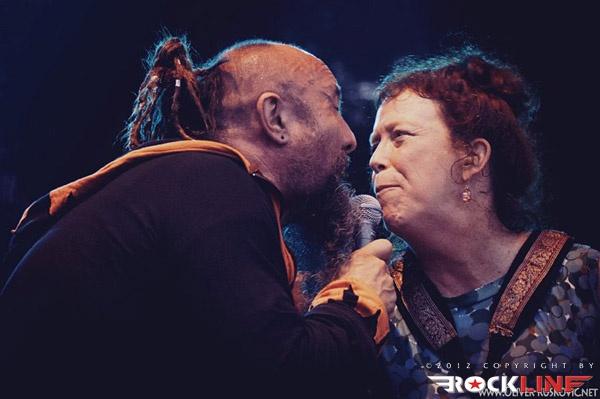
On Friday we woke up to a hot morning and killed the time until the evening’s music by hanging out at the small stage on the island in the Krka river, linked to the festival grounds by two bridges. Morning workouts, stand-up, prize games and improleptics carried us through the afternoon to the set by Džem and then the Krško rockers Momento. The rockabilly bouncers Eightbomb lured more people in front of the stage than their predecessors, before the promising local rockers Crossfire took the stage in the melancholic rock style typical of Dolenjska. Kultur Shock, old acquaintances of Slovenian stages, continued stylistically close to the sound of Gogol Bordello, only with a stronger dose of ethnic music from different corners of the world. As frontman Srđan Jevđević said during the set, their music is an extreme mix of the music of all nations. Next in the line of foreign guests at the festival were New Young Pony Club with their electronic blend of new wave and post-punk, but given all the heavy advertising, we still expected more from them. The role of the evening’s headliners went to the Rogatec boys Mi2, a fixture of Slovenian rock over the last decade. Mi2 are marked by exceptional tightness and the crowd-leading skills of frontman Tone Kregar, who, riding the catchy radio hits of songs like Sv. Margareta, Pa si šla and Toplice, had no trouble squeezing a heaping dose of kinetic energy out of the crowd. Last of all, just like in 2005 after Siddharta, came Orleki, who raised a toast with Vinska trta, looked around Tri doline, climbed Kum and successfully delivered, in a live version too, the rearranged takes on their biggest hits that have lived on in a stylistically richer form since the recent release of the album “Repete”.
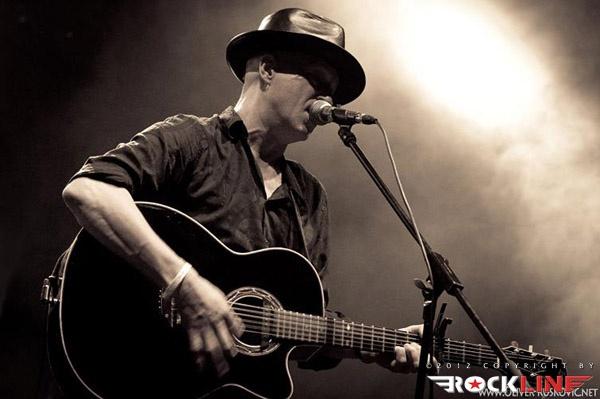
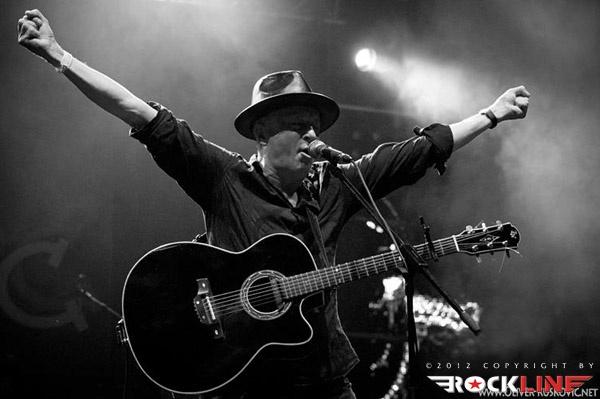
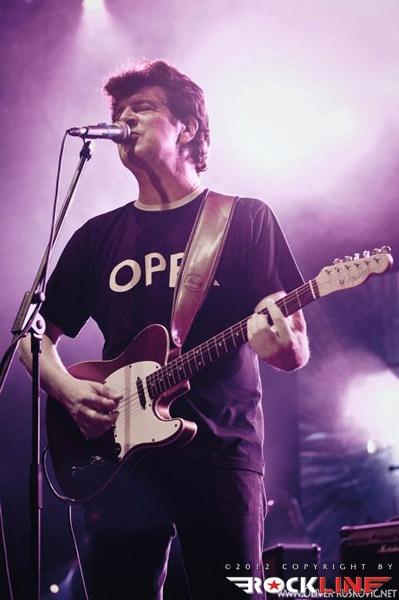
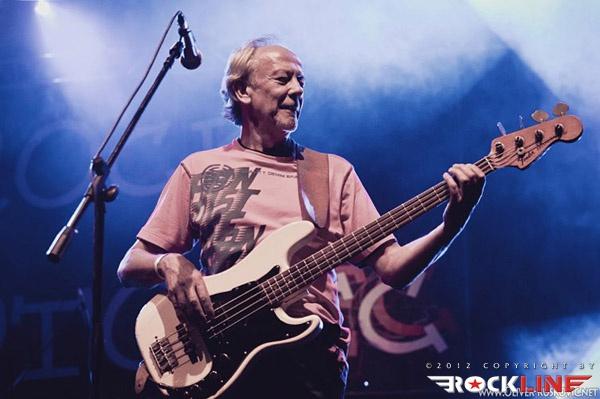
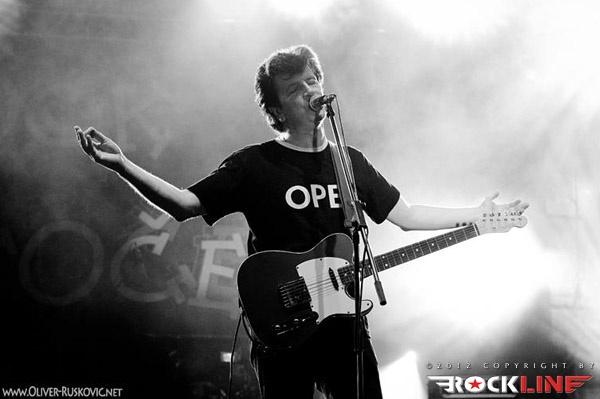
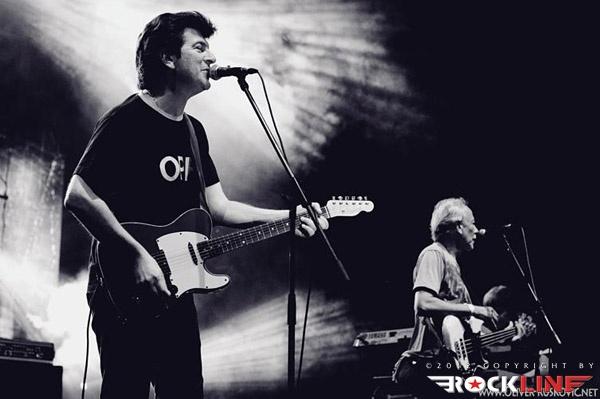
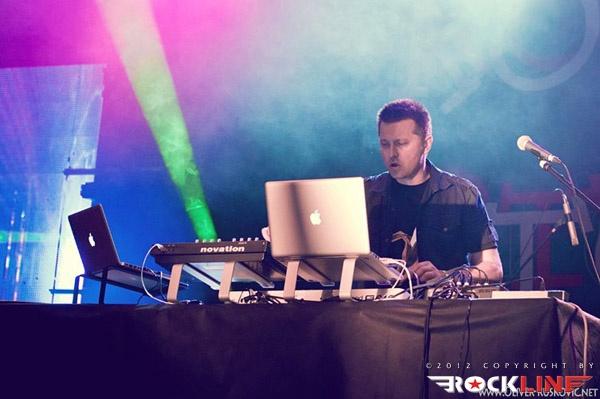
Saturday pushed the mercury a notch or two higher, and the daytime temperature at Otočec reportedly climbed all the way to 36 degrees Celsius. Some cooled off in the Krka, others in the mud, and still others stuck to more traditional cooling methods: beer. The quantitatively richest program of the festival was kicked off at half past five by the winners of the Croatian qualifier for a slot at Otočec, Pištolj na gumene metke, followed by D8 Dimension, while one of the festival’s nicest surprises came from El Kachon, who had also squeezed through the eye of the needle of the qualifiers to get there. El Kachon bank on a classic-rock confession of pure blues romance and the sonic curtain of a Hammond, so if they keep grafting hard, we’ll be hearing more of them in the future. A real onslaught of punk aggression went by the name Deafness By Noise, before the Italians Passogigante entertained the already slightly tipsy heads with their ska idiom of hollow content in the evening hours. A fresh pleasant treat for the ears of old rocker souls arrived with Danilo Kocjančič and friends, who in a half-hour odyssey strolled through Danilo’s folk-ified hits Tina ne verjame, Anita ni nikoli and Poišči me, and who also received special thanks for his merits from the Minister of Education and Culture Žiga Türk. Though noticeably short on rehearsal, the boldly out-of-tune old-timers were an interesting change of pace in a program mostly tailored to a young crowd. As expected, the grounds filled up again during the set by the Styrian Celtic-flavored rabble-rousers Happy Ol’WcWeasel. Their merrymaking punk with a dash of Irish folk elements and polka rhythms was, according to the youngsters, one of the festival’s highlights, while a deeper touch of musical feeling was provided by Vlado Kreslin with Mali Bogovi. The Prekmurje native played his nostalgic songs about his beloved region, with the album “Cesta” still deeply rooted in his repertoire, on routine autopilot and again met with a warm reception that made it clear he’s at home everywhere in Slovenia. Next came a jump into the heart of Belgrade with Bajaga i Instruktori, one of the most popular pop-rock acts of the wider region in recent decades. His set drew in slightly older visitors, and Bajaga presented a pleasing combination of old hits and brand-new songs from the album “Daljina, dim i prašina”. The main festival stage was closed with a long set by the Macedonian electronic musician Kiril Džajkovski. At first glance a stylistically odd choice for a rock festival, but the smiles on the faces of those gathered suggested it wasn’t such a bad one after all.
And so the music part of the five-day Otočec came to an end. With its music and side entertainment the festival satisfied mostly undemanding visitors, but the worrying part is that their numbers stagnate from year to year. The people in charge will need to find an answer to why that is, and fast, because a shrinking crowd will in the long run leave them unable to pay all the bills, and a project as organizationally demanding as Rock Otočec certainly racks up quite a few.
First in line for a refresh is probably the lineup of names. If Slovenian festivals are already two steps behind those abroad, maybe it’s precisely Rock Otočec that holds the responsibility to take a step forward in the future and at least get close to what promoters in neighboring countries manage to put together. Of course, there’s nothing wrong with the bunch of young, unestablished bands who usually earn their Otočec slot with calloused hands; it seems innovation is lacking in the choice of mid-sized and big names. After all, you have to cater to every taste, old and young, party-minded and more serious.. Anyway, with the 2012 project successfully wrapped up, all I can say is: good luck putting together Rock Otočec 2013!
author: Urban Bolta
photos: Oliver Rušković / Rock Otočec 2012 archive