Friday morning at Sátan offered one of the more interesting talks, delivered by the collective Nornabrunnur (Giorgia Sottotetti and Kári Pálsson, also a member of the local black/viking metal act Fortið), which organizes events on Icelandic myths and legends and publishes books on the subject. Both Giorgia and Kári hold master’s degrees in Old Norse studies and religions, and this time they presented a recently discovered book of spells called Hexekver, written in 1859 by Icelandic farmer Þorsteinn Guðmunsson. The original booklet — roughly the size of a pack of playing cards — was also on display. In the video below you can hear, in the original Icelandic and English translation, what a spell against a thief sounds like; Giorgia and Kári also covered spells against arctic foxes that were stealing livestock from farmers, all the way through to spells for penis growth (a sort of Viking Viagra, then).
There was also a guitar clinic with Haukur from Múr (more on them shortly, as they played that same day), and an interesting panel about how the Icelandic landscape influences music, featuring Josh Rood (Nexion), Viktor (Forsmán), and composer Gísli Gunnarsson (known, among other things, for his work with Alcest). The Icelandic landscape had a very direct and brutal impact on the latter: he had been living in the small town of Grindavik, whose residents were evacuated due to the volcanic eruptions that have been striking the Reykjanes Peninsula since 2021, and most have still not returned. The day’s final panel was on merchandise, and as a representative of Tolminator I got to throw in my own two cents on the topic.
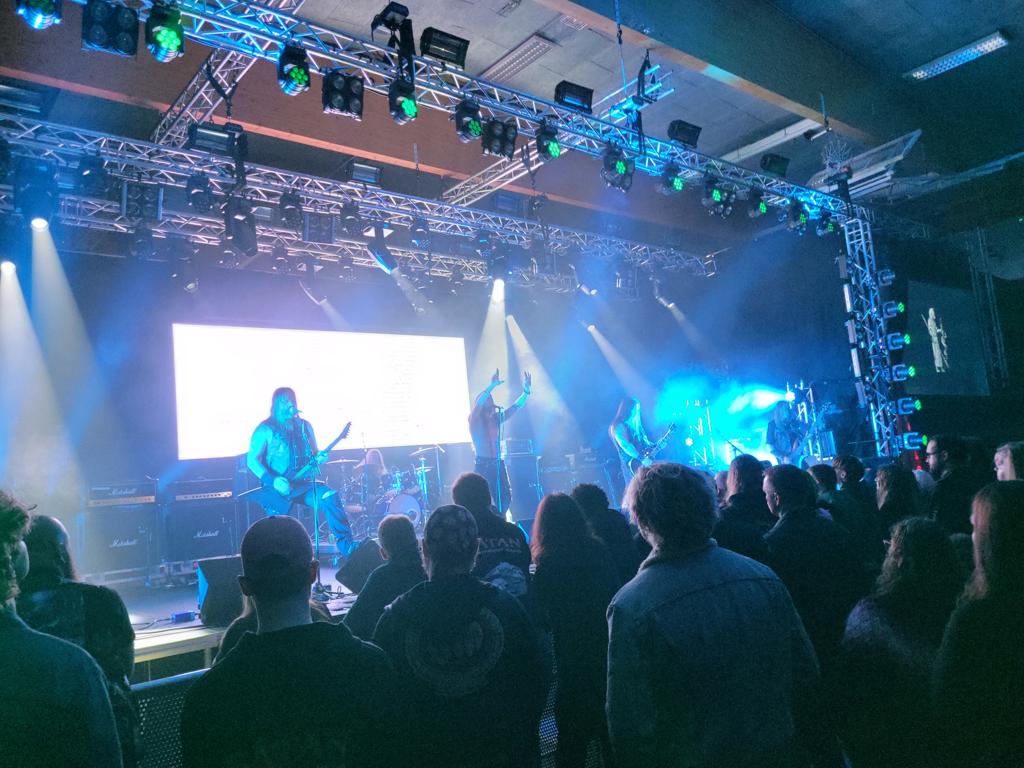
Musically, day two kicked off with Barnaveiki from Reykjavik — the side project of Gústaf Evensen (bass) and Magnús Skúlason (drums) from Misthyrming. Live, they’re joined on guitars by their bandmates from the main band, Dagur and Tómas. While Gústaf handles powerful backing vocals in Misthyrming alongside playing bass, in Barnaveiki he steps into the spotlight with lead vocals that are far more brutal and guttural. Barnaveiki play primitive, filthy death metal, stylistically close to Finnish death metal. There are no pretty melodies here — just rage and fury, sonic and vocal, rising from the deepest Icelandic caves. Despite some rough sound and technical hiccups, a great start to day two!
Day two of Sátan was almost entirely painted in Icelandic colors, with just two foreign acts on the bill — and fittingly, the next band on stage had stepped in to replace the sadly cancelled Faroese neighbors Hamferð. Also flying the home flag were stoner/sludge metallers Sleeping Giant, who this year released their debut studio album The Beauty of Obliteration, which they played (if I’m not mistaken) in its entirety. The Beauty of Obliteration is short and sweet, running just over half an hour, and Sleeping Giant were exactly that. Guitar riffs from no fewer than three guitarists sounded massive, rolling along as slowly as Icelandic glaciers. Even though Sleeping Giant are billed as a stoner/sludge band, they can also properly kick things up a gear — and when they do, they edge close to the death ‘n’ roll of later-era Entombed. The best example was the gnarliest track on the record, the sub-three-minute Venom Ripper, Gorgon Blaster. Good fun.
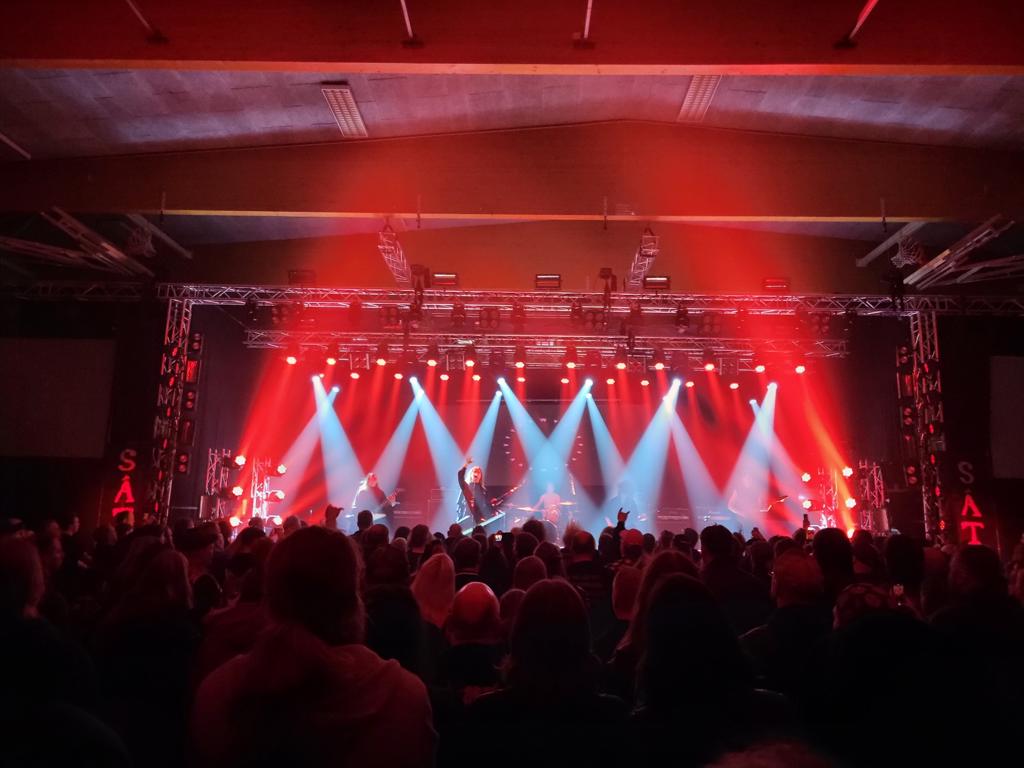
Those first two bands were solid proof that the Icelandic metal scene isn’t just about black metal — though, hand on heart, that is where it leads, having earned a status comparable to Swedish death metal thanks to consistently high quality and a sound all its own. One of the crown jewels of Icelandic black metal is Nexion, who last year released their second studio album Sundrung — my album of 2025, no contest. Nexion’s black metal is genre-fluid (the death metal influences are particularly audible), packed with excellent riffs that burrow deep into your ear canal and stay there, but above all it’s elevated by the outstanding, varied, and quite unique vocal performance of Josh Rood. He doesn’t just bark out the lyrics raw — he showcases a genuinely wide vocal range, from death metal growls (at times reminiscent of Ulcerate) through spoken word, clean vocals, and even throat singing, which live came across as absolutely outstanding and pushes Nexion close to a ritual experience, especially when guitarist Óskar adds his backing vocals. Together with Jóhannes, through varied and deft dual tremolo riffing and solos, he proved that Nexion are a genuine guitar beast — and the band at Sátan, with tracks like Gandr, Hymn of the Valkyrjur, and Rending the Black Earth, sounded massive, mighty, and
Gavin Portland were yet another testament to the diversity of the Icelandic music scene — they’re cult local punks/hardcore veterans who’ve been around for over twenty years. I knew nothing about them going into Sátan, but they won me over live with short, fast, hard-hitting tracks driven by the apocalyptic screams of vocalist Kolli. From what I could gather, this was their comeback show, having been inactive for quite some time — their last record, IV – Hand in Hand With Traitors, Back to Back With Whores, came out way back in 2010. I’d recommend Gavin Portland without hesitation to any proper HC fan.
French Necrowretch put a slight dent in the upward curve. While their latest record Swords of Dajjal is a pretty solid slab of classic black/death metal, they didn’t quite deliver live. The whole thing sounded fairly monotonous and repetitive toward the end. Nothing actually went wrong — the French lads did what’s expected of a band at their level — but it was far from a show for the history books.
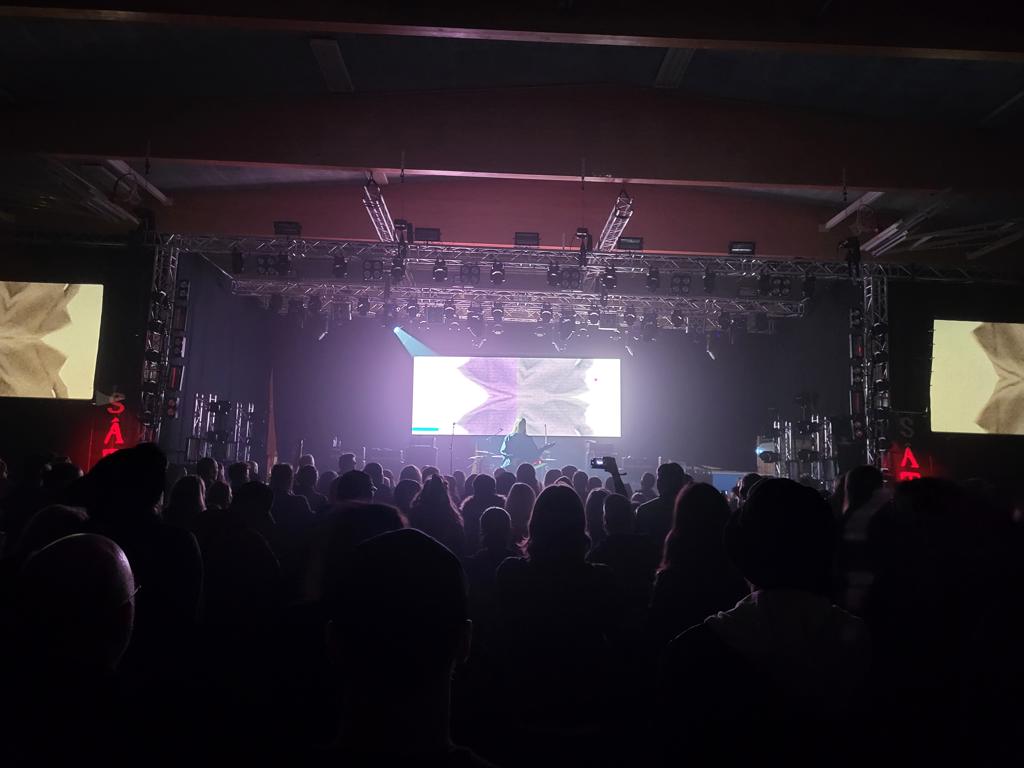
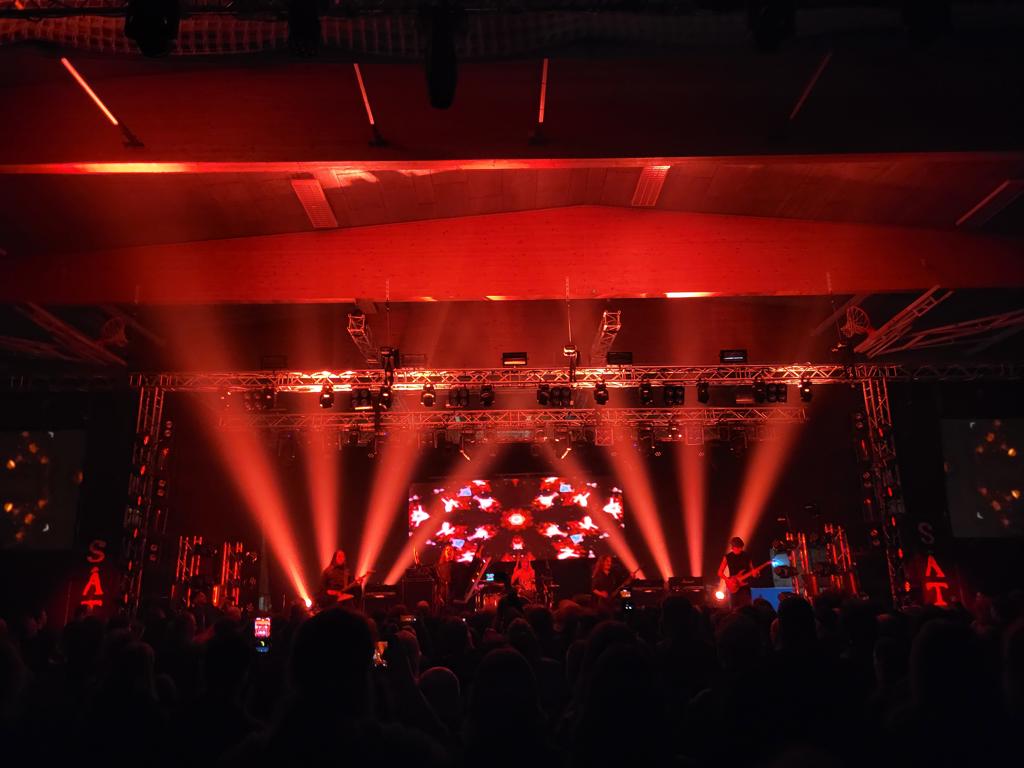
The old saying about not judging a book by its cover applies perfectly to Múr, one of the great hopes of Icelandic metal; take one look at the cover of their self-titled debut and you might quickly conclude you’re in for some indie rock. Not a chance — Múr distil the best parts of bands like Gojira, The Ocean, Devin Townsend, Meshuggah, and Opeth, yet bring such a unique approach to it all that you’d have to search for those influences like a needle in a haystack. Given the exceptional quality of their debut, I was already expecting a lot from these guys live, but they blew me away from the very first moments of the set, when a darkened stage had only vocalist Kári Haraldsson standing at its center under the glow of a single white light, playing a long, atmospheric intro on the “keytar” (normally the sight of a keytar in a band makes me shudder, but trust me — in Múr it works absolutely perfectly), which felt simultaneously beautiful and ominous. The rest of the band then joined Kári in matching black tunics (the drummer alone was going shirtless, pounding away like an animal) and delivered an astonishing, effective, and meticulously rehearsed — yet never for a moment artificial — performance. At the center of it all was Kári’s incredible voice, which can drop into a proper growl but more often stretches individual verses to operatic lengths with his beautifully clean tone; his long-haired, gesturing stage presence makes him look like the leader of some cult. None of the band members are even 30 yet, but they command the stage to perfection — instrumentally they were top-tier (Haukur’s flawless soloing deserves a special mention), and musically they sound so mature you’d never guess this is only their first album. The cherry on top were the psychedelic projections and effective lighting that rounded off a set from Múr that was arguably the best of Sátan 2026. With a bit of luck and the right moves, Múr could be the next big thing in metal, and I can only strongly recommend you catch them this autumn on their tour with Oranssi Pazuzu (the nearest stop for us is October 31st in Vienna).
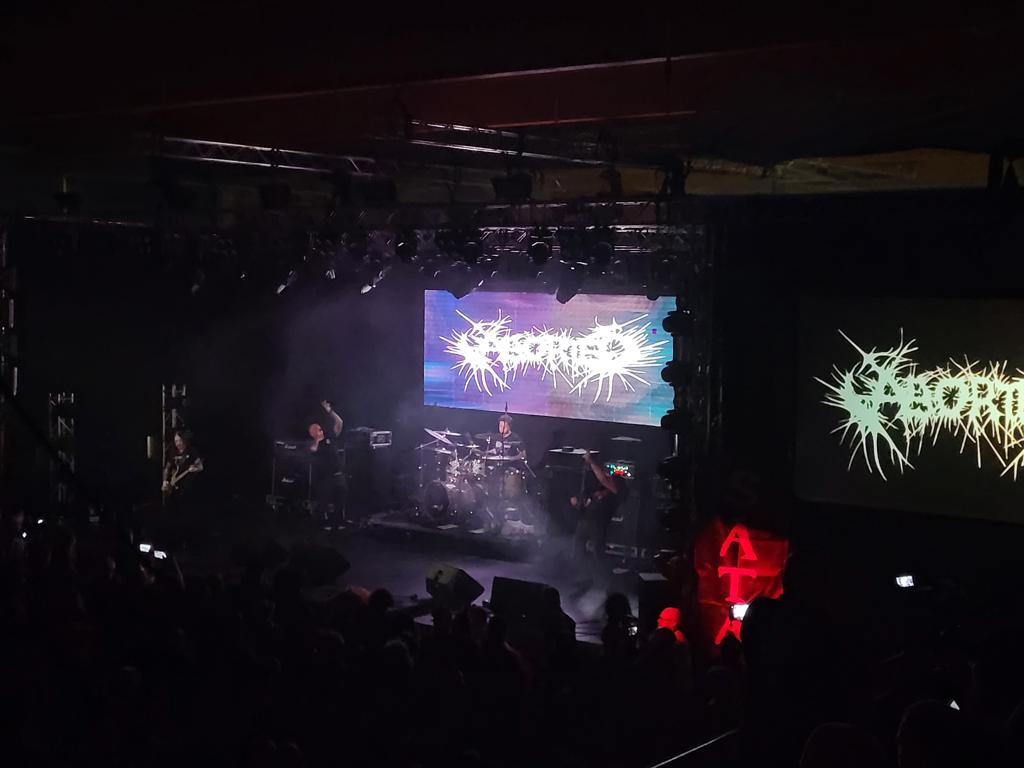
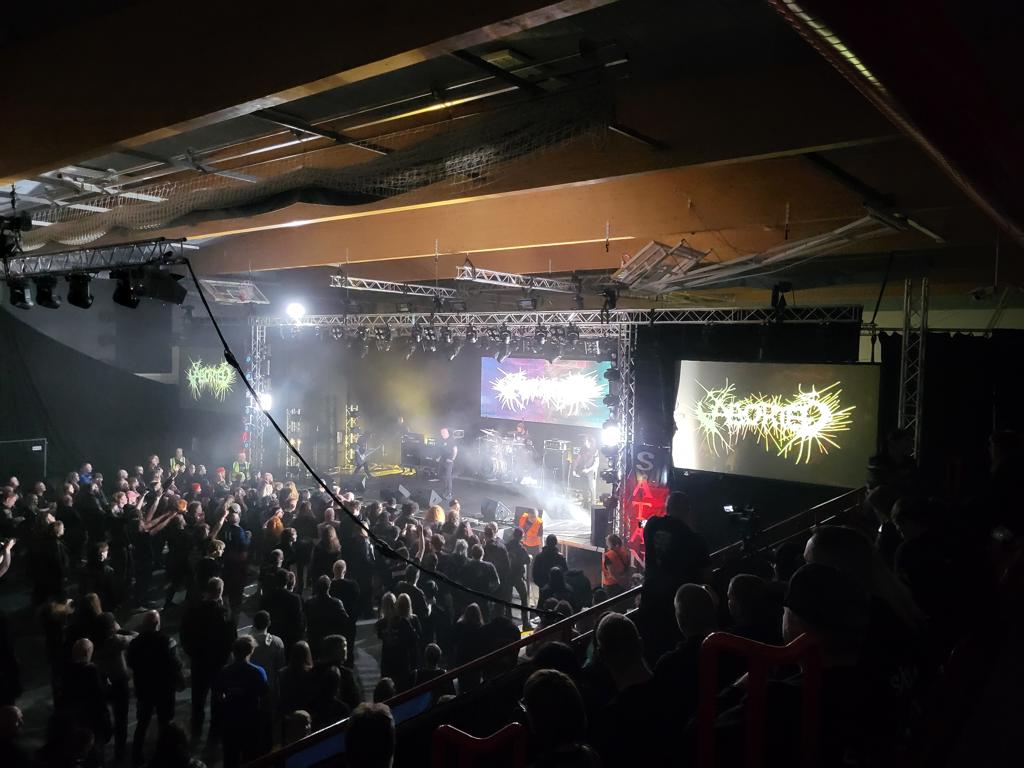
With Belgian (or rather, these days more accurately international) veterans Aborted, you know exactly what you’re getting — and at Sátan they delivered no more and no less than that. Their appearance at an Icelandic festival isn’t all that surprising, since for several years now they’ve had an Icelander in the lineup — guitarist Daníel Máni Konráðsson (Ophidian I, Une Misère). Aborted are a seasoned band with serious mileage, and it shows onstage: they’re tight to perfection and everything runs like clockwork (Sven’s terrible jokes included). A set as it should be — and a deep bow to Sven for driving this band forward relentlessly and without pause, as the only remaining founding member, since 1995!
The honor of closing day two went to local act Sign, considered one of Iceland’s bigger rock bands (a sort of Icelandic Siddharta), whose founder Ragnar Zoltan is known beyond Iceland’s borders, having spent several years playing with Swedish prog rockers Pain of Salvation.