Label: Island Records
Release date: October 4, 1968
Production: Terry Ellis and Jethro Tull
Album length: 38.21 min
Genre: Folk Rock / Blues Rock / Jazz
Rating: 7.5/10
“This Was” is the very first album by the legendary Jethro Tull. Back then, as singer, flutist and bandleader Ian Anderson stressed more than once, Jethro Tull were “a small blues band”. But an incredibly talented blues band, one that clearly had a taste for experimenting with folk rock, touches of jazz and classical music. “This Was” came out at a time when British “white” blues was at its peak, while progressive rock was still in its embryonic stage. Jethro Tull were still searching for their true musical direction, and most of the musical ideas revolved around two musicians who were fighting for the role of band leader. Their visions for the band’s future had already started to drift far apart before this album even came out. While guitarist Mick Abrahams was a sworn bluesman who wouldn’t budge an inch from the genre, singer and flutist Ian Anderson was determined that the band had far greater potential in it than your average little blues outfit. As an excellent flutist and lover of folklore, he was especially drawn to traditional British folk elements. Ian picked the album’s title precisely because he knew the band’s style at the time was only a passing phase and that their musical journey would take them down completely new roads, well beyond the boundaries of the blues. The band’s management at the time, who smelled big commercial potential in the blues version of the band, even pushed for Abrahams to take over the vocals, while Anderson would drop not only the singing but also the flute (and with it all the complex elements that set them apart from other blues bands) and be reduced to a mere rhythm guitarist. Luckily, Anderson’s immensely strong personality, loaded with charisma, was decisive in making Jethro Tull the band we know today. The band couldn’t have two bosses, so Abrahams left and started his own blues band, Blodwyn Pig, while Anderson became the central musician and the soul of the band. His flute playing, his singing, his colorful stage performances, his rants, his wild flute dancing and his stage image as a “beggar” in a patched-up coat wrote the band into immortality. The beginnings of the band were written in experimental blues, where we can already admire and feel the talent of the individual musicians, Anderson above all.
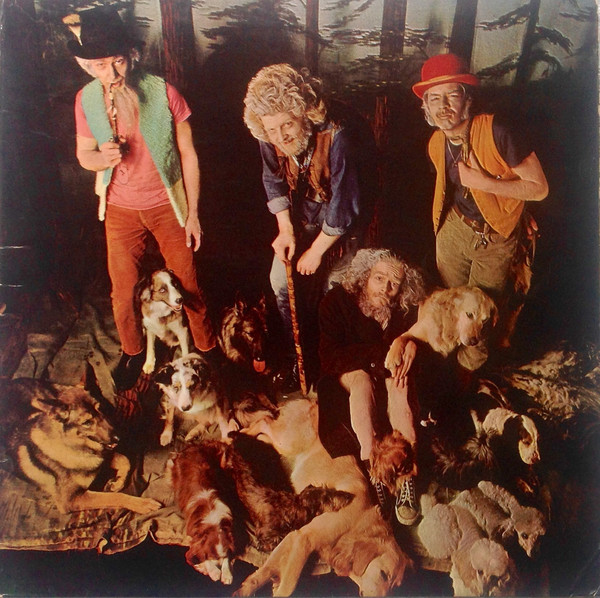
Despite its “prehistoric” nature, “My Sunday Feeling” is one of the few tracks from the album that has survived on their live setlists to this day, and they often like to open their shows with it. At its core it’s a lively blues rocker, where you can instantly pick up Anderson’s unique vocals, his tasteful flute solos, Abrahams’ artful bluesy licks on guitar and the solid rhythm section of Clive Bunker on drums and Glenn Cornick on bass. Never mind that it reflects a side of the band we no longer know. That Abrahams was a bluesman heart and soul who wouldn’t budge an inch from it comes through most of all on “Some Day the Sun Won’t Shine For You”, where his backing vocals blend perfectly with Anderson’s. This traditional blues number shows they had everything it takes to be a great blues band. Ian’s harmonica even gives it a slight country flavor. “Beggar’s Farm”, which opens with Anderson’s playful flute, is one of the best compositions on the album, with fantastic flute solos from Ian weaving around Abrahams’ inventive riff and a colorful rhythm. The mood of it is even a bit creepy in places. And that makes it easy to see where the witty album cover comes from, showing the band members dressed up as old farmers surrounded by dogs. The band’s association with beggar and farmer themes (the members’ looks did their part too, especially Anderson, who over the years earned the nickname “tramp”) became their trademark over time. “Move On Alone” is another traditional blues number, but it also has some jazz elements, mostly thanks to the arrangements by special guest, composer and keyboardist David Palmer, and it’s totally unique for the band. “Serenade To a Cuckoo”, with its many folk elements on flute, reflects the band’s later direction far more, and it’s reportedly also the first composition where Anderson learned to play the flute. At the same time, with its rhythm section it’s probably the most jazzy track they ever made. “Dharma For One” is dominated by the colorful psychedelic solos of drummer Clive Bunker, which never get boring, mostly thanks to Cornick’s bass and Abrahams’ riffs. “It’s Breaking Me Up” is pure British blues, with that authentic “sleepy” blues rhythm that was massively popular at the time. It’s downright fun to hear Anderson as a traditional blues singer today. Abrahams gets to let loose again on his guitar here with proper blues solos. A completely atypical Tull composition, but that’s exactly what makes it interesting. “Cat’s Squirrel” is a traditional blues number that mainly serves to show off Abrahams’ outstanding talent, and he serves up his best solos on the album here. Without a doubt he was one of the best blues guitarists of his day. “A Song For Jeffrey” is probably the best-known and most popular track on the album. It has the most commercial undertone of all the songs here, it’s packed with both blues and folk rock elements, and of everything on the album it most authentically points to where the band would head after Abrahams’ departure. It has a humorous undertone, mostly thanks to Anderson’s “through the nose” singing, which simply makes you laugh. His flute solos once again speak for themselves. Even though he improved a lot over the years, he already showed back then that he was the most impressive flutist among rock musicians. Incidentally, “A Song For Jeffrey” is the first of three songs by the band dedicated to Jeffrey Hammond, Anderson’s friend and future Tull bassist. “Round” is a one-minute closer on Ian’s flute.
The reissue includes three interesting bonus tracks. First is “One For John Gee”, an interesting jazz improvisation dedicated to the band’s manager at the time. The folk-leaning “Love Story” is the last Tull song Abrahams played on, which makes it especially interesting for fans of the band. And “Christmas Song” is a traditional folk number and the first of the Christmas folk songs that became hugely popular within the band over the years.
Even though “This Was” is a kind of anomaly in their catalog today, it presents Jethro Tull as one of the most creative blues bands of the era, when blues and psychedelic rock were fighting for supremacy in rock music. As mentioned, after Abrahams left the band turned toward folk rock, became one of the most important and most beloved progressive rock bands of the 70s, and left almost every trace of blues behind for good. Even though Jethro Tull only showed their true musical direction and full potential on later albums, “This Was” is a thoroughly likable “progressive blues” record that shines above all in its remarkable originality. That way it’s not just a one-of-a-kind oddity in the band’s catalog but in (blues) rock music in general.
Author: Peter Podbrežnik
Track list:
1. My Sunday Feeling (3:42)
2. Some Day The Sun Won’t Shine For You (2:49)
3. Beggar’s Farm (4:20)
4. Move On Alone (1:59)
5. Serenade To A Cuckoo (6:11)
6. Dharma For One (4:16)
7. It’s Breaking Me Up (5:05)
8. Cat’s Squirrel (5:44)
9. A Song For Jeffrey (3:23)
10. Round (0:49)
Bonus tracks on the reissue:
11. One For John Gee (2:06)
12. Love Story (3:06)
13. Christmas Song (3:06)
Lineup:
Ian Anderson – vocals, flute, harmonica, claghorn, piano
Mick Abrahams – guitar, 9-string guitar, backing vocals
Glenn Cornick – bass guitar
Clive Bunker – drums
Guest musician:
David Palmer – brass arrangement and conducting on “Move On Alone”