Label: EMI Records
Release date: October 31, 1971
Produced by: Pink Floyd
Album length: 46.48 min
Genre: Progressive Rock/Art Rock
Rating: 9.0/10
Steeped in esoteric atmosphere, “Meddle” may well be the most important album in the history of the legendary progressive rock innovators Pink Floyd. It’s where they nailed down the final definition of their signature sound, the one that soon brought them worldwide fame and catapulted them among the greatest rock bands of all time for good. On “Meddle” the band stopped the endless search for a lasting sonic identity and the big avant-garde experiments, and above all made a clean break from the early psychedelic rock sound and the legacy of their founder and fallen genius Syd Barrett. “Meddle” is best known and most loved for its 20-plus-minute closing super-epic “Echoes”, the centerpiece of the album and, for many, the creative peak of their entire catalog. It’s without a doubt one of the most magnificent pieces in the history of progressive rock, and even decades later it still sends shivers down your spine with its incredible magic and dramatic structure. But don’t overlook most of the other, largely acoustic-leaning tracks on the album either. Some of them rank among the most beautiful and most esoteric pieces in the band’s history, and they were key to shaping the later, more popular classics. “Meddle” was the first Pink Floyd album that (via “Echoes”) introduced the idea of a central sonic theme you can keep coming back to again and again.
It was also the moment when the different musical styles of the individual members, led by guitarist/vocalist David Gilmour, bassist/vocalist Roger Waters and keyboardist/occasional vocalist Rick Wright (drummer Nick Mason’s contribution to the songwriting was minimal, as usual), came together in that ideal harmony that carried them into their golden creative era and shook off all the atonal obscurities of the early years. After “Meddle” their sound got far more refined and clean, with plenty of hypnotic, often melancholic and esoteric waves of sound. At the same time it became much more accessible to a wider audience than it had been in the ’60s. The best songs became soaked in Waters’ philosophical, often sarcastic and socially critical lyrics and his trademark melodic bass lines, Gilmour’s unique, blues-leaning and often remarkably sophisticated guitar playing, and Wright’s light, airy keyboard melodies. By then Gilmour had become the band’s main vocalist, and his soulful vocal delivery was often the key to their deepest material. The use of special sound effects also got far more sophisticated and was pushed much further into the background, behind the main instruments, than before.
The biggest strength of “Meddle” is that the album is packed with all kinds of different moods that can easily carry the listener off on a special spiritual journey, if you give yourself over to it enough while listening. The album opens with the dramatic, esoteric instrumental wrecking ball “One Of These Days”, which kicks off with the sound of rushing winds. Eventually a pulsating, repeating bass line comes in, played together by both Waters and Gilmour. Esoteric keyboard passages keep swirling around it the whole time. After a rhythmic build-up of mounting drama, Gilmour’s distorted guitar riff crashes in, followed by plenty of tasteful slide guitar passages. The instrumental is briefly cut through by a line run through effects, “One of these days I’m gonna cut you into little pieces”, delivered by Mason. The dramatic mood of this evergreen instrumental treat doesn’t let up until the very end, which makes it one of the most thrilling pieces of their career. After the opening drama, which comes straight out of that wind effect, comes the calm, melancholic acoustic folk ballad “A Pillow Of Winds”. It’s one of Gilmour’s most pleasant and relaxing folk ballads and one of the few love ballads in their history. Dave’s guitar and vocal talent shine at full power here through his sophisticated coaxing of melancholic passages out of the acoustic and slide guitars, especially in the slightly darker middle section. The sound of Wright’s organ also lends the track a touch of mystery. “Fearless” is likewise built on a slow tempo and extensive use of a melancholic acoustic sound. Energetic, witty acoustic guitar chords and a gentle piano melody are accompanied by Gilmour’s dreamy vocals. This simple but excellent acoustic number, which enjoys cult status among the band’s followers today, is also famous for the closing recording of the famous English football club Liverpool’s fans chanting.
“San Tropez”, another acoustic-leaning and thoroughly pleasant little tune, was a very interesting and atypical experiment in combining elements of jazz and pop. The track is steeped in a jazzy rhythm and an almost tropical vibe, with acoustic guitar as the main backing. Besides Waters’ romantic vocals, there’s no shortage of a tasteful Gilmour slide guitar solo and an equally witty closing piano solo from Wright. With its romantic mood you can easily drift off in your head to the sun-drenched beaches of the posh French resort of Saint-Tropez, which is what the lyrics are about. The album’s one obscure but also funny moment is “Seamus”, a short, quirky blues experiment with Gilmour’s howling dog Seamus at the microphone, who contributed the lead “vocals” to this strange Gilmour whim. Besides Gilmour’s vocals, bluesy guitar and harmonica, and Wright’s piano, the track is accompanied by Seamus’ mournful barking. Even though, thanks to its absurdity, this avant-garde blues piece is quite out of context with the rest of the album and plenty of people can’t stand it for that reason, in the right mood it sounds fun and witty. At the same time it completely calms the album down and gets the listener ready for the closing magnum opus, the “culprit” that puts “Meddle” among the best releases in the band’s history.
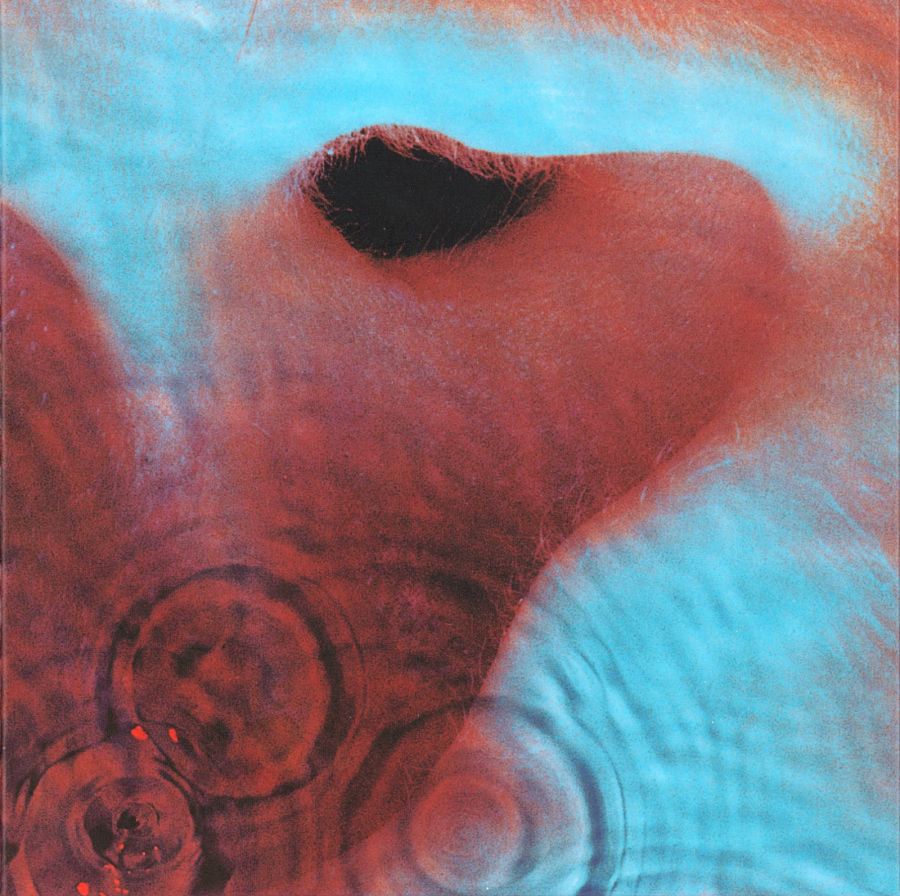
For the grand finale comes the fairy tale mentioned earlier, the 20-plus-minute super-epic “Echoes”, one of the top candidates for the best work in the band’s history and that moment of big esoteric triumph on the album, when the talents of the individual members, and above all the harmony between them, really come into their own. “Echoes” is soaked in an incredible esoteric (you could also say space rock) atmosphere that shifts from moment to moment, through plenty of alternating longer instrumental sections and dramatic ambient effects. The combination of all this leads the epic toward a dreamlike ending, mostly thanks to Gilmour’s incredible guitar work, which sets the stage for that magnificent triumph that rightfully put Pink Floyd among the greatest bands in the story of rock. This turbulent, multilayered ambient fairy tale opens in a ridiculously simple way, with a steady pounding of a single-note effect on Wright’s piano that sounds like a lost probe in the sea echoing short, broken signals. The overall mood of the composition pulls the listener somewhere deep into the ocean, where different colors and beauties of sea life flow past before their eyes (the lyrics and the album cover fit this perfectly). Wright keeps building the atmosphere bit by bit with plenty of piano improvisations. Then Gilmour’s exquisitely refined guitar solo kicks in. Gradually a pulsating rhythm line and the sound of organs join in too. The opening vocal melody, after some juicy guitar riffs, is sung together by Gilmour and Wiright. This is followed by a distinctive “spacey” Gilmour guitar solo that sets the stage for the composition’s first transition, where an energetic rhythm line comes crashing in. At this point the track gets an almost funky groove and ushers in a longer instrumental section, trading witty passages on organ and guitar. Suddenly a dramatic section bursts in with plenty of echoing “wind” effects. Some of them even recall the calls of a whale. In time these sounds fade in favor of an effect that resembles the cawing of ravens. After that the opening sonar effect returns, and here Wright, through the organ, slowly starts weaving the dramatic atmosphere again, building like a volcano coming back to life. This is followed by the setup for the best moment of the composition, where Gilmour’s distorted riffing joins the spacey organ sound and the sonar effect, relentlessly driving the piece to its boiling point and a dramatic turn. Then comes the dreamy, triumphant transition, trading melodic guitar fragments and pulsating riffing. When the vocal section returns with Gilmour’s melancholic singing, the magic moment arrives and the goosebumps start crawling all over the listener’s body. Unlike in the opening vocal section, here mighty guitar riffs alternate in between. After the final transition comes a fairy-tale, deeply melancholic closing section, where the composition winds down with echoing, “weeping” passages on guitar and organ. The piece ends the way the album opened, with the sound of rushing sea winds, and the circle of ambient echoes is complete. “Echoes” is one of those great pieces of music you can never praise enough, and it remains one of the greatest achievements of the golden age of progressive rock forever.
“Meddle” was the key moment of this superb band’s sonic turnaround and new direction, and also the first masterpiece from their classic lineup. It was the crucial album that laid the foundation for their later, hugely successful concept masterpieces, and its status as one of their best albums is undisputed, even if it lacks a bit of consistency to make the very top. “Echoes” alone, which sits among the three best pieces of their career, is reason enough for this album to belong in every household, while “One Of These Days”, “A Pillow Of Winds” and “Fearless” remain lesser-known classics that secure the album its timelessness in music history. The chemistry between the members was in excellent balance at the time, the relationships were equal, and the individual egos, each pushing to dominate certain musical ideas, were still dormant. The road to the top was inevitable, and their golden era, which began with the space voyage to the “dark side of the moon”, could begin.
Author: Peter “Dr. ProgRock” Podbrežnik
Tracklist:
1. One of these days (5:56)
2. A pillow of winds (5:13)
3. Fearless (6:08)
4. San Tropez (3:43)
5. Seamus (2:15)
6. Echoes (23:27)
Lineup:
David Gilmour – guitar, vocals
Roger Waters – bass, vocals (4)
Richard Wright – keyboards, backing vocals (6)
Nick Mason – drums, percussion
Special guest:
Seamus the dog – barking on track 5